
- What to know
- Quick overview of Stitcher changes in Patch 1.17
- How the new recoil model changes attachment priorities
- Magazine meta after Patch 1.17
- How to build the Stitcher efficiently after Patch 1.17
- Comparing old vs new Stitcher PvP identity
- Why the Stitcher is still viable in PvP
- Stitcher build recommendations summary
What to know
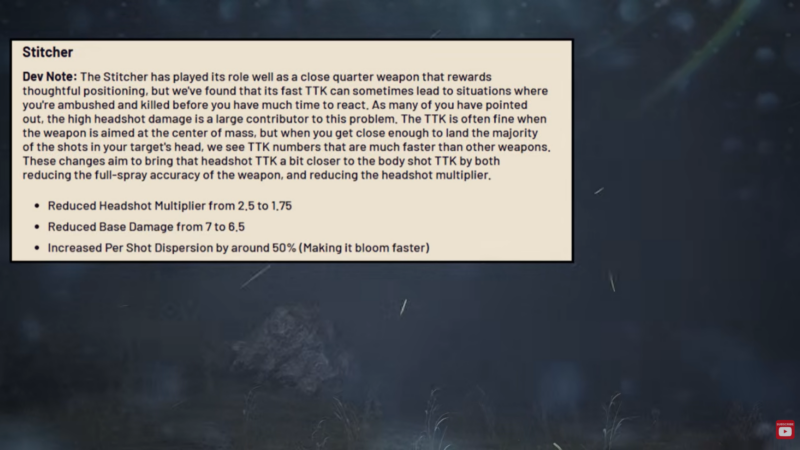
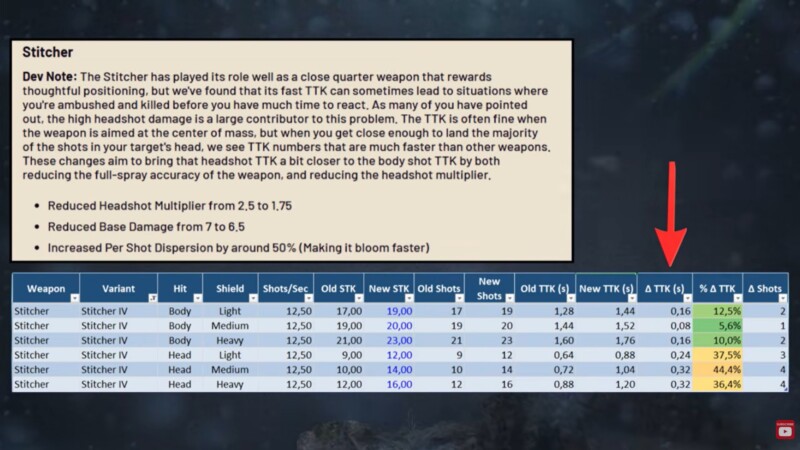
- Patch 1.17 reduces the Stitcher’s headshot multiplier from 2.5x to 1.75x, lowering burst lethality.
- Base damage drops from 7 to 6.5, increasing required bullets to kill.
- Per-shot dispersion rises by roughly 50%, making recoil management critical.
- The new PvP meta favors compensator + angle grip + padded stock + extended light mag 3 as the most consistent build.
The Stitcher has long been a reliable mid-range automatic weapon in PvP, valued for its controllable recoil and strong headshot potential. With Patch 1.17 in ARC Raiders, that identity shifts. The weapon is no longer a headshot-dominant shredder. Instead, it rewards controlled vertical tracking, sustained fire discipline, and smarter attachment synergy. If you continue using your old build, you will notice slower eliminations and less forgiving spray patterns. Adjusting your configuration is now essential.
Quick overview of Stitcher changes in Patch 1.17
The reduction in headshot multiplier is the most significant adjustment. Previously, aggressive upper-torso tracking often translated into extremely fast eliminations due to the 2.5x scaling. With 1.75x scaling, the Stitcher no longer melts targets with accidental head tracking. Instead, body-shot consistency now defines success. The slight drop in base damage compounds this effect, pushing the time-to-kill roughly 0.2 seconds higher in standard engagements.
| Attribute | Before 1.17 | After 1.17 | Impact on PvP |
|---|---|---|---|
| Base Damage | 7 | 6.5 | More bullets required to secure eliminations |
| Headshot Multiplier | 2.5x | 1.75x | Reduced burst lethality |
| Fire Rate | Unchanged | Unchanged | DPS consistency maintained |
| Per-Shot Dispersion | Baseline | ~50% increase | Harder to control spray |
| Estimated TTK Shift | Faster | ~0.2s slower | Less forgiving in duels |
While the fire rate remains unchanged, the 50% increase in per-shot dispersion fundamentally alters recoil behavior. You will notice wider horizontal drift during sustained fire. This makes attachment selection far more important than before.
How the new recoil model changes attachment priorities
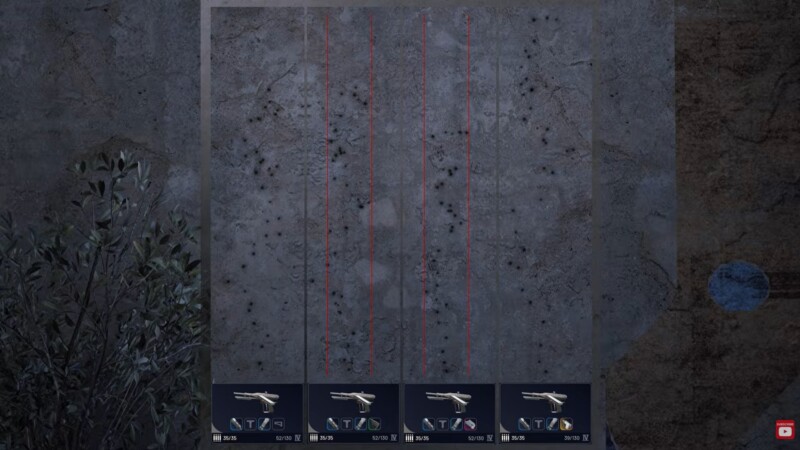
Patch 1.17 effectively narrows viable muzzle and grip options. The increased dispersion punishes hybrid or comfort builds. Instead, recoil stabilization becomes mandatory.
Muzzle slot adjustments
The compensator emerges as the only competitive muzzle option under the new recoil conditions. Since horizontal recoil and spread have worsened, stabilizing vertical climb while minimizing side-to-side variance is critical. Alternative muzzle choices that once provided flexibility no longer compensate sufficiently for dispersion increases. If you want reliable tracking beyond close range, the compensator is now foundational rather than optional.
Stock and underbarrel synergy
The padded stock remains the strongest stock option. Its vertical condensation properties directly counteract the increased per-shot dispersion. With Patch 1.17 amplifying recoil unpredictability, maintaining a tight upward spray line is crucial.
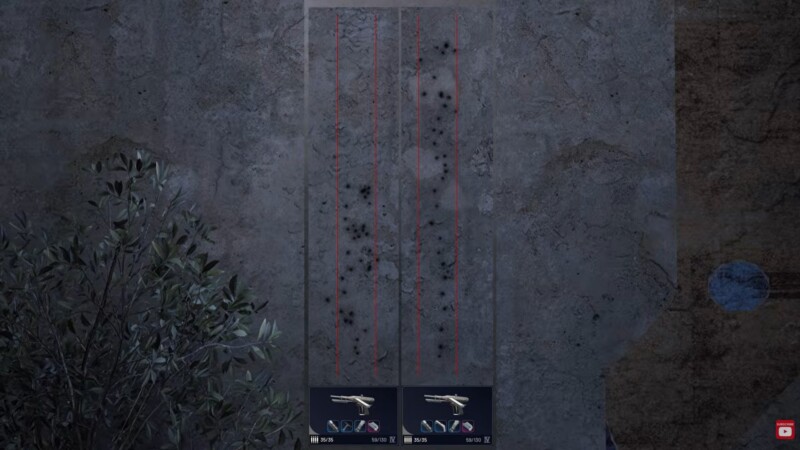
The most impactful change in the underbarrel category is the dominance of the angle grip. Horizontal recoil control now defines the Stitcher’s usability ceiling. When paired with a compensator and padded stock, the angle grip effectively straightens the spray pattern into a mostly vertical climb. This allows you to counteract recoil with consistent downward mouse control instead of reacting to unpredictable lateral movement.
The vertical grip, once a comfortable choice, no longer offers sufficient horizontal stabilization. In competitive PvP, its performance falls behind the angle grip under the new dispersion model.
Magazine meta after Patch 1.17
With reduced damage per shot, sustained fire becomes more important. Running out of rounds mid-engagement is more punishing than before, particularly since eliminating opponents now requires additional bullets.
| Magazine Option | Viability in 1.17 | PvP Effect |
|---|---|---|
| Extended Light Mag 2 | Minimum viable | Stable for mid-tier builds |
| Extended Light Mag 3 | Best-in-slot | Maximizes engagement uptime |
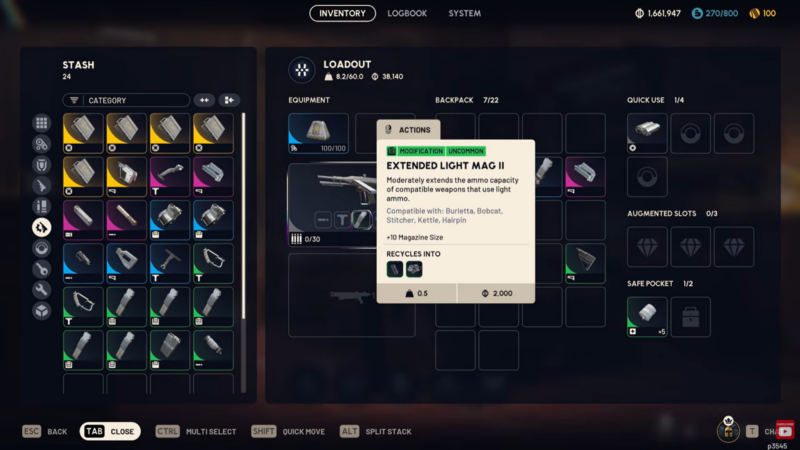
The extended light mag 2 is now the minimum competitive threshold. Anything smaller risks forcing reloads before securing kills. However, the extended light mag 3 becomes the optimal option, especially in squad fights or sustained duels. More ammunition offsets the increased bullet requirement and preserves pressure during extended engagements.
How to build the Stitcher efficiently after Patch 1.17
Upgrading efficiently matters if you want to remain competitive without overspending resources. The new attachment hierarchy encourages a progressive path rather than an all-at-once investment.
Starting from Tier 4 base
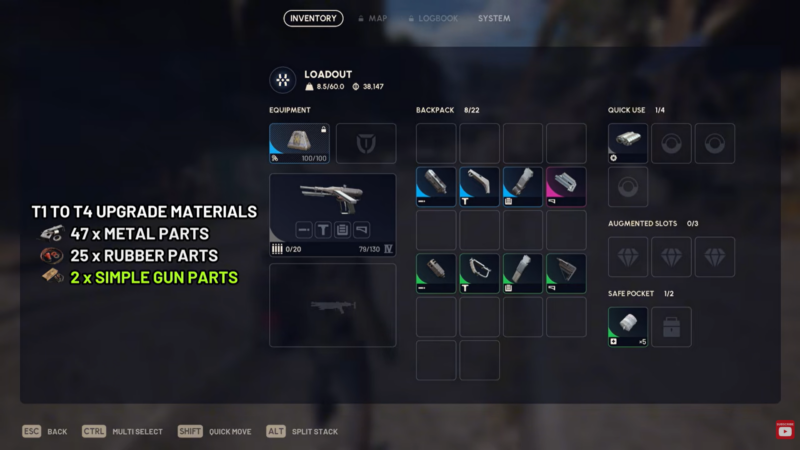
Begin with a Tier 4 Stitcher platform. This offers a solid statistical baseline while keeping upgrade costs manageable. At this stage, recoil will feel noticeably harsher compared to pre-patch performance.
Adding foundational stability components
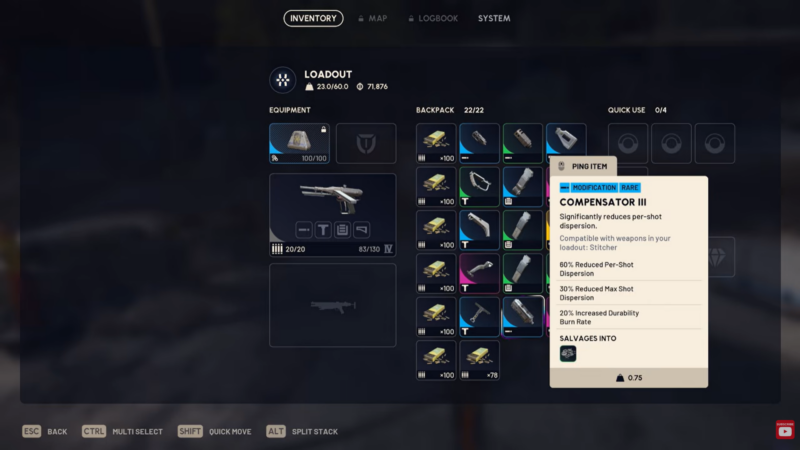
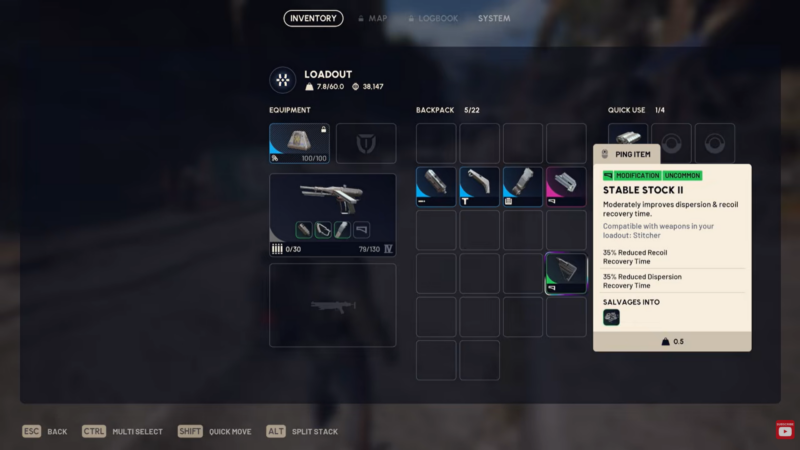
Install compensator 2, angle grip 2, and extended light mag 2 as your first major upgrades. These attachments directly counter dispersion increases and ensure you can maintain fire during engagements. Adding stable stock 2 further smooths vertical climb while you work toward the padded stock.
Transitioning to optimal endgame configuration
Once resources allow, upgrade to padded stock, compensator 3, extended light mag 3, and angle grip 3. This configuration restores the Stitcher’s reliability in mid-range PvP. While it cannot replicate the old 2.5x headshot lethality, it compensates by delivering predictable recoil behavior and sustained pressure.
Comparing old vs new Stitcher PvP identity
| Category | Pre-1.17 Identity | Post-1.17 Identity |
|---|---|---|
| Engagement Style | Aggressive headshot burst | Controlled sustained fire |
| Skill Ceiling | Aim-dependent burst tracking | Recoil mastery and discipline |
| Attachment Flexibility | Moderate | Narrow and recoil-focused |
| Risk in Duels | Lower | Slightly higher due to TTK shift |
Before Patch 1.17, you could win duels through aggressive upper-body tracking and benefit heavily from the 2.5x multiplier. After the patch, the Stitcher rewards disciplined recoil control and smart positioning rather than raw headshot chaining. The weapon now fits more cleanly into a consistent mid-range suppression role rather than a burst eliminator archetype.
Why the Stitcher is still viable in PvP
Despite the nerfs, the Stitcher remains competitive. Its unchanged fire rate ensures steady damage output. When optimized with recoil-focused attachments, the weapon delivers reliable mid-range performance. The increased TTK does not remove its effectiveness; it simply shifts the skill expression from burst lethality to sustained accuracy.
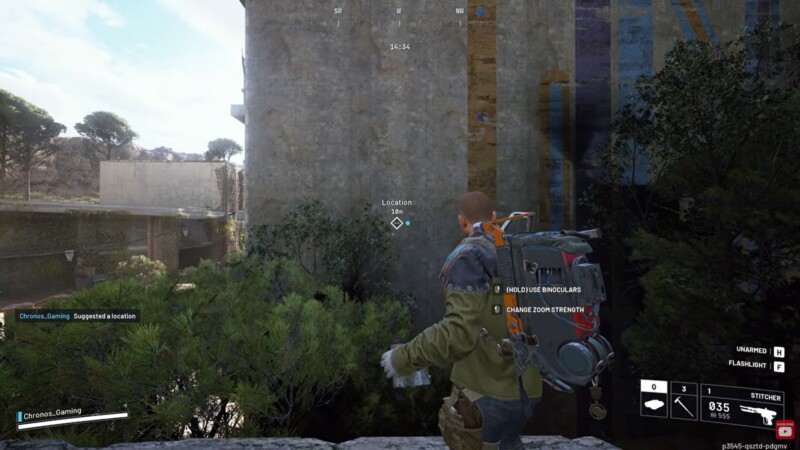
If you adapt your build and adjust your aim style toward center-mass tracking with controlled vertical pull, the Stitcher continues to perform well in structured PvP encounters.
Stitcher build recommendations summary
Patch 1.17 rebalances the Stitcher from a headshot-heavy eliminator into a controlled, recoil-focused automatic rifle. You can no longer rely on explosive headshot multipliers to carry duels. Instead, you must invest in stabilization attachments and adjust your recoil control habits.
| Slot | Recommended Choice | Reason |
|---|---|---|
| Muzzle | Compensator 3 | Stabilizes vertical recoil and dispersion |
| Stock | Padded Stock | Tightens shot spread |
| Underbarrel | Angle Grip 3 | Eliminates horizontal drift |
| Magazine | Extended Light Mag 3 | Supports increased bullet requirement |
This configuration restores confidence in mid-range engagements and mitigates the primary drawbacks introduced in Patch 1.17.
If you embrace the new attachment meta and focus on vertical tracking discipline, the Stitcher remains a dependable PvP option in Arc Raiders. The weapon is not weaker beyond viability; it is simply more demanding. Adapt your build, refine your spray control, and you will stay competitive even under the new patch conditions.