What to know
- Beards and new cosmetics, including a “Toledo pirate” skin, are on the way.
- A new ground-based ARC with a blinking eye has been teased.
- The Hurricane map condition launches February 24 with heavy wind and flying debris.
- Aggression-Based Matchmaking (ABMM) is being tuned, but ARCs do not learn or evolve.
ARC Raiders continues to evolve with a mix of cosmetic upgrades, environmental shake-ups, and system-level adjustments that directly impact how you play. From highly requested character customization to deeper matchmaking logic and expedition changes, the next update aims to refine both style and strategy without altering the core PvPvE identity of the game.
Quick overview of the upcoming ARC Raiders update
| Feature | What’s Changing | Why It Matters to You | Status |
|---|---|---|---|
| Character Customization | Beards and new skins | More personalization and identity expression | Confirmed |
| New ARC Enemy | Ground-based ARC with blinking eye | Fresh combat threat and tactics | Teased |
| Hurricane Condition | Extreme wind, debris, visibility changes | Alters movement, combat, and stealth | Launching Feb 24 |
| ABMM Adjustments | Aggression-based matchmaking tuning | Impacts lobby difficulty and player behavior | Ongoing |
| Expedition System | Currency loop adjustments | Long-term progression changes | In development |
| Blueprint System | Carryover system under discussion | Potential crafting flexibility | Not confirmed |
| ARC AI | No machine learning evolution | Clarifies enemy behavior limits | Confirmed |
Beards and expanded customization options
One of the most requested features is finally arriving: beards. While it may sound minor, this addition significantly expands character identity in a game where visual individuality matters in both PvP encounters and social spaces.
Alongside facial hair, new cosmetic skins are being introduced. One standout design has been described as a “Toledo pirate”, suggesting a rugged, stylized aesthetic that leans into the scavenger-survivor theme of ARC Raiders. These updates don’t affect gameplay balance, but they do reinforce player expression in a world built around personality and risk.
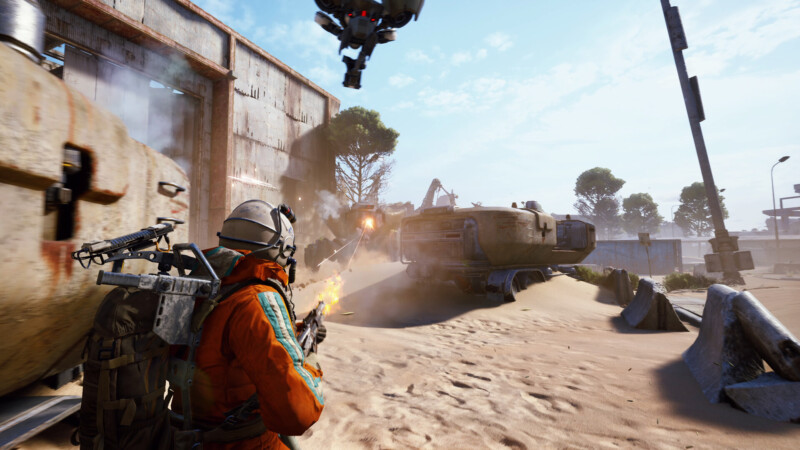
A new ground-based ARC enemy teased
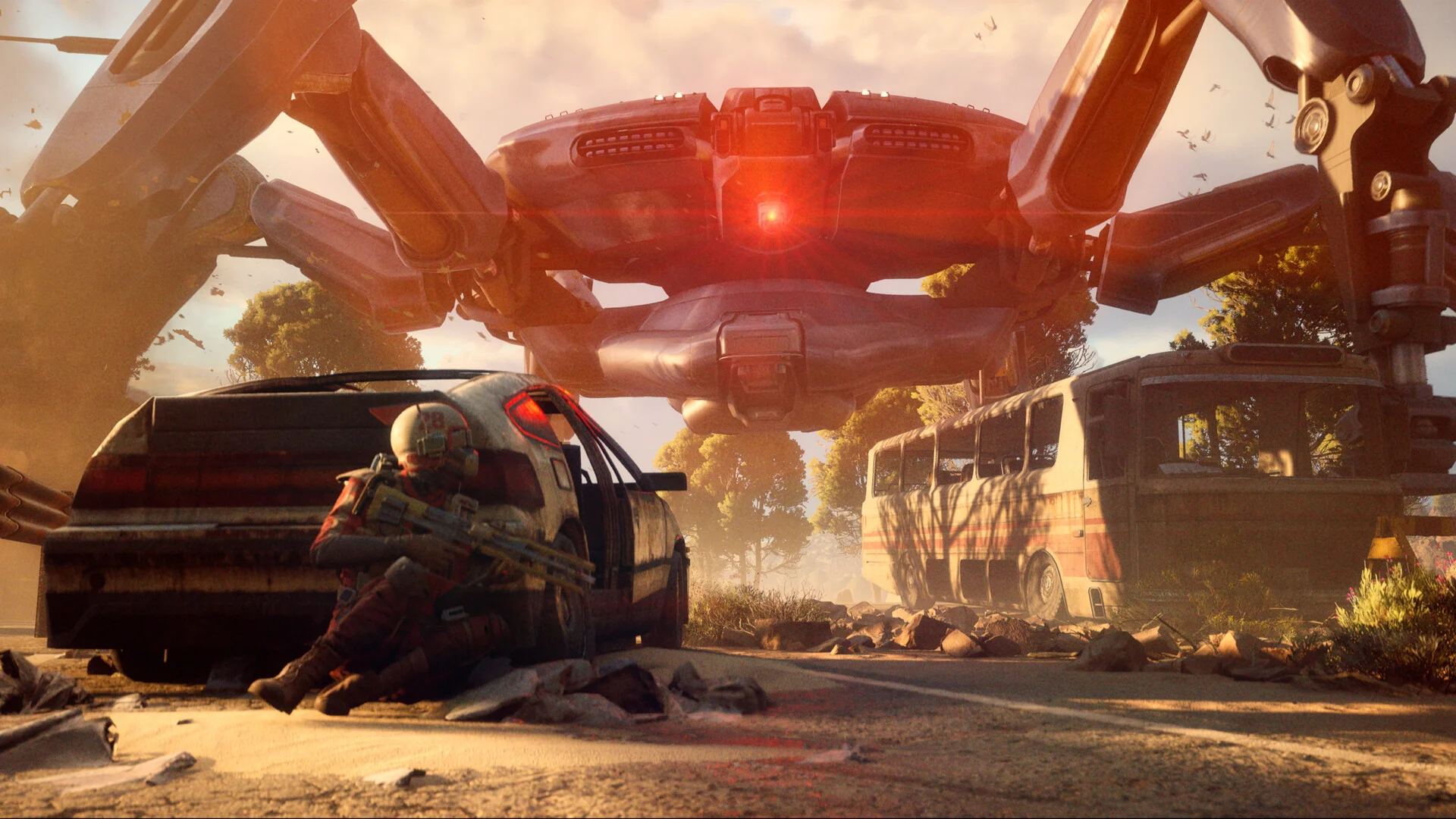
A new ground-based ARC enemy has been teased, featuring a distinctive blinking eye. While full mechanics haven’t been revealed yet, this suggests a potentially reconnaissance-oriented or perception-driven unit.
If you’re used to current ARC behaviors, expect tactical adaptation. A new ARC type typically means adjustments in positioning, scanning habits, and engagement timing. Depending on its detection capabilities or attack patterns, this enemy could punish reckless pushes or reward coordinated squad play.
Developers have confirmed that while AI systems help ARCs move realistically, their behaviors and attack logic are manually coded. That means no dynamic evolution, no machine-learning adaptation mid-season, and no hidden skill-based enemy scaling beyond deliberate design.
How the Hurricane map condition will change your raids
The new Hurricane map condition, launching February 24, introduces environmental chaos that directly affects movement, combat, and visibility.
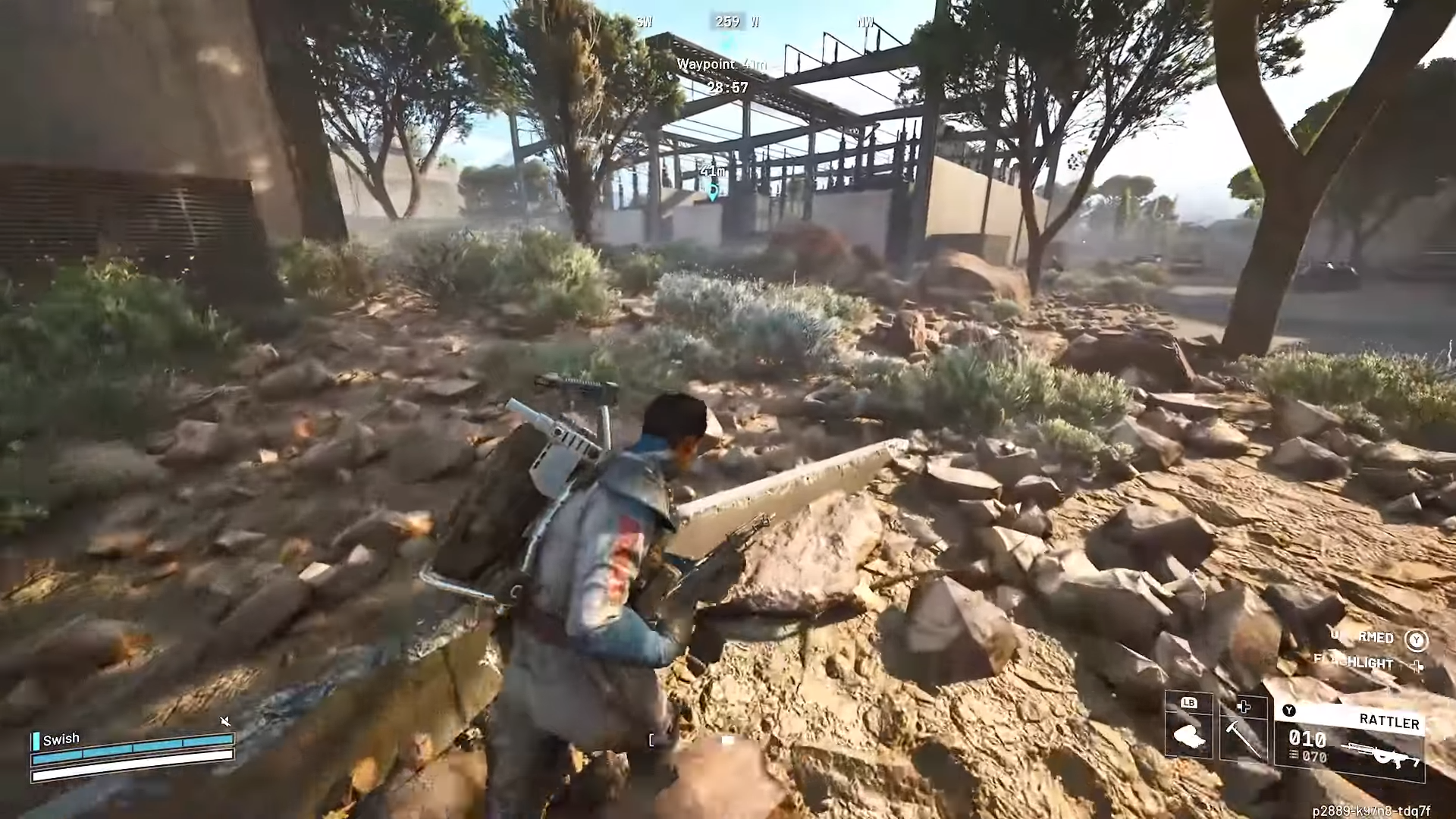
Strong winds will physically alter your mobility. You’ll notice resistance while running and significant deviation when throwing items. Grenades, utility equipment, and throwable tools will require recalculated angles and timing.
Flying debris becomes an environmental hazard. It can damage and degrade shields, making shielded players more visible. That visibility shift introduces a subtle risk-reward dynamic. If you rely heavily on shields, you may become easier to track. If you go shieldless, you could potentially remain harder to detect in low-visibility conditions.
Reduced visibility impacts both players and ARCs. You may struggle to identify threats at range, but ARCs will also be harder to spot. This pushes engagements into closer quarters and rewards awareness over long-range dominance.

A new feature called First Wave Caches will appear during Hurricane conditions. These caches contain valuable relics unearthed by the storm. High risk, high reward. If you chase them, you should expect contested fights.
Understanding aggression-based matchmaking (ABMM)
Aggression-Based Matchmaking is not a simple toggle between “friendly” and “aggressive” lobbies. Developers describe it as a spectrum.
Your aggression rating is calculated over multiple rounds, based on patterns such as player engagements and combat behavior. It is not determined by a single raid. If you consistently hunt other players, your aggression score trends upward. If you avoid PvP, it trends lower.
The system is acknowledged as “gameable”, meaning players can attempt to manipulate it. However, developers are continuously tuning it to reduce abuse and maintain integrity.
Importantly, end-of-round surveys do not affect matchmaking at all. These are purely sentiment data collection tools and have zero influence on your aggression rating or lobby placement.
For you, this means your behavior genuinely shapes your matchmaking experience over time. If your raids feel more intense or more relaxed, your recent playstyle likely contributed to that shift.
How expedition changes may impact progression
The current expedition currency system is described by developers as an experiment. It is expected to evolve.
Future updates aim to tie more gameplay loops into the currency system rather than making it a simple extraction-value metric. Developers are targeting “pain points” and reworking incentives to create a more cohesive long-term progression structure.
A likely addition is a cap on skill points, which would standardize progression ceilings and prevent runaway scaling. This could help maintain competitive balance between veteran and newer players.
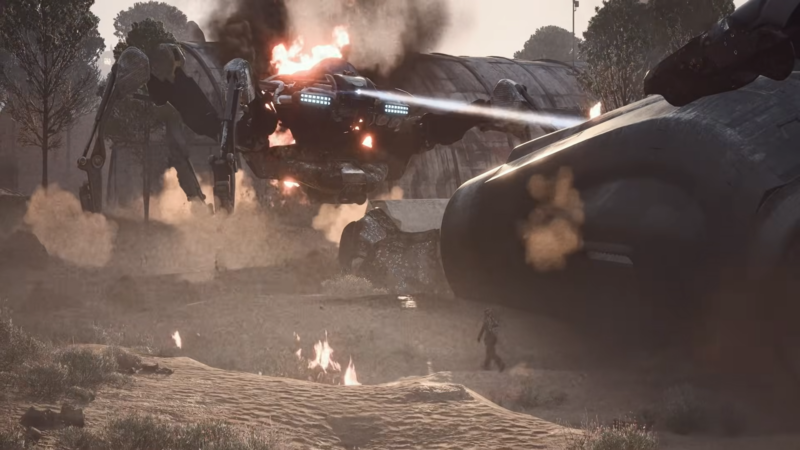
Blueprint saving or carryover between expeditions is still under discussion. While not confirmed, developers are exploring alternative methods to improve blueprint acquisition and reduce frustration.
If you focus on crafting and long-term build optimization, these upcoming changes may significantly reshape your strategy.
Clarifying the ARC AI myth
There has been speculation that ARCs evolve using machine learning. Developers have firmly denied this.
AI and machine learning tools are used during development to teach ARCs realistic navigation and movement behaviors. However, once implemented, their attack patterns and combat behaviors are manually coded.
This means ARCs do not adapt dynamically based on your playstyle, and they do not develop new tactics over time. Any behavioral changes come through patches and deliberate updates, not hidden learning systems.
For players concerned about unpredictable escalation, this confirmation should provide clarity and reassurance.
What this update means for you as a raider
This update blends personalization, environmental intensity, and systemic refinement. The Hurricane condition alone could temporarily redefine how you approach movement and combat. ABMM tuning may subtly alter the type of players you encounter. Expedition adjustments hint at deeper long-term structural evolution.
Cosmetics like beards may not affect stats, but they contribute to identity in a high-stakes extraction environment where recognition and presence matter.
If you enjoy adapting to dynamic environments and evolving systems, this phase of ARC Raiders is shaping up to be particularly interesting.