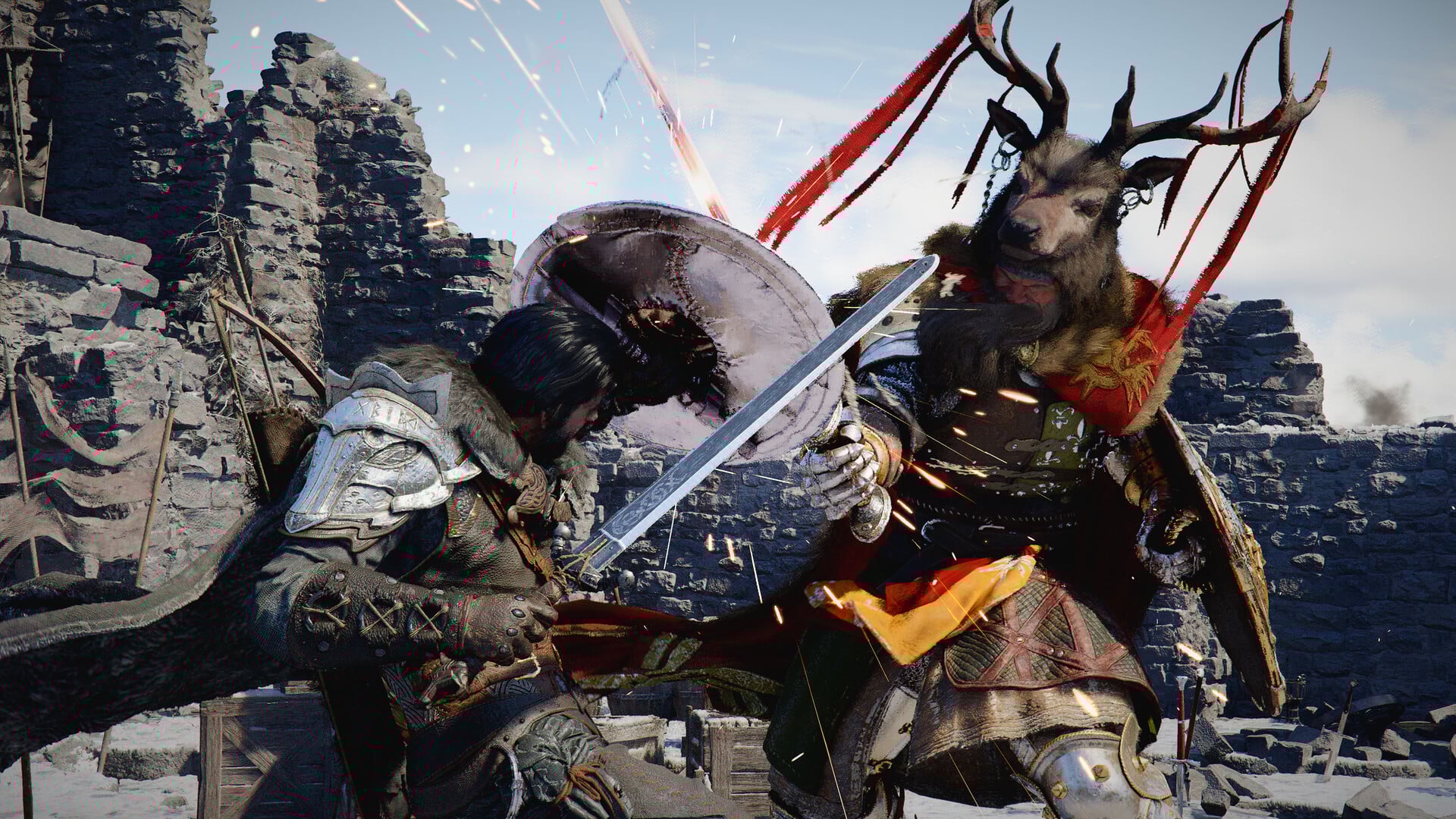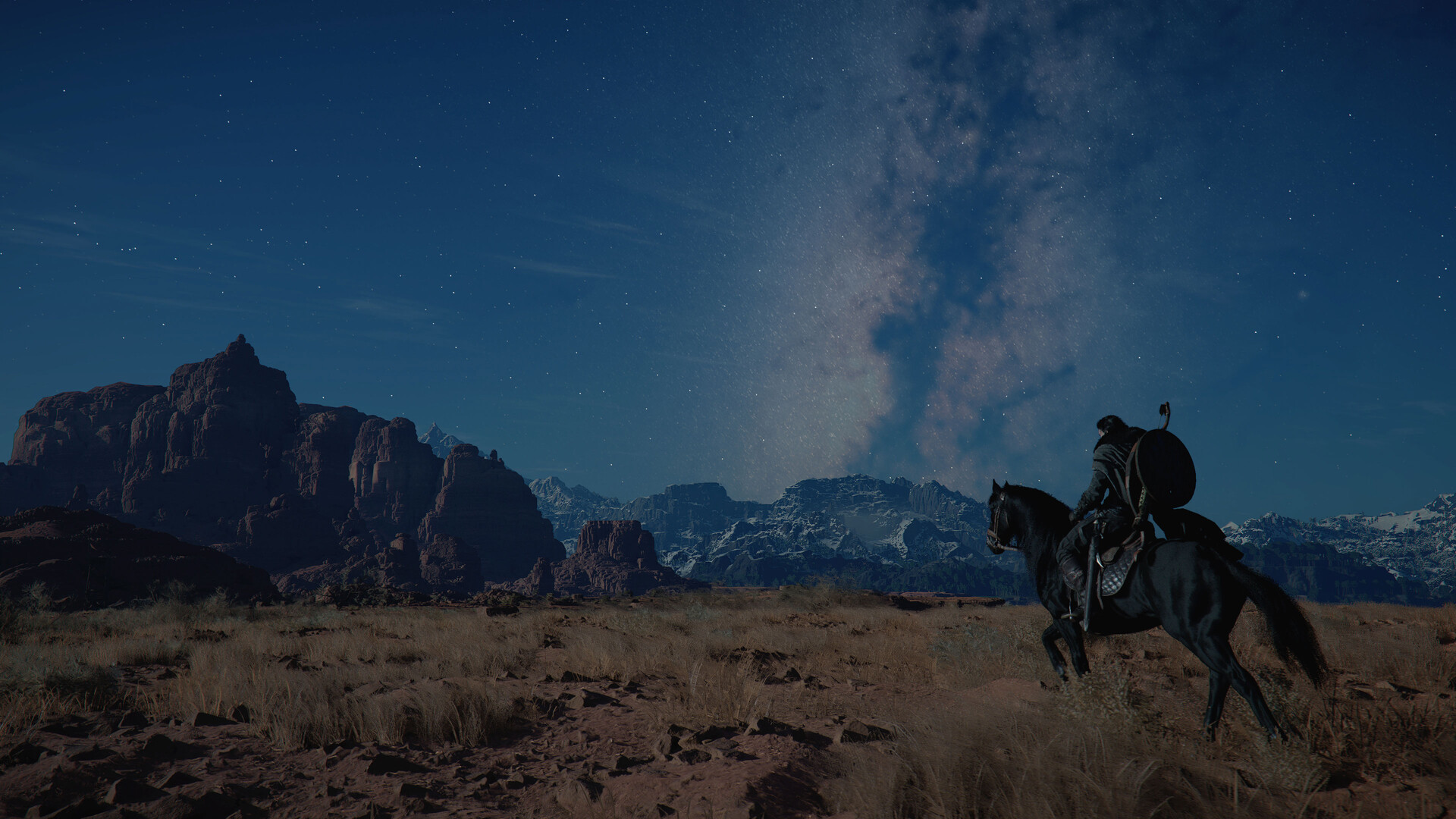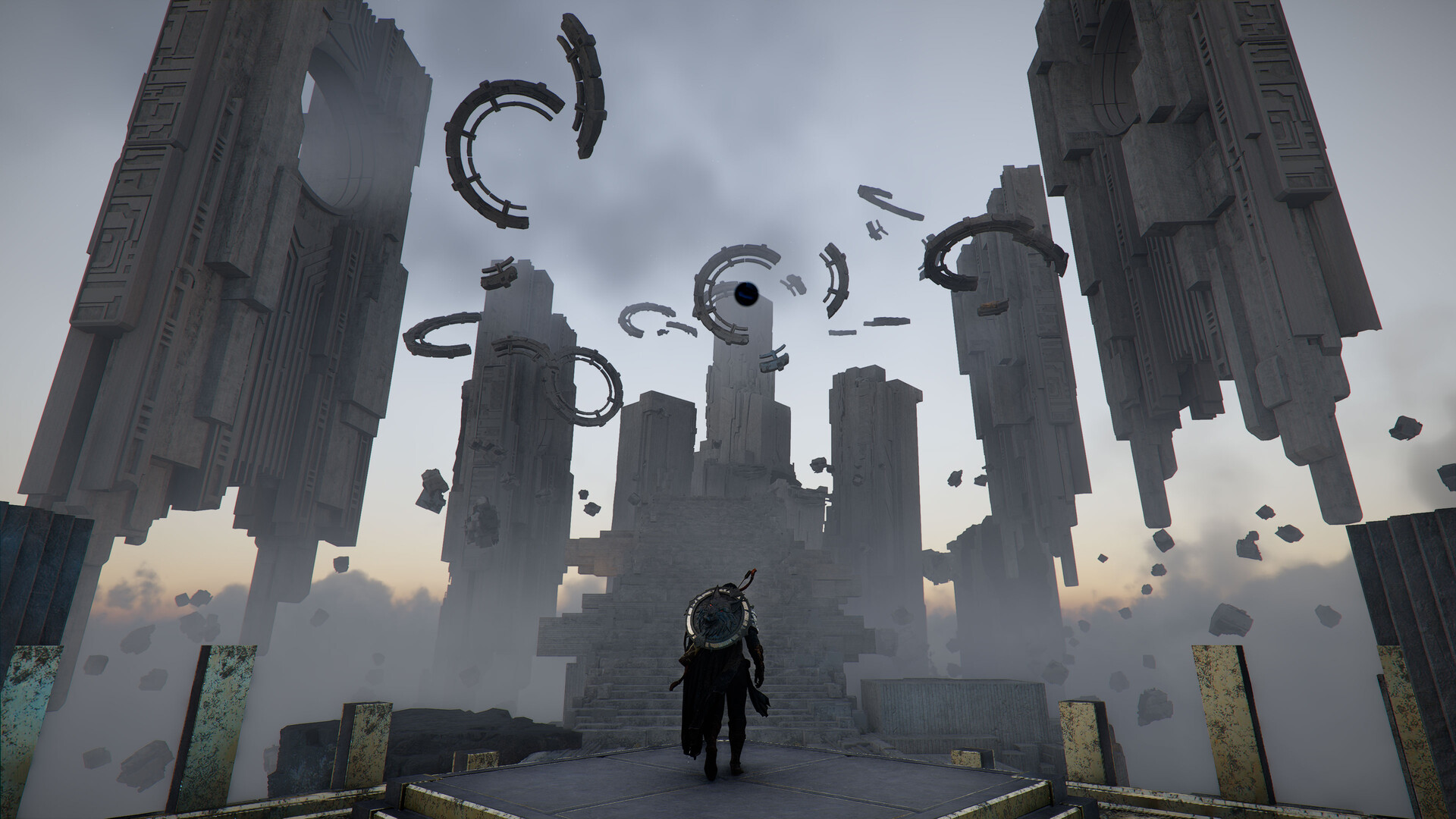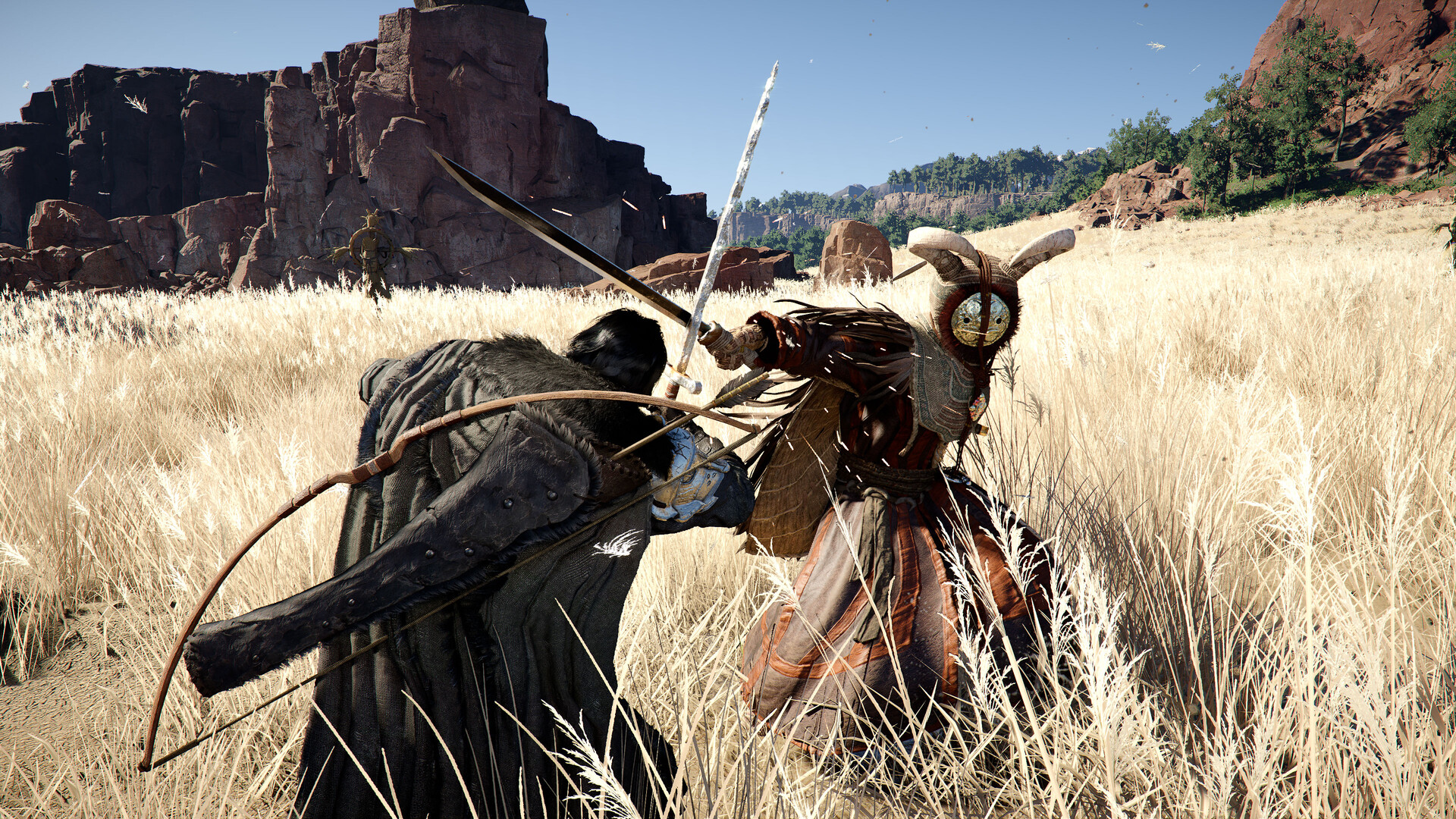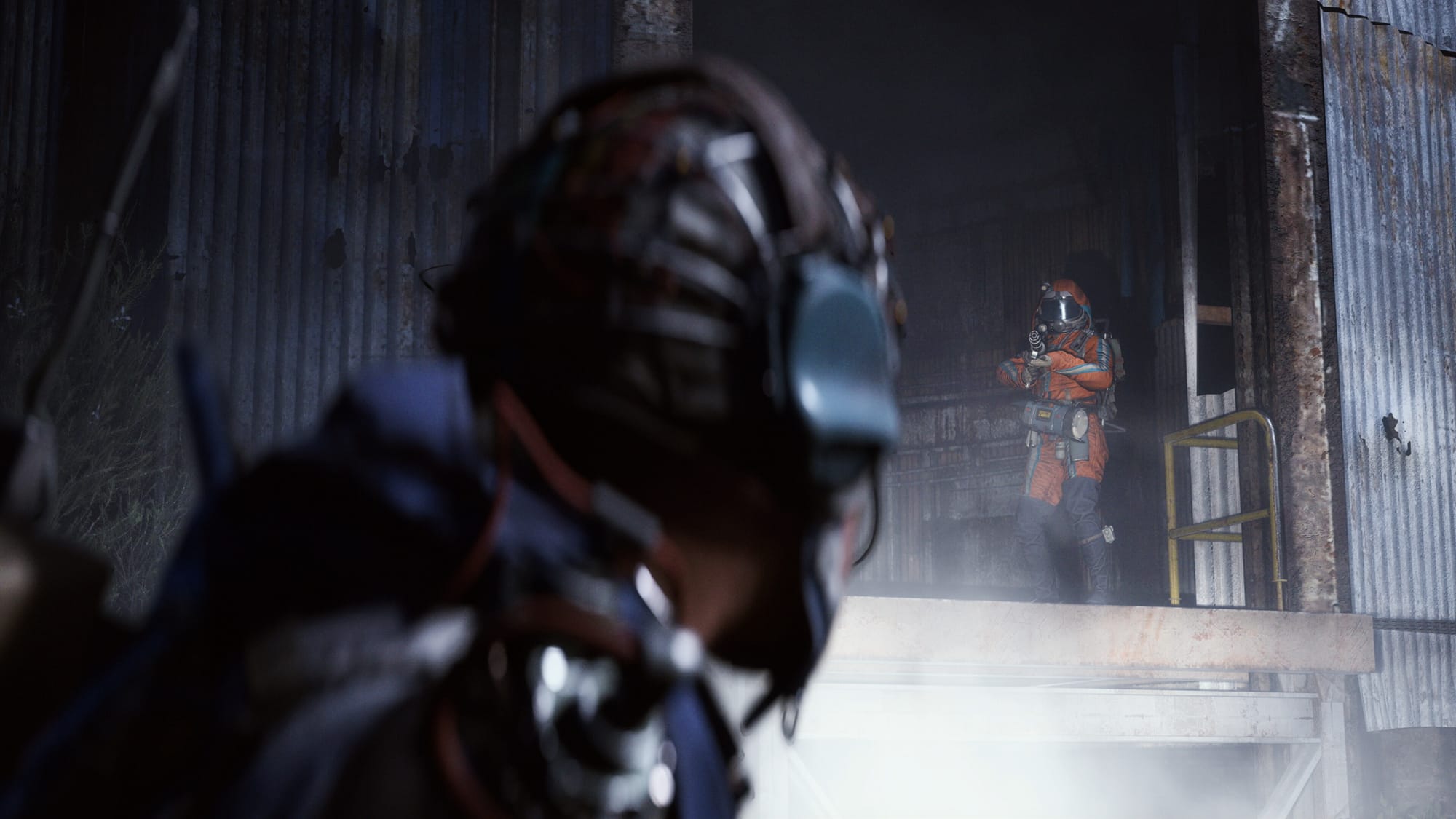
Exploring the mountainous terrain of Blue Gate requires understanding its intricate tunnel system, where confined passages and underground facilities create high-stakes encounters beneath the open valleys above.
Blue Gate is one of the Rust Belt maps in Arc Raiders. It’s set high in mountainous terrain and combines open ridgelines, small towns, and underground tunnel complexes.
The tunnels in Blue Gate serve several roles, including providing alternative routes to avoid open sightlines and exposure on the surface, funneling movement and creating chokepoints, which can be used defensively or offensively, as well as discovering special loot areas.
Tunnels, passages, and key-gated rooms in Blue Gate
| Tunnel / Passage | Function / Notes | Access requirements / Tips |
|---|---|---|
| Standard tunnel network (general underground corridors) | These are the core subterranean routes that connect between towns, ridges, and interior parts of the map. They reduce sightlines and force tighter engagements. | Most are open to all raiders. Some may have choke points or patrols. Use them to flank, evade, or reposition. |
| Confiscation room (locked room in tunnels) | A special loot room inside the tunnels, accessible only via a locked door. It houses “confiscated goods” that aren’t reachable otherwise. | Needs the Blue Gate Confiscation Room Key to open. Only bring it if your route is tunnel-centric. |
| Communication tower key-locked passages | The “Blue Gate Communication Tower Key” is also listed among the keys tied to Blue Gate, suggesting there may be locked passage(s) in or around a communication tower within or adjacent to underground paths. | The specific tunnels or room it unlocks are not well documented yet. |
| Entry / Exit shafts and vertical connections | Some tunnel systems link to surface via shafts or vertical drops, connecting underground and surface layers. These transitions are essential to move between layers quickly. | Use them to surprise or reposition; ensure you know your exit points before entering tunnels fully. |
How tunnels change raid strategy
Step 1: Plan routes that leverage both layers
Before entering Blue Gate, check extraction timers and identify which areas require tunnel access. Tunnels break line of sight from topside threats but concentrate ARC patrols and player traffic into predictable corridors. Routes that alternate between surface sprints and underground segments typically minimize exposure while maintaining flexibility.
Step 2: Expect elevated pressure in confined spaces
Underground passages reduce the number of angles to monitor but increase the likelihood of close-quarters engagements. ARC patrols focus on approaches and choke points within the tunnel network, with night raids and special conditions potentially increasing density. Building an exit strategy before entering ensures escape options remain available if pressure escalates.
Step 3: Use key-locked rooms strategically
The tunnel system includes specific locked areas like the Confiscation Room, which requires the Blue Gate Confiscation Room Key to access. These rooms contain concentrated loot but force raiders into enclosed spaces with limited exits. Carrying keys only makes sense when the planned route already passes through the tunnels, as the weight could otherwise be allocated to ammunition or utility items.
Step 4: Time topside crossings with conditions
Blue Gate applies the same weather and special condition systems as other Rust Belt locations. Night raids, electromagnetic storms, and other modifiers affect how quickly raiders should cross exposed ridgelines versus dropping into tunnels. Conditions that reduce visibility or disrupt navigation make underground routes more attractive, while clear weather favors faster surface movement.
Key locations within the tunnel network
While specific tunnel names and underground facility designations remain limited in available documentation, confirmed locations include the Confiscated Goods Room secured by its dedicated key. The tunnel system also connects to various small towns scattered across the mountain valleys, creating multiple entry and exit points for subterranean travel.
Field Depots marked by satellite dishes can be found throughout Blue Gate’s surface areas, serving as supply stations where raiders deliver Field Crates for rewards. These depots often sit near tunnel entrances, making them useful waypoints for route planning.
Comparing Blue Gate to other Rust Belt locations
| Location | Core environment | Terrain characteristics | Underground features |
|---|---|---|---|
| Dam Battlegrounds | Lowlands | Forests, swamps, research centers | Limited interior spaces |
| Buried City | Pre-collapse city | Sand-covered streets, hospitals, malls | Metro station extractions |
| Spaceport | Derelict launch facility | Industrial pads, hangars, compounds | Warehouse and control tower interiors |
| Blue Gate | Mountain region | Open valleys, small towns | Extensive tunnel network and underground complexes |
| Stella Montis | Rumored destination | Unknown | Access method undisclosed |
Blue Gate’s tunnel density sets it apart from previous maps, where underground areas served primarily as extraction points or isolated interior rooms. The interconnected subterranean network here functions as a parallel route system rather than isolated pockets.
Key economy and Blue Gate-specific items
| Key | Function | Vendor value | Strategic considerations |
|---|---|---|---|
| Blue Gate Confiscation Room Key | Unlocks confiscated goods room in tunnels | 100 credits | Carry only when planning tunnel-focused routes |
| Blue Gate Communication Tower Key | Accesses communication tower | 100 credits | Details on tower location remain limited |
| Raider Hatch Key | Opens hatch extraction points | 1,000 credits | High-value utility for quick exits across all maps |
Keys that don’t align with the current route plan add weight without benefit, potentially forcing raiders to sacrifice ammunition or medical supplies. The 100-credit vendor value of location keys makes them worth carrying to extraction only if no better loot is available.