- What to know
- Quick overview of all Hytale zones
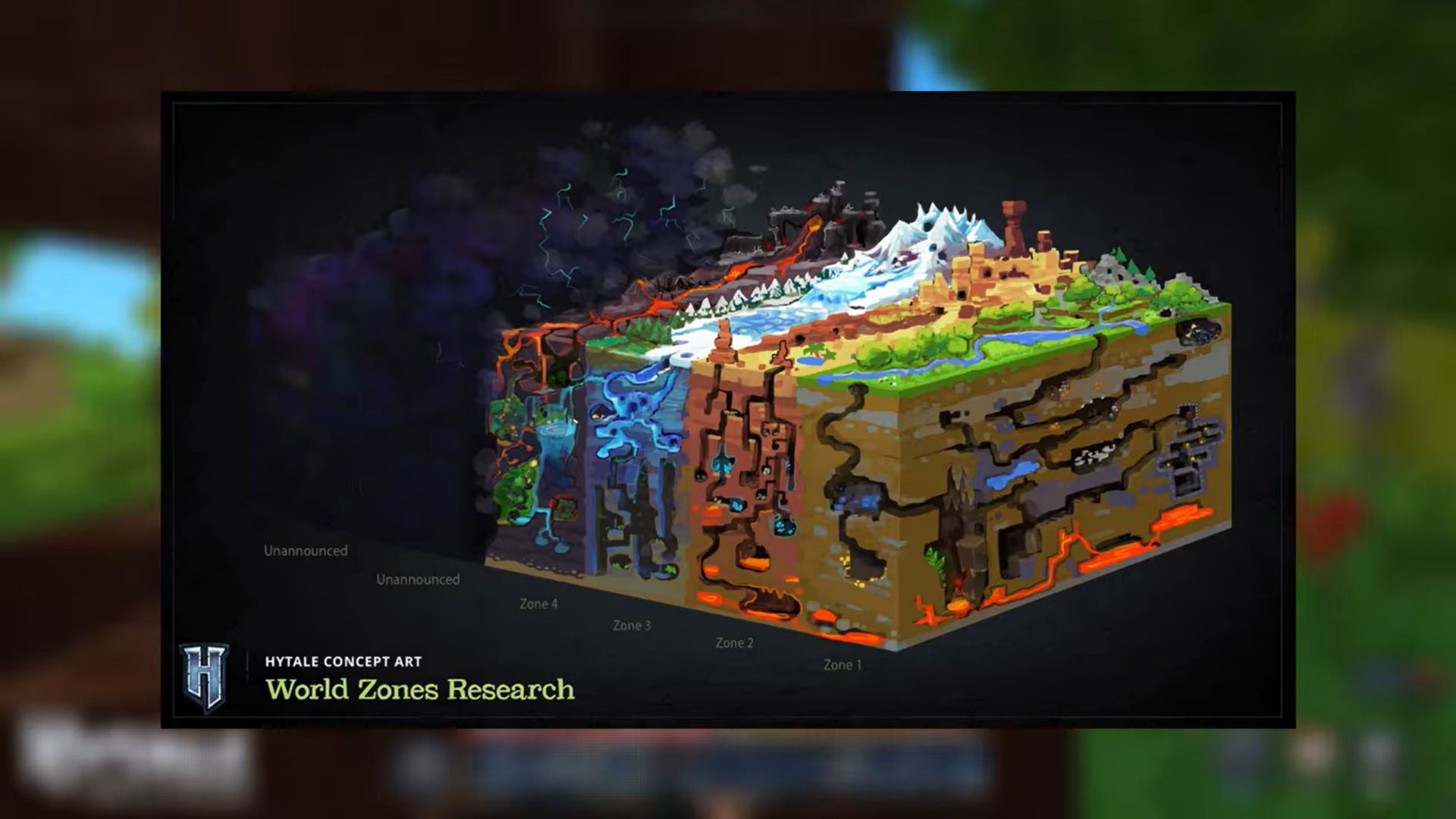
- How zones work in Hytale
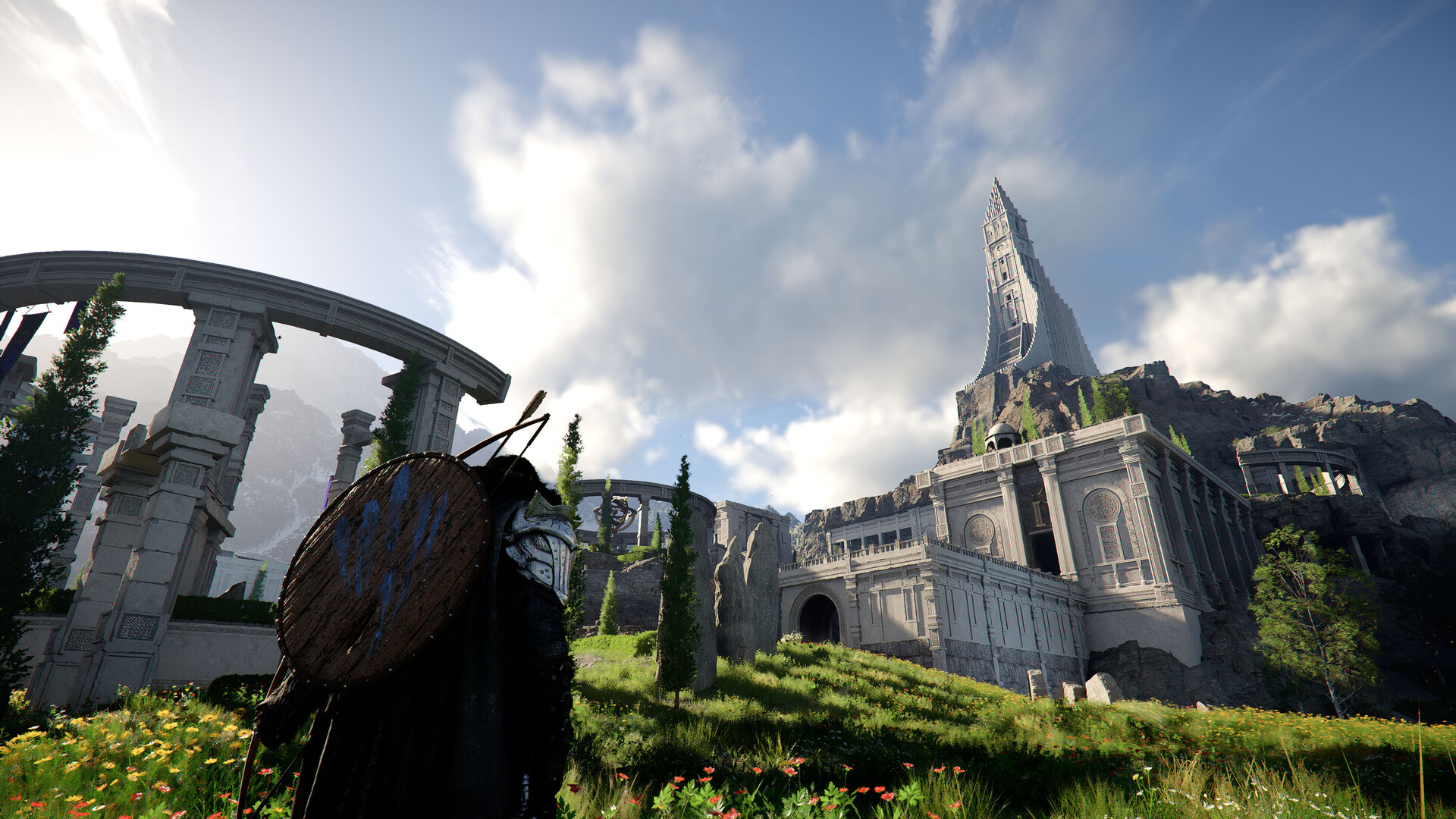
- Zone 1 explained: Emerald Grove (Earth)
- Zone 2 explained: Howling Sands (Wind)
- Zone 3 explained: Borea (Water and Ice)
- Zone 4 explained: Devastated Lands (Fire)
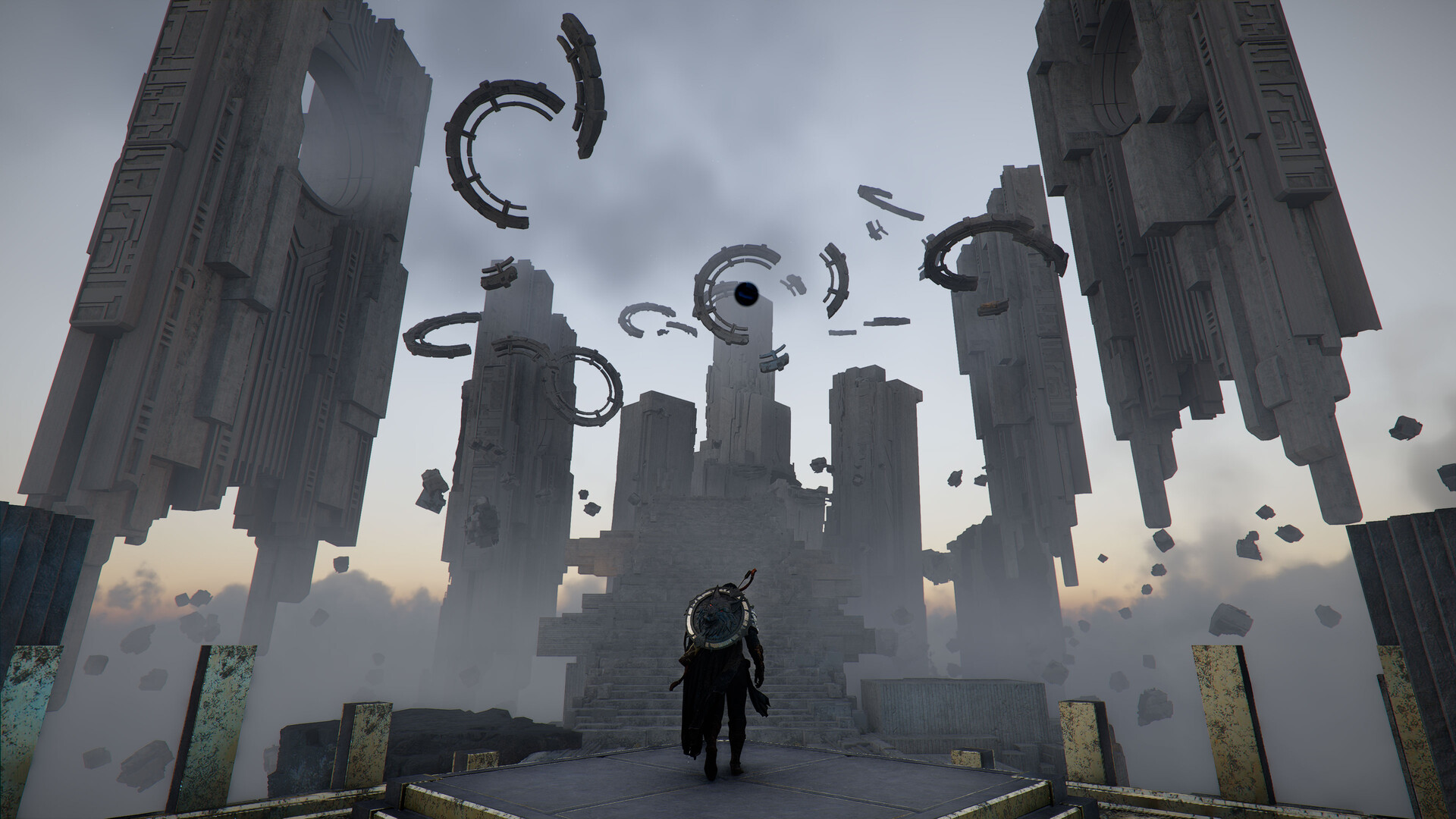
- Zone 5 explained: Skylands (Lightning – placeholder)
- Zone 6 explained: Voidlands or Poisonlands (Void – placeholder)
- Ocean zones explained
- How zones shape progression
What to know
- Zones are massive world regions made up of multiple biomes, not single landscapes
- Each zone has a distinct theme, difficulty curve, and enemy ecosystem
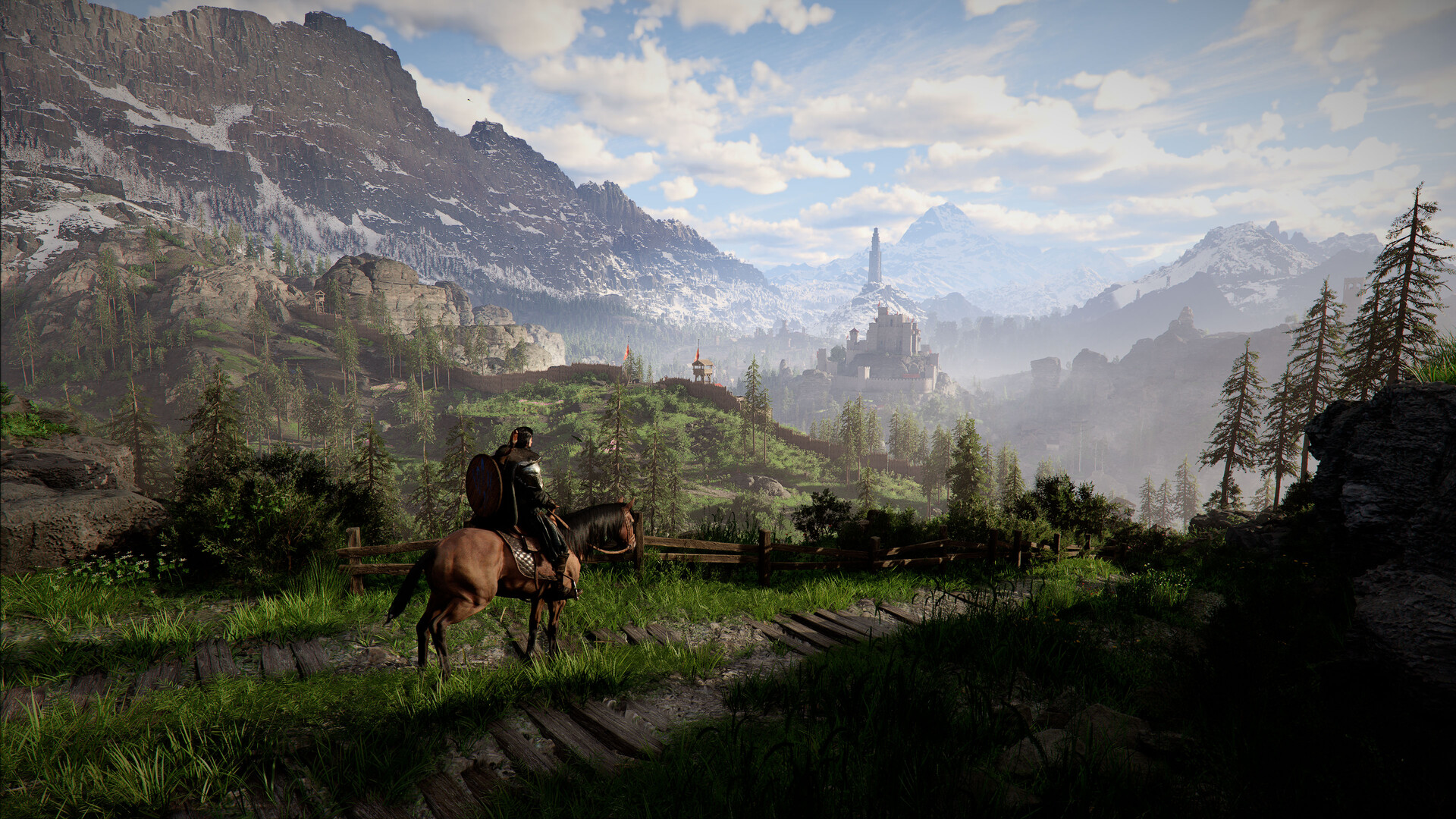
- Progression generally pushes you outward from Zone 1 into harsher regions
- Zone 5 and Zone 6 exist in development data but are not fully revealed yet
In Hytale, the world of Orbis is divided into large-scale regions called Zones. These zones define the overall flow of exploration, combat difficulty, resources, and environmental hazards. While biomes control local terrain, zones control the big picture—what kind of adventure you’re stepping into and how dangerous it’s going to be.
Below is a complete, neutral, and current guide to all known and planned zones in Hytale, including Zone 5 and Zone 6.
Quick overview of all Hytale zones
| Zone | Common name | Core theme | Difficulty | Status |
|---|---|---|---|---|
| Zone 1 | Emerald Grove | Earth / temperate | Easy | Confirmed |
| Zone 2 | Howling Sands | Wind / arid | Medium | Confirmed |
| Zone 3 | Borea | Water / ice | Hard | Confirmed |
| Zone 4 | Devastated Lands | Fire / volcanic | Very hard | Confirmed |
| Zone 5 | Skylands (placeholder) | Lightning (speculative) | Unknown | Planned |
| Zone 6 | Voidlands (placeholder) | Void / corruption | Unknown | Planned |
| Oceans | Ocean regions | Aquatic | Variable | Confirmed |
How zones work in Hytale
Zones are not optional decorations. They directly affect:
- Enemy strength, variety, and behavior
- Loot quality and crafting progression
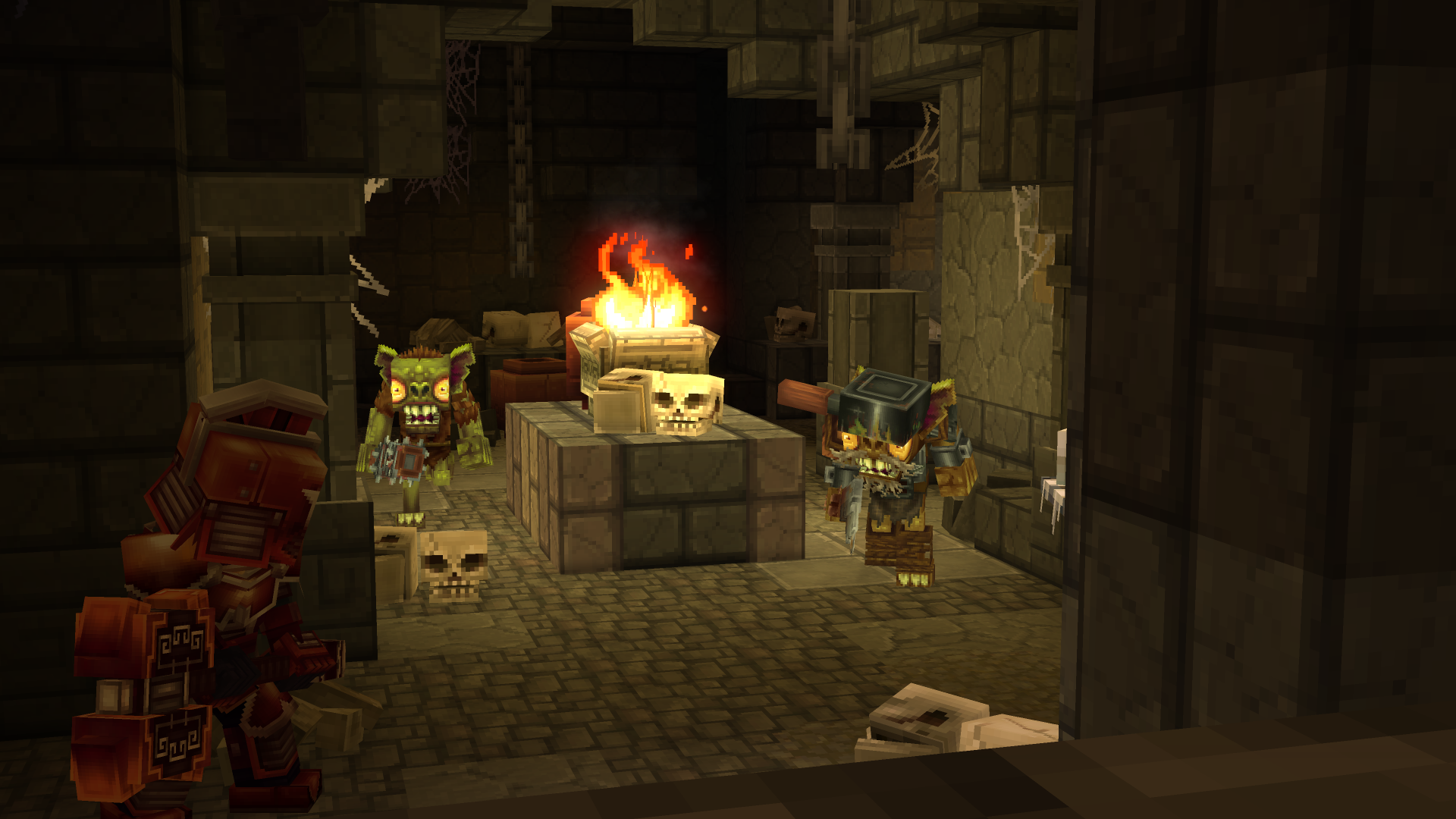
- Structure placement such as ruins, camps, and dungeons
- Underground generation, including cave styles and rare materials
As you move farther from the central regions, survival becomes less forgiving and preparation matters more.
Zone 1 explained: Emerald Grove (Earth)
Zone 1 is where most adventures begin. It’s designed to introduce you to survival systems, exploration, and combat without overwhelming pressure.
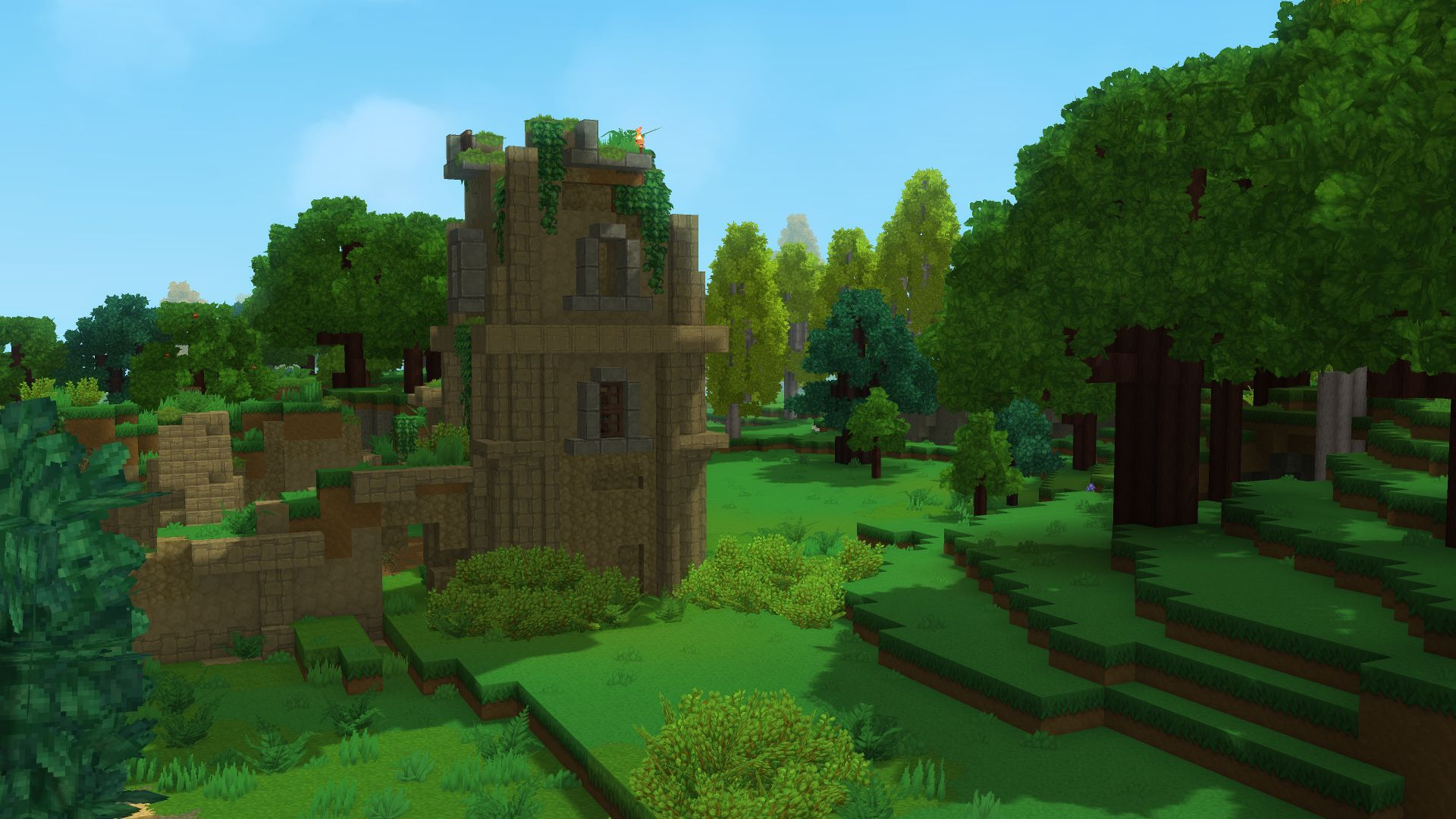
Environment and biomes
- Green plains and rolling hills
- Dense forests, including autumn-style variations
- Swamps, wetlands, rivers, and lakes
- Snowy mountains appearing near outer edges
Creatures and NPCs
- Neutral wildlife like deer, pigs, rabbits, and birds
- Early hostile enemies with forgiving combat patterns
- Friendly or neutral NPC factions such as Kweebecs and Trorks
Why Zone 1 matters
This zone supports base building, farming, and experimentation. Resources are plentiful, weather is mild, and threats are manageable.
Zone 2 explained: Howling Sands (Wind)
Zone 2 transitions you into harsher survival conditions. Open terrain and environmental exposure play a larger role here.
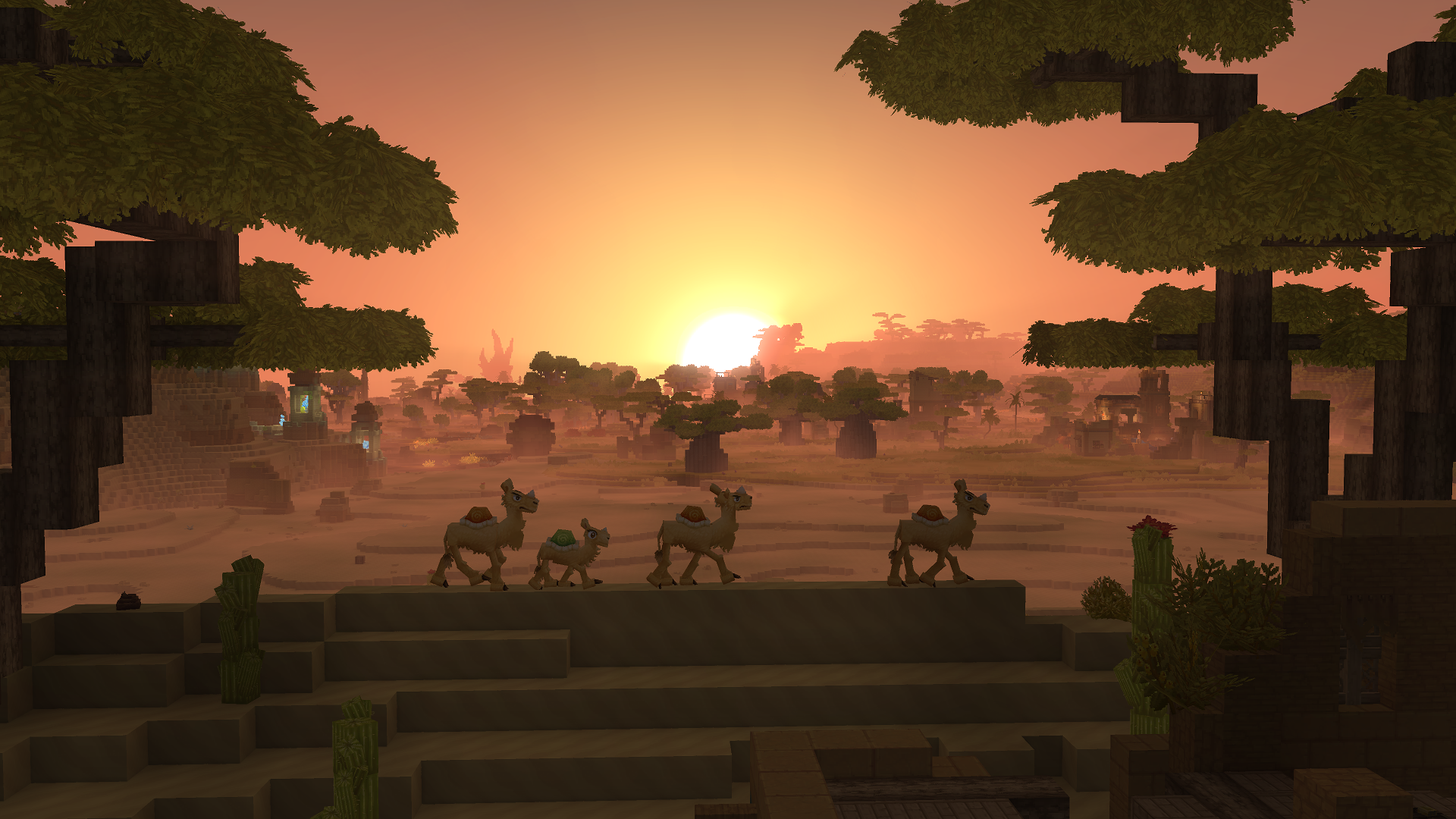
Environment and biomes
- Vast deserts with dunes and canyons
- Savannah grasslands blending into sand
- Oases providing water and vegetation
- Wind-heavy weather and dust storms
Creatures and NPCs
- Desert-adapted wildlife
- Aggressive insectoid enemies like Scaraks
- Nomadic or desert-themed NPC groups
Gameplay impact
Combat becomes less forgiving, visibility can drop during storms, and long-distance travel requires planning.
Zone 3 explained: Borea (Water and Ice)
Zone 3 is a major difficulty jump. Cold itself becomes a survival mechanic.
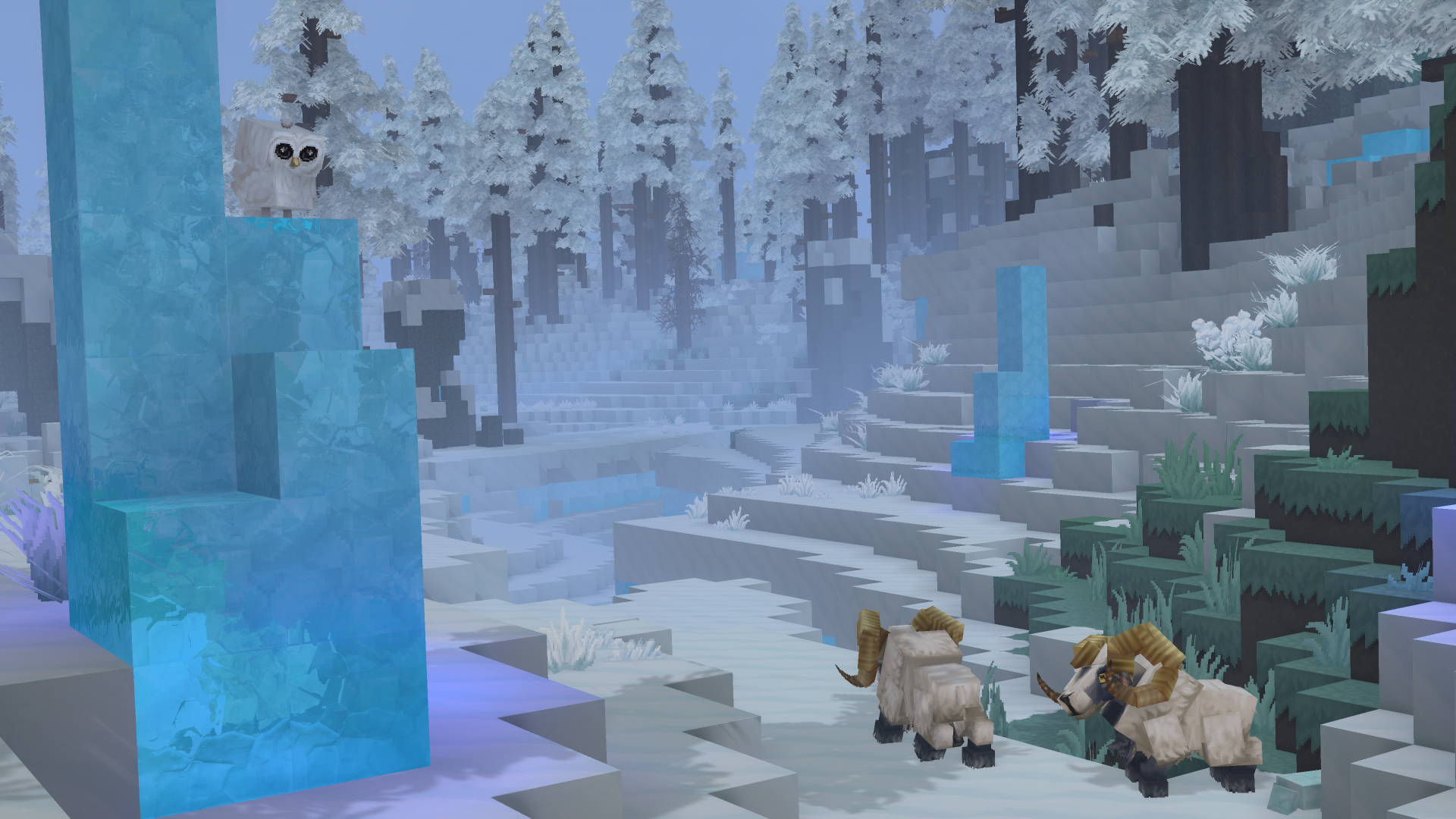
Environment and biomes
- Snow-covered plains and tundra
- Pine forests and frozen lakes
- Tall mountain ranges and icy peaks
- Ice caves and frozen underground systems
Creatures and NPCs
- Cold-resistant animals like wolves and rams
- Larger, more dangerous hostile mobs
- Isolated settlements and outlander-style NPCs
What makes Borea dangerous
Cold weather can drain resources quickly, and enemies hit harder. Gear preparation becomes essential rather than optional.
Zone 4 explained: Devastated Lands (Fire)
Zone 4 represents the most extreme confirmed environment in Hytale.
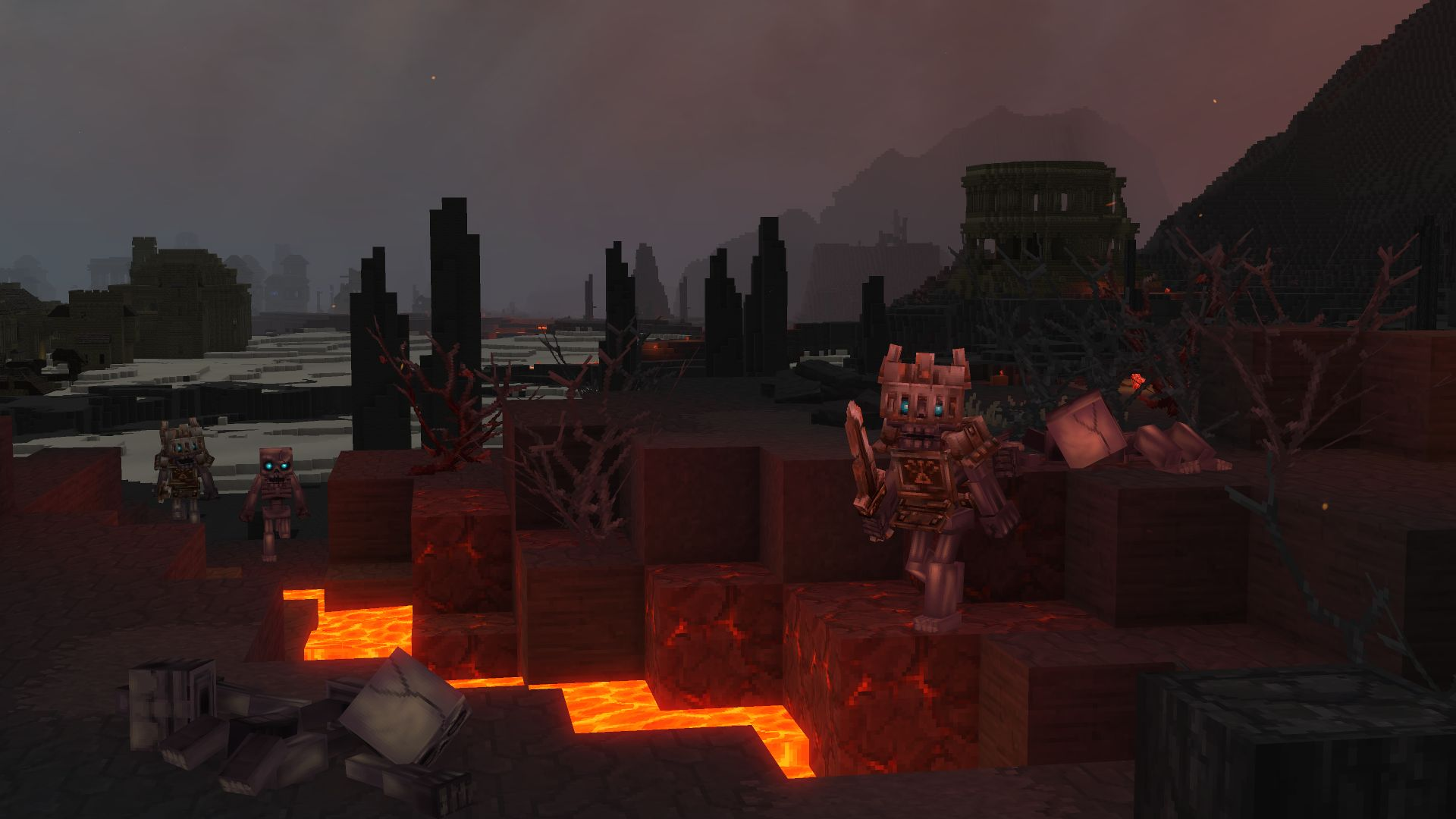
Environment and biomes
- Volcanic wastelands with flowing lava
- Ash-covered plains and scorched terrain
- Basalt formations and unstable ground
- Unexpected tropical or overgrown regions deep underground
Creatures and threats
- High-tier hostile enemies
- Environmental hazards like lava, fire, and toxic terrain
- Complex combat encounters with little room for mistakes
Progression role
This zone is tied to late-game progression, rare materials, and major lore elements. Exploration here is high-risk but high-reward.
Zone 5 explained: Skylands (Lightning – placeholder)
Zone 5 exists in early world-generation tools and development references but has not been fully revealed.
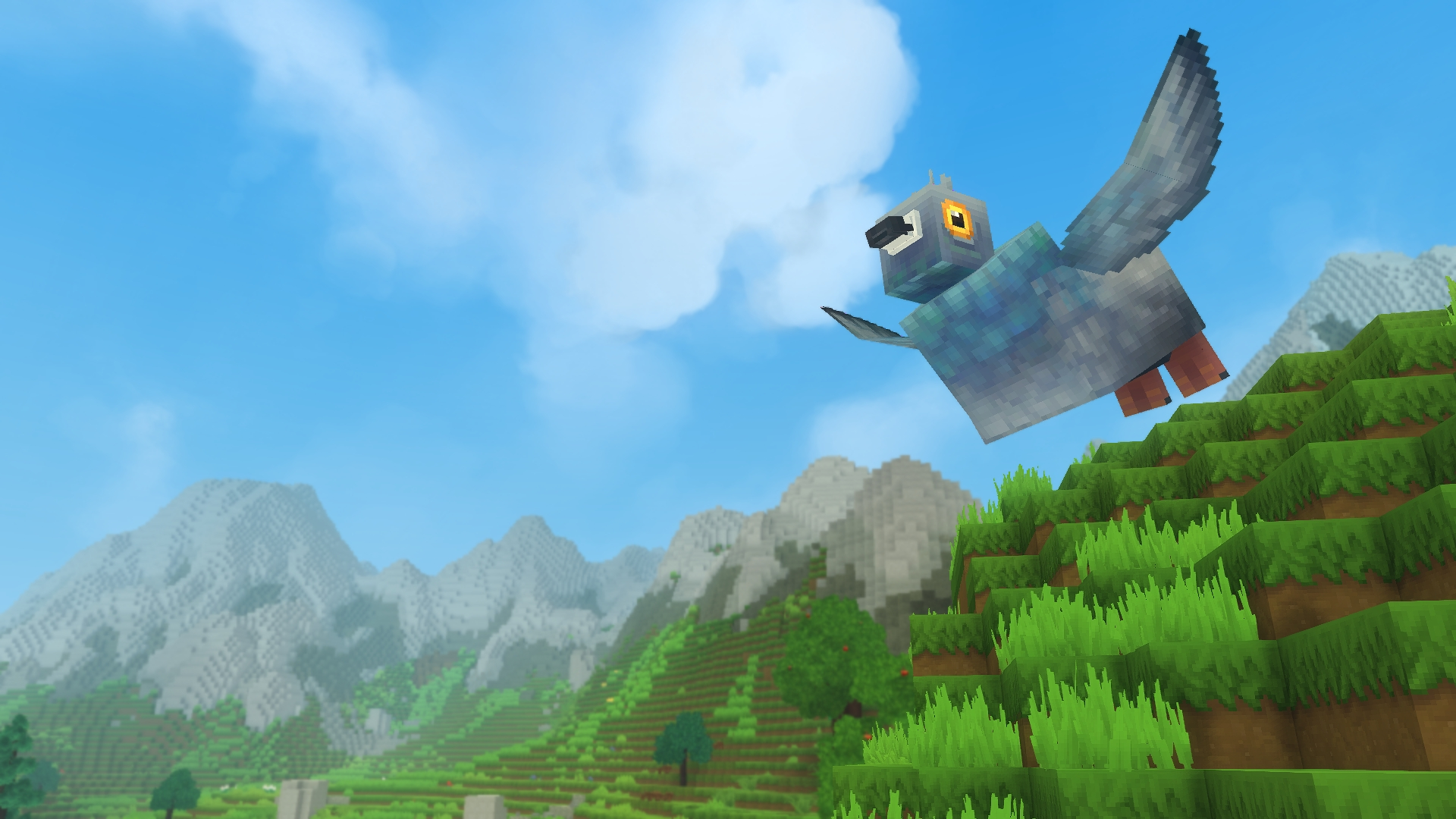
What is currently known
- Listed as a distinct zone internally
- Associated with a Lightning or storm-based theme
- Often theorized to involve floating islands or high-altitude terrain
Current status
Zone 5 is not playable yet, and all names and themes remain placeholders. Details may change significantly before release.
Zone 6 explained: Voidlands or Poisonlands (Void – placeholder)
Zone 6 is the most mysterious zone currently known.
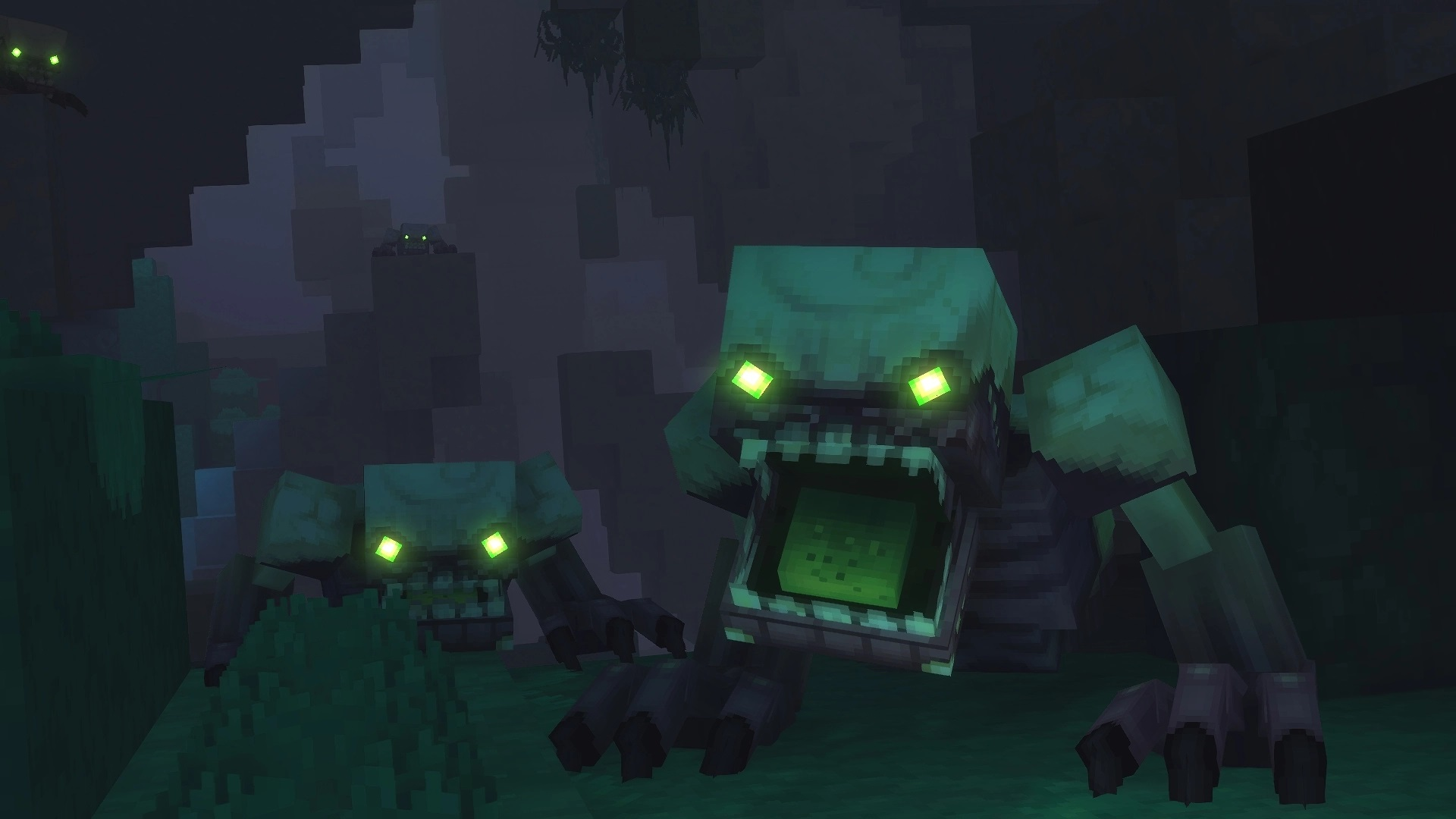
What is currently known
- Appears in internal zone listings
- Commonly associated with Void, corruption, or dark magic
- No confirmed biomes, enemies, or mechanics revealed publicly
What to expect
If implemented, Zone 6 is likely intended as an endgame or narrative-heavy region with unique mechanics far removed from standard survival zones.
Ocean zones explained
Oceans are not numbered like land zones, but they function as full regions with their own systems.
Ocean types
- Ocean shelf zones with shallow waters
- Coral reefs rich in life and resources
- Deep ocean areas with limited visibility and higher danger
Why oceans matter
Underwater exploration introduces different movement, combat challenges, and exclusive resources unavailable on land.
How zones shape progression
Zones control how fast difficulty ramps up and how players experience Orbis:
- Enemy strength scales by zone
- Loot rarity increases in later zones
- Structures and dungeons are zone-specific
- Underground environments reflect the zone above
Hytale’s zone system gives Orbis a clear sense of scale and progression. Each zone feels like a new chapter rather than just a new biome, pushing you to adapt your gear, strategy, and expectations as the world grows more dangerous. With Zone 5 and Zone 6 still waiting in the wings, the structure leaves plenty of room for future expansion.