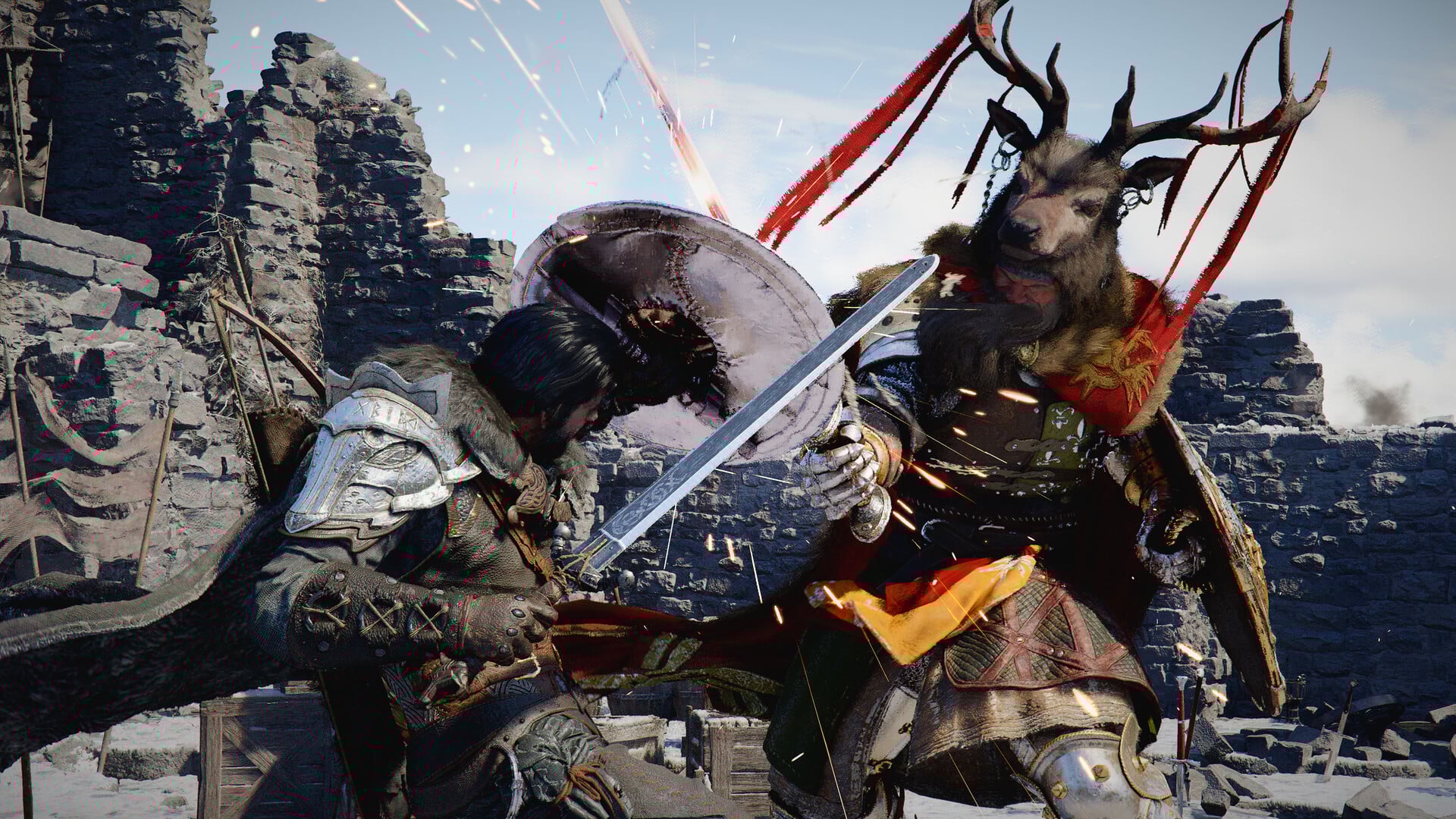
Borderlands 4 introduces six core damage types, each with unique effects against enemy health bars, enhancing your loot-shooter arsenal.
-
What to know
- Identifying enemy health bars and their vulnerabilities
- Borderlands 4 Damage Type Cheat-Sheet
- Elemental damage effectiveness against health types
- Applying damage types through weapons and abilities
- Using damage types effectively
- Status effects and damage over time mechanics
- Integrating damage types into your build and playstyle
- Mastering combat with elemental strategies
What to know
- Borderlands 4 features six elemental damage types: Kinetic (non-elemental), Incendiary, Shock, Corrosive, Cryo, and Radiation, each excelling against specific enemy defenses.
- Enemies have three health bar types—Flesh (red), Shield (blue), and Armor (yellow)—with elemental matchups providing bonuses or penalties based on difficulty.
- On Hard difficulty, elemental affinities matter more, boosting rewards like cash and loot quality while increasing enemy resistances and your damage output when matched correctly.
- Vault Hunters like Vex can attune to any element, while others specialize, allowing you to build around preferred damage types for maximum efficiency.
As you dive into the chaotic world of Kairos in Borderlands 4, understanding damage types becomes your key to survival and domination. These elements aren’t just flashy effects—they fundamentally alter how you approach combat, especially as enemies scale in tougher difficulties. You’ll find them on weapons from manufacturers like Maliwan, which always pack at least one elemental type, or Vladof for versatile underbarrel options. Let’s break it down so you can start optimizing your loadout right away.
Identifying enemy health bars and their vulnerabilities
Enemies in Borderlands 4 display colored health bars that reveal their weaknesses, helping you swap weapons on the fly. Flesh (red bar) represents organic enemies like humans or beasts, Shield (blue bar) protects tech-heavy foes from groups like the Order, and Armor (yellow bar) covers mechanical or heavily plated targets. No element makes an enemy fully immune, but matching the right one can amplify your damage significantly—up to super-effective bonuses—while mismatches apply penalties.
On easier difficulties, these affinities are less punishing, but Hard mode (recommended for your first playthrough) ramps up the importance, with enemies gaining resistances but dropping better loot when you exploit weaknesses. Kinetic damage serves as the neutral baseline at 100% effectiveness across all bars, making it reliable when you’re unsure. To spot these quickly, keep an eye on the HUD during fights; you’ll see the bar colors above enemy heads.
Borderlands 4 Damage Type Cheat-Sheet
| Enemy Type | Best Damage Types | Avoid Using |
|---|---|---|
| Shields (Blue) | Shock, Radiation | Incendiary, Corrosive |
| Armor (Yellow) | Corrosive, Cryo | Incendiary, Radiation |
| Health (Red) | Incendiary, Kinetic | Shock, Cryo |
Above is a quick Borderlands 4 Damage Type Cheat-Sheet you can keep handy while playing. It shows which damage types work best against different enemy defenses, and which ones to avoid.

Elemental damage effectiveness against health types
Each of the six elements interacts differently with Flesh, Shield, and Armor. Super-effective means boosted damage (often over 100%), neutral is standard, and weak applies a penalty (under 100%). This system encourages diverse builds, especially since Vault Hunters have elemental affinities in their skill trees—Vex, for instance, can match any weapon’s element for bonus synergy.
Here’s a breakdown in table form for quick reference:
| Damage Type | Flesh (Red Bar) | Shield (Blue Bar) | Armor (Yellow Bar) | Key Notes |
|---|---|---|---|---|
| Kinetic | 100% (Neutral) | 100% (Neutral) | 100% (Neutral) | Base physical damage; no status effects, ideal for all-purpose use without elements. |
| Incendiary | Super-effective | Neutral | Neutral | Deals fire DoT for 4 seconds; lights up organic foes, causing them to scream and burn. Weak on easier modes but shines on Hard. |
| Shock | Weak | Super-effective | Weak | Stuns shielded enemies and breaks shields faster; DoT lasts 2 seconds. Avoid on armored targets due to debuffs. |
| Corrosive | Neutral | Weak | Super-effective | Melts armor over 8 seconds with DoT; great for tanky mechanical enemies, but penalized against shields. |
| Cryo | Weak | Weak | Super-effective (with DoT) | Freezes and chills for slow/freeze effects; builds up to health loss over time on armor. No duration test due to stacking, but neutral on armor without penalty. |
| Radiation | Neutral | Neutral | Weak | Creates an irradiating aura that spreads AoE DoT for 4 seconds; irradiated enemies explode on death, chaining to groups. Excellent alternative to Shock for crowds. |
These values scale with difficulty—on Hard, bonuses can reach higher multipliers, while penalties hit harder, pushing you to carry a varied arsenal.
Applying damage types through weapons and abilities
You encounter elements primarily on guns, but they extend to underbarrels, alt-fire modes, grenades, and even Vault Hunter skills. Manufacturers play a big role: Maliwan weapons always include at least one element (like burn, freeze, or shock) and feature damage-over-time effects without the old charge mechanic. Vladof adds elemental underbarrels, such as Shock tasers or Incendiary flamethrowers. Newcomers like Order allow charging for multi-bullet bursts with elemental payloads, while Ripper guns charge before unleashing elemental fury.
For Vault Hunters, specialization ties into skill trees—Rafa excels in high-damage explosive builds, potentially with Incendiary affinity, while Vex summons spirits that attune to your weapon’s element for versatile output. Harlowe focuses on crowd control with abilities like area-of-effect novas on shield breaks, and Amon adds extra skills for elemental combos. To apply them effectively:
- Scan the enemy group: Note dominant health bar colors (e.g., blue for shielded Order troops).
- Select your weapon: Switch to a super-effective element—Maliwan Shock pistol for shields, or Corrosive SMG for armor.
- Proc the status: Fire to trigger DoTs or effects; for Radiation, aim for clusters to chain explosions.
- Follow up: Use alt-fire or underbarrels for bursts, like Vladof’s elemental flamethrower, and weave in Ordnance (cooldown-based grenades/heavies) for big hits.
- Build synergy: Invest skill points in elemental passives for bonuses, like increased DoT duration or nova explosions on status breaks.
Grapple throwables and barrels in the environment can also apply elements—look for color-coded ones (e.g., blue for Shock) to trigger zones that damage nearby foes, including yourself if you’re not careful.

Using damage types effectively
Here are tips to get the most out of these mechanics:
- Target the right weak spot first
If an enemy has a shield, use Shock. If it’s heavily armored, go Corrosive. Once shield/armor is down, you can switch to another element. - Check Vault Hunter affinities
Some characters have bonuses with certain damage types. It’s more efficient if your build uses damage types you’re favored with. - Carry multiple weapons/elements
Since different enemy types will resist or be weak to different stats, having backup weapons with different elemental types helps. - Use environment & status effects
Some damage types also bring status effects (burn, freeze, etc.), or area effects (radiation explosion, burning zones). Don’t just think raw damage, but utility. - Upgrade/gear synergy
If your gear (mods, class skills etc.) helps amplify certain elemental types, lean into those. A good synergy can make “weak” elements more viable.
Status effects and damage over time mechanics
Beyond raw damage, elements apply status effects that keep hurting after your shot lands. Incendiary ignites for burning DoT, Shock stuns and zaps, Corrosive eats away steadily, Cryo slows or freezes (building to shatter), and Radiation spreads an aura that explodes on kills. These DoTs vary in length—Corrosive at 8 seconds, Incendiary and Radiation at 4, Shock at 2—and can stack for more potency.
On death, some like Radiation cause chain reactions, making them ideal for mob control. Shields offer 15% resistance to specific elements by default, but breaking them exposes the underlying health bar. In endgame modes like Ultimate Vault Hunter, enemies gain modifiers like elemental resistances, so stacking multiple types via skill augments (e.g., elemental novas) becomes crucial. Always test procs in combat; elemental weapons add this on top of base damage without reducing the bullet’s impact.
Integrating damage types into your build and playstyle
Tailoring your gear around elements starts with filtering loot by type in the inventory—sort for Kinetic or specific elements like Cryo to build a dedicated set. Firmware (new gear pieces) provides bonuses, like +elemental damage on full sets, while enhancements boost alt-fires. For solo play, Vex’s attunement lets you adapt quickly, but in co-op, coordinate: one player strips shields with Shock, another melts armor with Corrosive.
Respeccing is free and easy at machines, previewing full stats including elemental outputs before committing. On Hard, this system rewards experimentation—carry one gun per matchup to handle mixed enemy waves. As you progress, watch for legendary drops with dual elements (e.g., Incendiary/Shock) for hybrid builds.
Mastering combat with elemental strategies
Wrapping up your elemental journey in Borderlands 4, remember that mastering these damage types turns chaotic firefights into calculated takedowns. Whether you’re gliding over battlefields or slamming foes with grapples, matching elements to health bars will skyrocket your efficiency, especially in endgame where every bonus counts. Experiment with manufacturer traits and Vault Hunter affinities to find your groove, and you’ll be vaporizing enemies across Kairos in no time. Stay badass, Vault Hunter.