The New York Times Connections puzzle challenges players to sort 16 seemingly unrelated words into four connected groups. Each group shares a hidden link. Today’s grid blends physical actions, clever rearrangements, and nostalgic references, making it both playful and slightly deceptive. Below you’ll find gentle hints to guide your thinking, followed by the complete solutions once you’re ready to check your work.
NYT Connections Puzzle Overview: 27 June 2026
Today’s grid rewarded players who looked beyond obvious associations. A few words appeared to fit multiple themes, while the purple category relied on noticing a shared ending rather than a direct meaning. It was a balanced puzzle with one straightforward group and a couple that demanded careful attention.
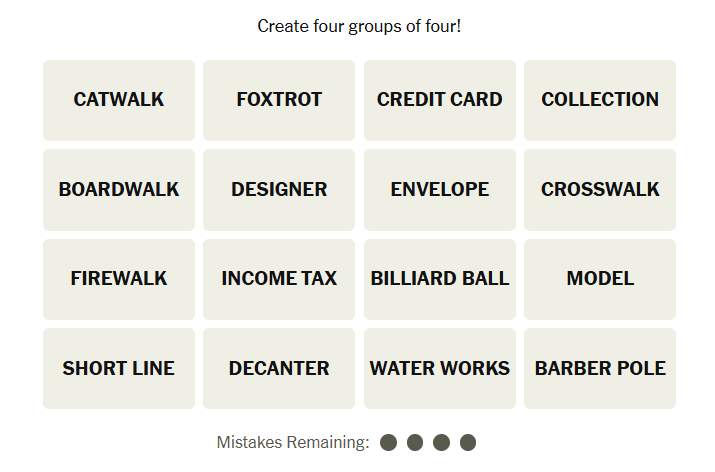
NYT Connections Hints: 27 June 2026
Category 1:
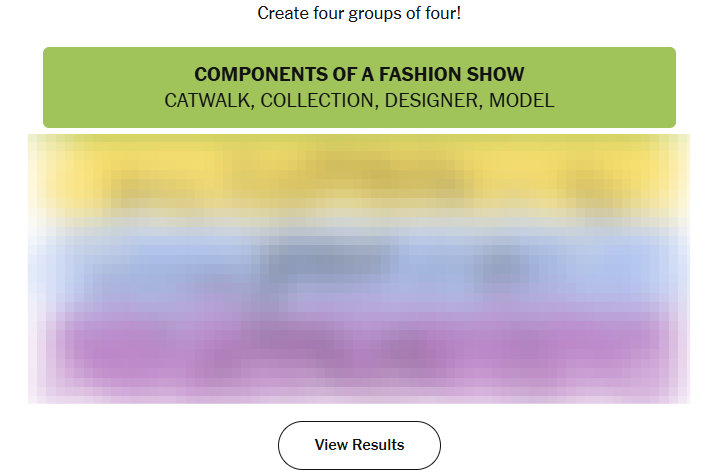
- Think about what appears during a major runway event.
- This group revolves around the fashion industry.
- It includes both people and creative work.
- Imagine the complete experience of a clothing showcase.
Category 2:
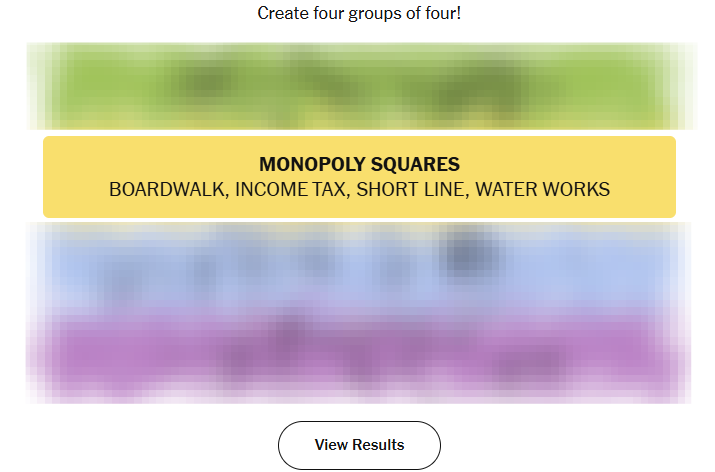
- These all belong to a classic board game.
- They are named spaces found on the game board.
- Some are properties, while others have special functions.
- Passing “Go” might help bring this category to mind.
Category 3:
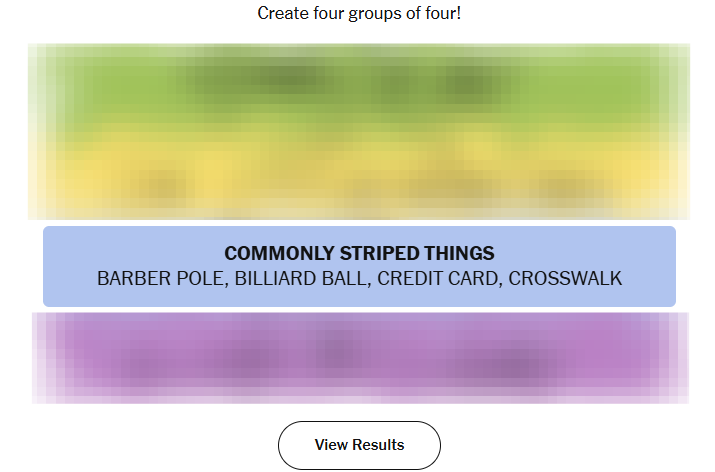
- Every item shares a similar visual pattern.
- The connection is based on appearance.
- Black-and-white lines are the key clue.
- Look for objects with alternating stripes.
Category 4:
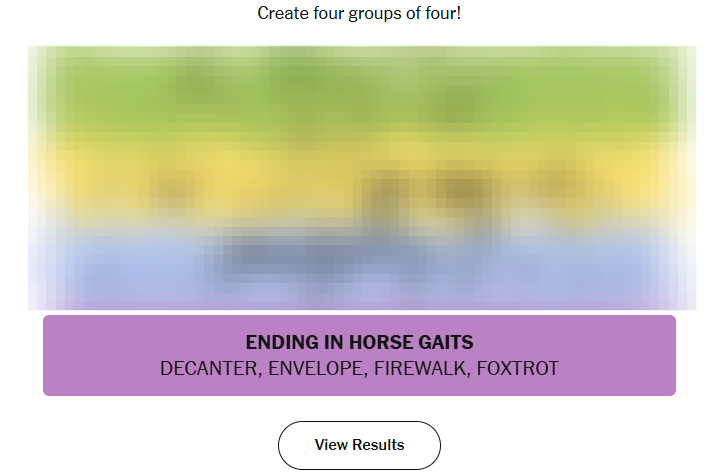
- Focus on how each word finishes.
- The ending is more important than the meaning.
- Horses provide the hidden connection.
- Think of famous riding movements.
NYT Connections Answers: 27 June 2026
Here are the answers, grouped by category.
Category 1:
Category 2:
Category 3:
Category 4:
Conclusion & Quick Strategy Tip
The 27 June 2026 Connections puzzle balances straightforward action words with trickier conceptual links, making it satisfying once everything clicks. Quick strategy tip: lock in obvious verb groups early, then examine remaining words for structural patterns or shared cultural references.