The Homestead system is one of the biggest additions introduced in Where Winds Meet Version 1.8, transforming part of the game into a village management and life-simulation experience. Instead of simply exploring the Jianghu, you’ll restore your childhood village of Blissful Retreat, recruit workers, operate businesses, grow crops, produce goods, fulfill procurement orders, and continuously expand your estate. The system also introduces its own progression, currencies, rewards, and quality-of-life features such as Homestead teleportation.
| Quick Overview | Details |
|---|---|
| Unlock Requirement | Version 1.8 Homestead questline |
| Main Location | Blissful Retreat, Qinghe |
| Core Loop | Produce → Procure → Progress |
| Businesses | Farming, Brewing, Inns, Porcelain Kilns, Trading |
| Workers | Recruit villagers to automate production |
| Main Currency | Homestead Currency |
| Main Rewards | Cosmetics, resources, Homestead Shop items |
| Fast Travel | Estate Teleport Points |
- Where is the Homestead located?
- How to unlock the Homestead
- How the Produce system works
- How to complete Procure requests
- How Progress works
- How to recruit workers
- How to earn Homestead currency
- How to use Teleport inside the Homestead
- Best progression strategy
- Homestead rewards
- Frequently asked questions
Where is the Homestead located?
Your Homestead is located in Blissful Retreat, a ruined village in Qinghe that serves as your childhood home. After arriving through the Version 1.8 storyline, you’ll begin rebuilding the settlement piece by piece.
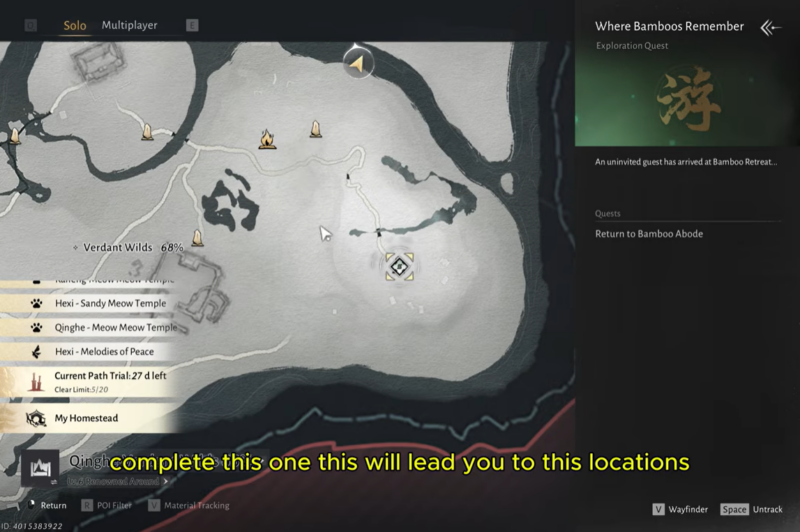
As construction progresses, additional buildings, production chains, workers, and services become available. Future updates also expand the decoration and social-sharing aspects of the Homestead.
How to unlock the Homestead
Step 1
Update the game to Version 1.8 “Companions Make Home.”
Step 2
Continue the new main quest until you’re summoned back to Blissful Retreat in Qinghe.
Step 3
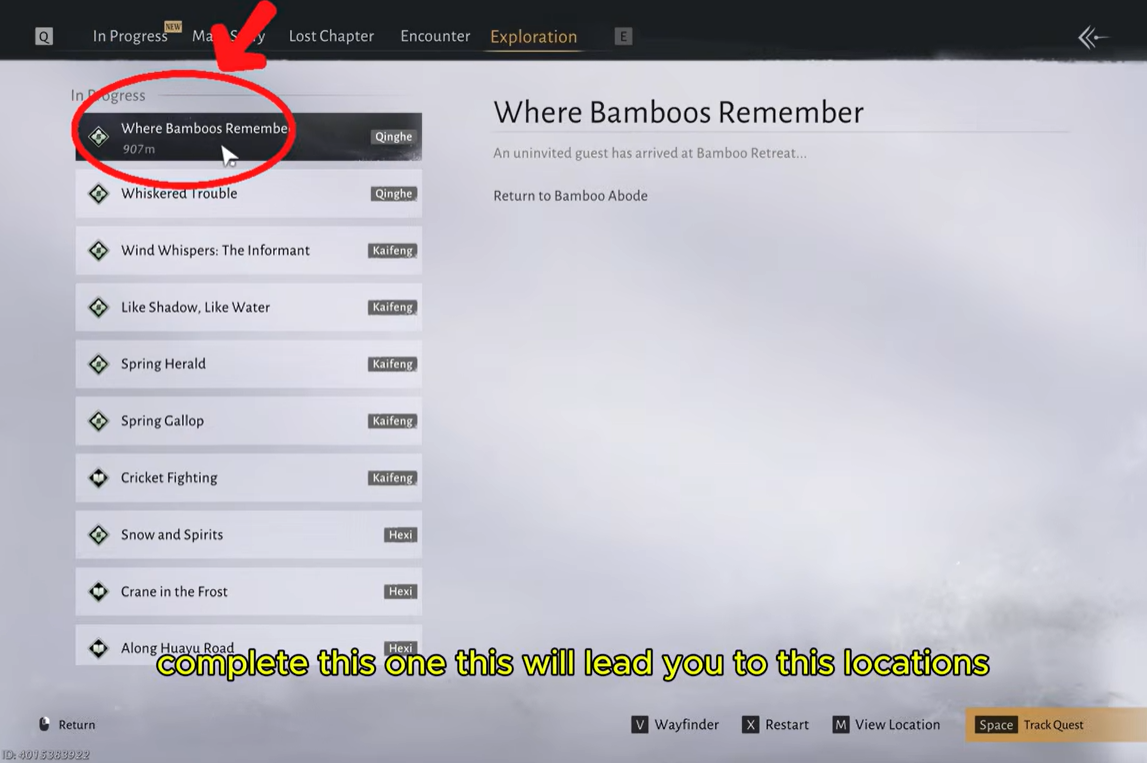
Complete the introductory Homestead quest “Where Bamboos Remember”, which explains rebuilding the village.
Step 4
Repair the initial buildings using the provided materials.
Step 5
Recruit your first estate worker.
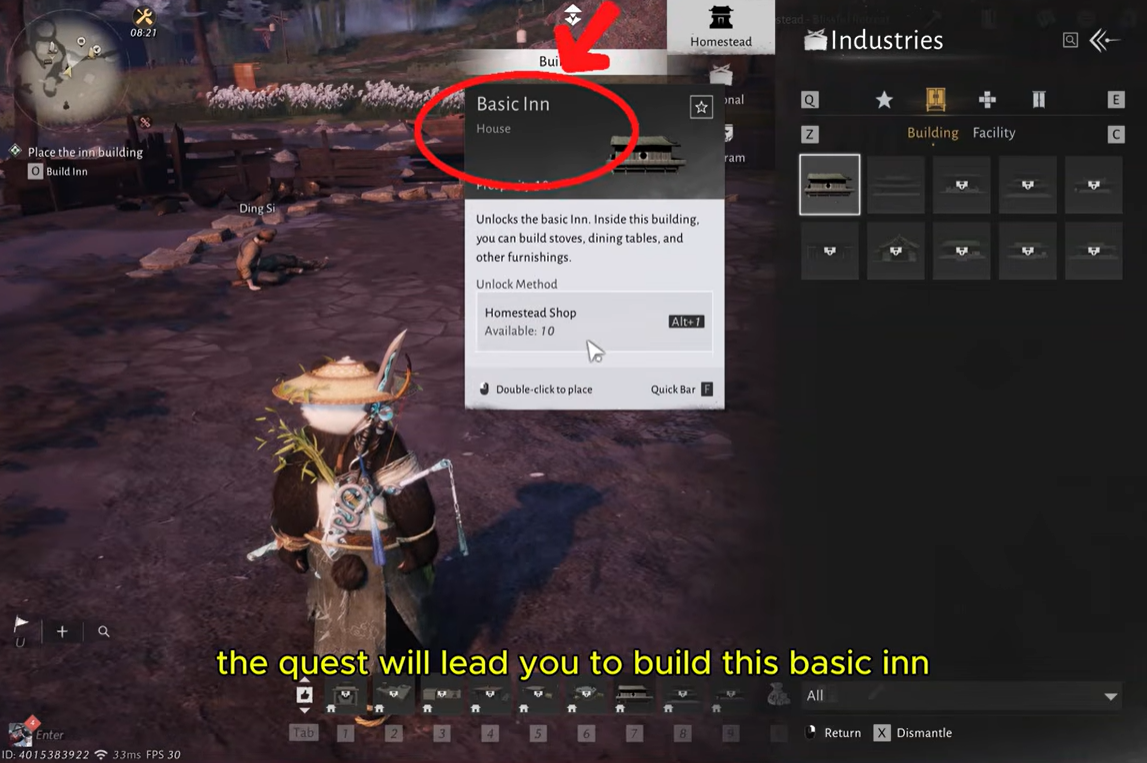
Once these objectives are finished, the Homestead becomes permanently available and can be revisited whenever you wish.
How the Produce system works
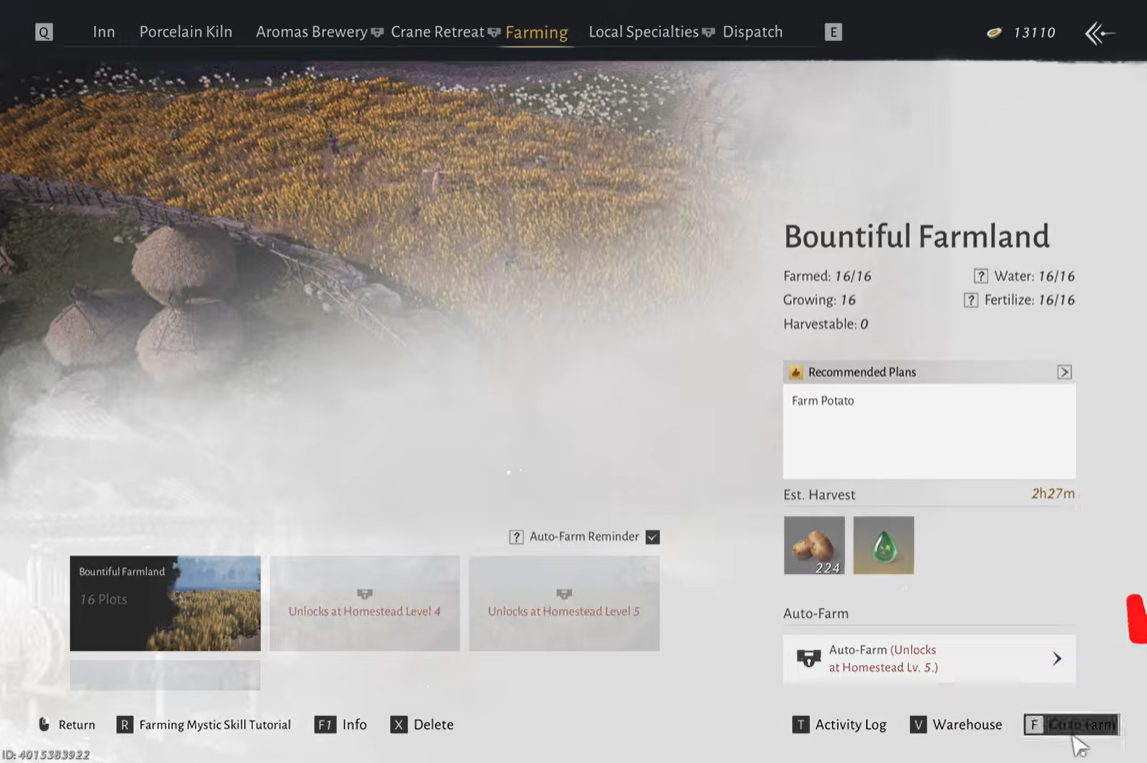
Production is the foundation of your Homestead economy. Every workshop specializes in creating different resources, and many later businesses depend on earlier production chains.
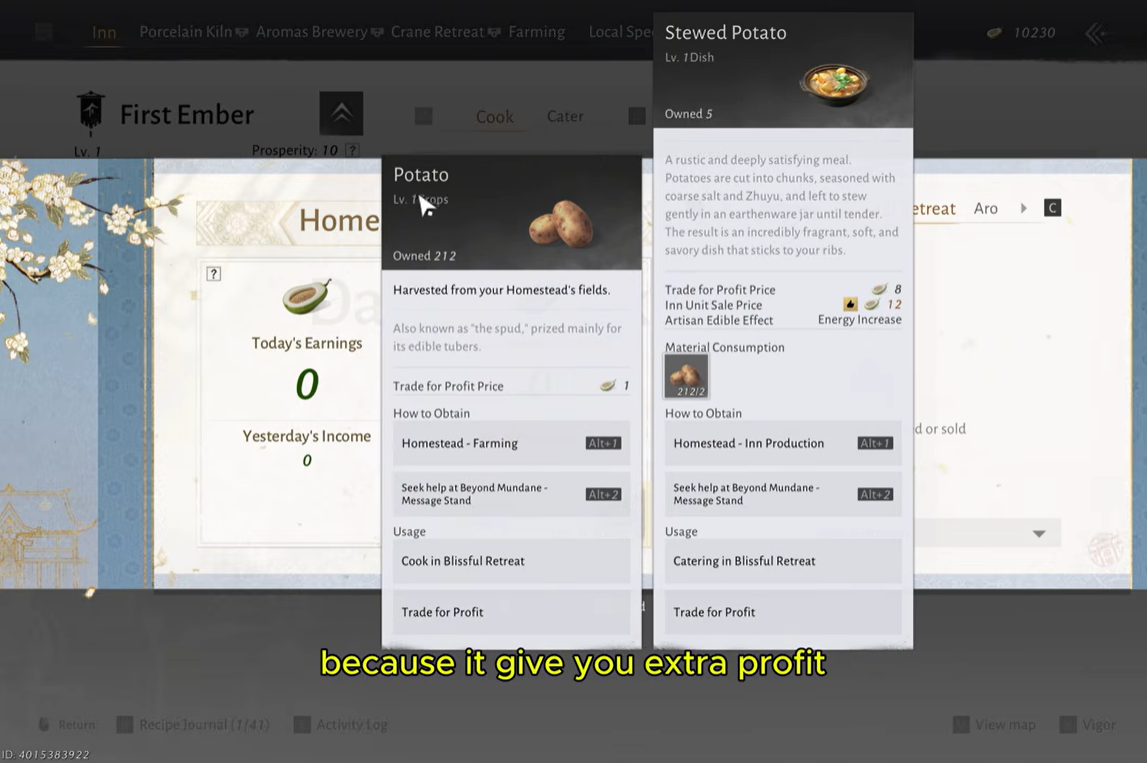
Early production focuses on gathering basic materials before converting them into higher-value products. As your village expands, more industries become available.
| Production Type | Purpose |
|---|---|
| Farming | Produce crops and ingredients |
| Brewing | Create beverages |
| Porcelain Kilns | Manufacture ceramics |
| Inns | Generate business income |
| Trading | Exchange products for rewards |
Instead of producing everything yourself, you can assign villagers to handle much of the workload automatically. Better workers and upgraded facilities improve efficiency and output over time.
How to complete Procure requests
Procurement serves as the Homestead’s delivery and commerce system.
NPCs periodically request specific goods that you’ve produced. Completing these requests rewards Homestead currency, progression points, and additional materials.
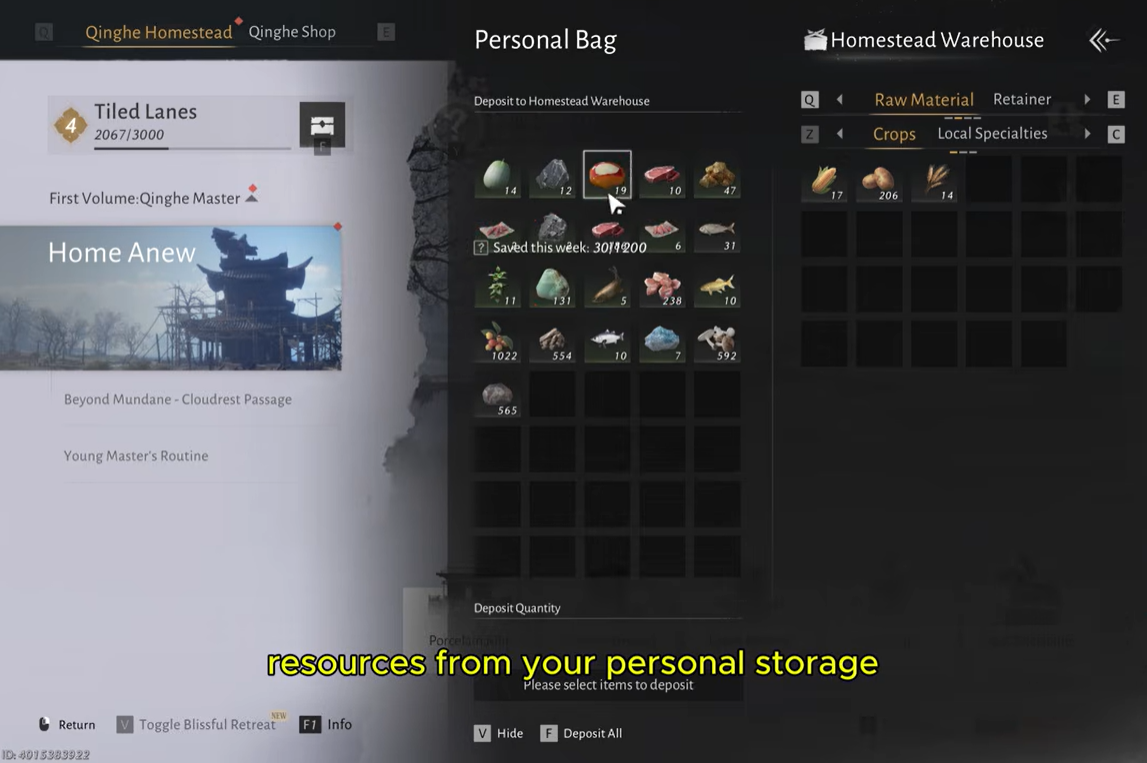
The general workflow is straightforward:
- Accept a procurement request.
- Produce or collect the required items.
- Deliver the requested quantity.
- Receive Homestead rewards.
- Unlock larger and more valuable orders as your estate develops.
As your production chain improves, procurement becomes one of the most reliable sources of Homestead progression.
How Progress works
Progress represents your overall estate development.
Every meaningful Homestead activity contributes toward increasing your estate level.
These activities include:
| Activity | Progress Gained |
|---|---|
| Constructing buildings | High |
| Recruiting workers | Medium |
| Completing procurement orders | Medium |
| Producing goods | Small |
| Expanding businesses | High |
Higher progression unlocks additional buildings, production capacity, village features, and better economic opportunities.
Rather than rushing every upgrade immediately, it’s generally more efficient to maintain steady production while reinvesting your earnings into infrastructure upgrades.
How to recruit workers
Workers are one of the most important parts of the Homestead.
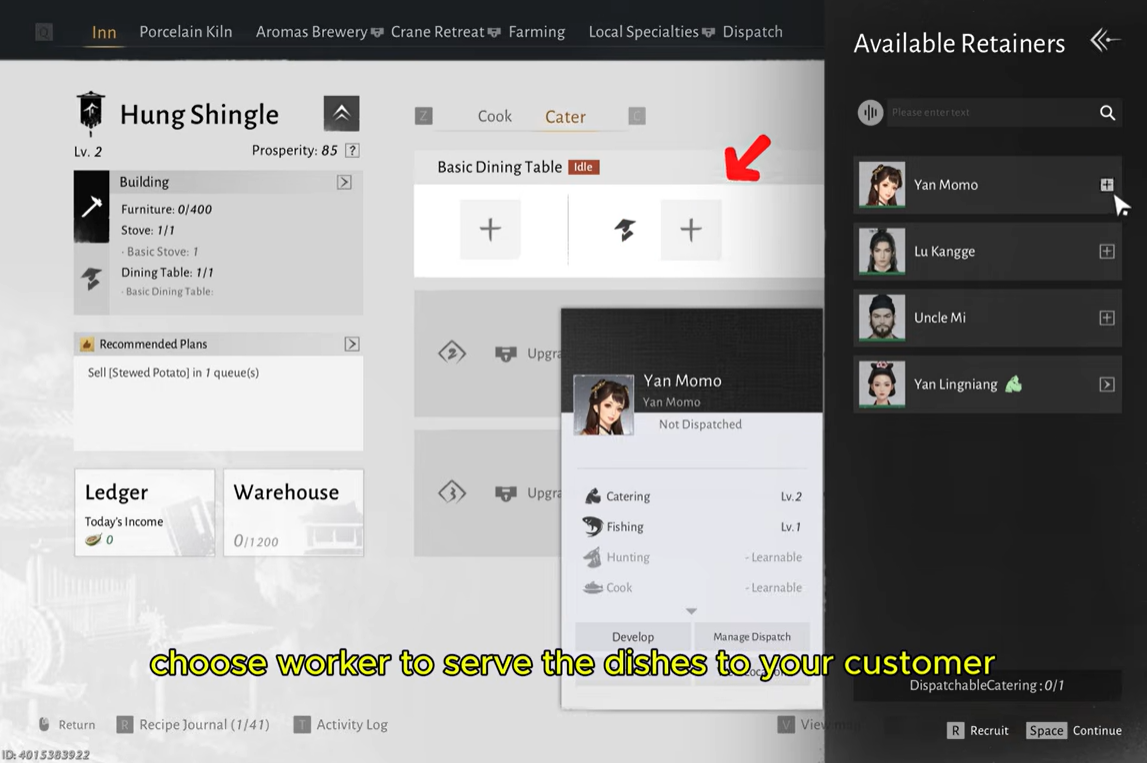
Instead of manually managing every task, recruited villagers automatically operate workshops and businesses.
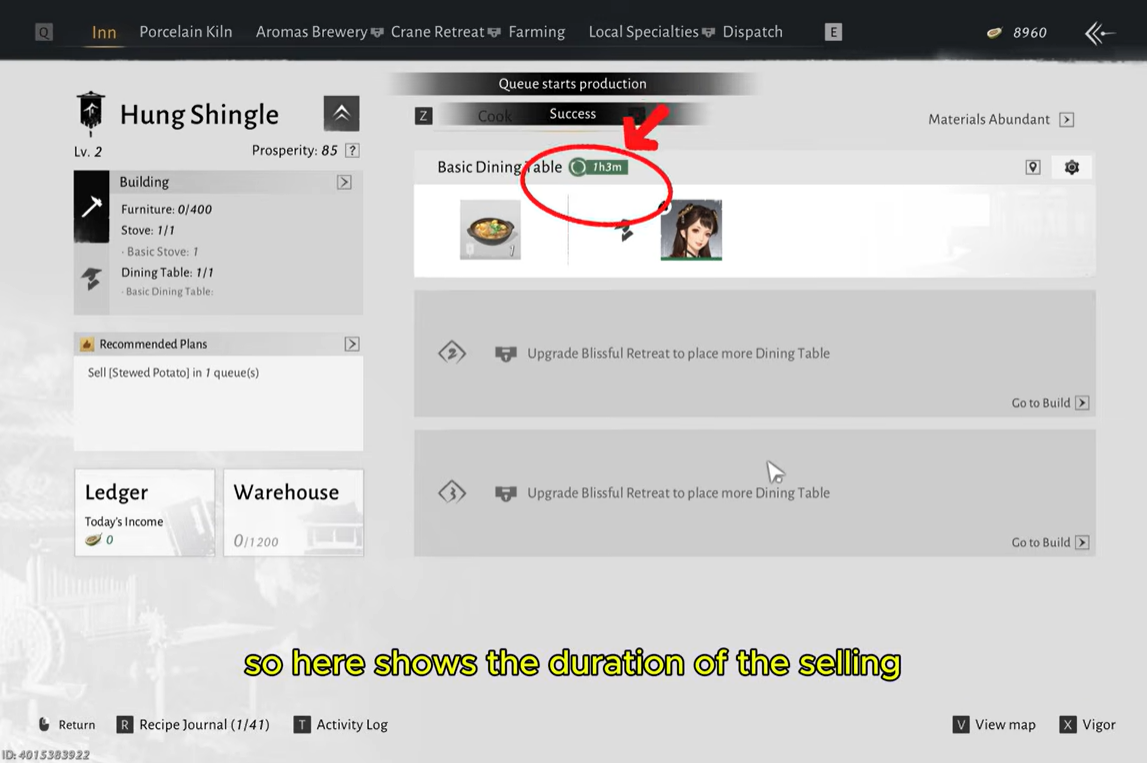
Each worker contributes toward faster production, better efficiency, reduced idle time, and higher profits.
As your estate expands, managing workers becomes increasingly important because multiple businesses can operate simultaneously.
How to earn Homestead currency
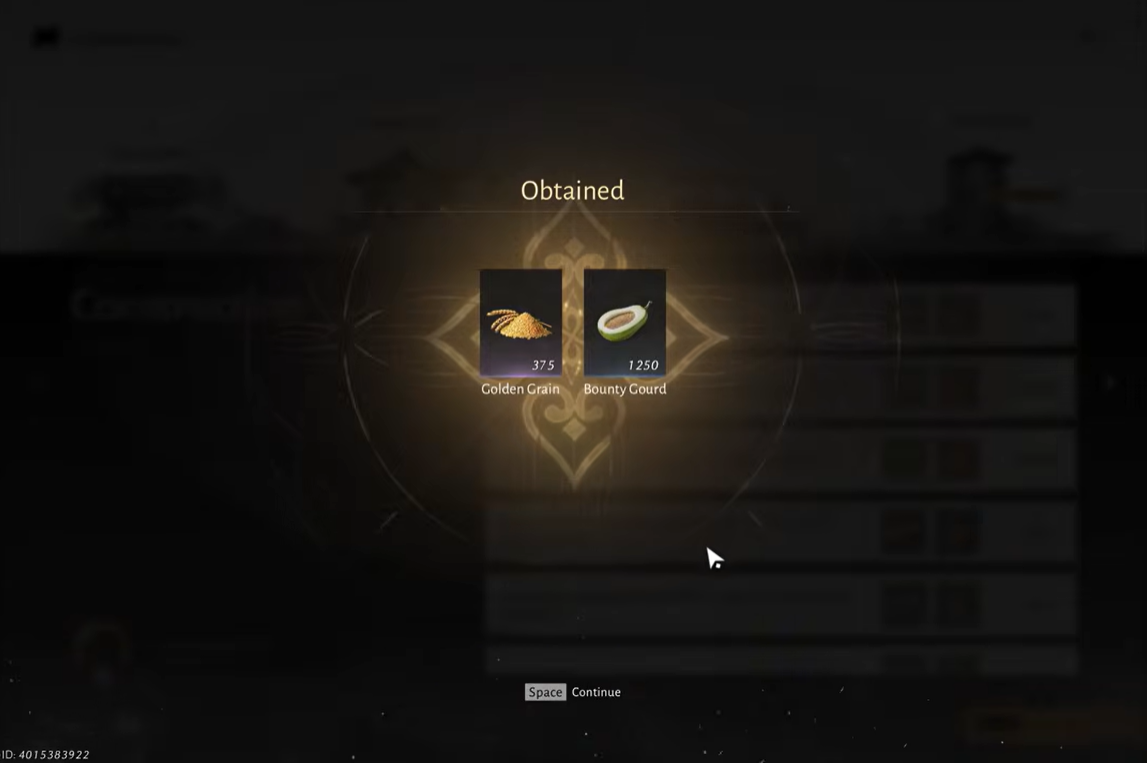
The exclusive Homestead currency is the Golden Grain. It is earned by participating in nearly every estate activity.
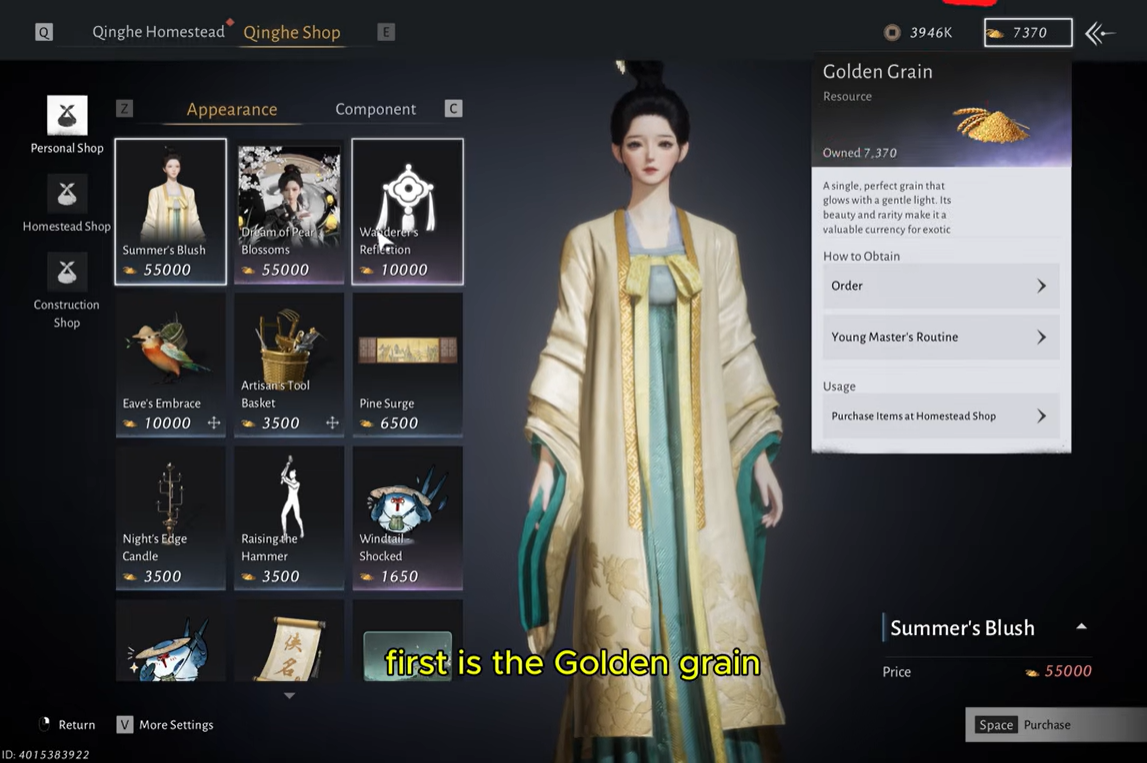
Common sources include:
| Source | Reward |
|---|---|
| Production | Currency |
| Procurement | Currency + materials |
| Village upgrades | Progress rewards |
| Estate management | Additional currency |
This currency can be exchanged in the Homestead Shop for numerous rewards, including the Summer’s Blush outfit and other free items introduced alongside Version 1.8.
How to use Teleport inside the Homestead
As your Homestead grows, walking between every production area becomes increasingly time-consuming.
The game addresses this by unlocking teleport locations around the estate.
Step 1
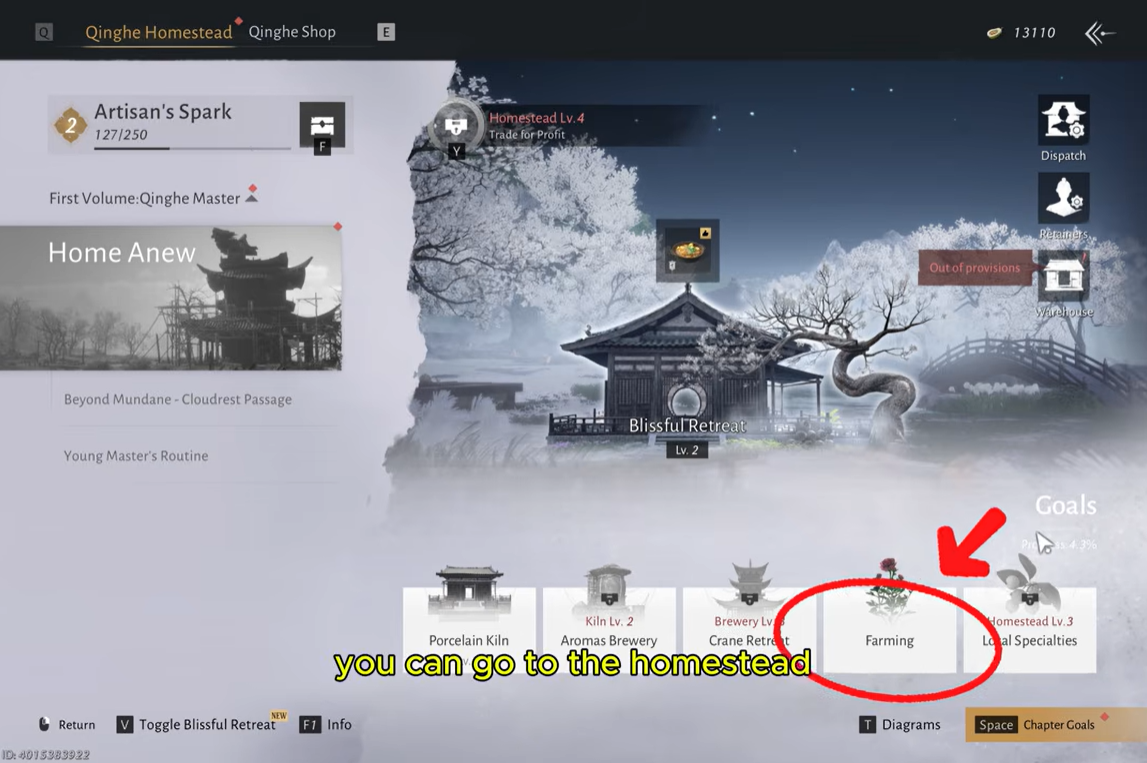
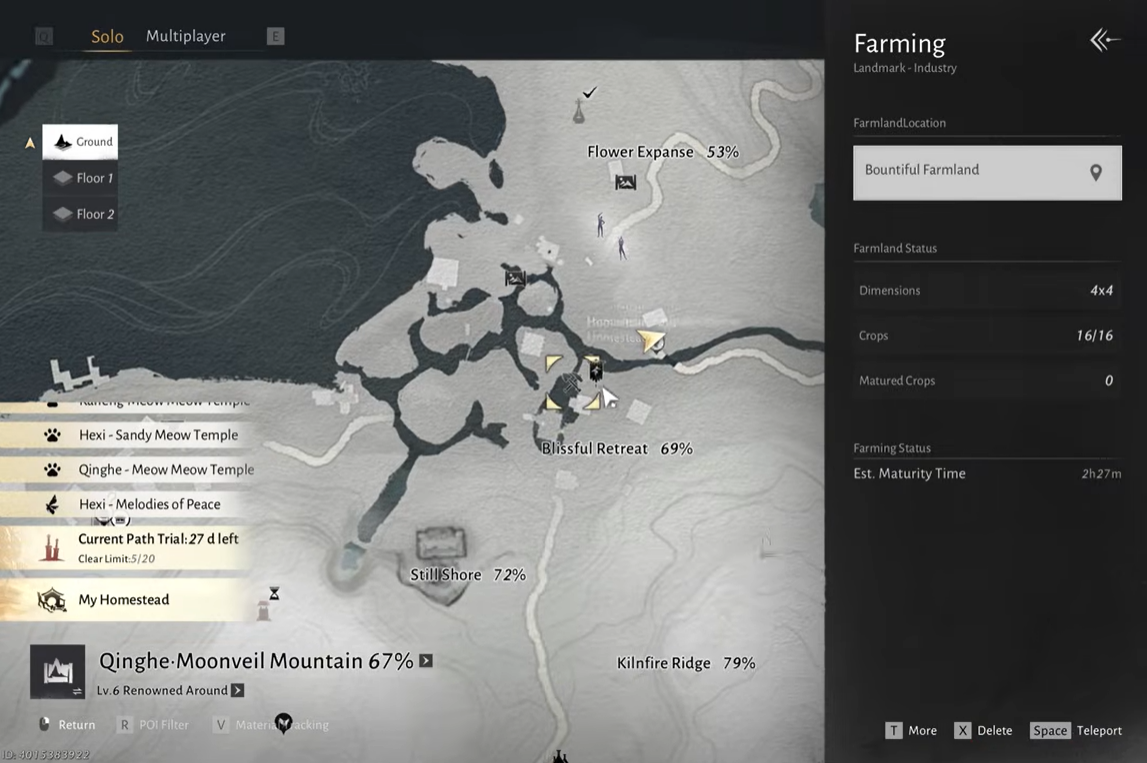
Open the Homestead map.
Step 2
Select an unlocked teleport marker.
Step 3
Confirm travel.
Step 4
Instantly arrive at the selected section of your village.
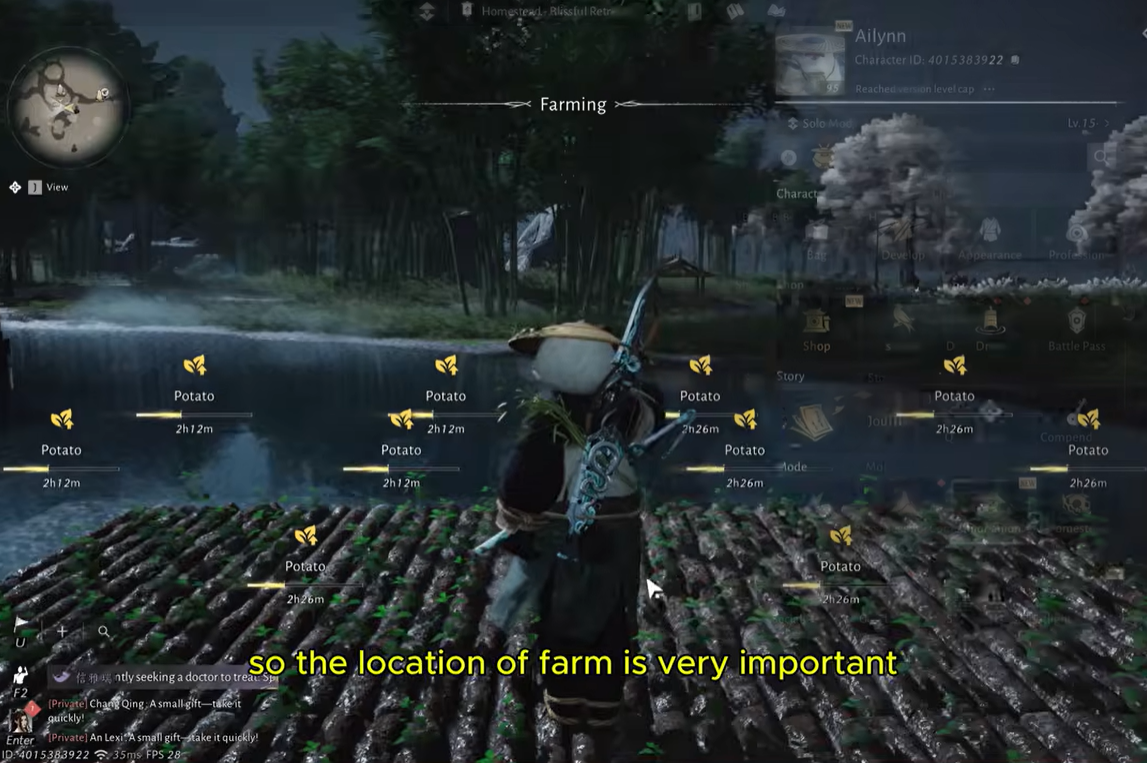
These teleport points make it much easier to collect goods, manage workers, accept procurement requests, and oversee multiple businesses without running across the entire settlement repeatedly.
Best progression strategy
New players should focus on establishing a stable production chain before expanding aggressively.
A practical order is:
| Priority | Objective |
|---|---|
| 1 | Finish Homestead tutorial |
| 2 | Unlock farming |
| 3 | Recruit workers |
| 4 | Upgrade production buildings |
| 5 | Complete procurement requests regularly |
| 6 | Expand into inns, brewing, and porcelain |
| 7 | Spend Homestead currency on valuable rewards |
Following this cycle keeps materials flowing consistently while unlocking higher-tier estate content as quickly as possible.
Homestead rewards
| Activity | Rewards |
|---|---|
| Production | Materials, Currency |
| Procurement | Currency, Estate Progress |
| Building Upgrades | New Facilities |
| Worker Recruitment | Increased Production |
| Estate Progress | Additional Businesses |
| Homestead Shop | Cosmetics, Outfit, Resources |
Frequently asked questions
Can you automate production?
Yes. Recruiting villagers allows many production tasks to run automatically, making estate management much more efficient.
Is the Homestead permanent?
Yes. Once unlocked, the Homestead becomes a permanent gameplay feature rather than a limited-time event.
What is the fastest way to level the Homestead?
Maintain continuous production, complete procurement orders whenever available, recruit workers early, and prioritize building upgrades over cosmetic purchases.
What can Homestead currency buy?
Homestead currency is used in the Homestead Shop for free rewards, including exclusive cosmetics such as the Summer’s Blush outfit, along with other progression items.
Does the Homestead receive future updates?
Yes. Version 1.8 launches the core management systems, while additional residence customization and social-sharing features are scheduled to roll out in later updates.
The Homestead adds a relaxing but rewarding management layer to Where Winds Meet. By focusing on the Produce → Procure → Progress gameplay loop, recruiting workers early, upgrading businesses consistently, and using teleport points to manage your village efficiently, you’ll steadily transform the ruined Blissful Retreat into a prosperous estate while earning exclusive currencies, cosmetics, and long-term progression rewards.