The New York Times Connections puzzle challenges players to sort 16 seemingly unrelated words into four connected groups. Each group shares a hidden link. Today’s grid blends physical actions, clever rearrangements, and nostalgic references, making it both playful and slightly deceptive. Below you’ll find gentle hints to guide your thinking, followed by the complete solutions once you’re ready to check your work.
NYT Connections Puzzle Overview: 13 June 2026
Today’s puzzle offered a balanced challenge with categories that ranged from straightforward object groupings to more thematic connections involving movies and music. Many players likely found one or two groups quickly before needing extra thought to separate the remaining words. The final category, in particular, rewarded familiarity with well-known film titles.
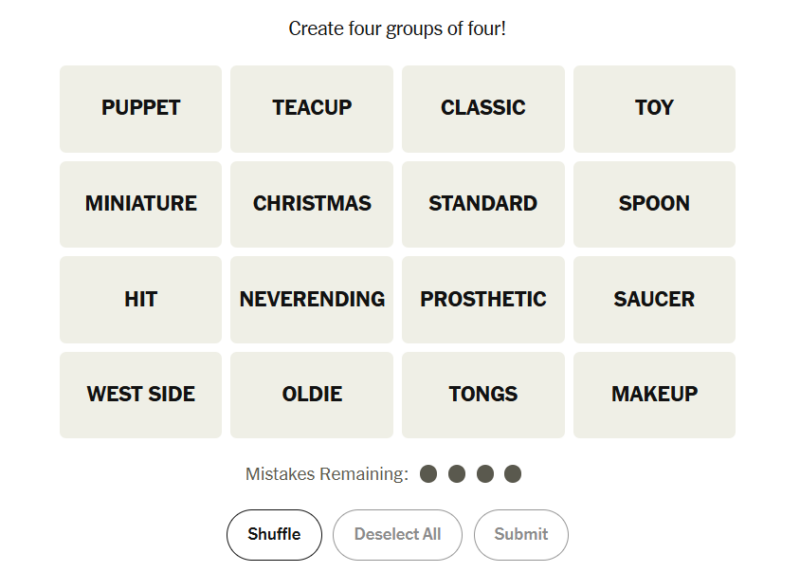
NYT Connections Hints: 13 June 2026
Category 1:
- Think about items commonly arranged together during a formal hot beverage service.
- You might find all of these on a serving tray.
- They help prepare, serve, or accompany tea.
- This category is centered on tableware.
Category 2:
- These words can describe a song that remains popular over time.
- Radio stations often celebrate this type of music.
- The connection is musical rather than technical.
- Think of tracks that stand the test of time.
Category 3:
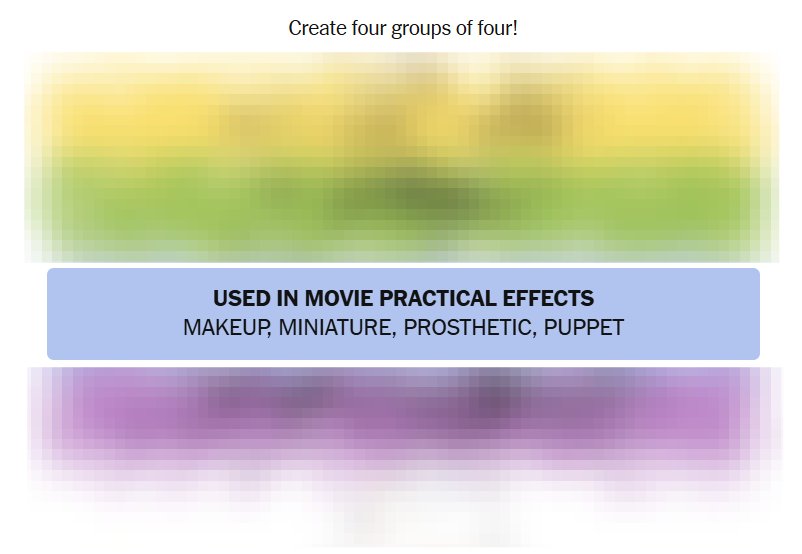
- These are tools or techniques used to create cinematic illusions.
- They often appear behind the scenes during filmmaking.
- Not everything on screen is computer-generated.
- Practical movie magic is the key.
Category 4:
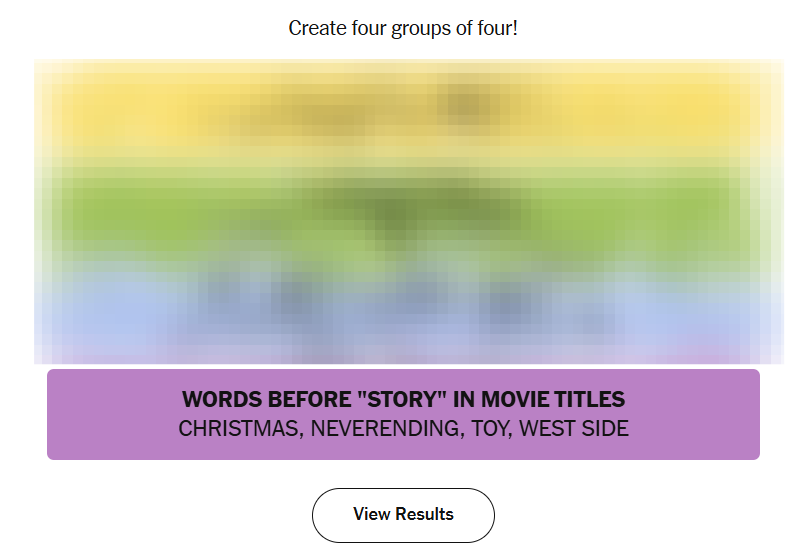
- Each word can be paired with the same word to form a famous movie title.
- The shared word appears after each of them.
- Several of the resulting titles are widely recognized classics.
- Think about iconic films.
NYT Connections Answers: 13 June 2026
Here are the answers, grouped by category.
Category 1:
Category 2:
Category 3:
Category 4:
Conclusion & Quick Strategy Tip
The 13 June 2026 Connections puzzle balances straightforward action words with trickier conceptual links, making it satisfying once everything clicks. Quick strategy tip: lock in obvious verb groups early, then examine remaining words for structural patterns or shared cultural references.