The New York Times Connections puzzle challenges players to sort 16 seemingly unrelated words into four connected groups. Each group shares a hidden link. Today’s grid blends physical actions, clever rearrangements, and nostalgic references, making it both playful and slightly deceptive. Below you’ll find gentle hints to guide your thinking, followed by the complete solutions once you’re ready to check your work.
NYT Connections Puzzle Overview: 09 June 2026
Today’s grid offered a balanced mix of literal and figurative associations. Several words seemed capable of fitting into multiple groups, making the puzzle slightly deceptive at first glance. Solvers who focused on broader themes rather than individual definitions likely found the categories more quickly as the board began to take shape.
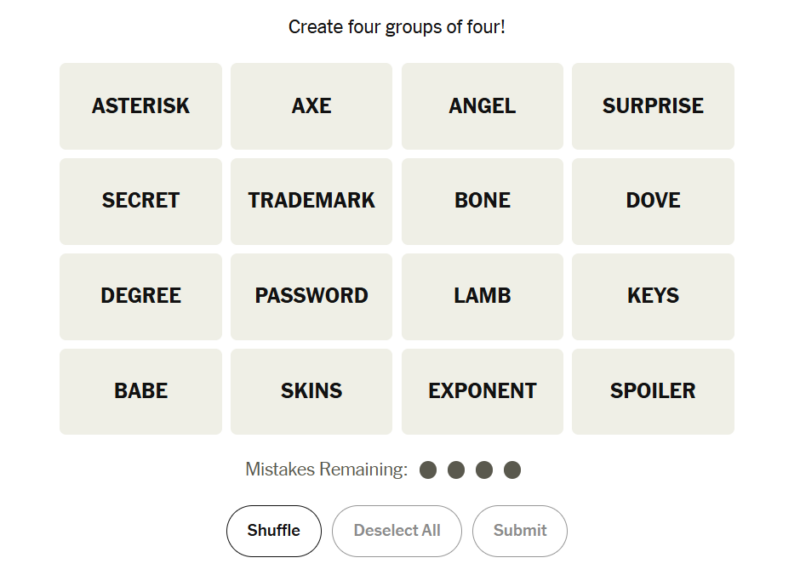
NYT Connections Hints: 09 June 2026
Category 1:
- Think of figures often associated with purity and gentleness.
- These are commonly used in stories and symbolism.
- Several have strong religious or cultural associations.
- They are often connected with innocence.
Category 2:
- These are things people usually keep to themselves.
- Revealing them can spoil an experience or create problems.
- One is frequently used for account security.
- Another is often discussed before movie releases.
Category 3:
- Look at how certain symbols or markings appear in writing.
- These items are commonly displayed above normal text.
- Some are found in mathematics.
- Others are used in branding and typography.
Category 4:
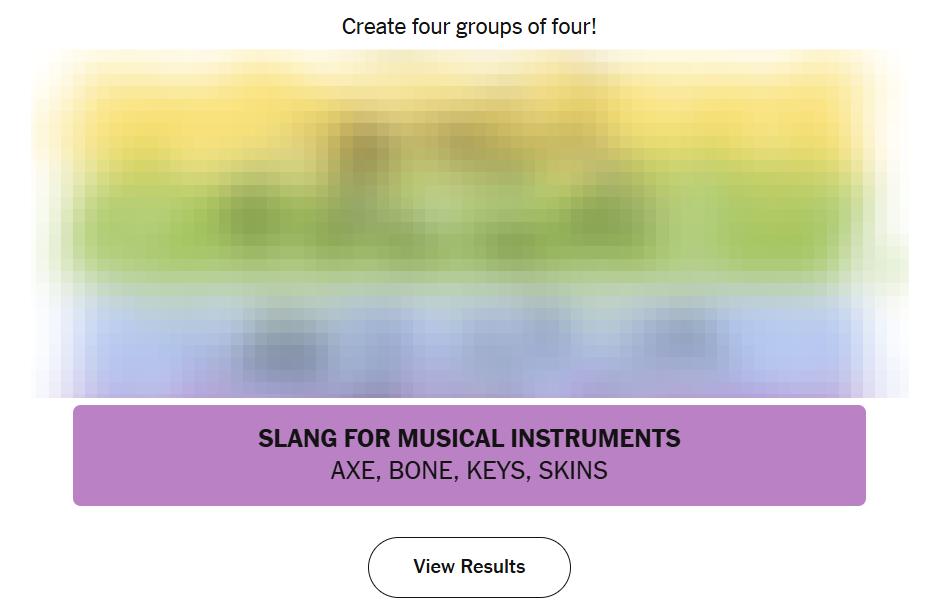
- This category relates to music.
- The words are informal nicknames.
- Musicians commonly use these terms in conversation.
- Each word refers to a different instrument.
NYT Connections Answers: 09 June 2026
Here are the answers, grouped by category.
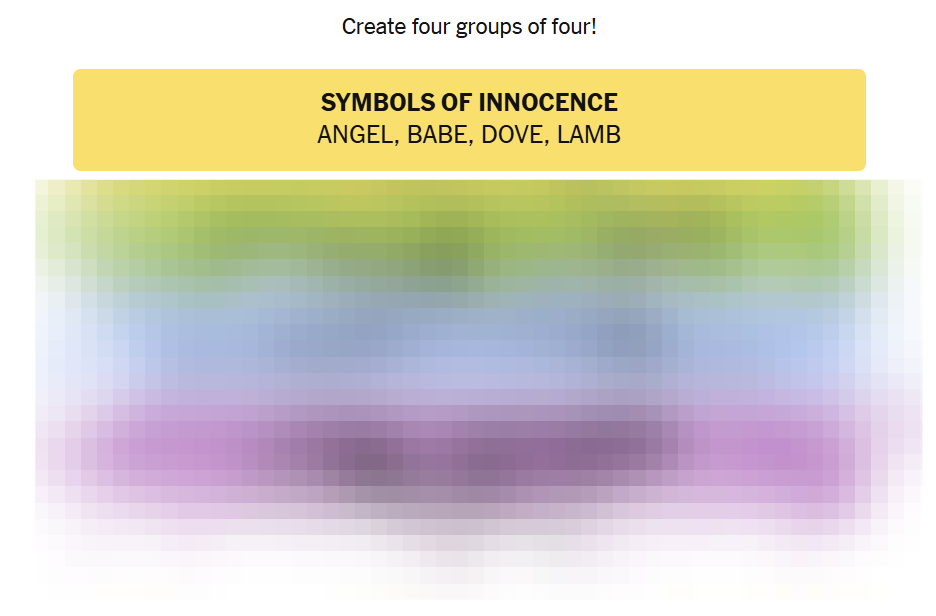
Category 1:
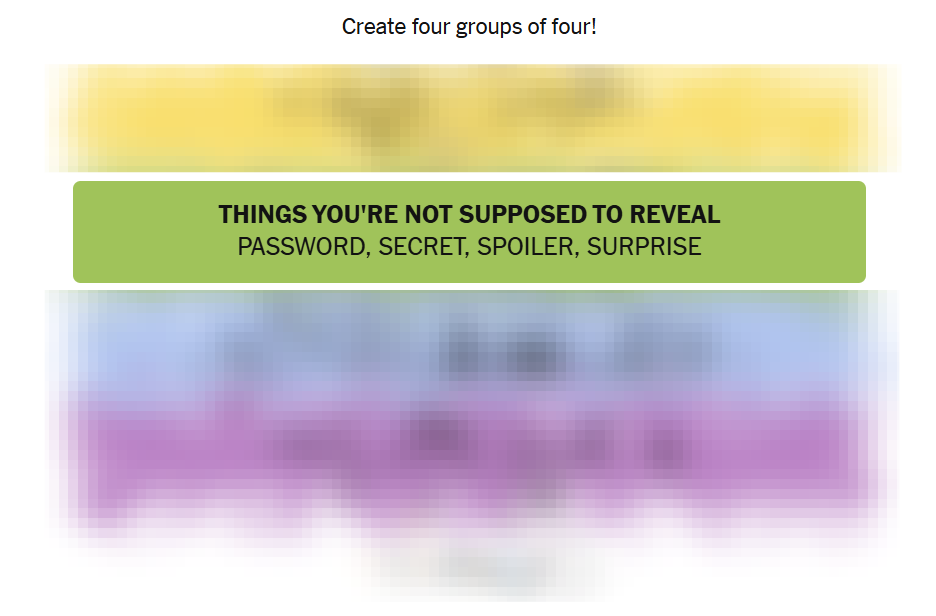
Category 2:
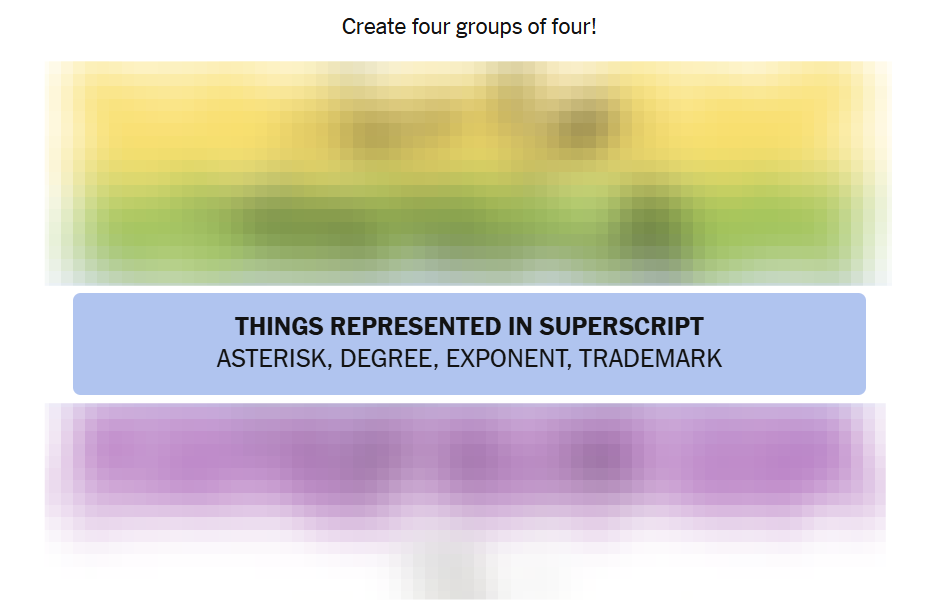
Category 3:
Category 4:
Conclusion & Quick Strategy Tip
The 09 June 2026 Connections puzzle balances straightforward action words with trickier conceptual links, making it satisfying once everything clicks. Quick strategy tip: lock in obvious verb groups early, then examine remaining words for structural patterns or shared cultural references.