If you’re hooked on the daily NYT Strands puzzle, you’re not alone. It’s a fresh word game from the New York Times that combines elements of a word search with clever, theme-based twists.
24 May 2026 NYT Strands Theme: “Turn, Turn, Turn”
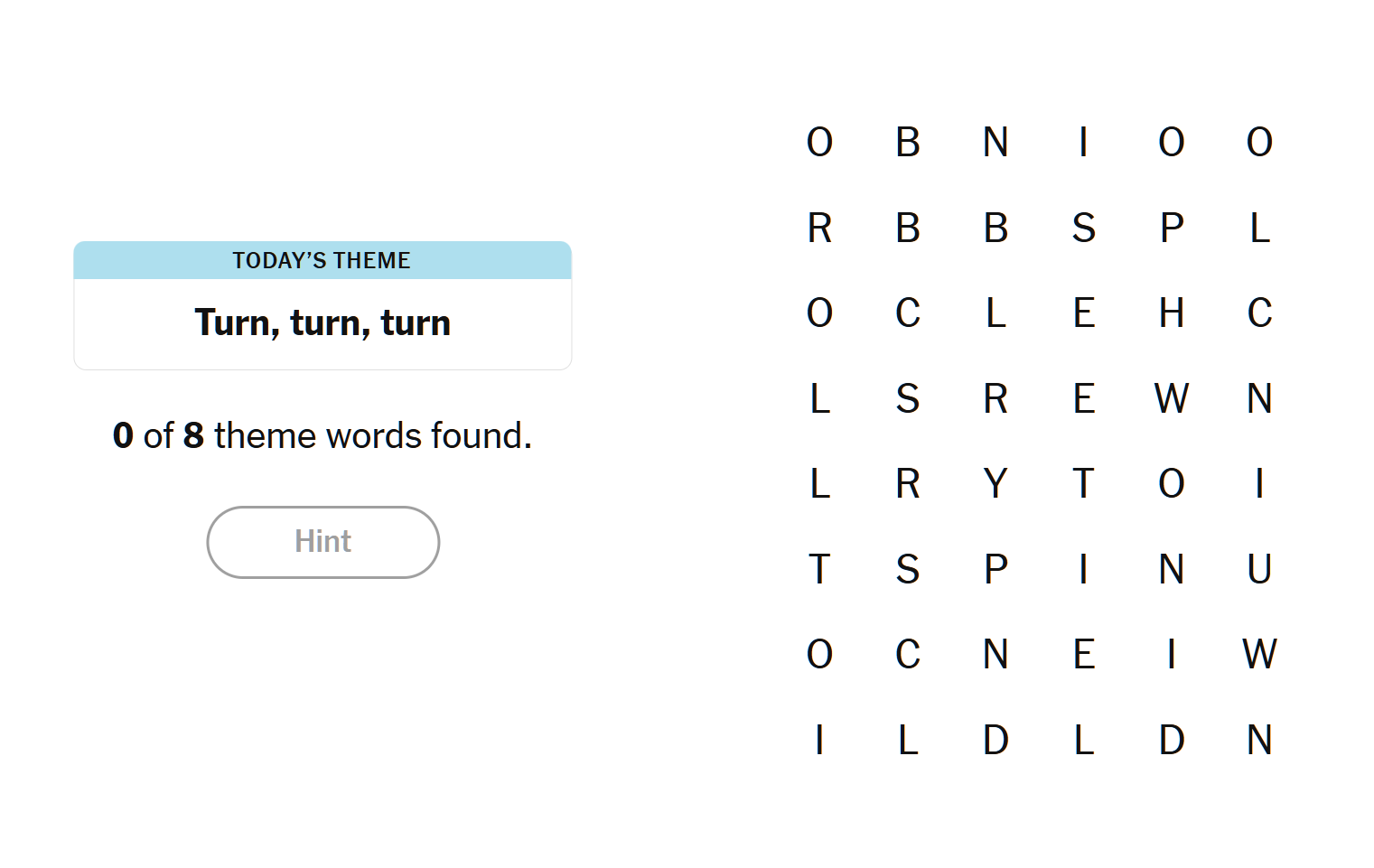
Today’s Strands puzzle leaned into the idea of things that turn, wind, and wrap. The answers all connect to coiled objects, making the theme feel tight and consistent once the first few words are found. The puzzle is approachable, but the longer answers can still slow you down if you miss the pattern early.
24 May 2026 NYT Strands Hints
-
Think about things that wrap around a center.
-
Several answers are objects used to hold or guide wire, thread, or rope.
-
Look for words connected to rotation, rolling, or tension.
-
One answer is the spangram and describes the overall theme very directly.
-
Short answers may appear before the longer, more technical ones.
-
The theme is all about winding something up or letting it out.
24 May 2026 NYT Strands Answers
-
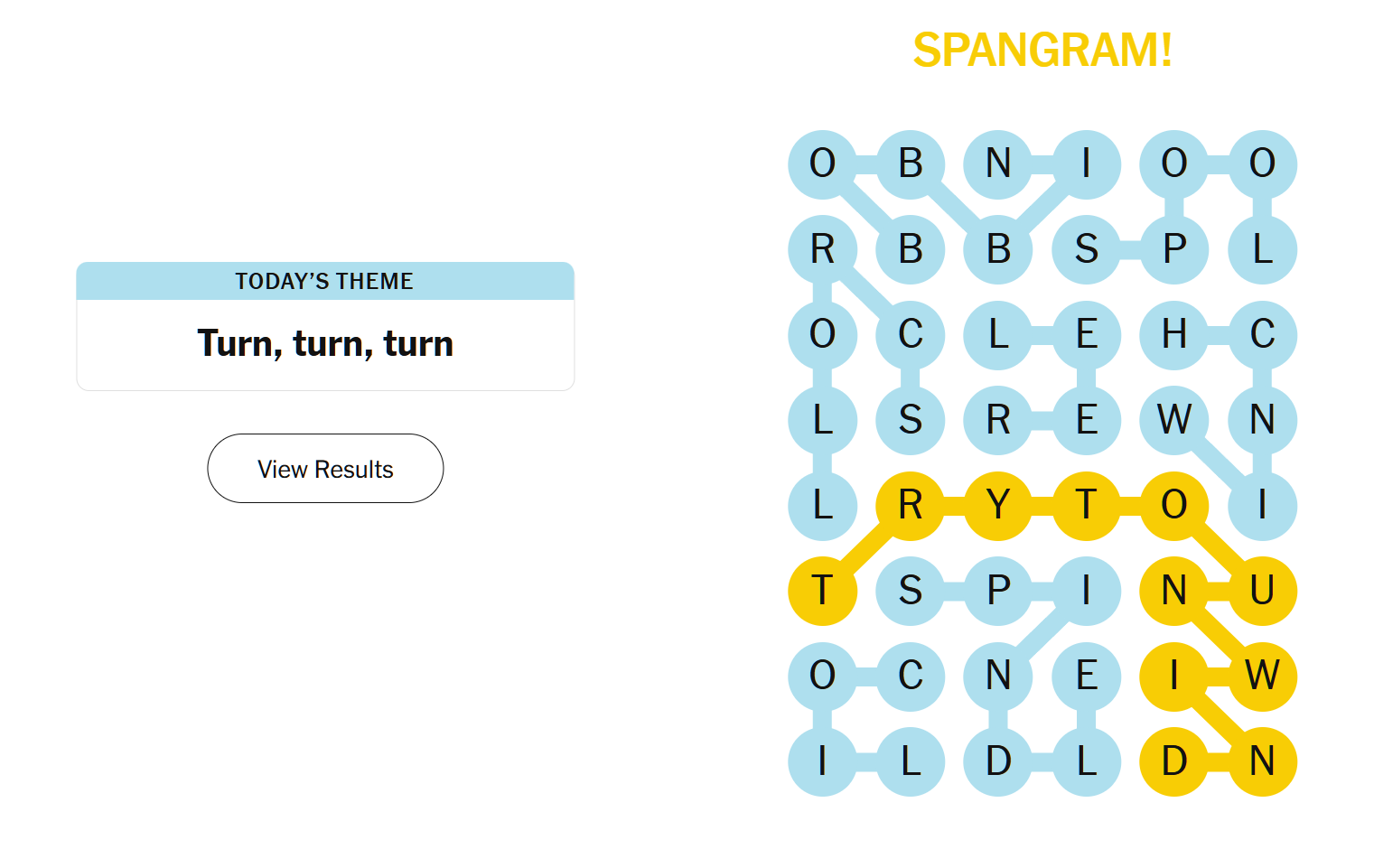
COIL
-
BOBBIN
-
SPINDLE
-
REEL
-
SCROLL
-
WINCH
-
SPOOL
Spangram
TRY-TO-UNWIND
The spangram captures the whole idea of the puzzle: everything in the grid relates to winding, coiling, or unwinding. It ties the theme together neatly and makes the answer set feel unified.
How Strands works
Strands is a daily word search puzzle with a twist:
-
You’re given a theme.
-
The grid is packed with hidden words tied to that theme.
-
Words can run in any direction, including diagonals.
-
Once you find all the theme words, you’re done.
Each puzzle usually has around 6–8 theme words.
How to get and use hints
Hints are built right into Strands, and they’re useful when you get stuck:
-
To earn a hint, find any non-theme word of at least four letters in the grid.
-
Each valid extra word gives you one hint.
-
When you use a hint, one of the theme words is revealed automatically.
A smart approach is to save hints for when the board starts feeling crowded and the remaining letters no longer suggest obvious matches.
Tips to become a NYT Strands pro
-
Start with the most obvious theme connections.
-
Scan diagonals early, since Strands hides words in all directions.
-
Watch for shorter words first, because they can reveal the structure of the grid.
-
Use hints strategically instead of right away.
-
Think in categories and synonyms, not just literal definitions.
Final thoughts
This puzzle feels neatly themed and fairly satisfying once the winding connection clicks. The answers are all anchored around the same core idea, so spotting one word often makes the rest easier to uncover.