What to know
- Salt deposits are commonly found inside caves and high-temperature biome areas southeast of the Life Pod.
- You can identify the correct area by locating large rock formations with man-made lights near cave entrances.
- Salt is essential for crafting survival items, preserving food, and powering certain equipment early in the game.
- The best strategy is to gather large amounts in one trip since deposits are clustered together.
In the early hours of Subnautica 2, finding reliable crafting materials becomes critical for long-term survival. Salt is one of those deceptively important resources that you may ignore at first, only to realize later how many recipes depend on it. Whether you need to preserve food, prepare advanced materials, or craft equipment components, knowing where to find salt efficiently can save a huge amount of time.
Quick overview of salt in Subnautica 2
| Category | Details |
|---|---|
| Resource Type | Raw Material |
| Main Use | Food prep, crafting, survival recipes |
| Best Early Location | Southeast of the Life Pod |
| Common Spawn Areas | Cave floors, rocky seabeds, thermal zones |
| Visual Appearance | Small white mineral deposits |
| Danger Level | Low to Moderate |
| Recommended Inventory Space | Medium to Large Storage |
Where to find salt in Subnautica 2
The easiest early-game salt location is southeast of the Life Pod. This route is accessible almost immediately after starting the game and does not require advanced vehicles or deep-diving upgrades.
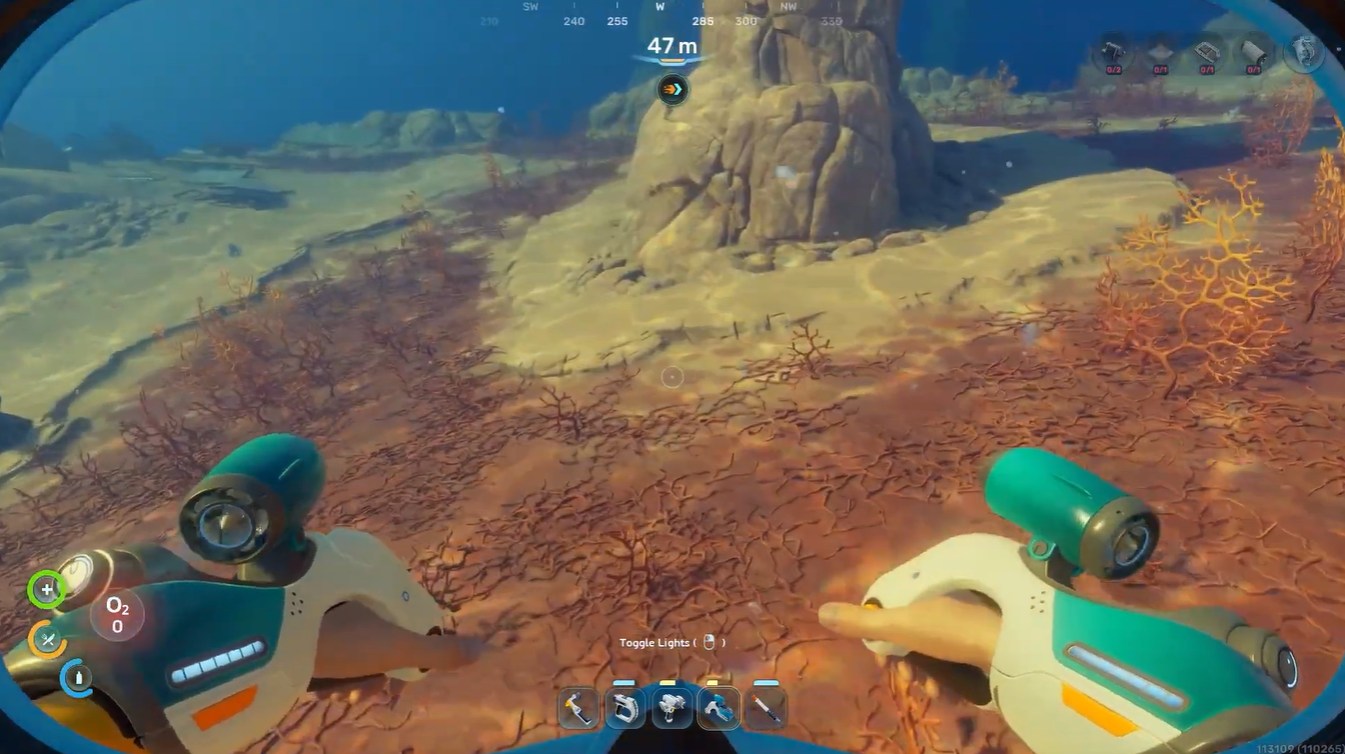
As you leave the starting area, swim southeast while passing the Welcome Center structure. The environment gradually changes into a rockier biome filled with tall stone pillars and cave systems. This is the main indicator that you are heading in the correct direction.
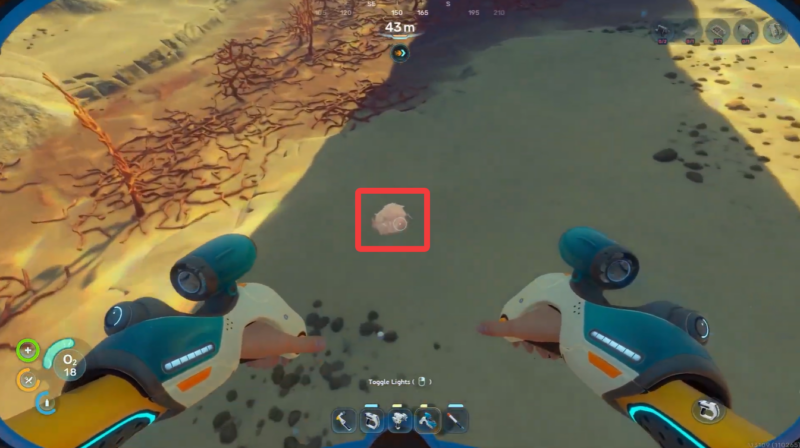
You should eventually spot two prominent rock pillars followed by a much larger rock formation nearby. The large structure is easy to recognize because it contains small man-made lights positioned around a cave entrance. This cave is the first reliable early-game salt farming spot.
Salt cave location details
| Landmark | What to Look For |
|---|---|
| Welcome Center | First navigation checkpoint |
| Twin Rock Pillars | Confirms correct direction |
| Large Rock Formation | Main cave location |
| Man-made Lights | Marks cave entrance |
| Cave Floor | Salt deposits spawn here |
Inside the cave, you will find several white mineral nodes resting along the ground beneath the rock overhangs. These are the salt deposits you can collect directly by interacting with them.
Additional salt farming areas
If the cave does not provide enough resources, continue swimming farther southeast. You will eventually enter a high-temperature biome area where additional salt deposits appear scattered across the seabed.
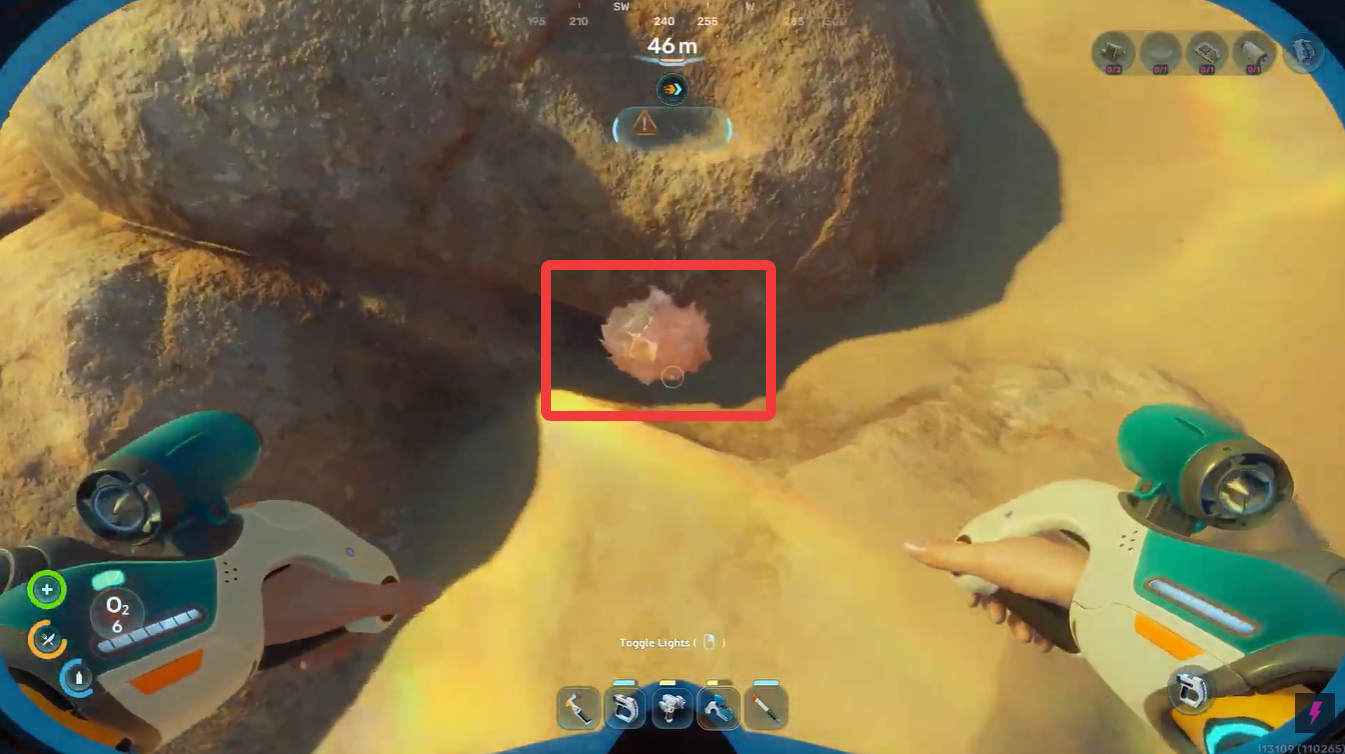
This region usually contains significantly more salt than the cave itself, making it ideal for stocking up before returning to base. The terrain becomes more open here, allowing you to collect materials quickly without constantly navigating tight cave tunnels.
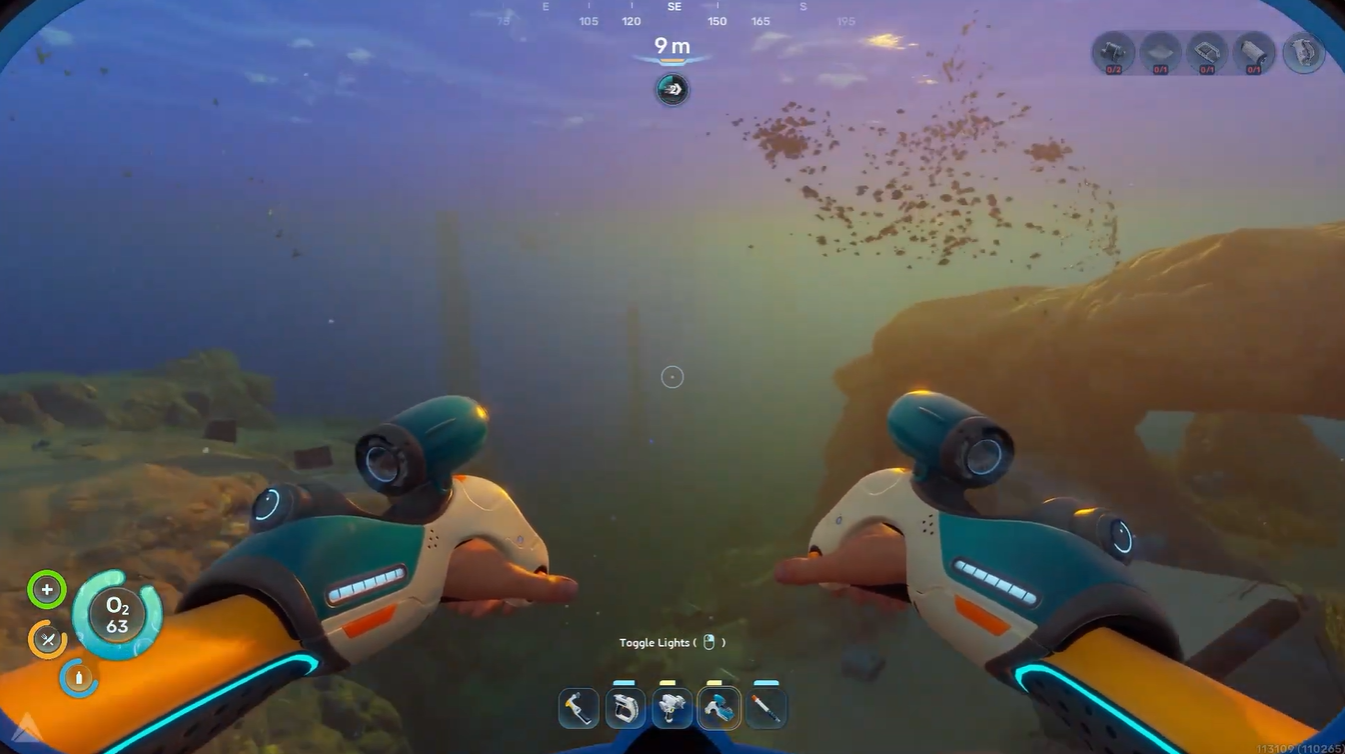
However, the area can contain environmental hazards depending on your progression level. Keep an eye on your oxygen and avoid overextending without proper equipment upgrades.
How to collect salt efficiently
How to prepare before leaving the Life Pod
Before starting your trip, make sure you carry:
| Recommended Item | Why It Helps |
|---|---|
| Extra Oxygen Tank | Extends exploration time |
| Seaglide | Faster travel |
| Empty Inventory Slots | Salt stacks quickly |
| Basic Food & Water | Prevents emergency returns |
Salt deposits are lightweight individually, but you will likely gather large quantities during one farming run. Leaving inventory space beforehand prevents unnecessary backtracking.
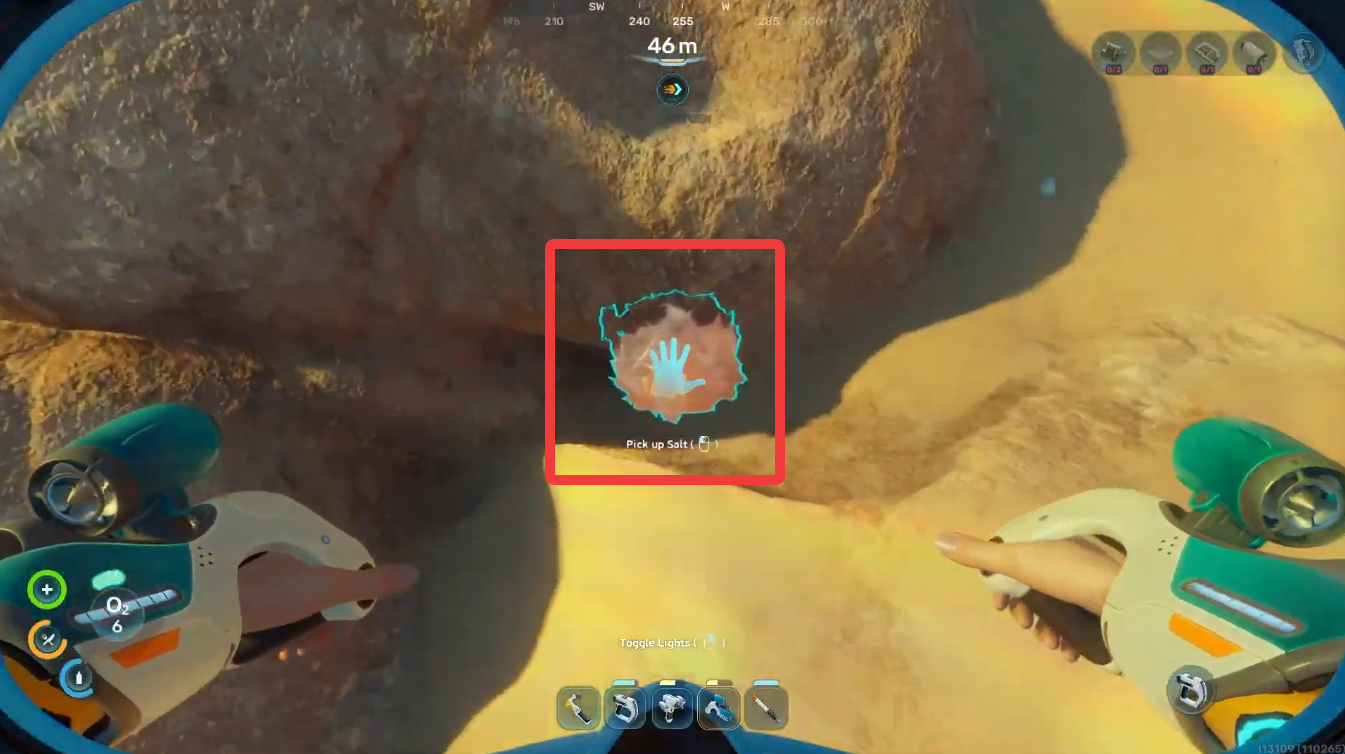
How to identify salt deposits underwater
Salt deposits usually appear as:
- Small bright white rocks
- Rounded mineral chunks
- Clusters resting on flat cave floors
- Loose deposits near thermal terrain
Unlike metallic resources, salt stands out because of its pale coloration against darker seabeds.
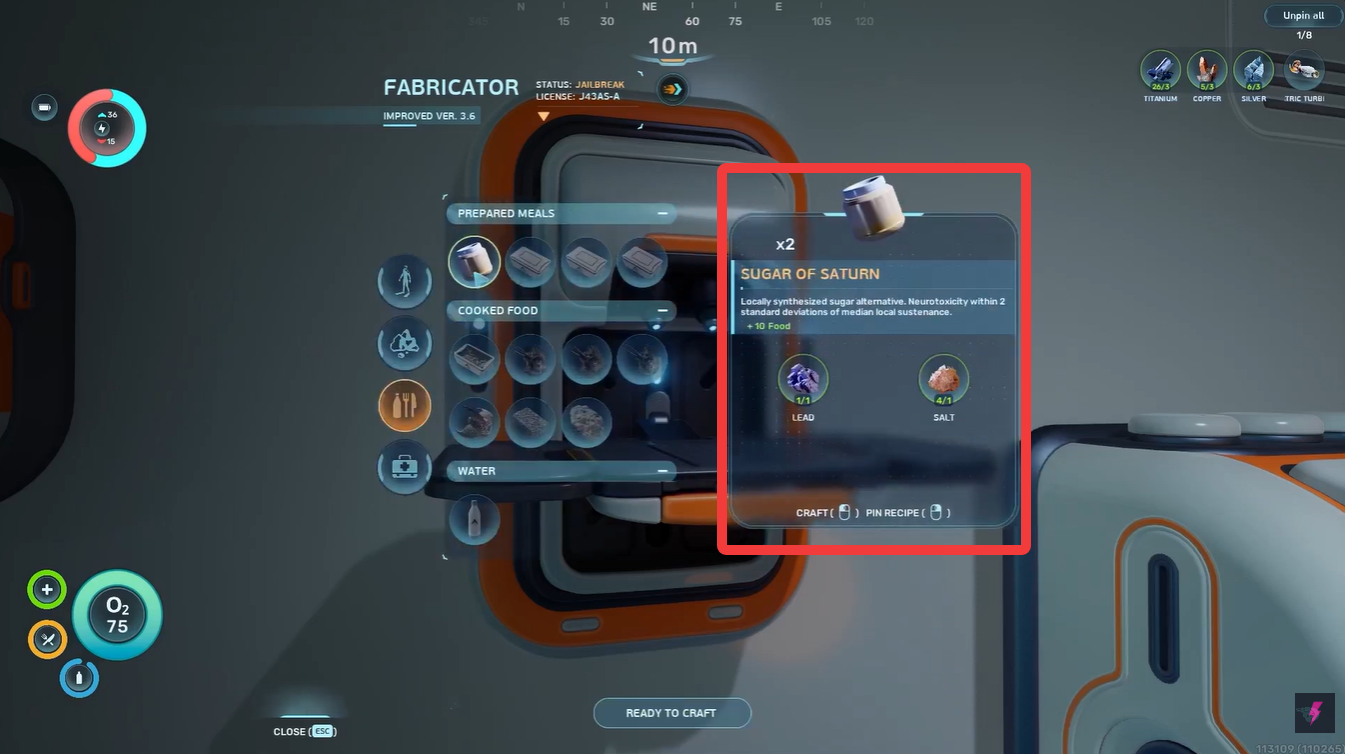
What salt is used for in Subnautica 2
Salt becomes increasingly valuable as your survival systems expand. Many early-game recipes depend on it, and several advanced crafting paths continue using it later in progression.
Common uses for salt
| Crafting Use | Purpose |
|---|---|
| Cured Food | Extends food lifespan |
| Survival Recipes | Core resource crafting |
| Power Components | Used in certain energy recipes |
| Advanced Materials | Ingredient for later-game crafting |
One of the most important early uses is preserving fish. Cured food lasts much longer than standard cooked meals, making long-distance exploration far safer.
Salt also supports resource efficiency because preserved food reduces the frequency of hunting trips.
Why you should gather large amounts early
Many players underestimate how frequently salt is consumed in crafting chains. A single quick farming trip may seem enough initially, but later upgrades rapidly increase demand.
Because the southeastern farming route is relatively safe and easy to revisit, it makes sense to gather as much salt as possible during your first visit. Doing so reduces repetitive resource runs later in the game.
Another advantage is that salt deposits often respawn in clusters, meaning repeated visits can provide sustainable long-term farming without requiring deeper biome exploration.
Finding salt early in Subnautica 2 can make survival much smoother throughout the opening hours. The southeastern cave route is currently one of the easiest and most reliable farming methods, especially for new players still building their first crafting infrastructure.
If you follow the rock pillar landmarks and search both the cave system and nearby thermal zone, you can quickly build a large reserve of this essential resource and avoid repeated farming trips later on.