The New York Times Connections puzzle challenges players to sort 16 seemingly unrelated words into four connected groups. Each group shares a hidden link. Today’s grid blends physical actions, clever rearrangements, and nostalgic references, making it both playful and slightly deceptive. Below you’ll find gentle hints to guide your thinking, followed by the complete solutions once you’re ready to check your work.
NYT Connections Puzzle Overview: 19 May 2026
Today’s Connections grid leaned heavily into misdirection. Several words could comfortably fit into multiple themes, especially those tied to books and altered meanings. The puzzle balanced straightforward categories with more creative wordplay, making the final purple group particularly satisfying once the pattern became clear.
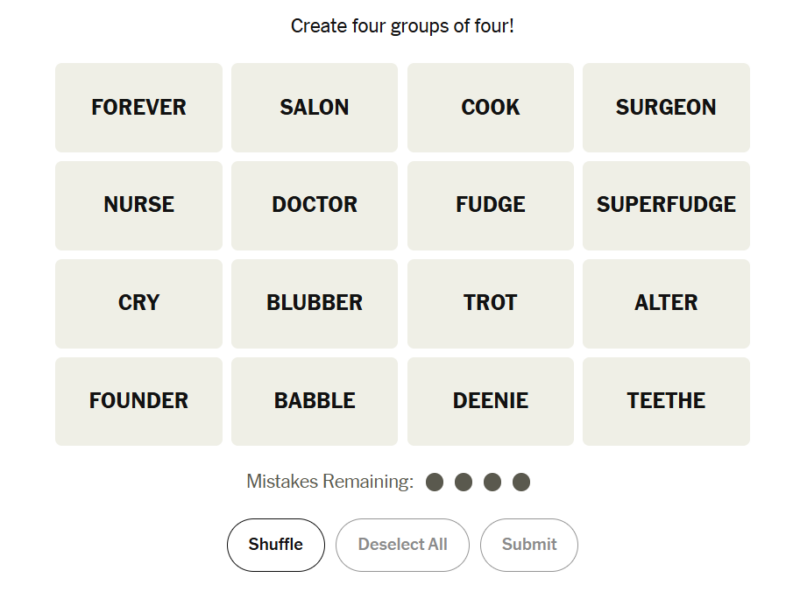
NYT Connections Hints: 19 May 2026
Category 1:
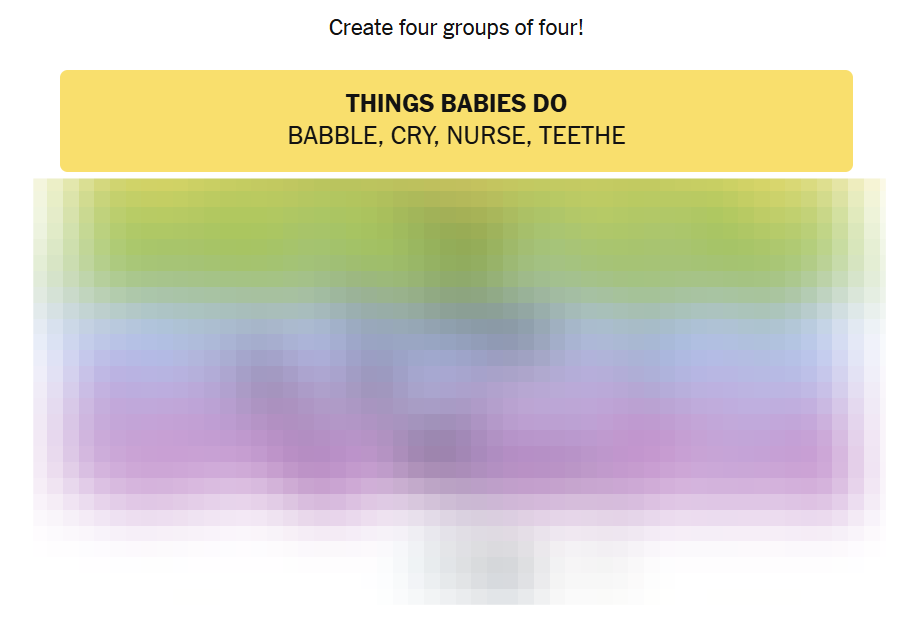
- Think about common infant behavior.
- These actions are often associated with early childhood.
- Parents hear or deal with these daily.
- One relates to growing teeth.
Category 2:
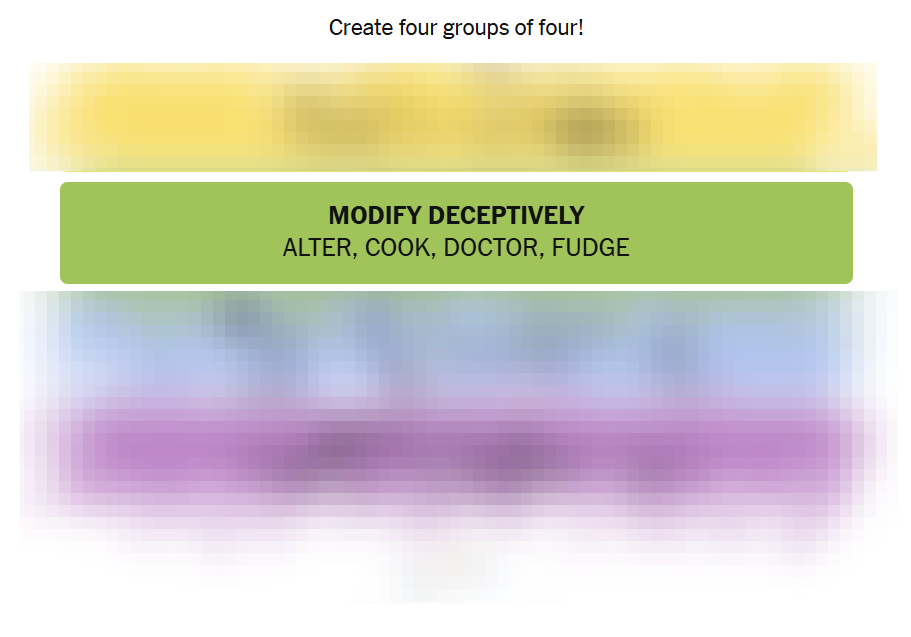
- This category involves changing something dishonestly.
- The words are often used when tampering with information.
- Some are slang-like in tone.
- Think about manipulation or falsifying.
Category 3:
- These are all connected to a famous young adult author.
- Each word is the title of a well-known book.
- The stories became especially popular with teen readers.
- One title is also linked to a dessert-like word.
Category 4:
- Start with a type of fish.
- Then remove a single letter.
- The remaining word forms the answer.
- One transformed word becomes something related to horses.
NYT Connections Answers: 19 May 2026
Here are the answers, grouped by category.
Category 1:
Category 2:
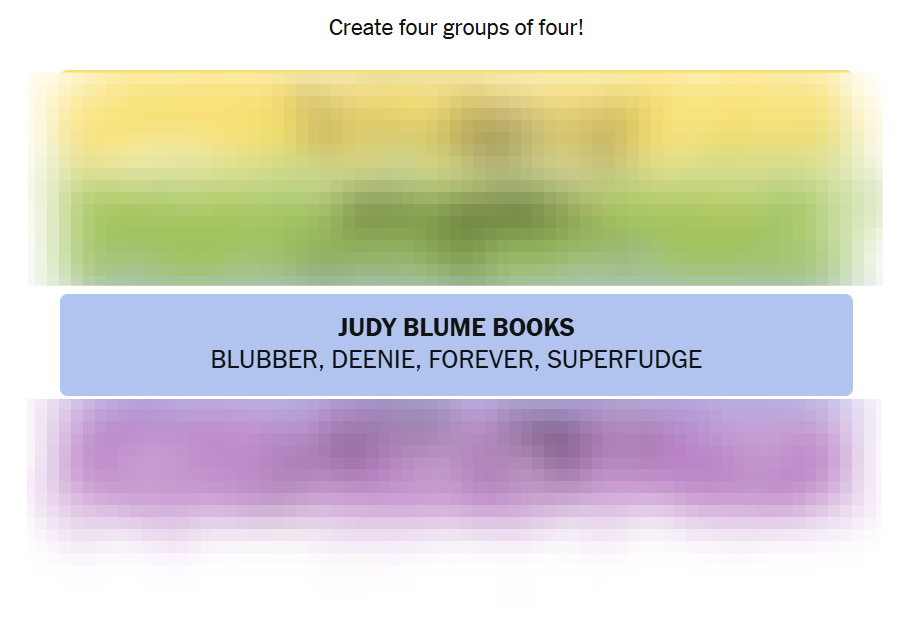
Category 3:
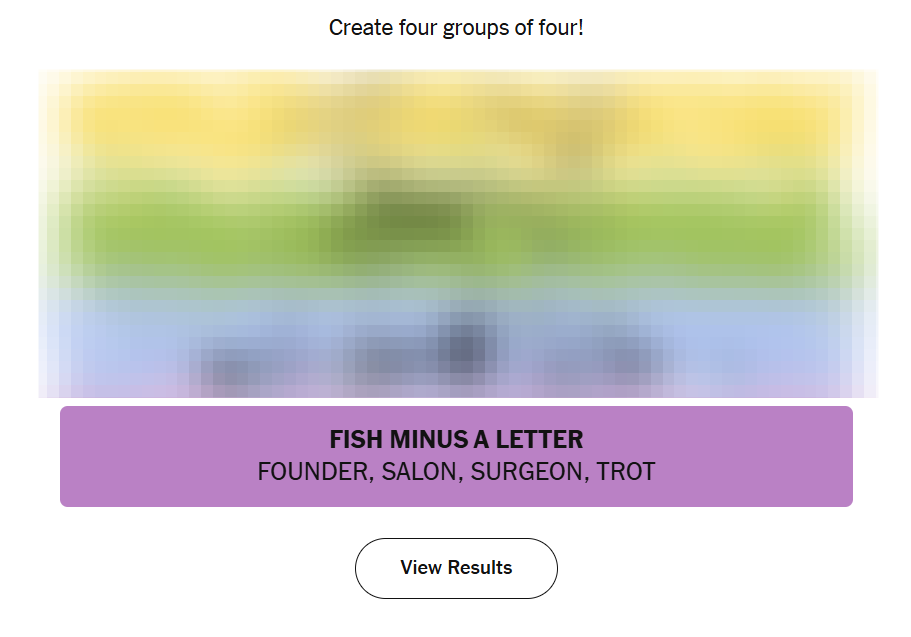
Category 4:
Conclusion & Quick Strategy Tip
The 19 May 2026 Connections puzzle balances straightforward action words with trickier conceptual links, making it satisfying once everything clicks. Quick strategy tip: lock in obvious verb groups early, then examine remaining words for structural patterns or shared cultural references.