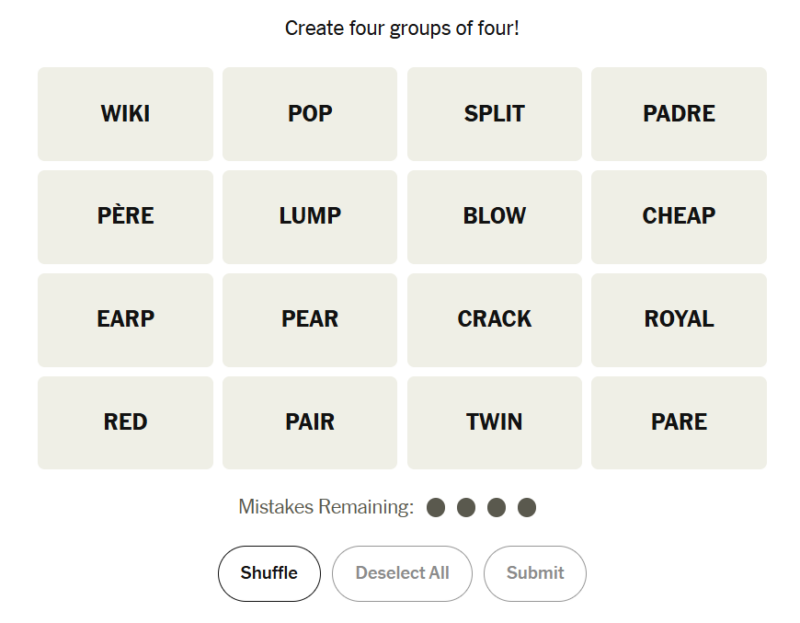
The New York Times Connections puzzle challenges players to sort 16 seemingly unrelated words into four connected groups. Each group shares a hidden link. Today’s grid blends physical actions, clever rearrangements, and nostalgic references, making it both playful and slightly deceptive. Below you’ll find gentle hints to guide your thinking, followed by the complete solutions once you’re ready to check your work.
NYT Connections Puzzle Overview: 18 May 2026
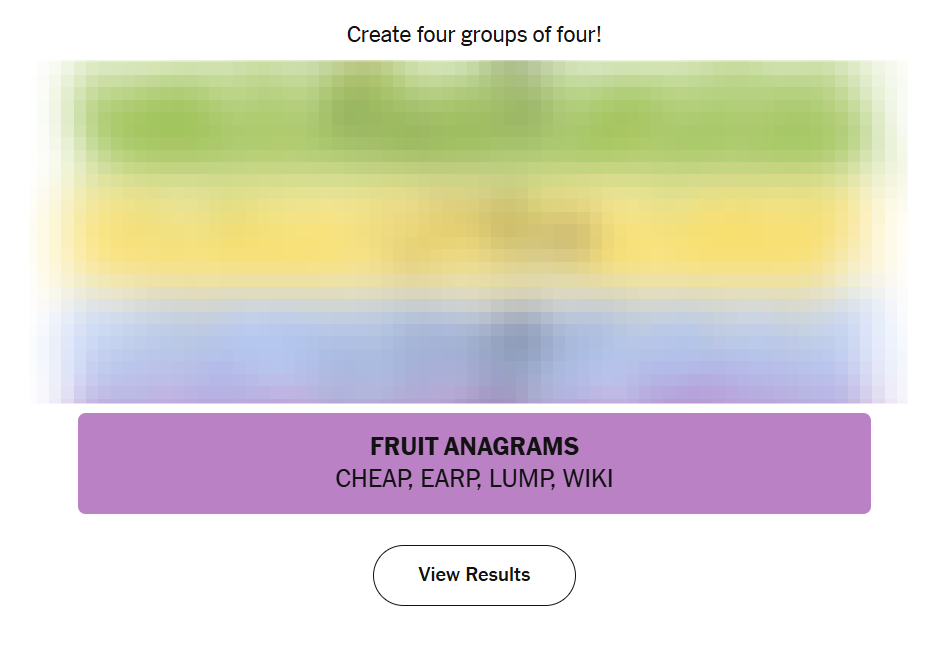
Today’s Connections grid had a playful balance between direct meanings and deceptive language tricks. Solvers likely spotted the rupture-themed words early, but the homophone set and fruit anagrams added a clever layer of confusion. The baseball-related category also rewarded anyone familiar with shortened MLB team names, making the puzzle feel varied and satisfying overall.
NYT Connections Hints: 18 May 2026
Category 1:
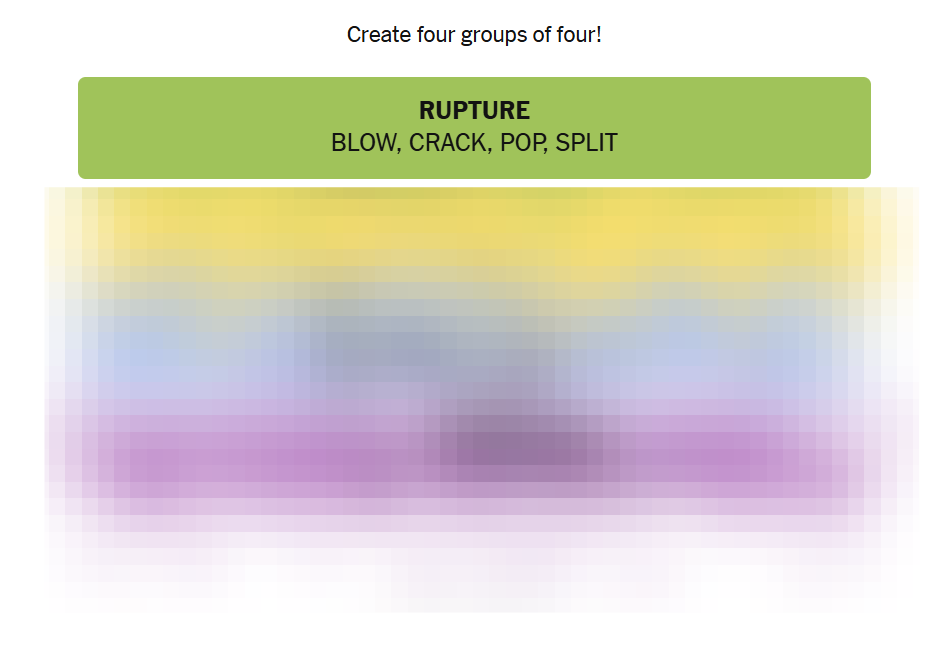
- Think about things breaking apart suddenly
- These words can describe explosions or tears
- Each term suggests damage or separation
- Common verbs connected to bursting
Category 2:
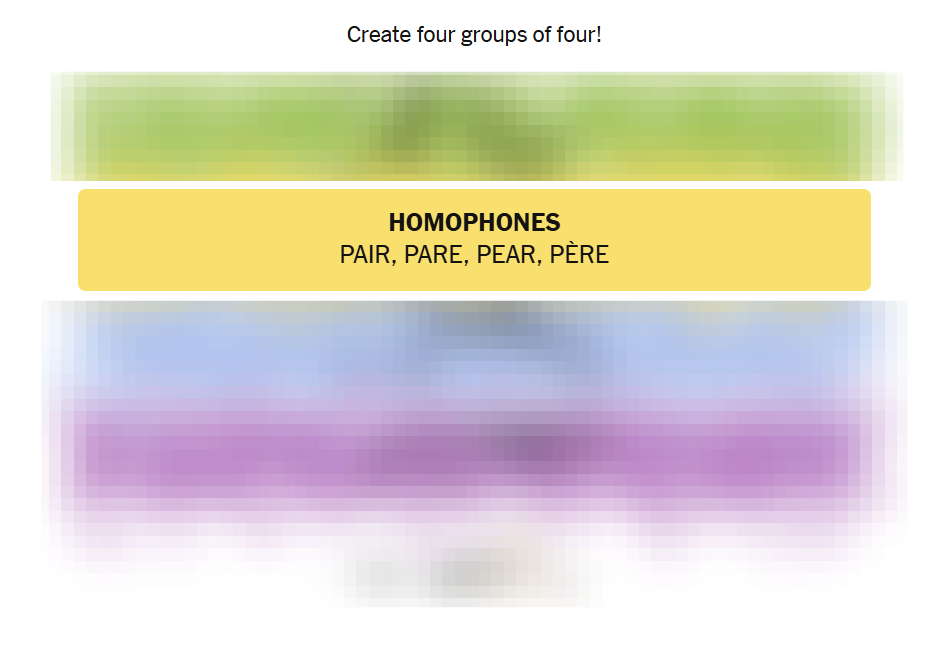
- Sound matters more than spelling here
- All four words are pronounced alike
- One version includes an accented letter
- A spoken clue solves this category quickly
Category 3:
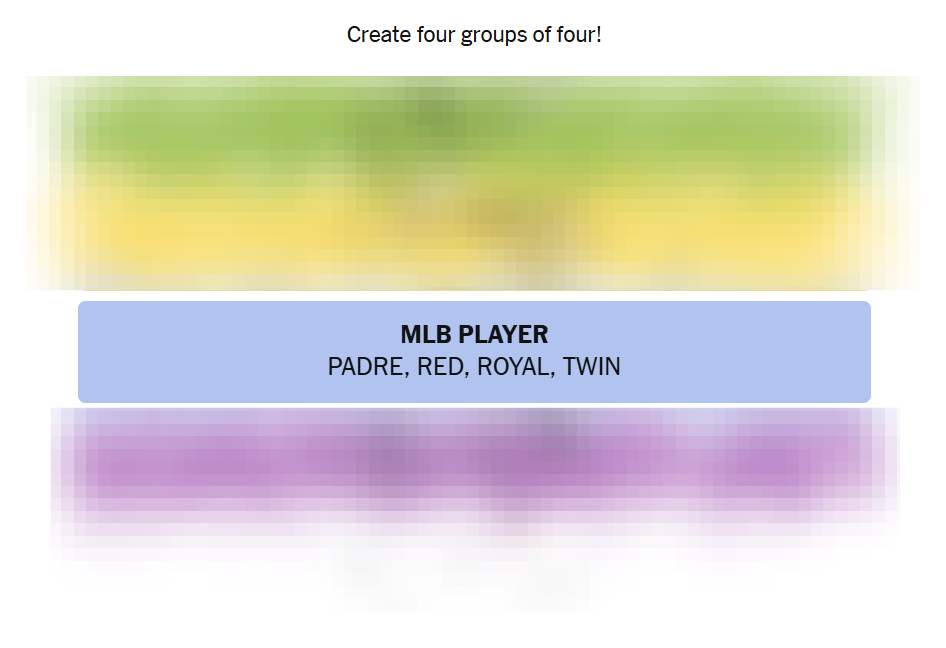
- Sports fans may recognize these instantly
- These are connected to professional baseball
- Team nicknames become player labels here
- Shortened forms are the key
Category 4:
- Rearranging letters reveals the connection
- Hidden fruits are buried inside these words
- Each word can be scrambled differently
- Look for produce-related solutions
NYT Connections Answers: 18 May 2026
Here are the answers, grouped by category.
Category 1:
Category 2:
Category 3:
Category 4:
Conclusion & Quick Strategy Tip
The 18 May 2026 Connections puzzle balances straightforward action words with trickier conceptual links, making it satisfying once everything clicks. Quick strategy tip: lock in obvious verb groups early, then examine remaining words for structural patterns or shared cultural references.