The New York Times Connections puzzle challenges players to sort 16 seemingly unrelated words into four connected groups. Each group shares a hidden link. Today’s grid blends physical actions, clever rearrangements, and nostalgic references, making it both playful and slightly deceptive. Below you’ll find gentle hints to guide your thinking, followed by the complete solutions once you’re ready to check your work.
NYT Connections Puzzle Overview:16 May 2026
Today’s Connections grid balanced direct associations with trickier language patterns. A few words looked like they belonged together immediately, but the final category depended on spotting a subtle ending hidden inside unrelated terms. Music lovers likely had an easier time with one section, while another group rewarded players who noticed common everyday expressions.
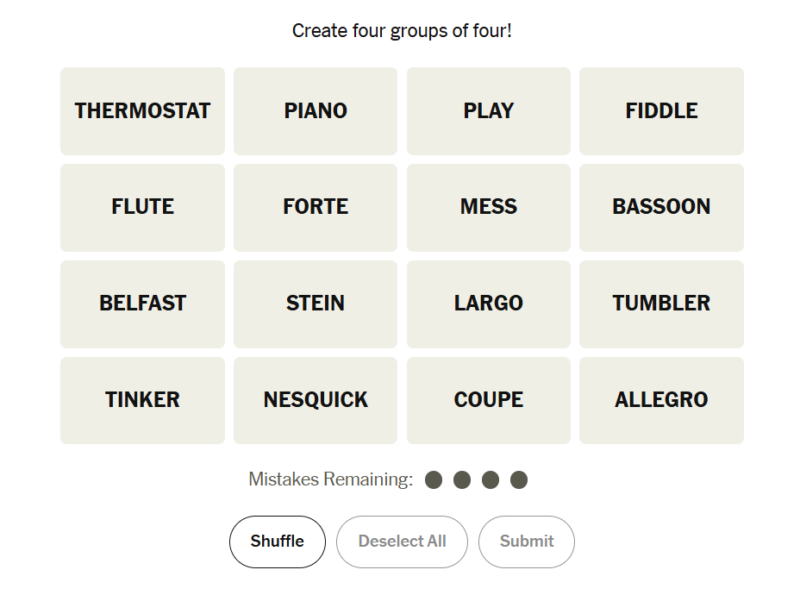
NYT Connections Hints: 16 May 2026
Category 1:
- Think of items commonly used for beverages.
- These can appear in bars or celebrations.
- Different drinks often call for different versions.
- One is especially associated with beer.
Category 2:
- These words describe casual interaction with something.
- None of them suggest serious commitment.
- You might do this while fixing equipment.
- They all imply experimenting or handling lightly.
Category 3:
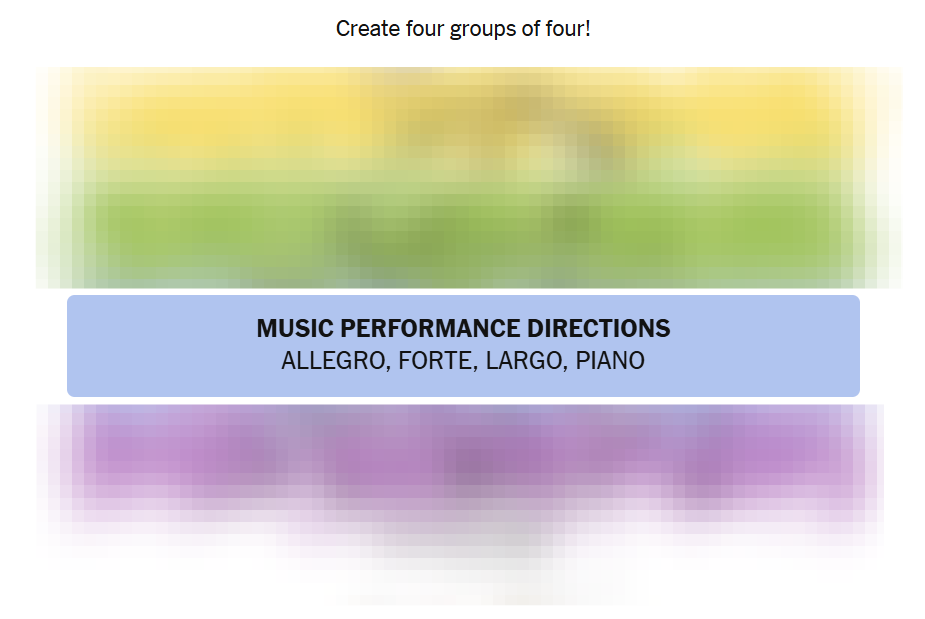
- This category belongs to the world of classical music.
- They are instructions performers follow.
- Some relate to speed while others affect volume.
- You would find these written on sheet music.
Category 4:
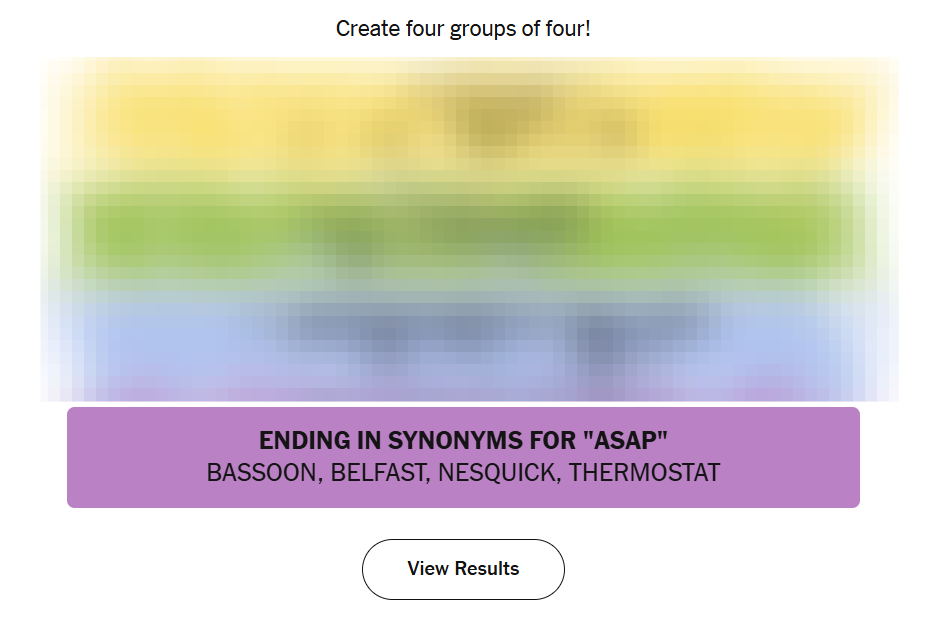
- The trick is hidden at the end of each word.
- Focus on the final few letters.
- They all conceal words meaning “quickly.”
- The full terms themselves are unrelated.
NYT Connections Answers: 16 May 2026
Here are the answers, grouped by category.
Category 1:
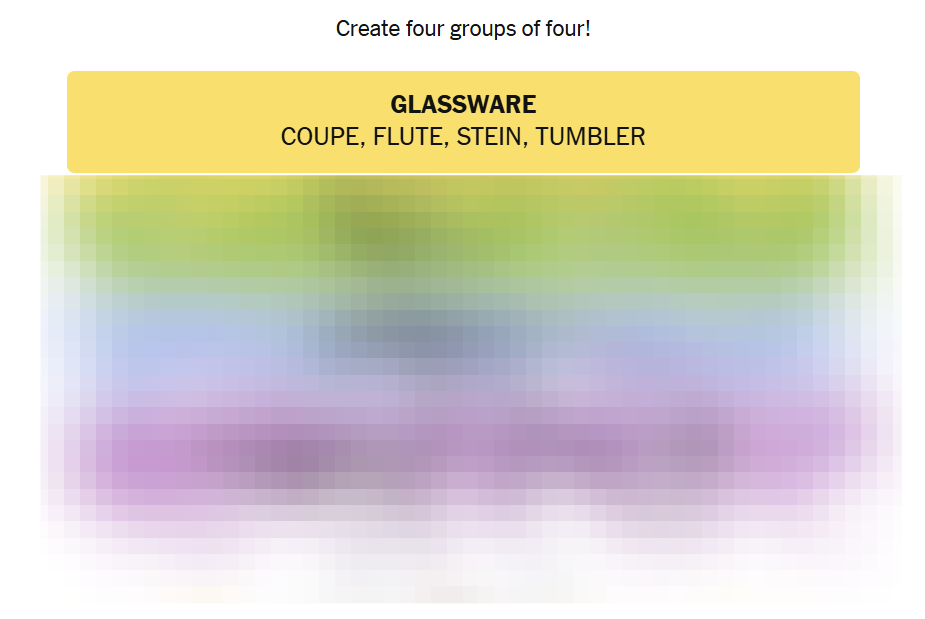
Category 2:
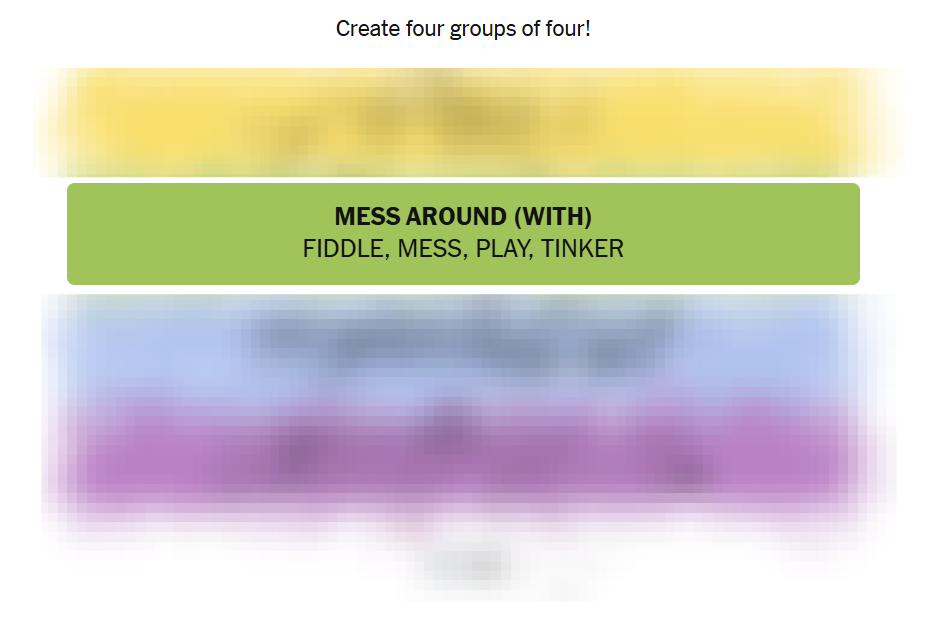
Category 3:
Category 4:
Conclusion & Quick Strategy Tip
The16 May 2026 Connections puzzle balances straightforward action words with trickier conceptual links, making it satisfying once everything clicks. Quick strategy tip: lock in obvious verb groups early, then examine remaining words for structural patterns or shared cultural references.