The New York Times Connections puzzle challenges players to sort 16 seemingly unrelated words into four connected groups. Each group shares a hidden link. Today’s grid blends physical actions, clever rearrangements, and nostalgic references, making it both playful and slightly deceptive. Below you’ll find gentle hints to guide your thinking, followed by the complete solutions once you’re ready to check your work.
NYT Connections Puzzle Overview: 12 May 2026
Today’s grid leaned heavily into word association and phrase-building tricks. One category felt straightforward for book lovers, while another required solvers to mentally complete familiar names and phrases. The toughest section likely came from the deceptive “extra letter” wordplay, which could easily send players toward the wrong grouping before everything finally clicked together.
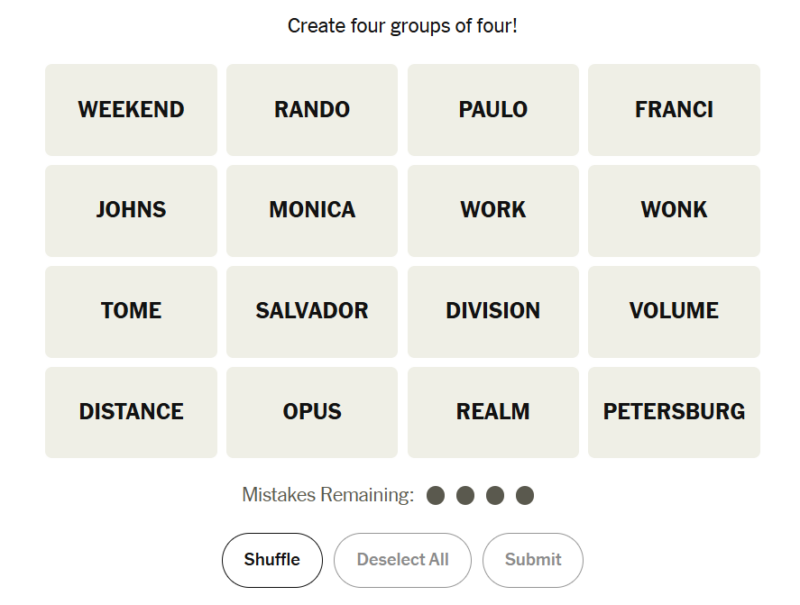
NYT Connections Hints: 12 May 2026
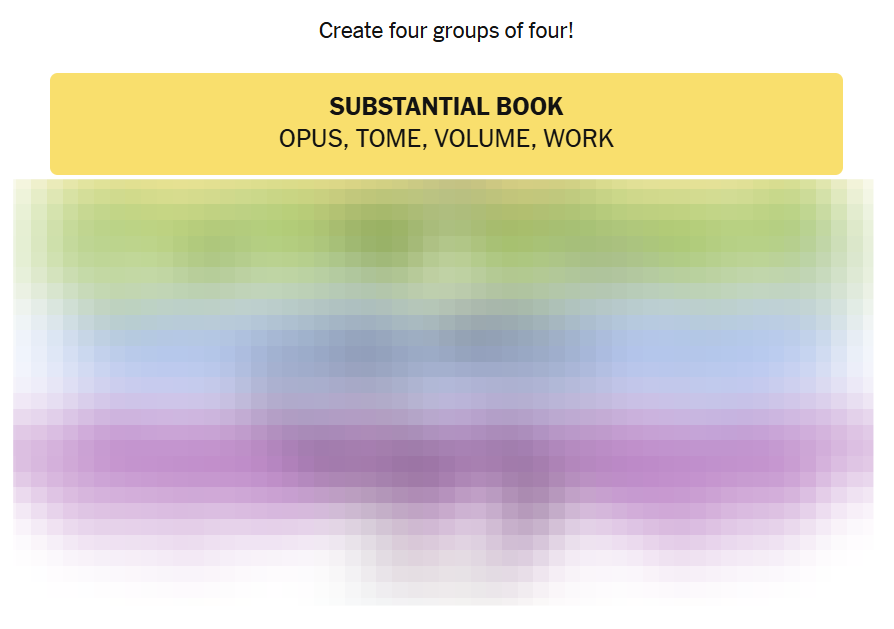
Category 1:
- Think of lengthy written creations.
- These words describe major published works.
- A novelist might proudly complete one of these.
- All four can refer to a serious book.
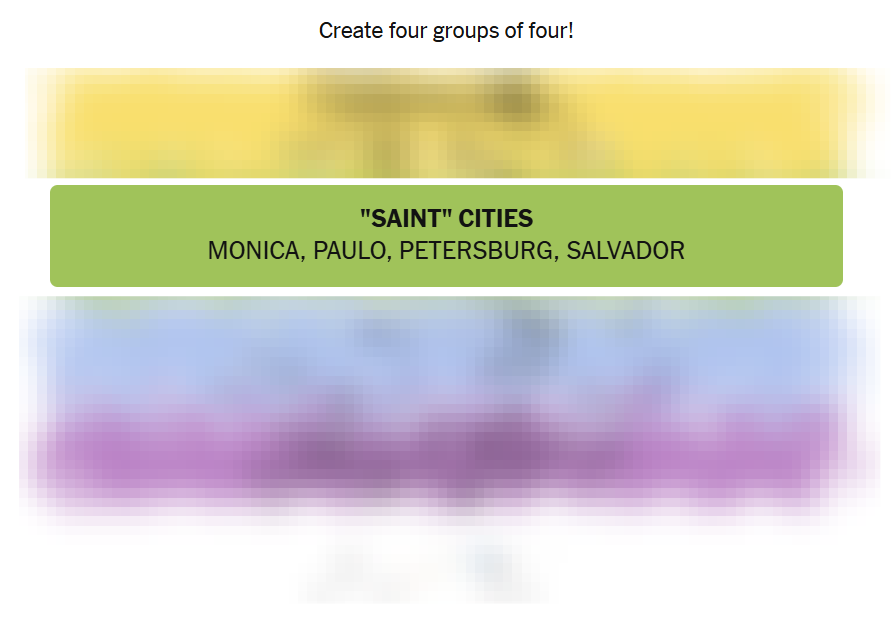
Category 2:
- Geography fans may solve this quickly.
- Each answer becomes a famous place when paired with the same title.
- The shared word appears before every answer.
- Think globally.
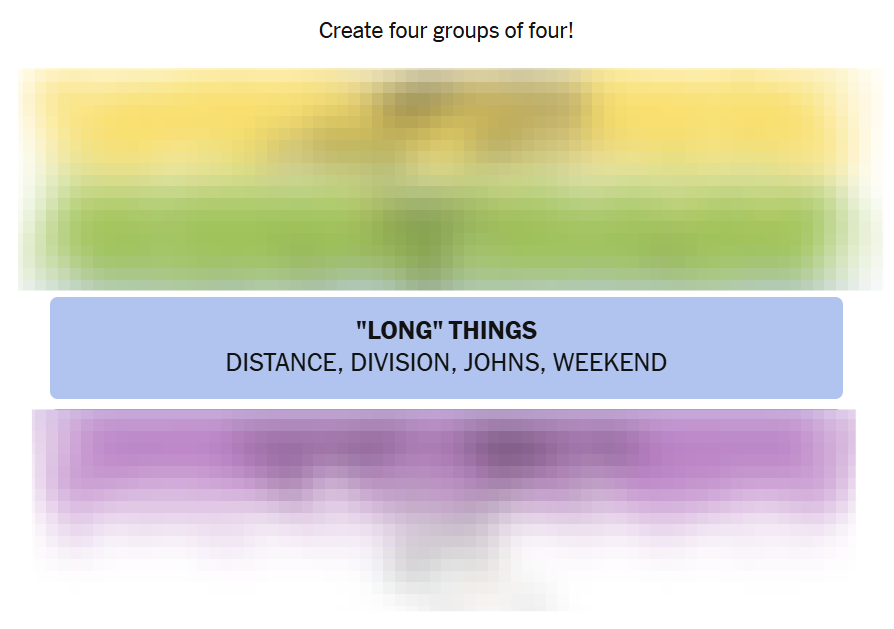
Category 3:
- These all commonly follow the same adjective.
- The phrase created is very familiar in everyday English.
- One relates to music.
- Another relates to travel.
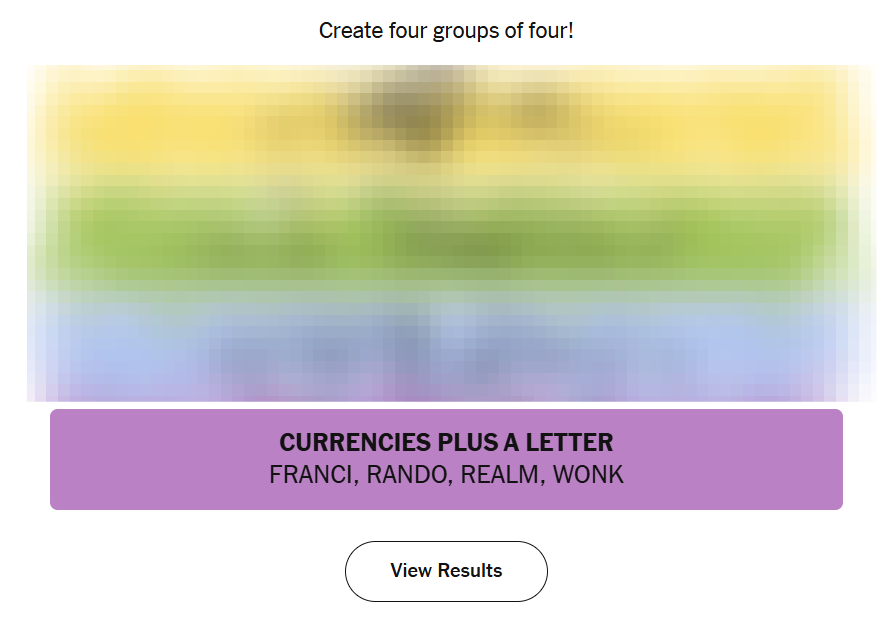
Category 4:
- Currency names are hiding in plain sight.
- Each word contains a money-related term plus one extra letter.
- Remove a letter to spot the pattern.
- International currencies are the key.
NYT Connections Answers: 12 May 2026
Here are the answers, grouped by category.
Category 1:
Category 2:
Category 3:
Category 4:
Conclusion & Quick Strategy Tip
The 12 May 2026 Connections puzzle balances straightforward action words with trickier conceptual links, making it satisfying once everything clicks. Quick strategy tip: lock in obvious verb groups early, then examine remaining words for structural patterns or shared cultural references.