
The New York Times Connections puzzle challenges players to sort 16 seemingly unrelated words into four connected groups. Each group shares a hidden link. Today’s grid blends physical actions, clever rearrangements, and nostalgic references, making it both playful and slightly deceptive. Below you’ll find gentle hints to guide your thinking, followed by the complete solutions once you’re ready to check your work.
NYT Connections Puzzle Overview: 05 May 2026
The 5 May puzzle offered a nicely balanced difficulty curve. Some categories were quite intuitive once spotted, while others required lateral thinking and attention to alternate meanings. A couple of word groups teased with overlapping interpretations, making it easy to misplace items early on. Overall, it was a satisfying mix of logic and language.
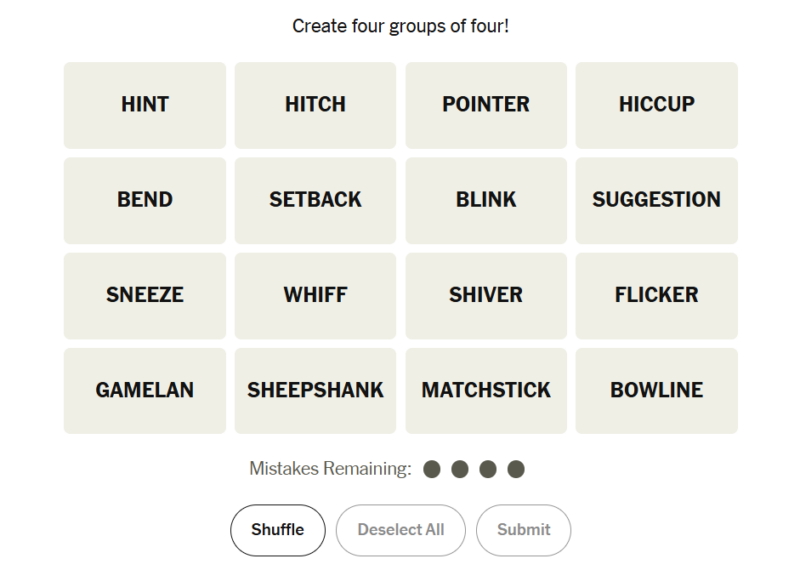
NYT Connections Hints: 05 May 2026
Category 1:
- Think of something faint or barely noticeable
- Words that suggest a small indication
- Often used when something is just beginning to appear
- Synonyms tied to subtle signals
Category 2:
- These happen without conscious control
- Your body does them automatically
- Often quick and physical reactions
- You can’t really stop them once they start
Category 3:
- Related to tying things together
- Common in sailing or outdoor skills
- Different styles serve different purposes
- You might learn these in scouting or survival trainin
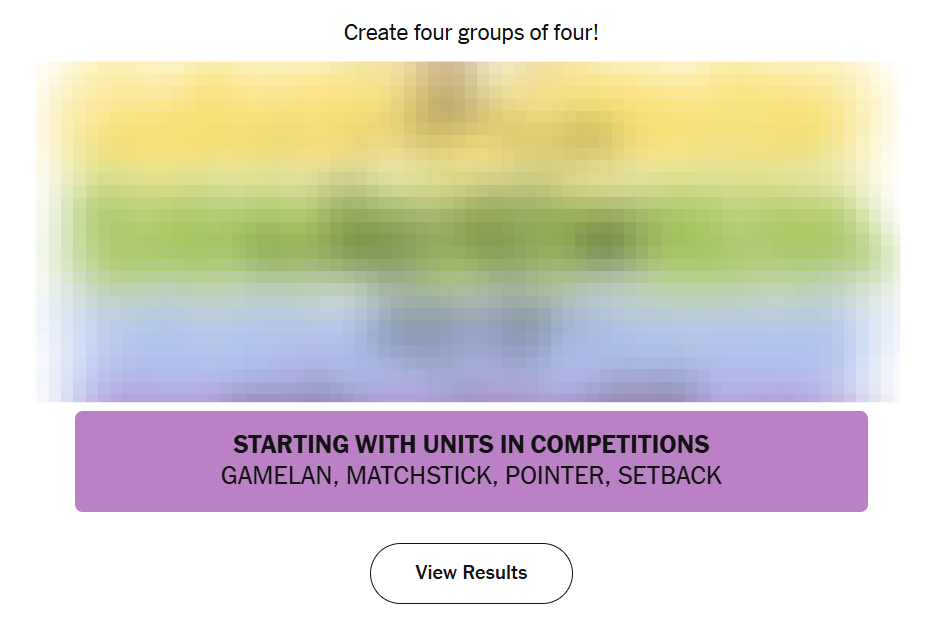
Category 4:
- Words that begin with measurement-related terms
- Think of competitive scoring or units
- Each word starts with something quantifiable
- A hidden prefix connection is key here
NYT Connections Answers: 05 May 2026
Here are the answers, grouped by category.
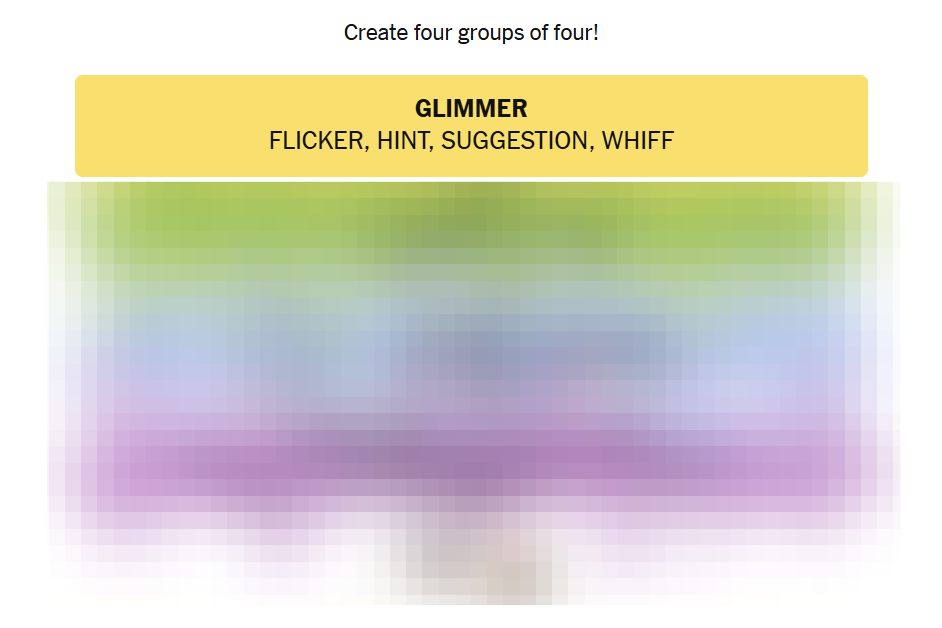
Category 1:
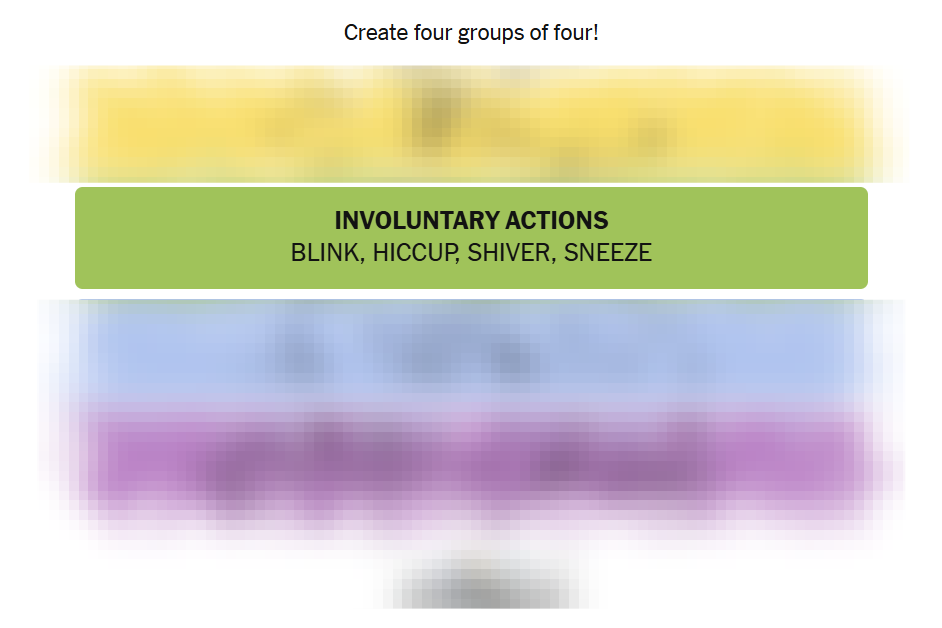
Category 2:
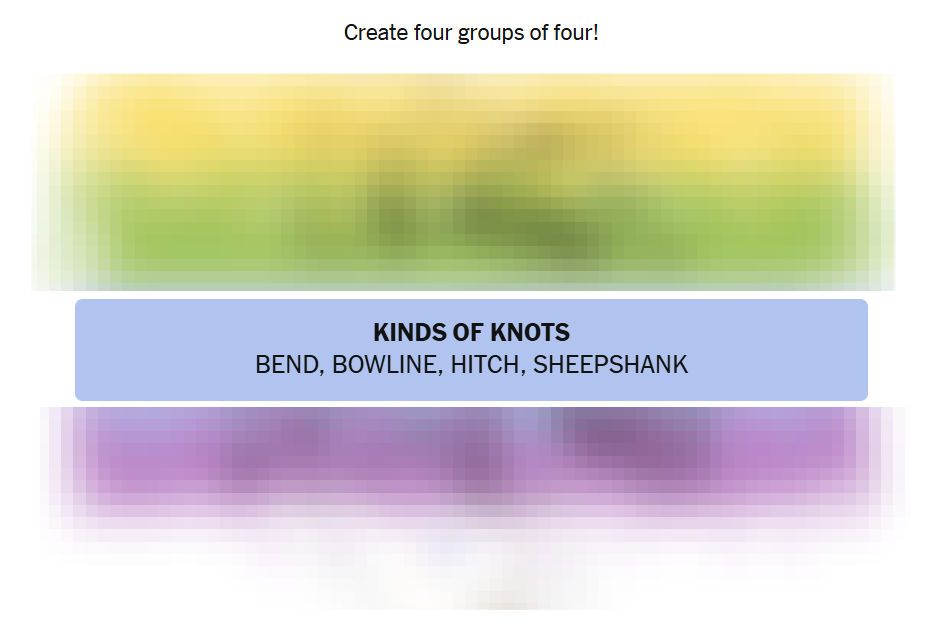
Category 3:
Category 4:
Conclusion & Quick Strategy Tip
The 05 May 2026 Connections puzzle balances straightforward action words with trickier conceptual links, making it satisfying once everything clicks. Quick strategy tip: lock in obvious verb groups early, then examine remaining words for structural patterns or shared cultural references.