What to know
- Beachcombing is a new minor map condition exclusive to the Riven Tides coastal region.
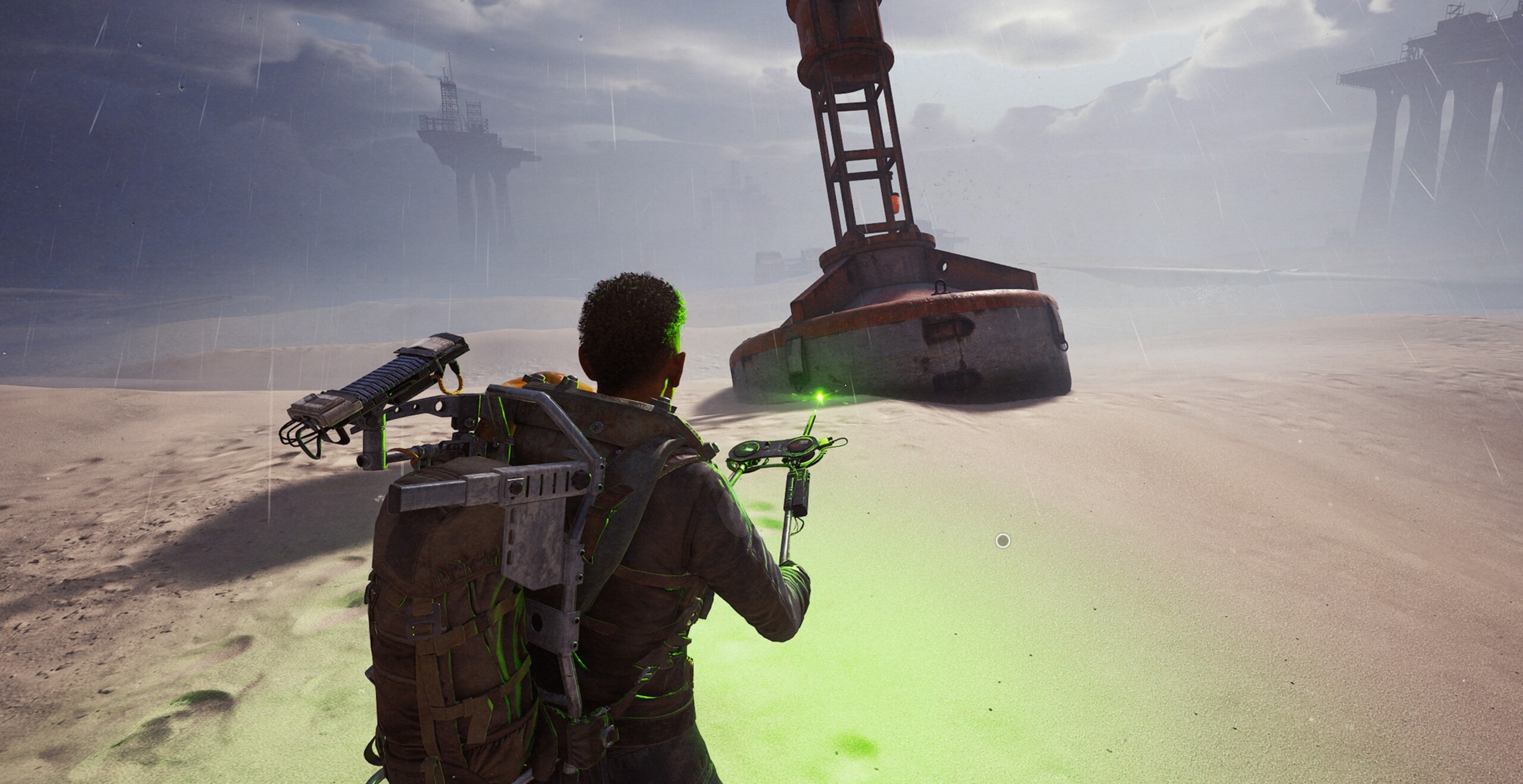
- The mechanic centers on using the specialized Dockmaster’s Detector tool to locate hidden caches beneath the sand.
- Access to this activity is tied to completing the five-stage Avian Alarm project.
- Engaging in this activity requires sacrificing a weapon slot, forcing a tactical trade-off between firepower and scavenging potential.
In Arc Raiders, the introduction of the Beachcombing condition fundamentally changes how you approach the coastal areas of Riven Tides. While standard raids often focus on high-intensity combat or navigating known extraction points, this feature encourages a slower, more deliberate pace. By focusing on the shoreline, you can uncover valuable materials that would otherwise remain buried, provided you have the right equipment and the patience to navigate the exposed terrain.
| Feature | Details |
|---|---|
| Condition Type | Minor Map Condition |
| Required Item | Dockmaster’s Detector |
| Unlock Method | Avian Alarm Raider Project |
| Primary Mechanic | Scanning/uncovering buried loot |
| Tactical Trade-off | Takes up a dedicated weapon slot |
Accessing the coastal content
To begin participating in Beachcombing, you must first focus on your progression through the Raider projects. This is not a passive feature that occurs automatically; it requires intentional preparation before you even deploy to the map.
How to obtain the detector
Step 1
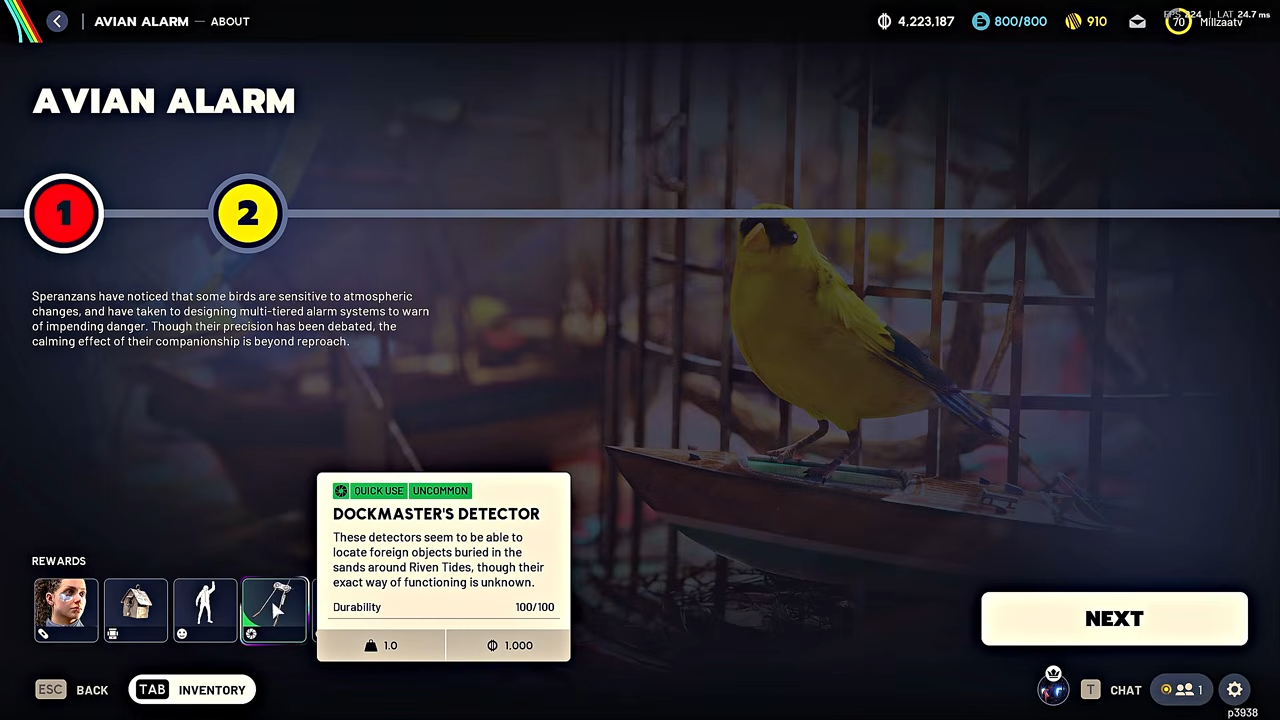
Initiate the Avian Alarm project, which is a structured, five-stage resource and objective grind.
Step 2
Complete all five stages of the project to earn access to the required gear.
Step 3
Equip the Dockmaster’s Detector in your loadout before starting a session on Riven Tides.
How to use the scanner in the field
Step 1
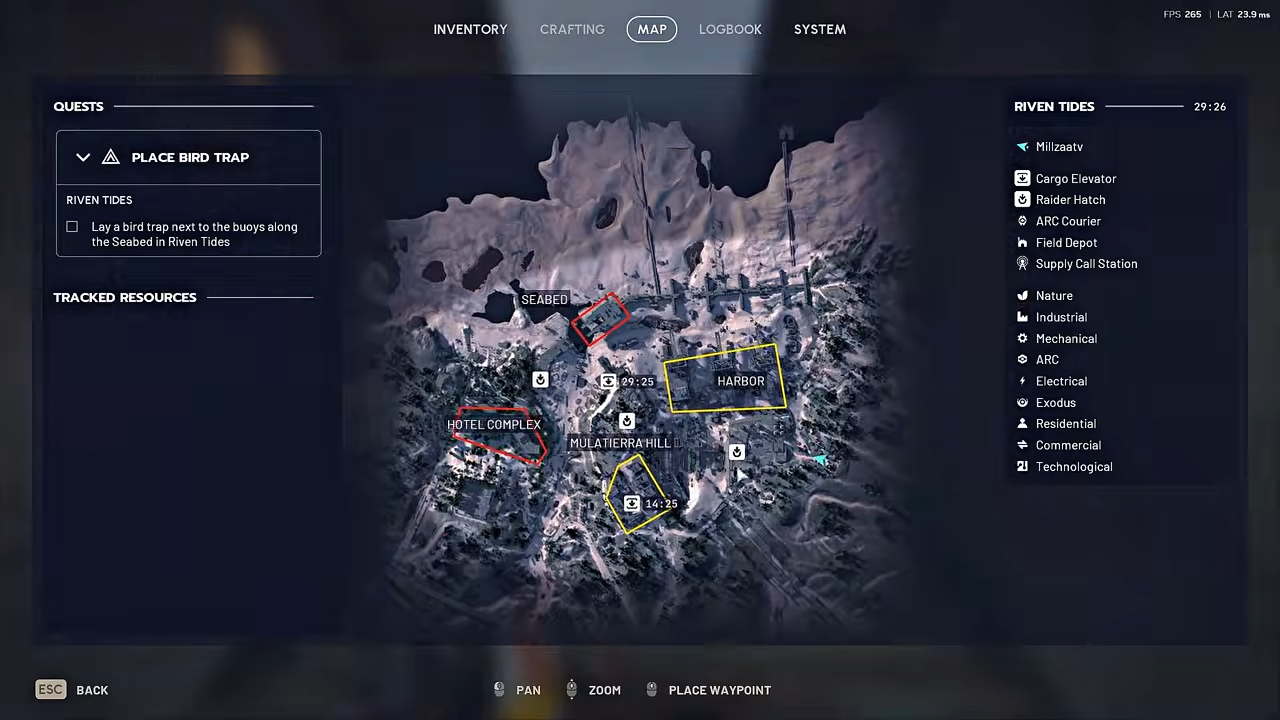
Locate the coastline within the Riven Tides map once your raid begins.
Step 2
Select the Dockmaster’s Detector. This action will occupy one of your primary weapon slots for the duration of the scan.
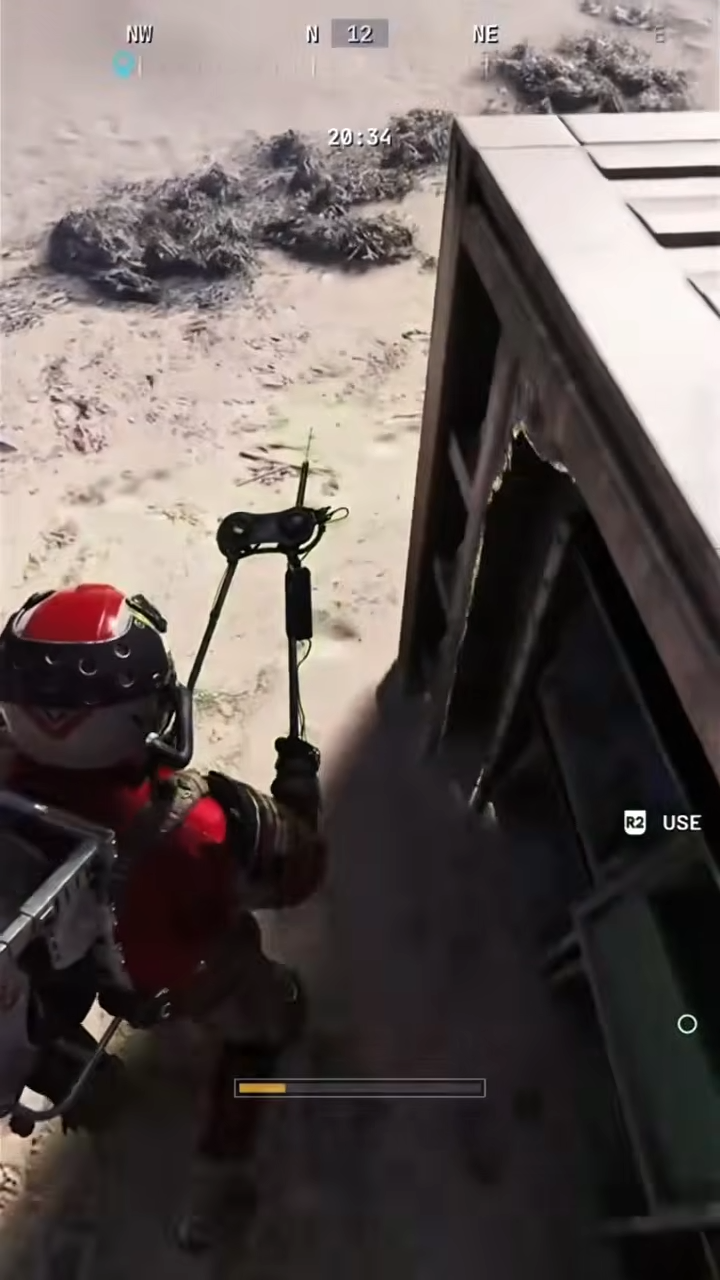
Step 3
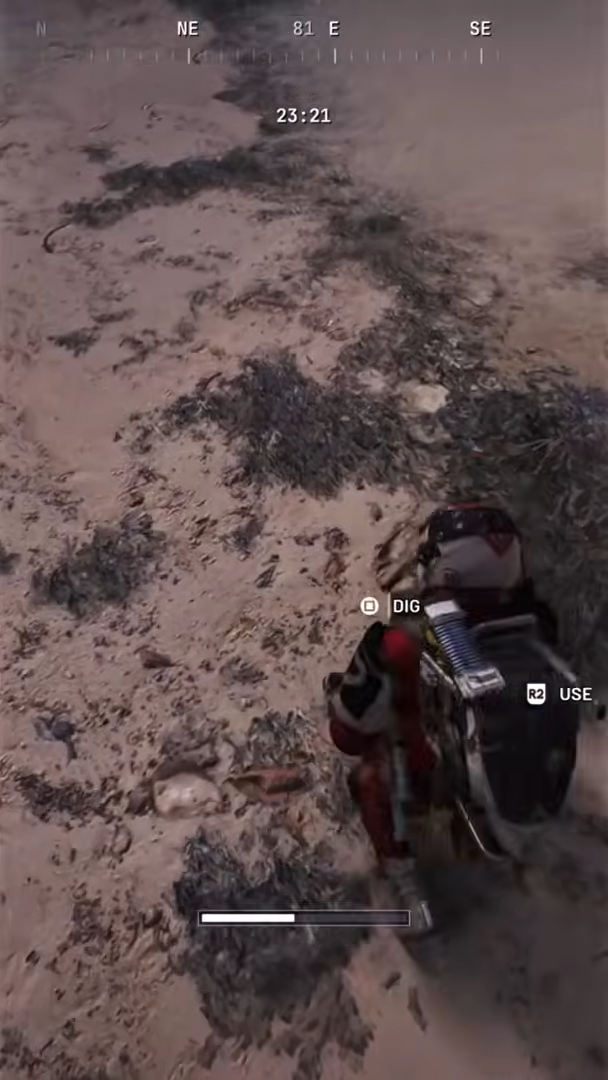
Sweep the sandy terrain as you move along the beach Pay attention to the beeps and the light. It will increase in frequency when you’re near loot.
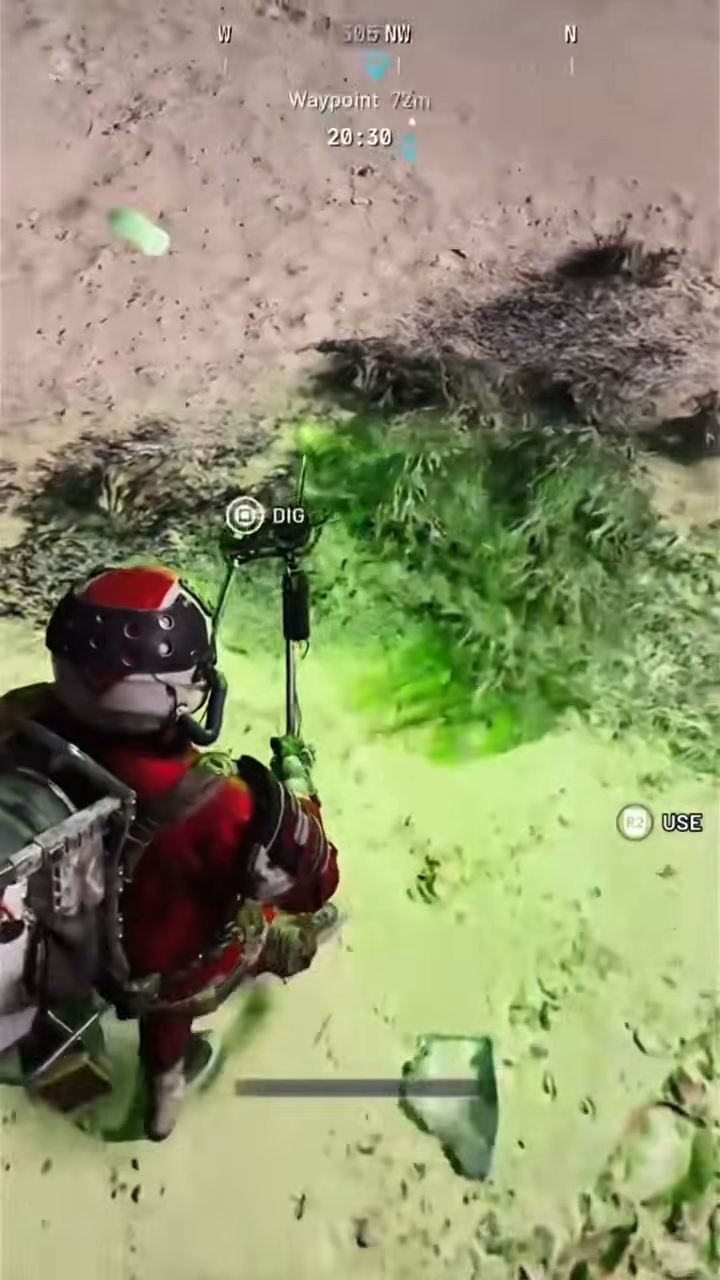
Once you see the option to DIG, simply start digging.
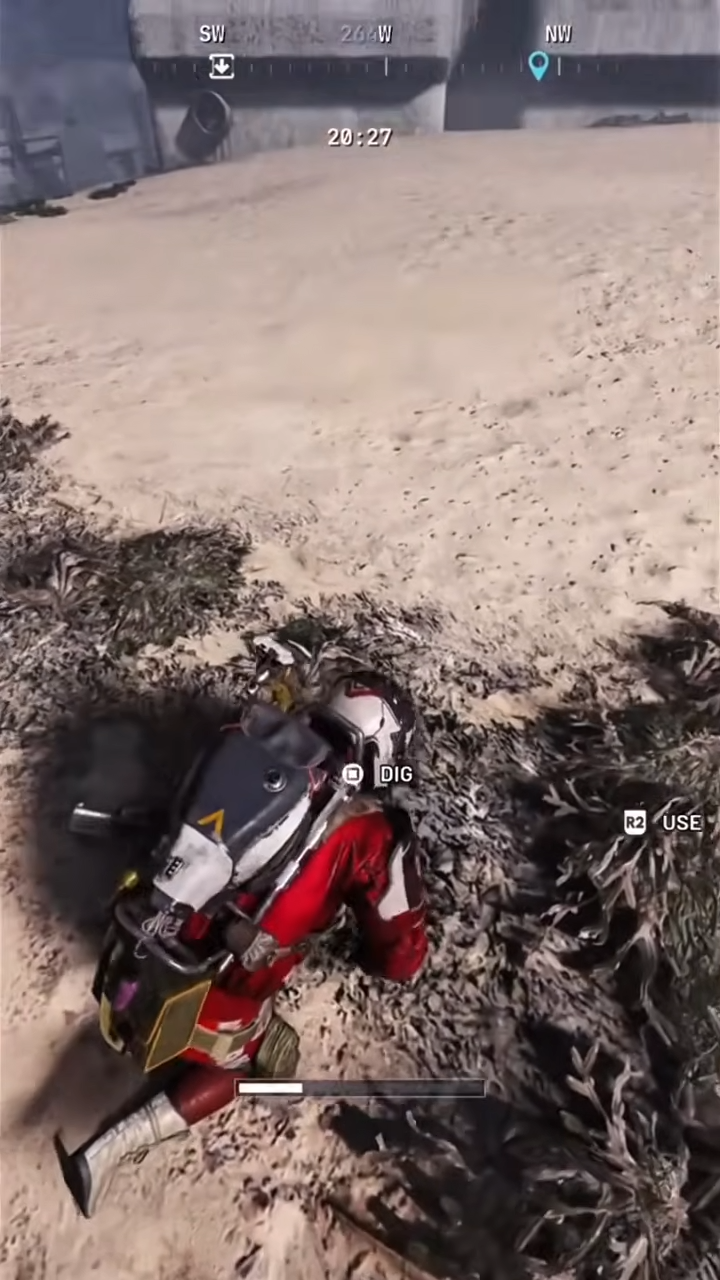
Step 4
Extract the discovered resources while remaining vigilant, as the open nature of the coast leaves you highly visible to other players or environmental threats.
Step 5
Sometimes, you may end up with a bomb that explodes in your face.
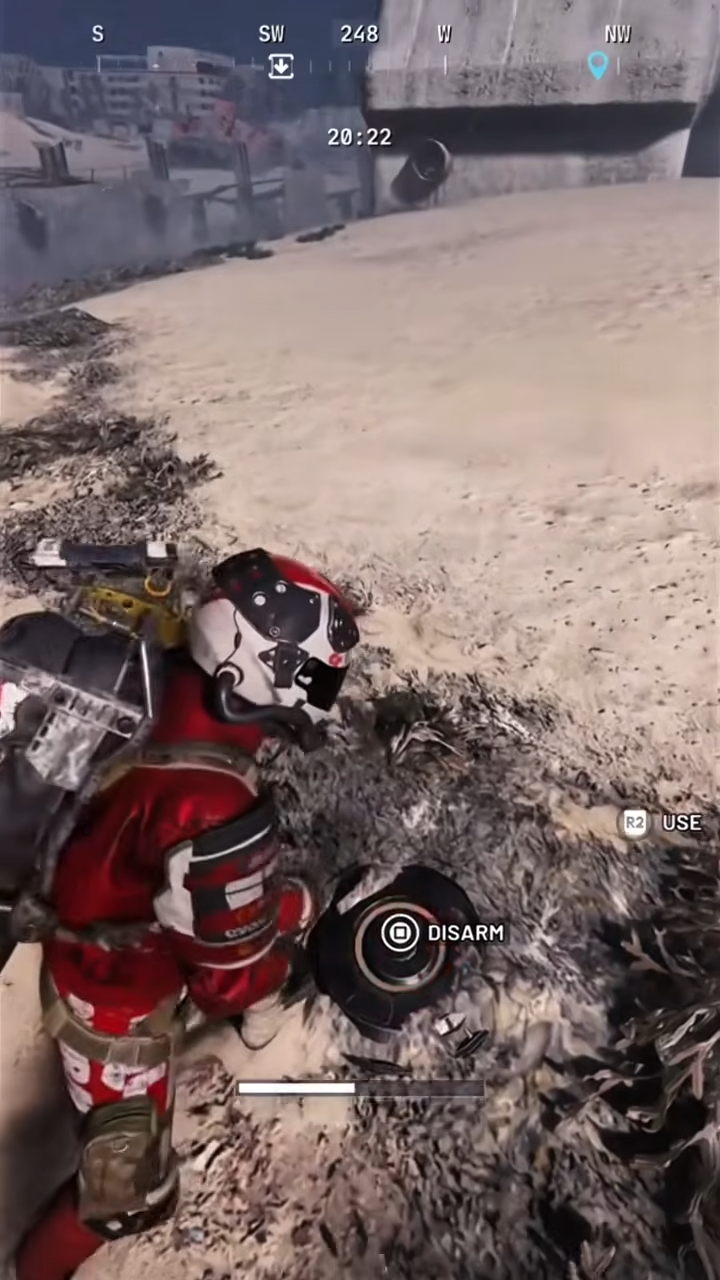
Other times, you may be rewarded with rare loot.
Rewards for coastal scavenging
The primary incentive for Beachcombing is the opportunity to recover items that are not easily accessible through standard looting patterns. While specific drop tables can fluctuate, the following table outlines the general types of rewards you can expect to find buried along the coast.
| Reward Category | Potential Contents |
|---|---|
| Crafting Components | Rare materials for armor and gadget upgrades |
| Utility Items | Specialized consumables and minor tactical gear |
| Currency Caches | Scavenged remnants used for general trading |
Successfully utilizing this condition is about balancing the risk of being under-equipped with the potential for high-value rewards. Because the detector takes up a valuable weapon slot, you are significantly more vulnerable if you are caught by other players or hostile entities while scanning. Plan your routes to utilize the natural cover near the edge of the beach, and always maintain an exit strategy back toward more fortified terrain if you find yourself exposed for too long.