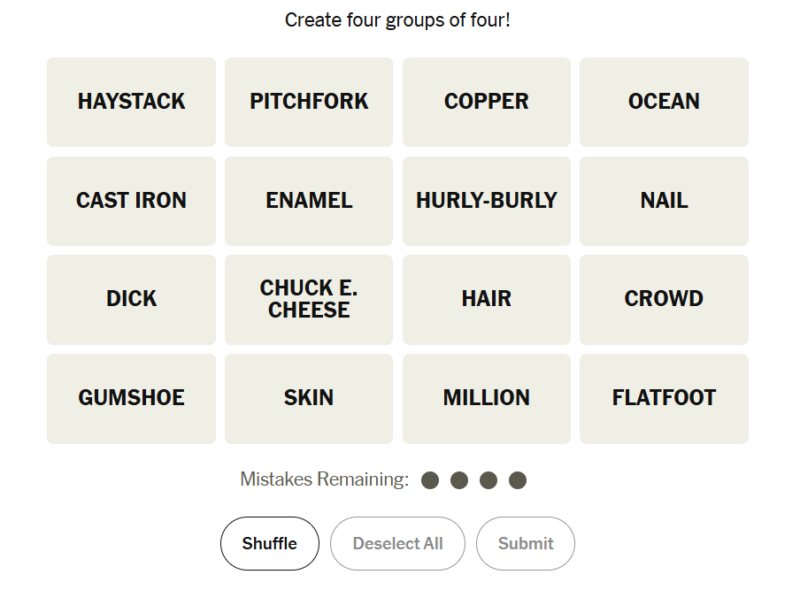
The New York Times Connections puzzle challenges players to sort 16 seemingly unrelated words into four connected groups. Each group shares a hidden link. Today’s grid blends physical actions, clever rearrangements, and nostalgic references, making it both playful and slightly deceptive. Below you’ll find gentle hints to guide your thinking, followed by the complete solutions once you’re ready to check your work.
NYT Connections Puzzle Overview: 25 April 2026
Today’s puzzle had a balanced mix of direct and deceptive groupings. Some categories were rooted in everyday concepts, while others relied on idiomatic expressions or linguistic twists. The trickiest part was separating words that seemed related at first but actually belonged to entirely different themes.
NYT Connections Hints: 25 April 2026
Category 1:
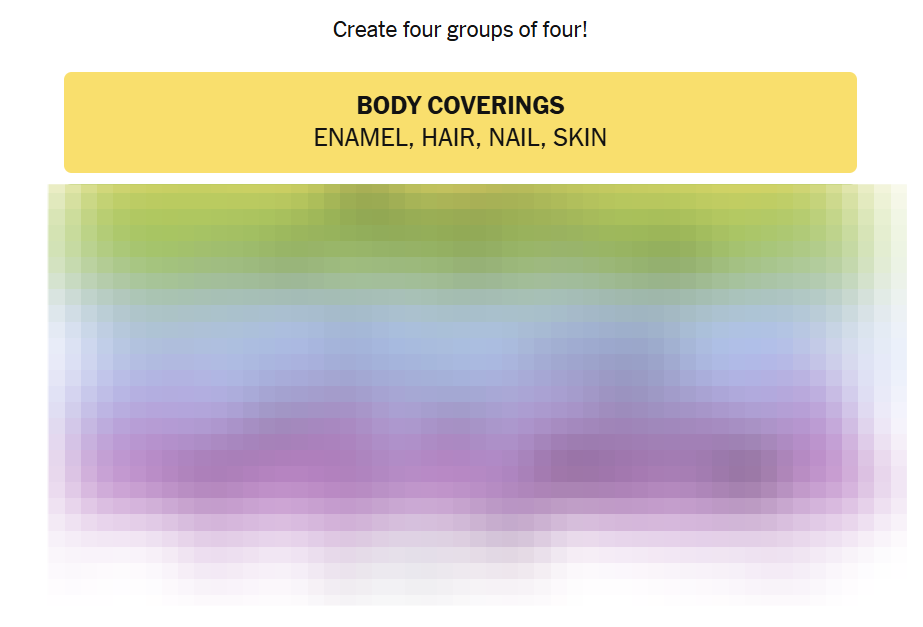
- Think of natural or physical outer layers
- These relate to protective surfaces
- Found on living beings or objects
- All are types of outer coverings
Category 2:
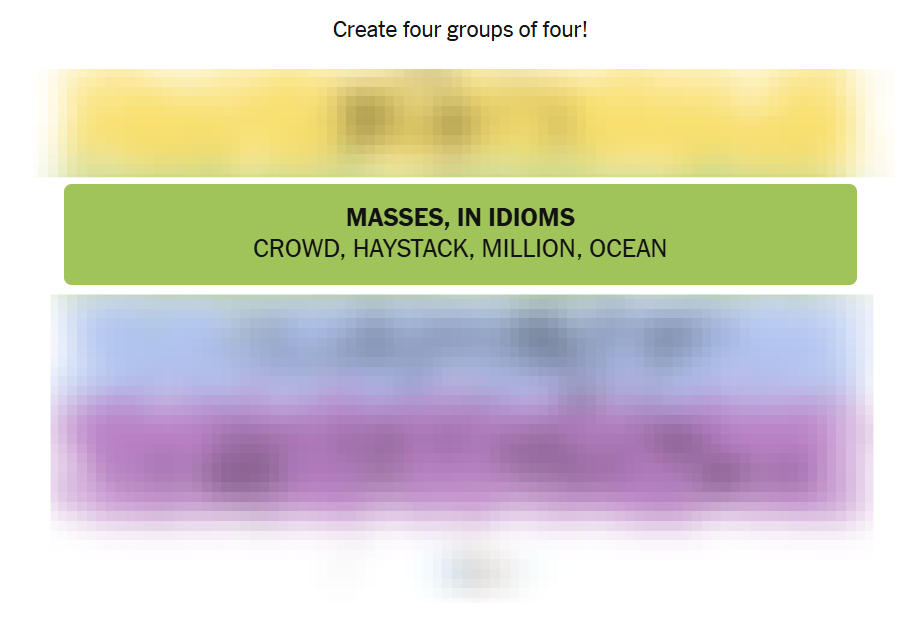
- Common phrases describing large quantities
- Often used figuratively, not literally
- You’ve likely heard these in everyday speech
- Think of expressions involving “a lot” of something
Category 3:
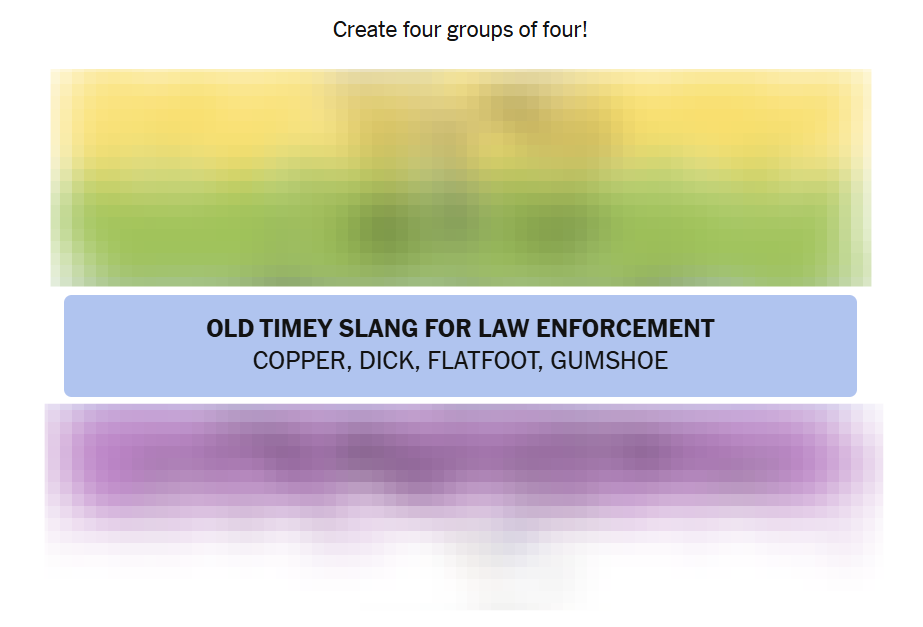
- Informal, old-fashioned terminology
- Connected to authority or crime-solving
- Often heard in classic films or novels
- Slang terms for a specific profession
Category 4:
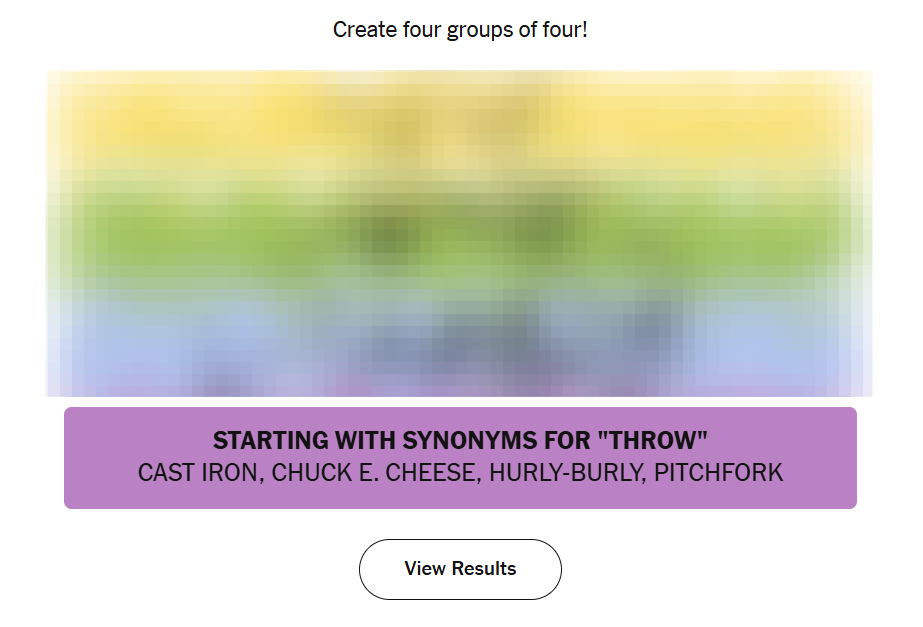
- Each phrase begins with a similar action word
- That starting word means “to throw”
- The rest of the phrase forms a familiar term
- Think compound words or well-known names
NYT Connections Answers: 25 April 2026
Here are the answers, grouped by category.
Category 1:
Category 2:
Category 3:
Category 4:
Conclusion & Quick Strategy Tip
The 25 April 2026 Connections puzzle balances straightforward action words with trickier conceptual links, making it satisfying once everything clicks. Quick strategy tip: lock in obvious verb groups early, then examine remaining words for structural patterns or shared cultural references.