The New York Times Connections puzzle challenges players to sort 16 seemingly unrelated words into four connected groups. Each group shares a hidden link. Today’s grid blends physical actions, clever rearrangements, and nostalgic references, making it both playful and slightly deceptive. Below you’ll find gentle hints to guide your thinking, followed by the complete solutions once you’re ready to check your work.
NYT Connections Puzzle Overview: 23 April 2026
Today’s puzzle offered a satisfying mix of vocabulary, pop culture references, and conceptual links. While one group stood out quickly, others were trickier due to overlapping meanings and misleading word choices. Solvers likely found themselves second-guessing early groupings before spotting the intended patterns.
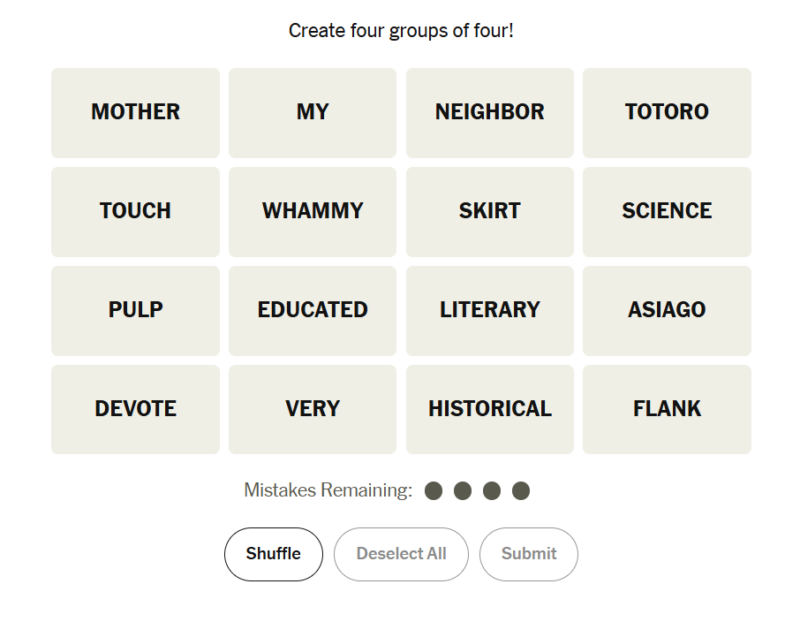
NYT Connections Hints: 23 April 2026
Category 1:
- Think about words that relate to edges or boundaries
- These can describe physical or abstract limits
- Often used when something is beside or near another
- Can also mean to make contact with an outer edge
Category 2:
- These describe genres or classifications
- Commonly used in literature discussions
- Some relate to time periods or stylistic approaches
- You might see these in bookstore sections
Category 3:
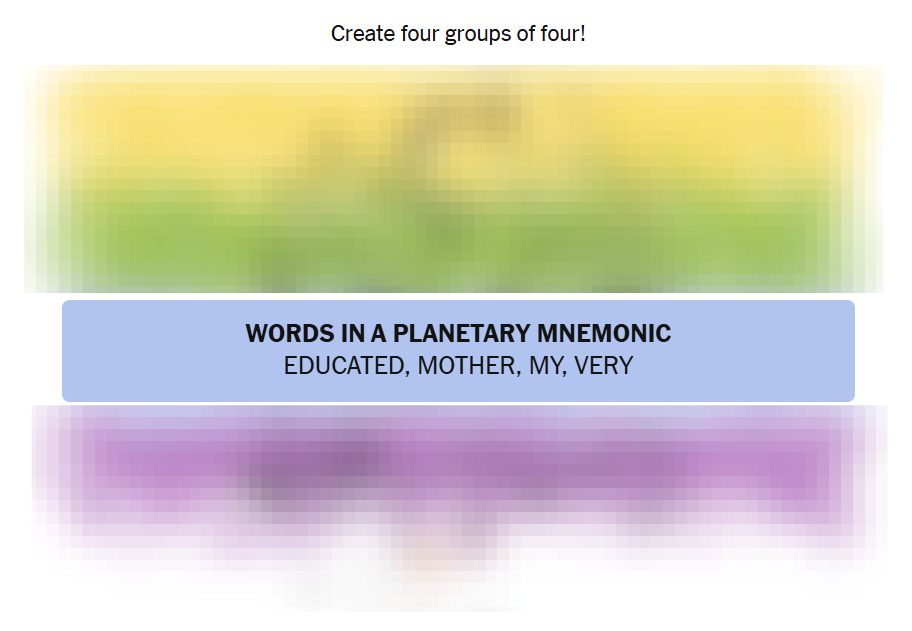
- These words come from a well-known learning phrase
- Associated with remembering a sequence
- Often taught in school science classes
- Think of planets and their order
Category 4:
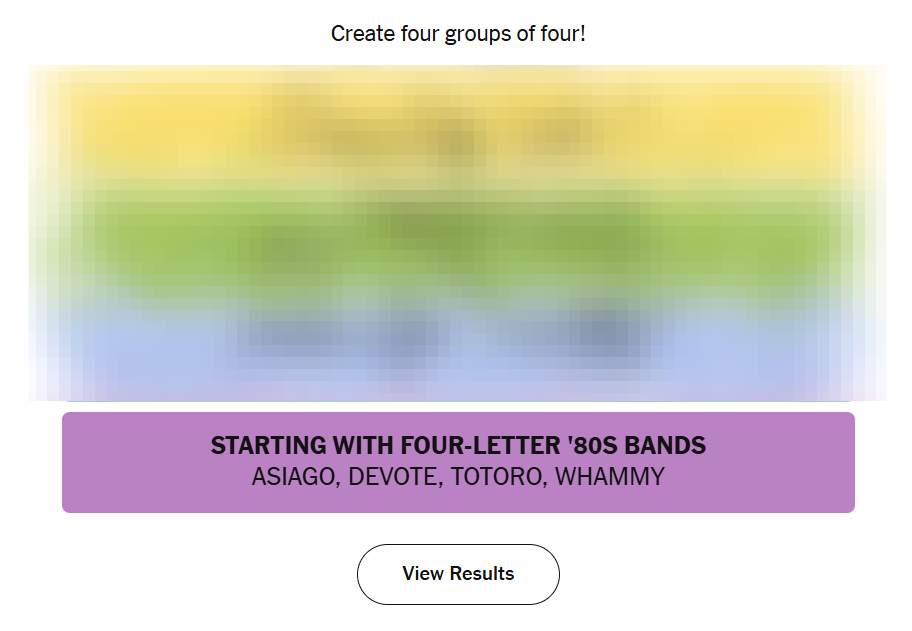
- Each word begins with the same four-letter sequence
- That sequence is also the name of a famous band
- The rest of the word forms something unrelated
- A fun mix of music and wordplay
NYT Connections Answers: 23 April 2026
Here are the answers, grouped by category.
Category 1:
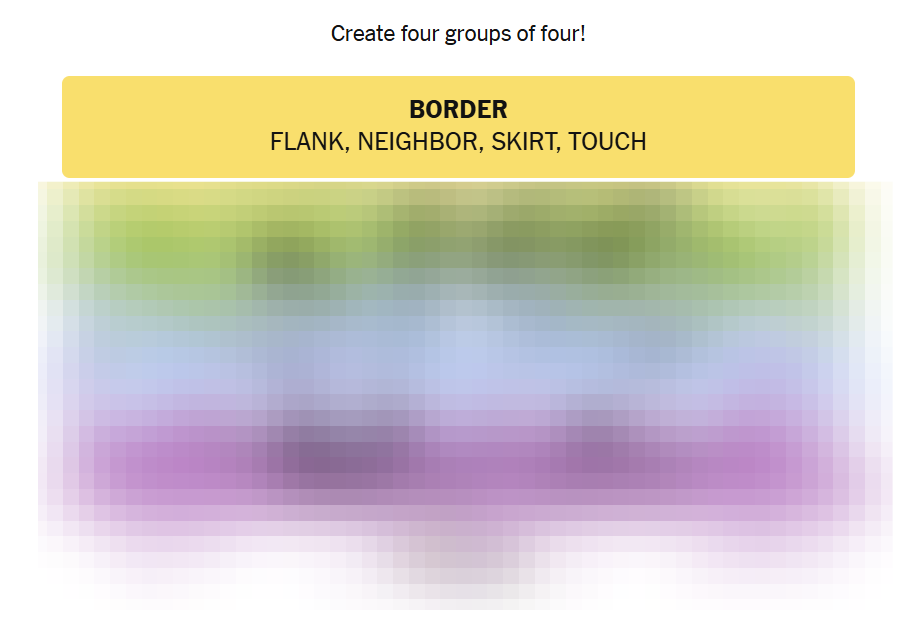
Category 2:
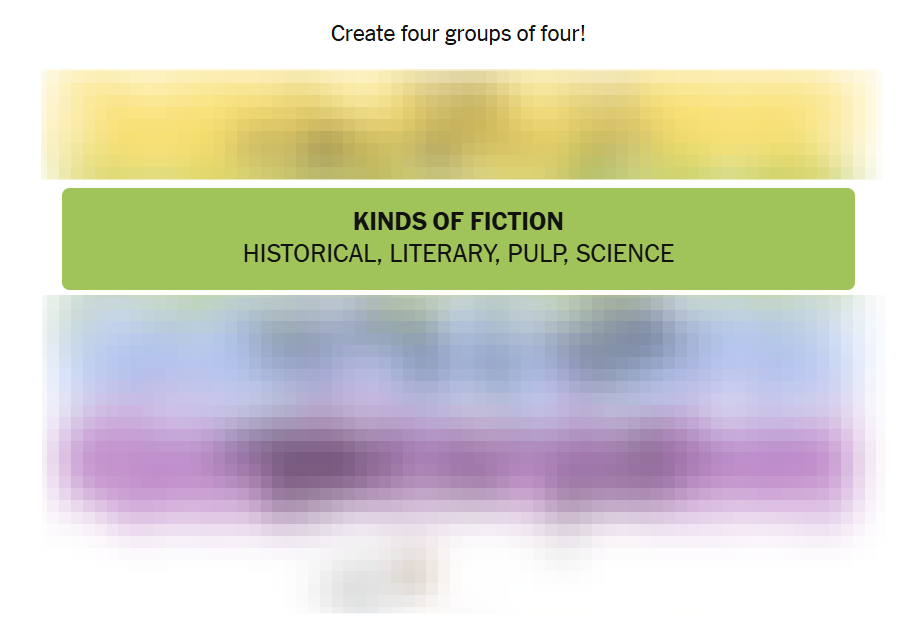
Category 3:
Category 4:
Conclusion & Quick Strategy Tip
The 23 April 2026 Connections puzzle balances straightforward action words with trickier conceptual links, making it satisfying once everything clicks. Quick strategy tip: lock in obvious verb groups early, then examine remaining words for structural patterns or shared cultural references.