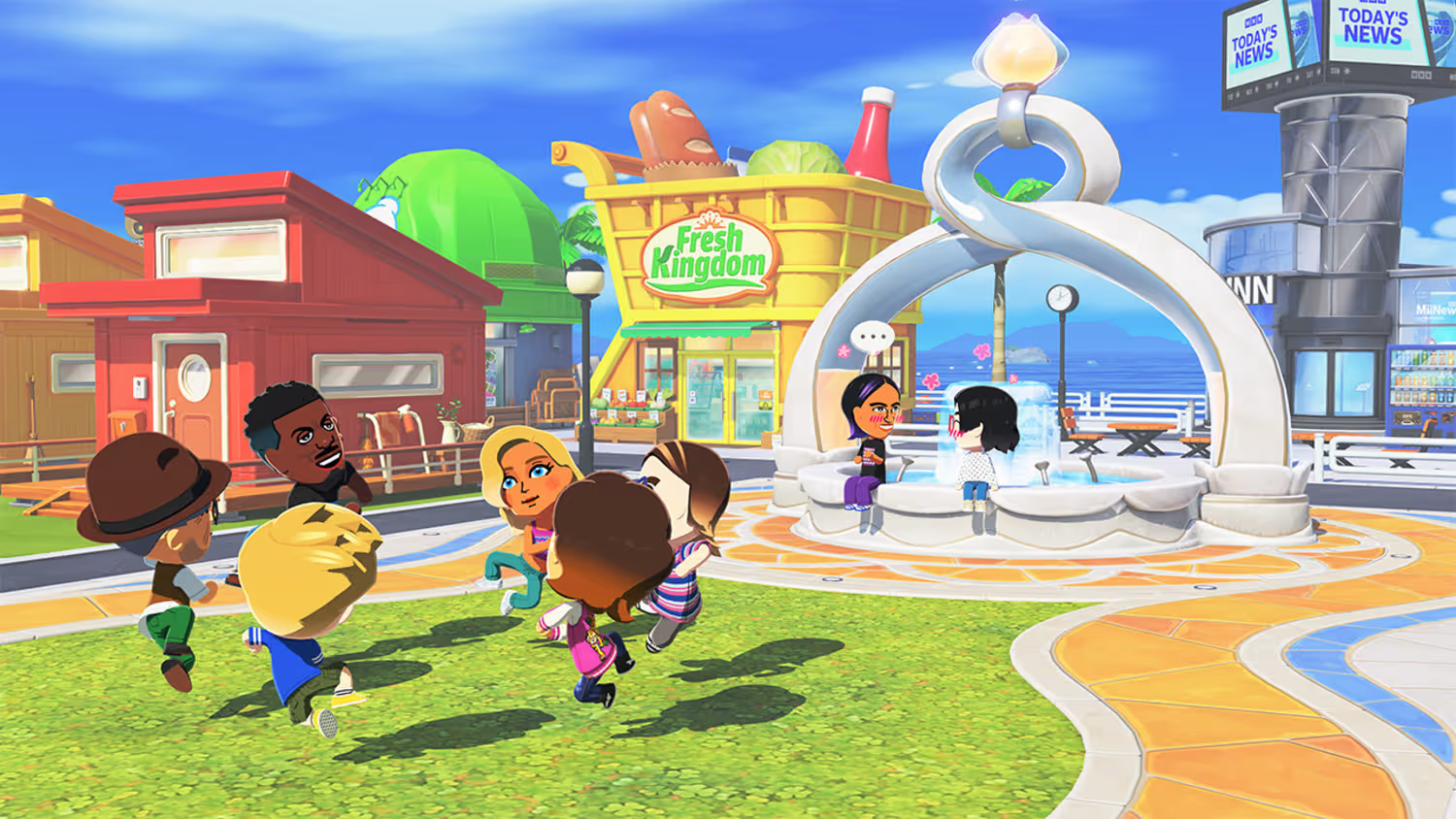
What to know
- The island supports roughly 70 Miis at a time
- This is lower than the 100 Mii cap in the original game
- Improved simulation and AI interactions explain the reduced limit
- The cap applies to all residents, including children and families
When you first jump into Tomodachi Life: Living the Dream, it’s natural to assume a newer system would allow for more characters. Instead, the game takes a different direction. It focuses on depth over scale, meaning your island becomes more about meaningful interactions than sheer population size.
So, how many Miis can you fit on your island?
You can have up to 70 Miis in your Tomodachi Life: Living The Dream island.
The reduced cap is directly tied to how much more complex the simulation has become. In this version, Miis are no longer confined to a static apartment building. They move around the island freely, interact in more organic ways, and respond to a wider range of events and relationships.
This added realism increases the processing load significantly, which is why the developers appear to have chosen a lower cap to maintain smooth performance. When you’re playing, you’ll notice that interactions feel less repetitive and more personal, which is a direct result of this design choice.
| Feature | Living the Dream |
|---|---|
| Maximum Miis | ~70 |
| Housing Type | Mixed (rooms, shared homes) |
| Includes Families | Yes |
| Expandable Limit | Not currently confirmed |
How this compares to the original Tomodachi Life
| Aspect | Original Game | Living the Dream |
|---|---|---|
| Mii Limit | 100 | ~70 |
| Interaction Depth | Simpler | More advanced |
| World Design | Apartment-focused | Open island |
| Gameplay Focus | Quantity | Depth |
The difference becomes clear once you spend time with both versions. While the original allowed for larger populations, the newer game creates more meaningful interactions that make each Mii stand out.
How housing changes the way population feels
Housing plays a major role in making the island feel lively despite the smaller number. Instead of stacking every Mii into identical units, the game introduces shared homes, family setups, and different living arrangements.
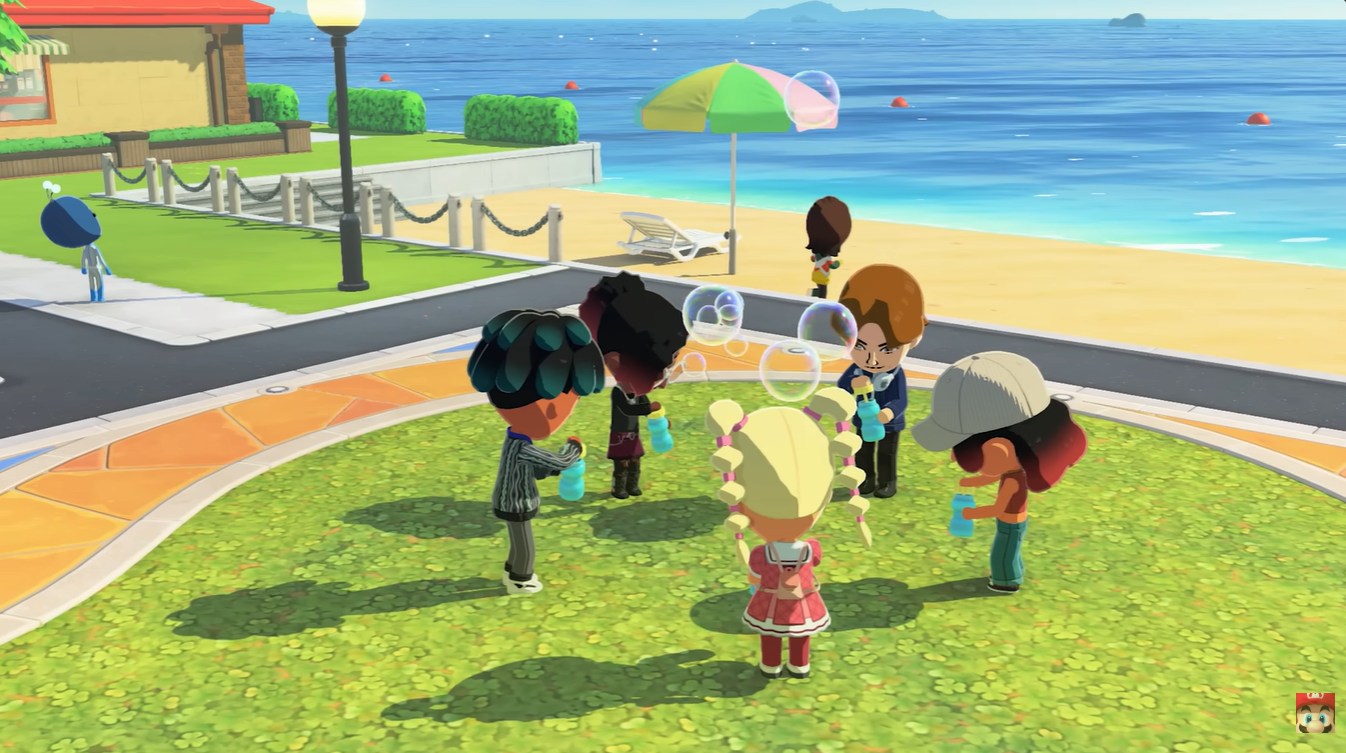
You might have several Miis living together under one roof, while others live independently, which creates a sense of variety and makes the island feel denser than the number suggests. As you spend time managing your island, you’ll likely notice that it rarely feels empty, even when you’re far from hitting the cap.
How the limit affects families and new Miis
Yes—the total population cap includes all Miis on your island. The population cap includes every single resident on your island, regardless of age or role. This means that when families grow or new characters are introduced, they all count toward the same total.
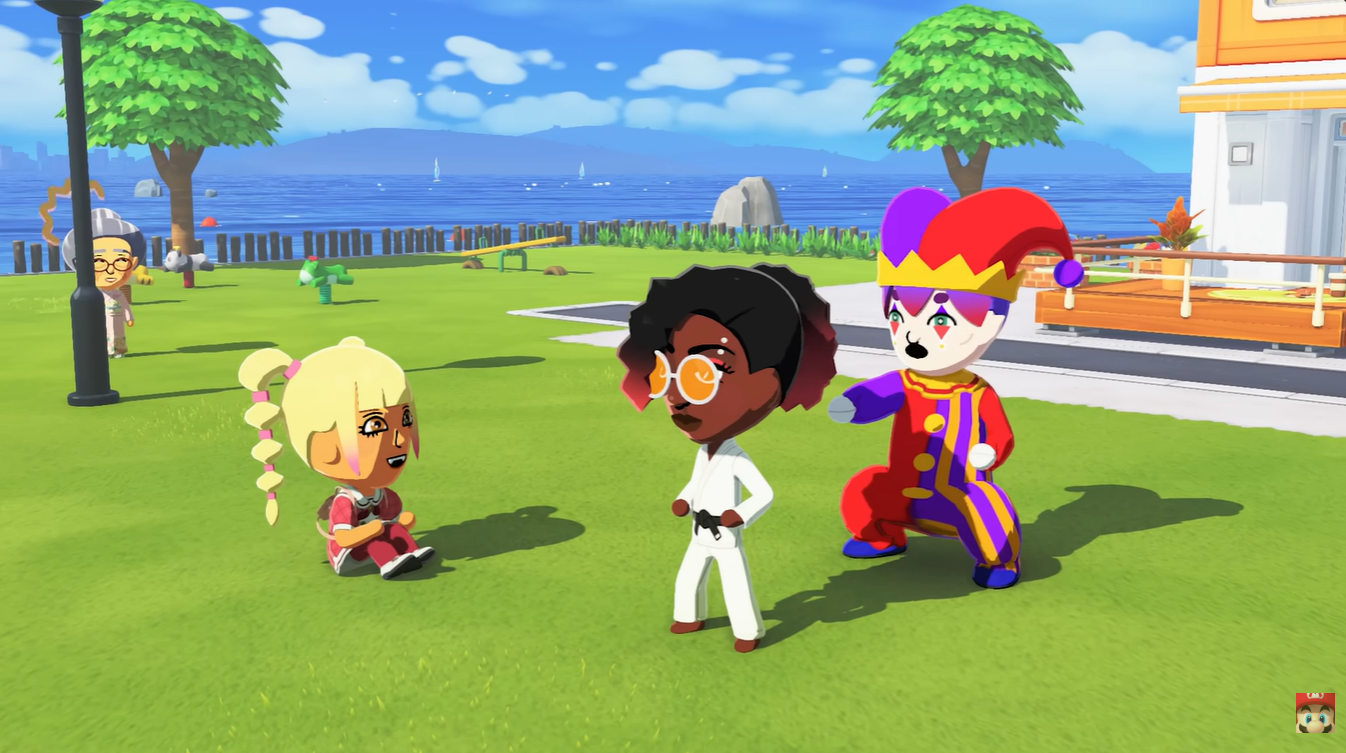
When you approach the limit, you’ll start to feel the need to make decisions about who stays and who goes. Growth slows down naturally, and you may have to prevent new additions or remove existing Miis to keep things balanced. This adds a subtle layer of strategy that wasn’t as prominent before.
What happens when your island is full
Reaching the cap doesn’t break the game, but it does change how you play. At that point, your focus shifts from expansion to management. You’ll be maintaining relationships, resolving conflicts, and shaping the lives of the Miis already present.
The game essentially encourages you to curate your island rather than endlessly expand it. This shift makes each Mii feel more important, as every slot is valuable.
Could the Mii limit increase later?
At the moment, the 70 Mii cap appears to be the intended design choice. While it’s always possible that updates could adjust this, there hasn’t been any confirmed change so far.
If anything, the current structure suggests that the developers prioritized stability and interaction quality over pushing the system to its limits. So as you build your island, it’s best to plan with this cap firmly in mind.