What to know
- Bush enemies disguise themselves as normal vegetation and attack only when approached
- Force Palm is essential to expose the weak core before dealing damage
- Larger variants can stun-lock you with dropped hazards
- They commonly drop valuable Abyss Cells, sometimes flagged as illegal loot
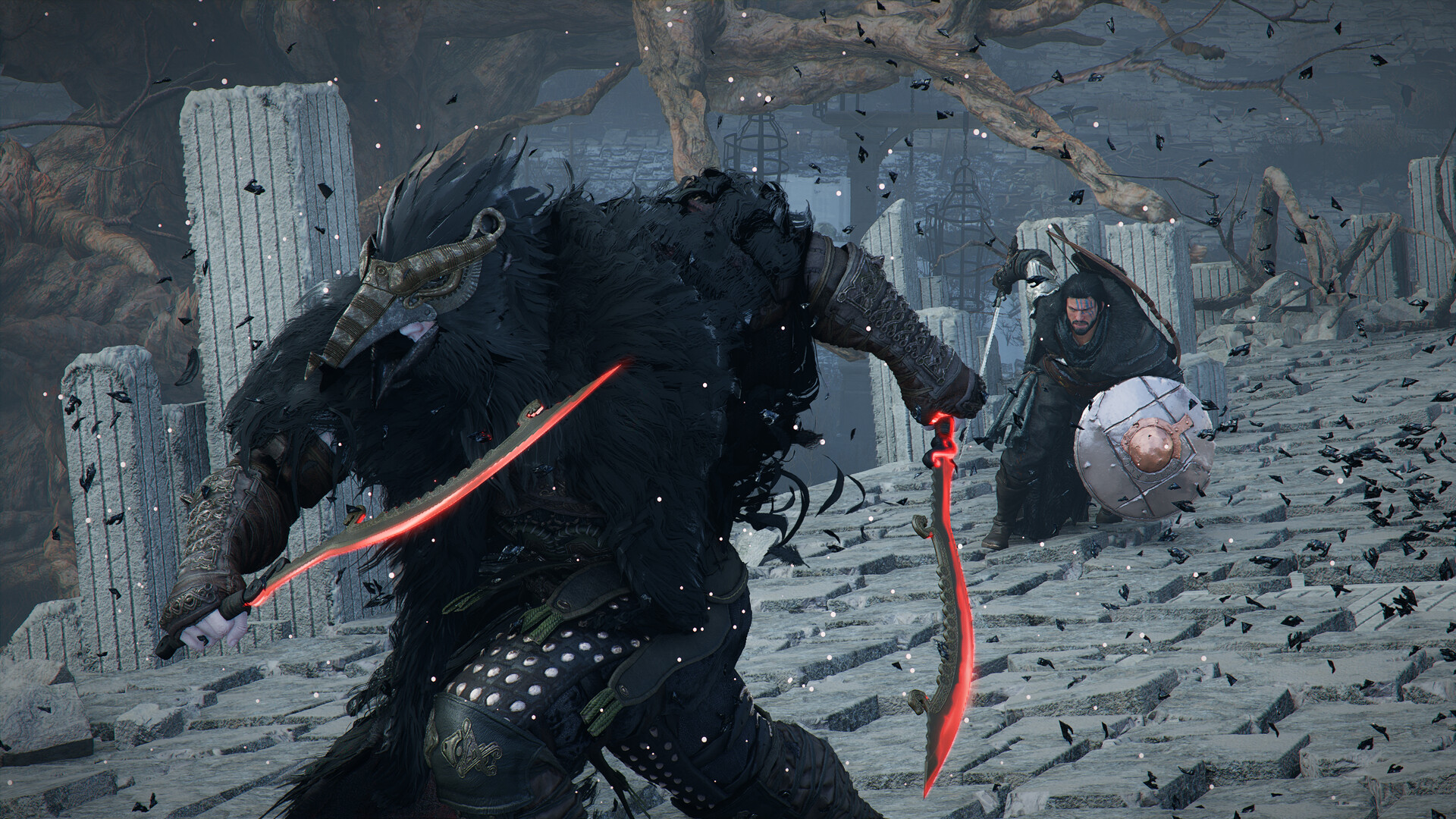
You will encounter plenty of environmental threats in Crimson Desert, but bush enemies stand out because they blend seamlessly into the world, turning peaceful exploration into sudden combat. Understanding how they behave and how to counter them can save you from unnecessary damage and help you farm valuable resources efficiently.
Bush Enemies in Crimson Desert Explained
| Aspect | Details |
|---|---|
| Enemy Type | Camouflaged environmental enemy |
| Common Locations | Haunting Hill (Hernand), Black Wall (Pailune), forest stone pits |
| Behavior | Passive until approached, then ambushes |
| Weakness | Leaves must be removed first |
| Key Ability Needed | Force Palm |
| Valuable Drops | Abyss Cells, materials |
| Risk Factor | Larger bushes can stun-lock players |
Where to find Bush Enemies
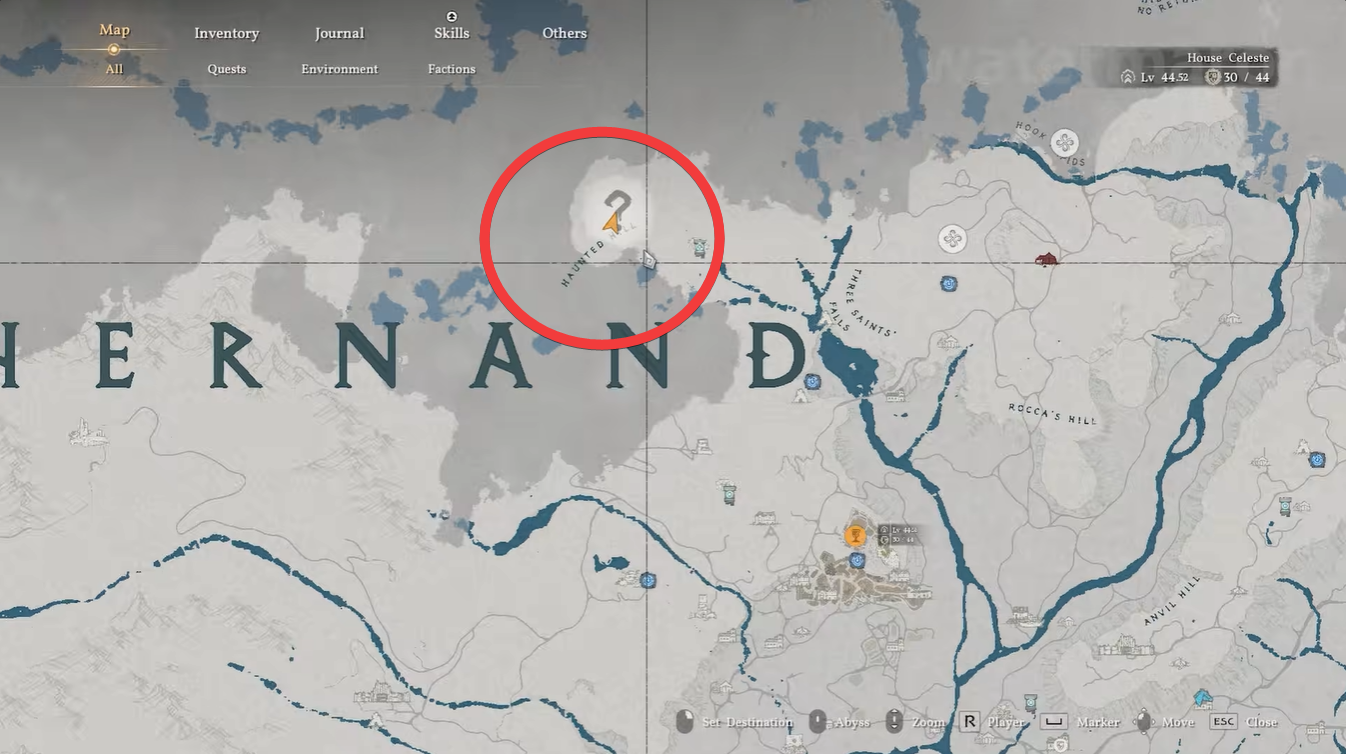
Bush enemies are most commonly found in dense forest regions, especially areas that already feel slightly suspicious. Locations like Haunting Hill in Hernand and Black Wall in Pailune are known hotspots, particularly near stone pits where resources are abundant.
You might walk past several harmless bushes, which makes it harder to identify the dangerous ones. This unpredictability is what makes them effective ambush predators, especially when you are focused on gathering materials.
How Bush Enemies behave and trigger attacks
Unlike traditional enemies, bush enemies do not actively patrol or chase you from a distance. They remain stationary and disguised until you enter their proximity.
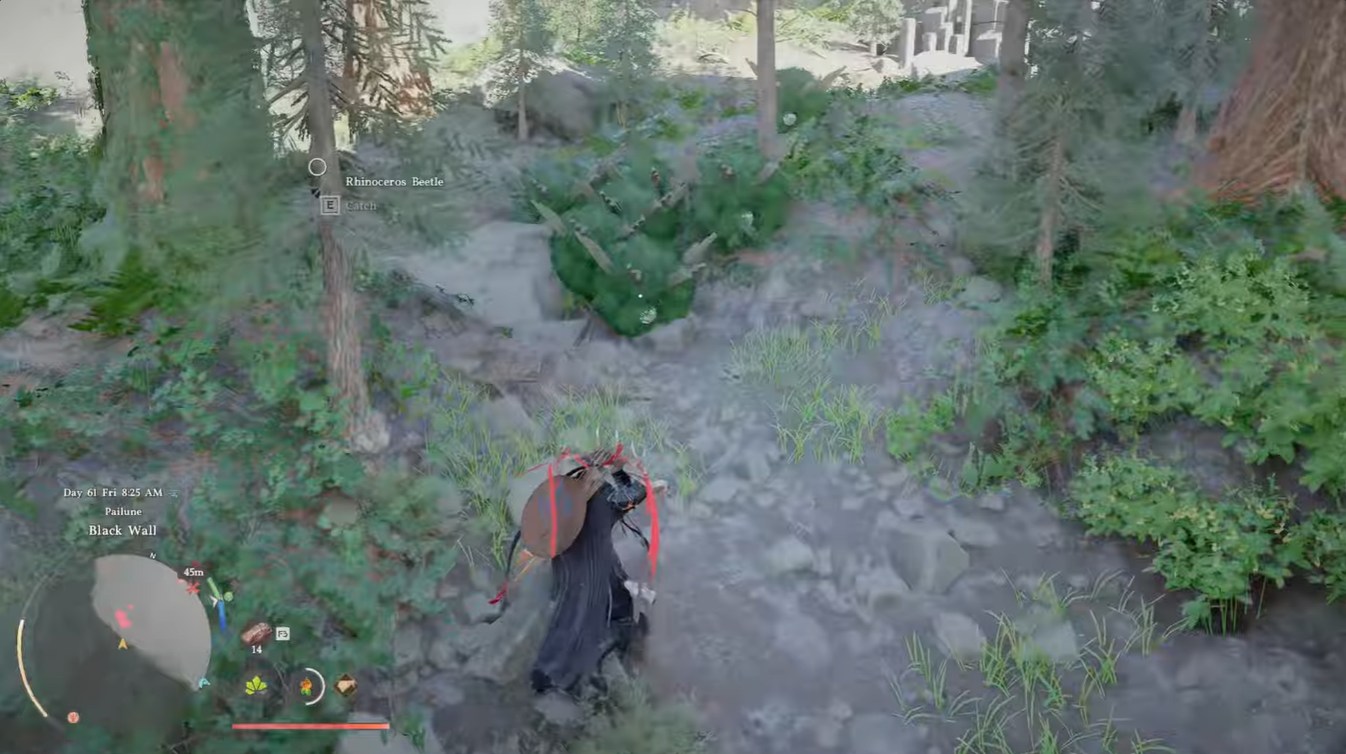
Once triggered, they attack instantly and aggressively, often catching you off guard. Smaller bushes are manageable, but larger variants introduce additional hazards that can escalate the fight quickly.
Their combat pattern is simple yet effective, relying on surprise rather than strength. This makes awareness and preparation more important than raw combat skill.
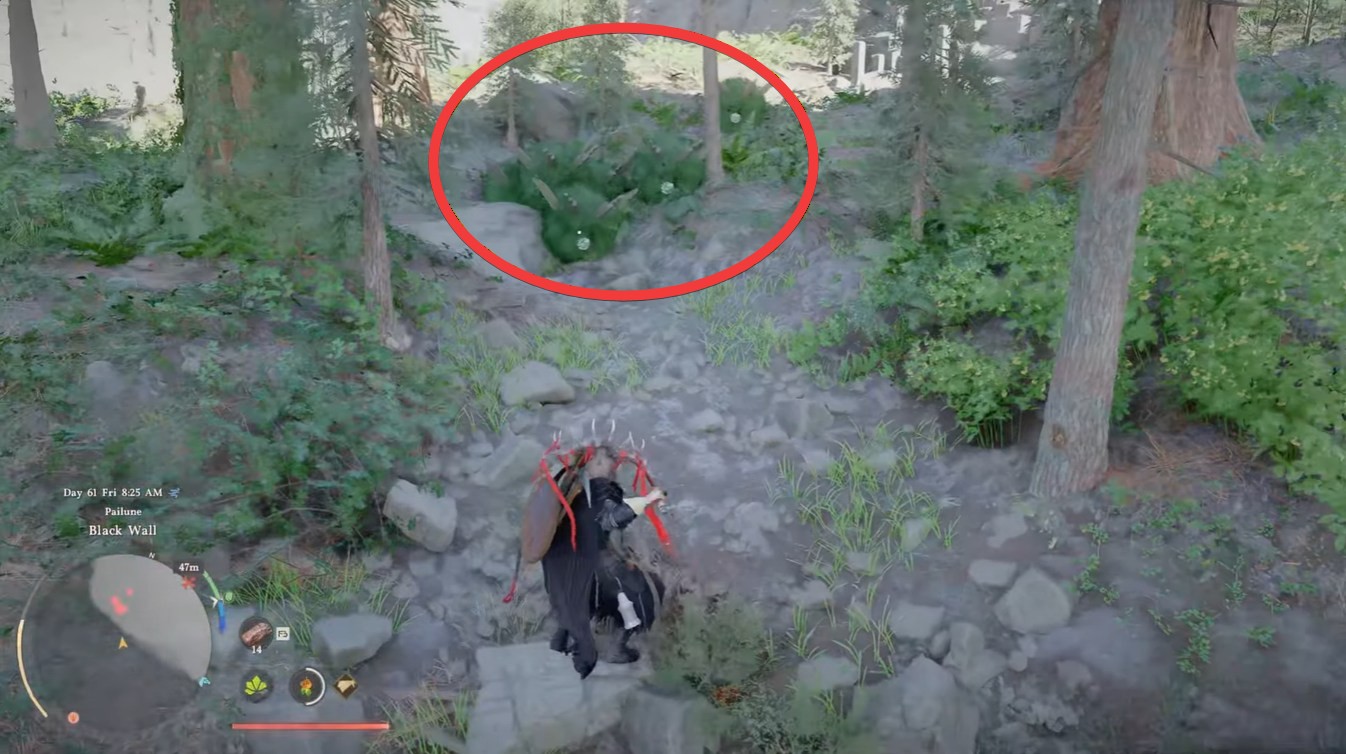
Using Force Palm to counter bush enemies effectively
The key to defeating bush enemies lies in understanding their layered defense system. Their leafy exterior acts as a protective barrier, making direct attacks inefficient.
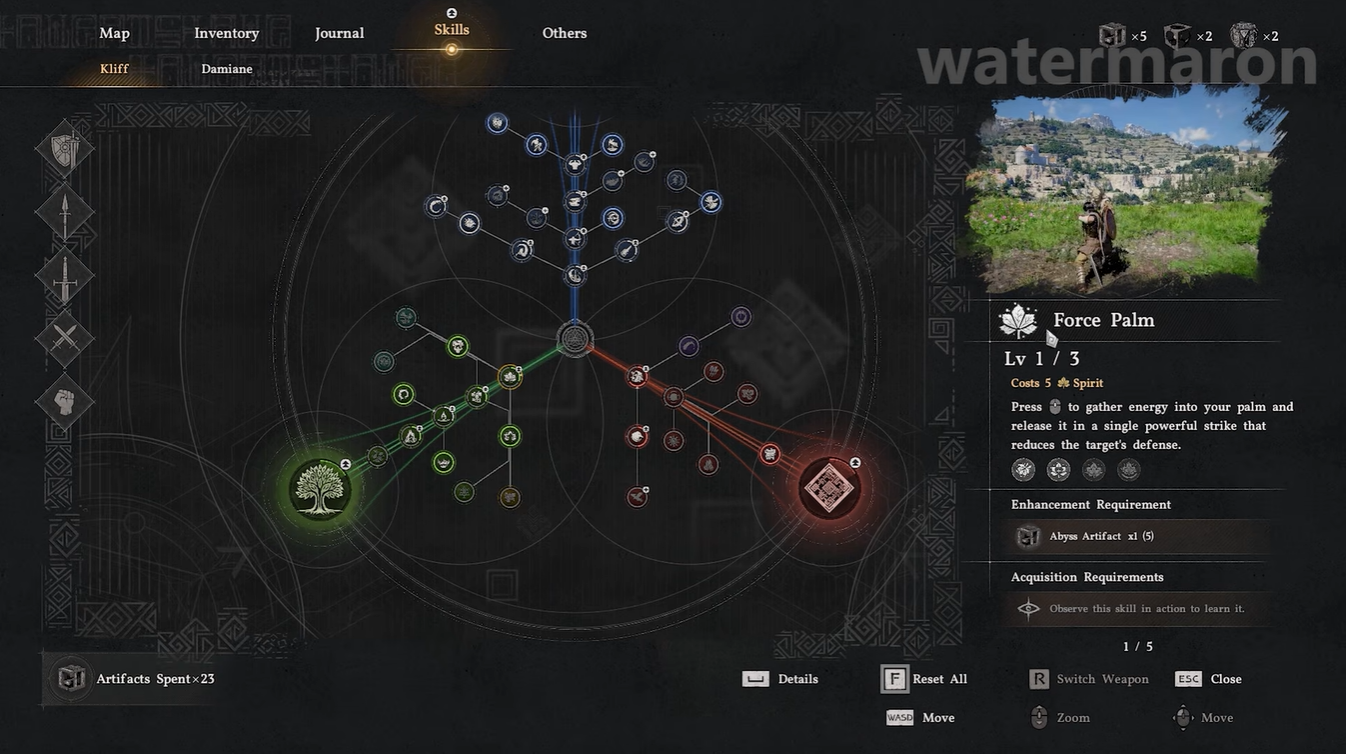
Force Palm is essential because it strips away this outer layer, exposing the vulnerable core underneath. Once exposed, the enemy becomes significantly easier to defeat using standard attacks.
Without using this ability first, you may find yourself dealing minimal damage and taking unnecessary hits. Timing your Force Palm correctly ensures you control the encounter from the start.
Managing large bush hazards without getting stun-locked
Larger bush enemies add a dangerous twist to encounters. After being exposed, they drop hazardous objects that can repeatedly stun you, potentially locking you into a cycle of damage if not handled properly.
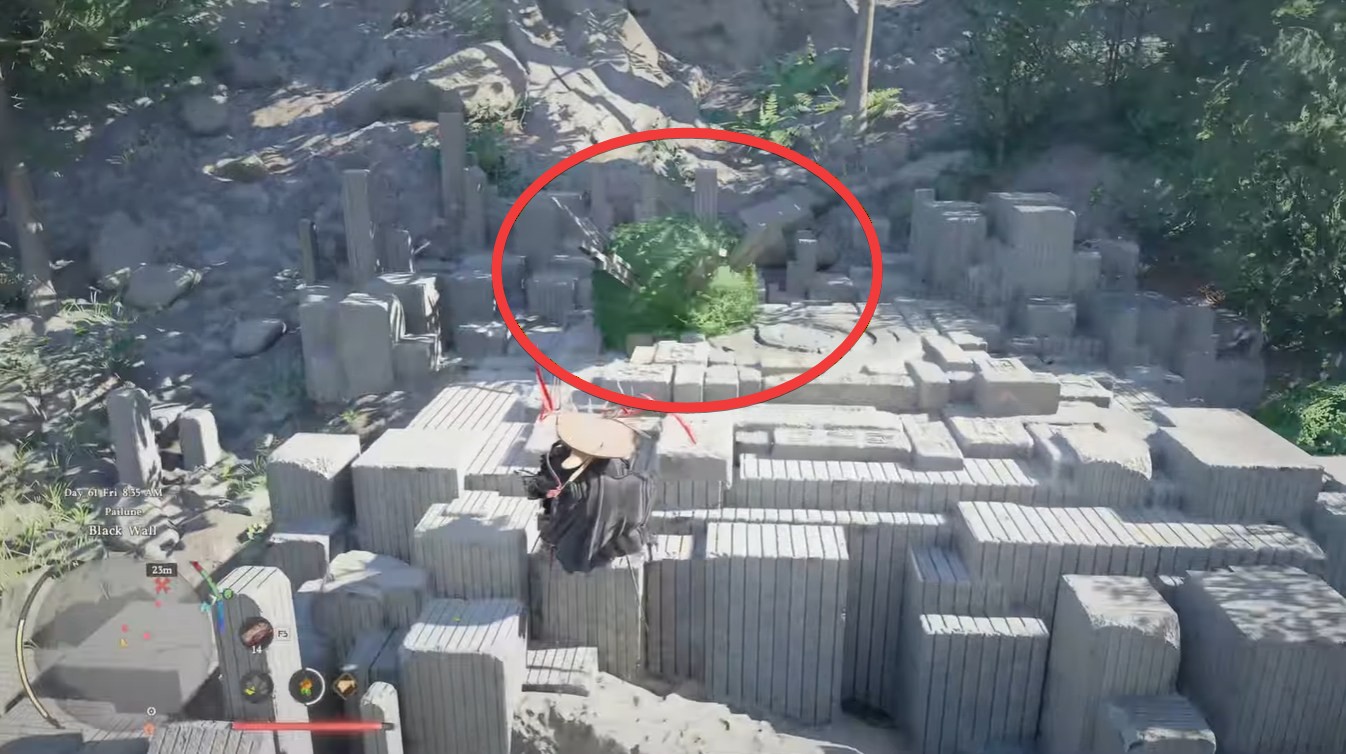
To deal with this safely, you need to quickly neutralize the object using your claw ability and store it in your Kuku Pot. This removes the threat entirely and allows you to finish the fight without interruption.
Ignoring this mechanic is one of the most common mistakes, and it often turns an otherwise simple encounter into a frustrating one.
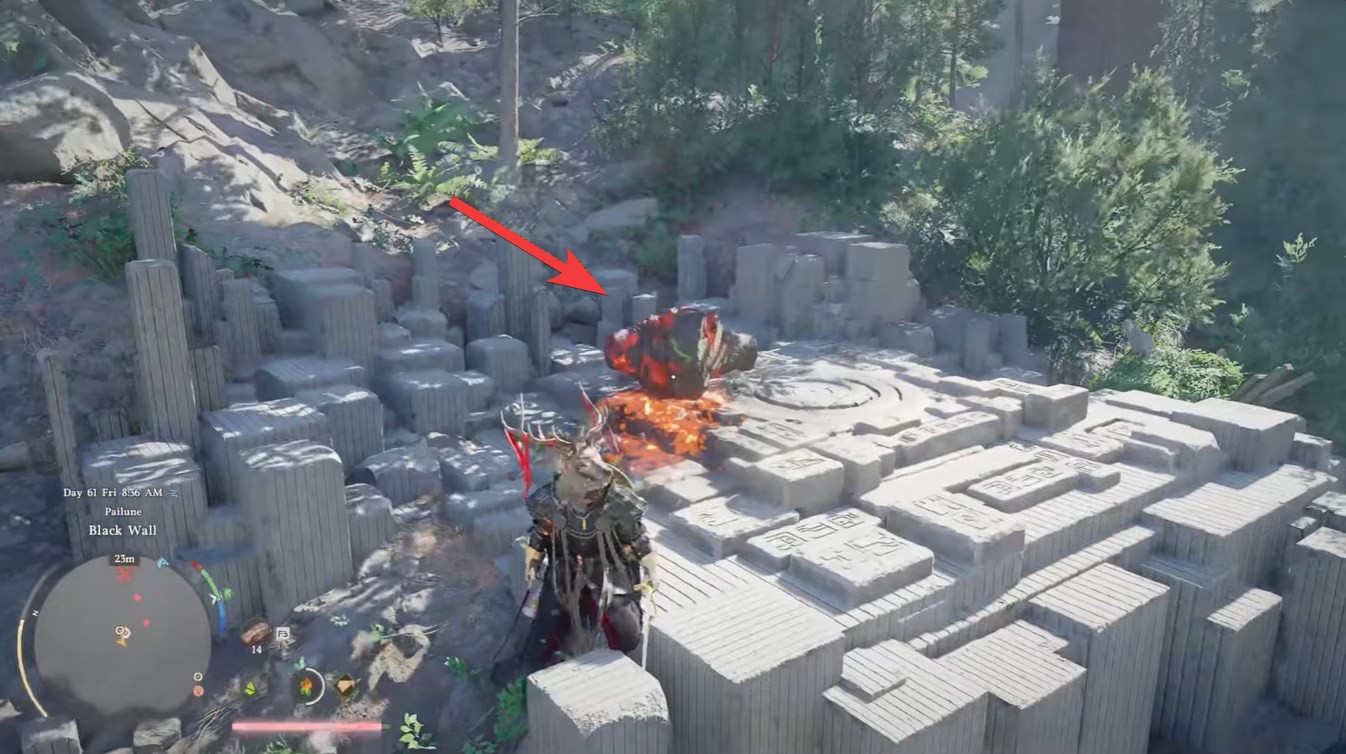
Why Abyss Cells from bush enemies matter
One of the biggest reasons to engage with bush enemies is their loot. They frequently drop Abyss Cells, which are crucial for progression and crafting systems.
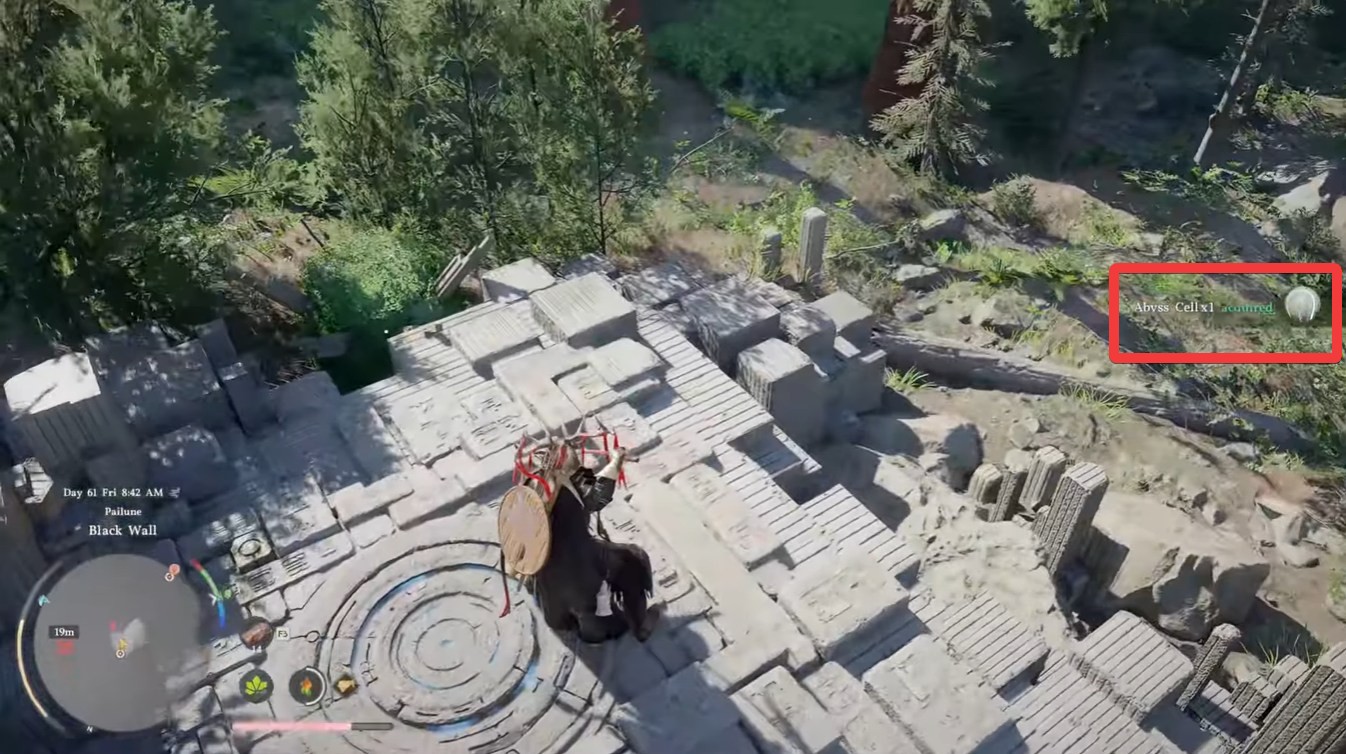
However, there is an important caveat. In certain regions, collecting Abyss Cells can be considered a crime, meaning you may face consequences depending on where you are farming.
Even though bush enemies are designed to blend in, there are small details that can help you identify them. Clusters near resource-rich areas, unnatural positioning, or repeated patterns of identical bushes can signal danger.
Over time, you will develop a sense for spotting suspicious areas. Keeping Force Palm ready while exploring forests is a simple habit that can prevent surprise attacks.