The New York Times Connections puzzle challenges players to sort 16 seemingly unrelated words into four connected groups. Each group shares a hidden link. Today’s grid blends physical actions, clever rearrangements, and nostalgic references, making it both playful and slightly deceptive. Below you’ll find gentle hints to guide your thinking, followed by the complete solutions once you’re ready to check your work.
NYT Connections Puzzle Overview: 31 March 2026
Today’s grid balanced direct vocabulary links with a playful twist in phrasing. Some groups were relatively easy to spot, especially if you focused on common themes, while others relied on how words interact in phrases. Many players likely found themselves second-guessing early groupings before everything clicked into place.
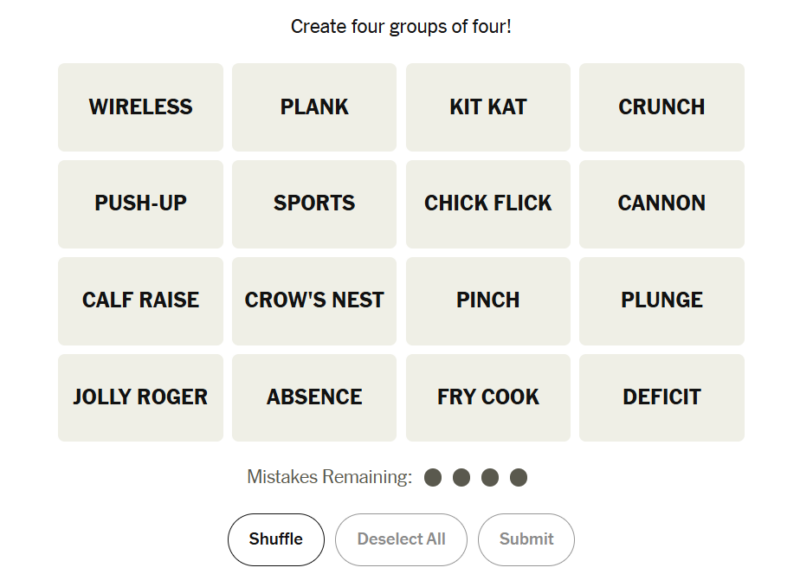
NYT Connections Hints: 31 March 2026
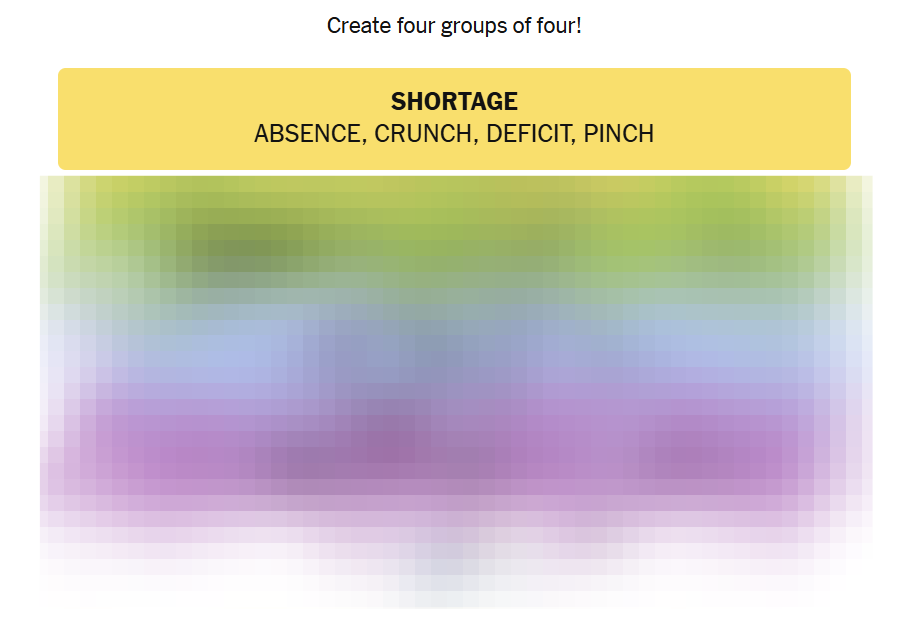
Category 1:
- Think about situations involving lack or insufficiency
- Often used in news or economic contexts
- Words that suggest “not enough”
- Can describe pressure or scarcity
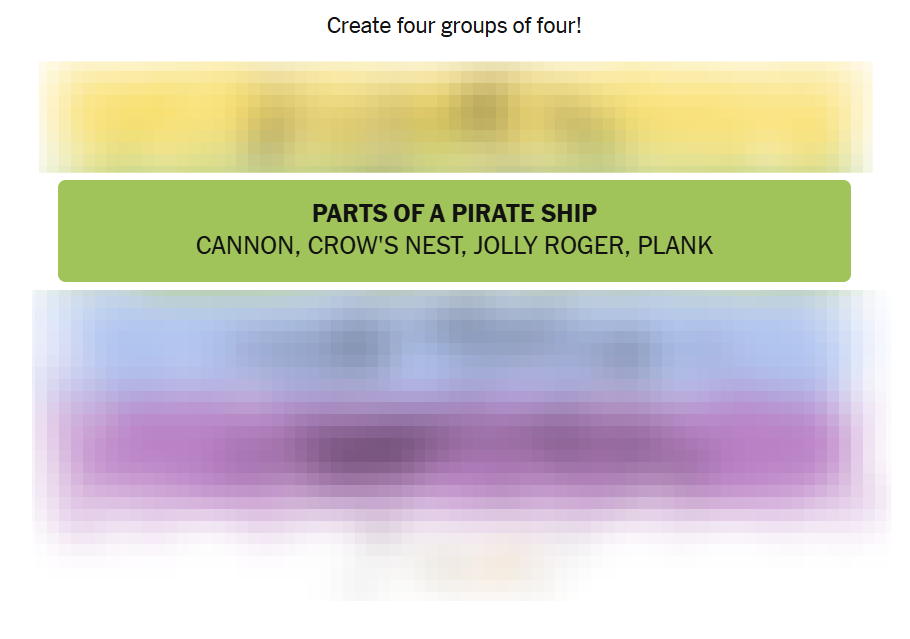
Category 2:
- Nautical theme with a swashbuckling twist
- Associated with classic pirate imagery
- Items or features found on a specific type of ship
- Think of adventure stories on the sea
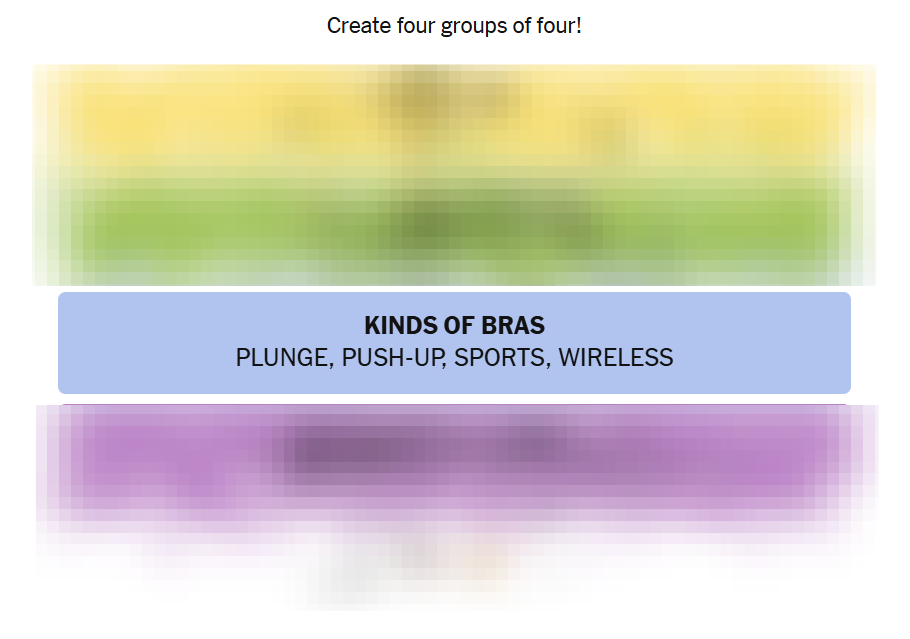
Category 3:
- Clothing category with functional variations
- Designed for support and comfort
- Common retail terms in fashion
- Differ based on structure and purpose
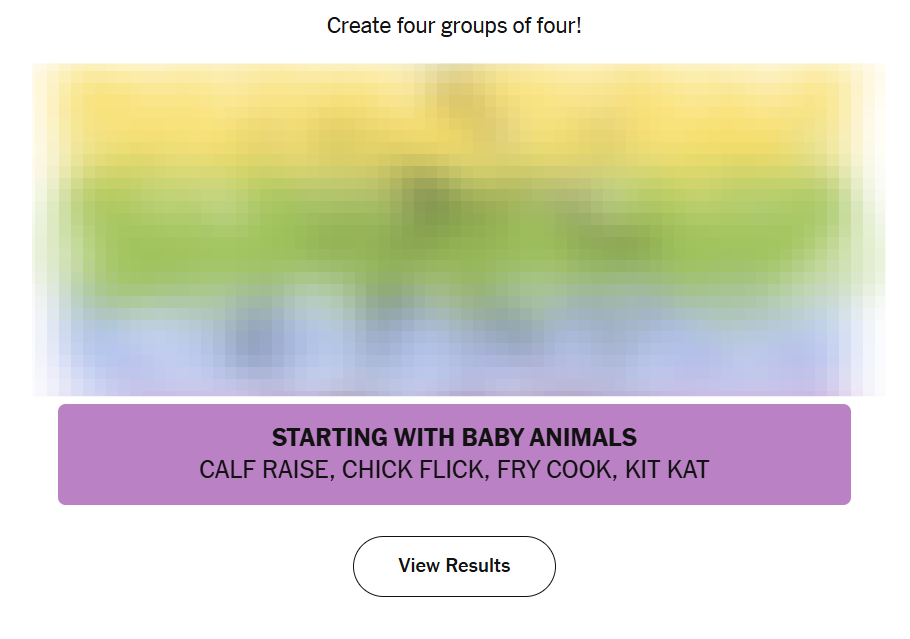
Category 4:
- Focus on the first word in each phrase
- All begin with young animals
- The second word completes a familiar expression
- Think of common two-word phrases
NYT Connections Answers: 31 March 2026
Here are the answers, grouped by category.
Category 1:
Category 2:
Category 3:
Category 4:
Conclusion & Quick Strategy Tip
The 31 March 2026 Connections puzzle balances straightforward action words with trickier conceptual links, making it satisfying once everything clicks. Quick strategy tip: lock in obvious verb groups early, then examine remaining words for structural patterns or shared cultural references.