
What to know
- Microsoft has launched Copilot Health, an AI-powered feature inside its Copilot platform.
- It can analyze medical records, lab results, and wearable data to generate personalized insights.
- The tool aims to help you understand health information and prepare better for doctor visits.
- Microsoft says strong privacy controls protect sensitive health data.
Microsoft has introduced Copilot Health, a new artificial intelligence feature designed to help you better understand your personal health information. The tool works inside Microsoft’s Copilot platform and acts as a digital assistant that can review your medical records, lab results, and wearable device data to provide insights about your health.
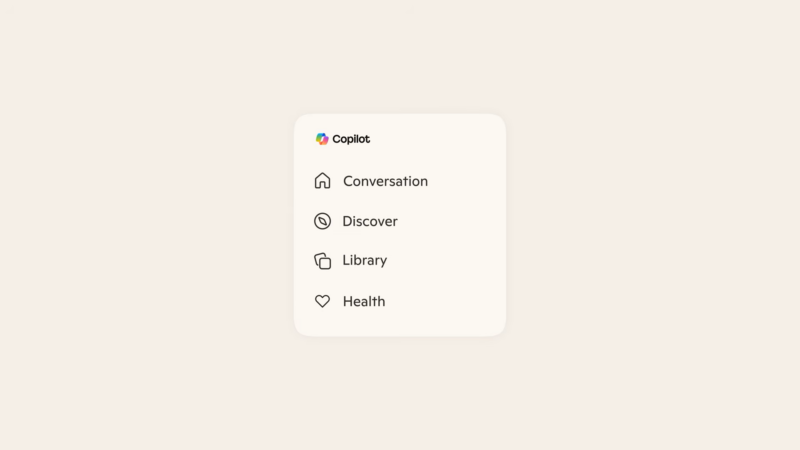
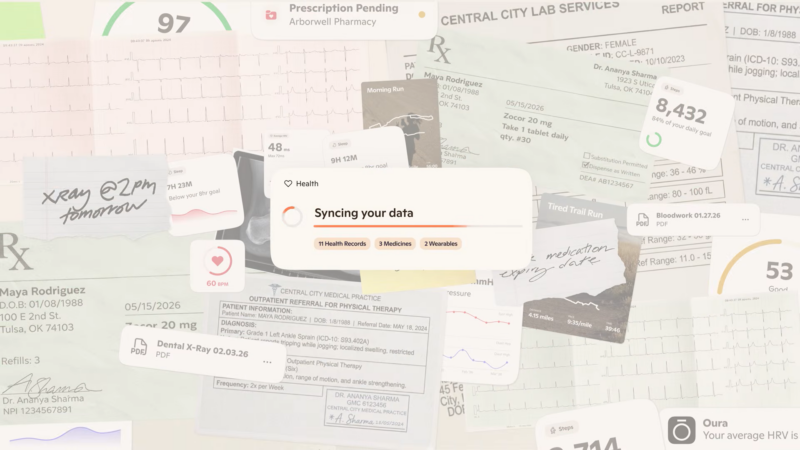
The idea behind Copilot Health is to bring together different sources of health data that are often scattered across apps, hospital portals, and fitness trackers. Once the data is connected, the AI organizes it into a single profile and analyzes patterns to help explain what the information means. For example, it can connect sleep trends from wearable devices with other health indicators to give you a clearer picture of your overall wellbeing.
You can import electronic health records, visit summaries, medication lists, and lab test results from healthcare providers. The system currently supports connections with more than 50,000 healthcare organizations and can also integrate data from over 50 wearable devices, including products from Apple, Fitbit, and Oura.
Once the data is connected, Copilot Health analyzes it using AI to generate personalized health insights. These insights may include explanations of medical test results, summaries of health trends, or suggestions for questions you may want to ask during your next doctor visit. Microsoft says the goal is not to replace doctors but to help you arrive at appointments better prepared and more informed about your own health.
The tool can also help you search for healthcare providers. It connects to real-time directories that allow you to look for doctors based on factors such as specialty, location, language, and insurance coverage. The information provided by the AI is supported by verified medical sources and expert-reviewed content to improve reliability.
Privacy and data protection are central to the design of Copilot Health. Microsoft states that conversations and data within the feature are stored separately from the main Copilot system and protected through encryption and strict access controls. Users can also disconnect connected data sources or delete stored information whenever they choose. The company also says that health data shared in the system is not used to train its AI models.
The launch reflects a growing trend of AI tools designed specifically for healthcare. Companies are increasingly building assistants that help people interpret health information, manage chronic conditions, and navigate complex healthcare systems. Microsoft views Copilot Health as a step toward more advanced medical AI that could eventually combine broad medical knowledge with personalized health data to support better decision-making.
Copilot Health is currently rolling out gradually and is initially available to adults in the United States through an early access program. Microsoft plans to expand the feature with more languages, integrations, and regions in the future as the technology evolves and regulatory requirements are addressed.