
The New York Times Connections puzzle challenges players to sort 16 seemingly unrelated words into four connected groups. Each group shares a hidden link. Today’s grid blends physical actions, clever rearrangements, and nostalgic references, making it both playful and slightly deceptive. Below you’ll find gentle hints to guide your thinking, followed by the complete solutions once you’re ready to check your work.
NYT Connections Puzzle Overview: 10 March 2026
Today’s grid blends language from different contexts — cooking, family slang, geography, and action words. Some groups feel straightforward once spotted, but the puzzle also includes words that could belong to multiple themes, which may slow solvers down before the right connections click into place.
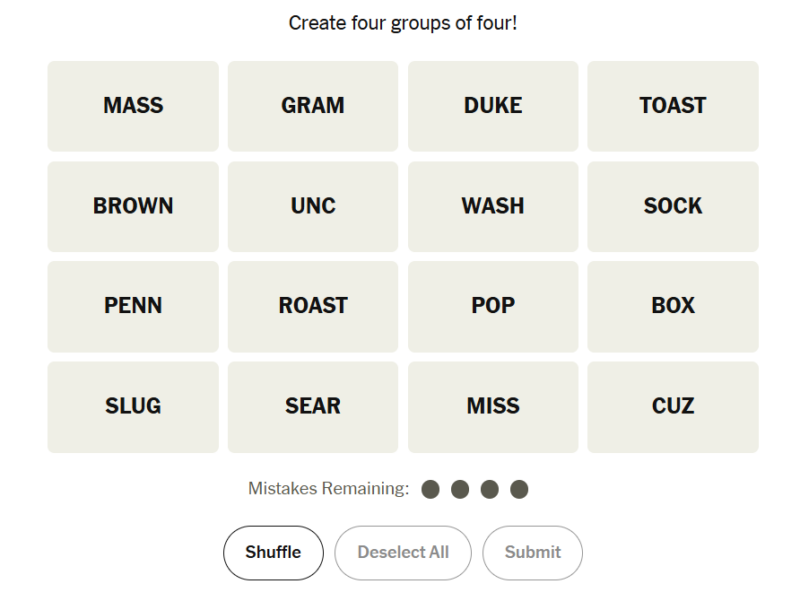
NYT Connections Hints: 10 March 2026
Category 1:
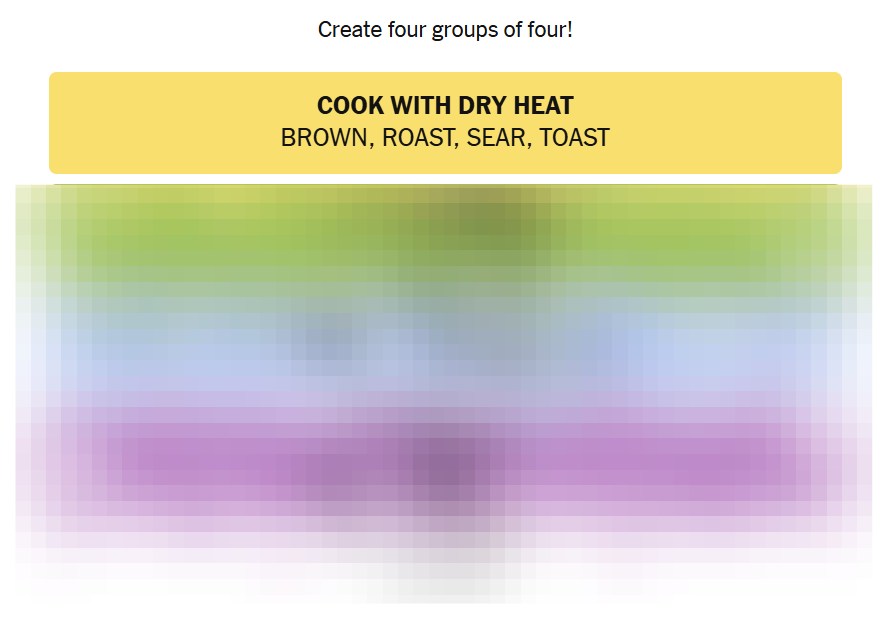
- Think of cooking methods that rely on high heat without liquid.
- These words describe what happens when food develops color or crispness.
- Often used when preparing meat, bread, or vegetables.
- All four terms appear frequently in recipes.
Category 2:
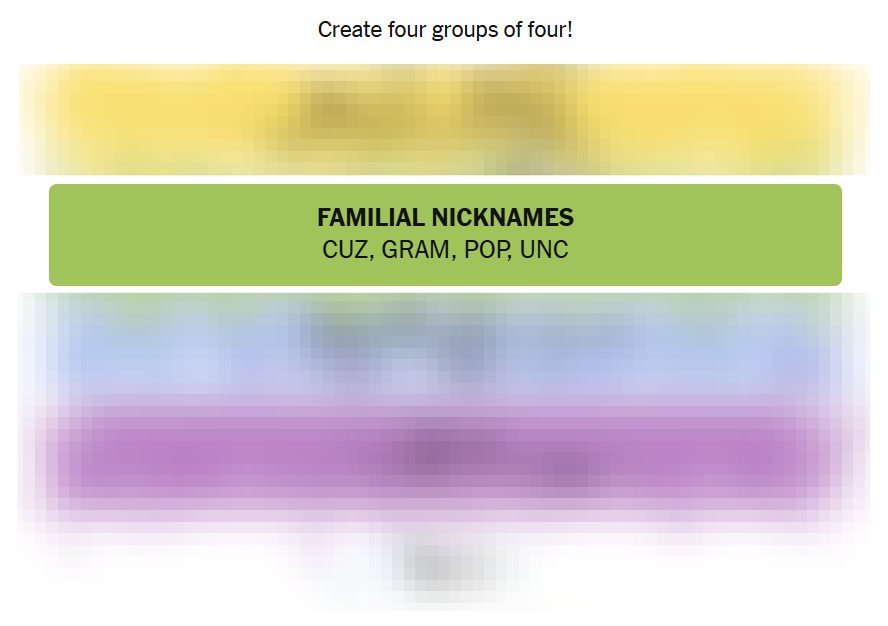
- Informal ways to refer to family members.
- These are short, casual spoken terms.
- You might hear them in conversation rather than formal writing.
- Several refer to relatives from older generations or extended family.
Category 3:
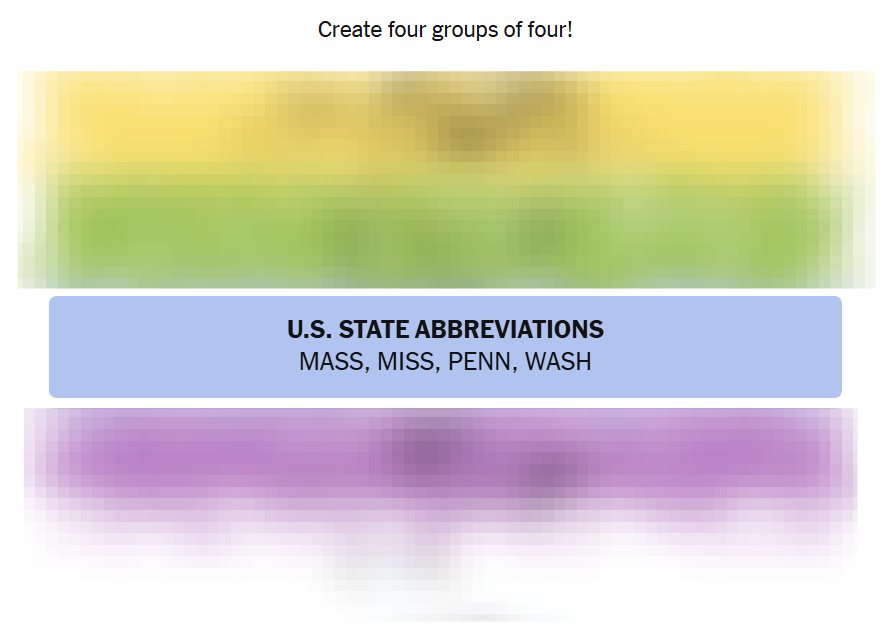
- These shortened forms appear in U.S. geography.
- Each represents a state name in abbreviated style.
- They aren’t the typical two-letter postal codes.
- Think older or traditional shortened state references.
Category 4:
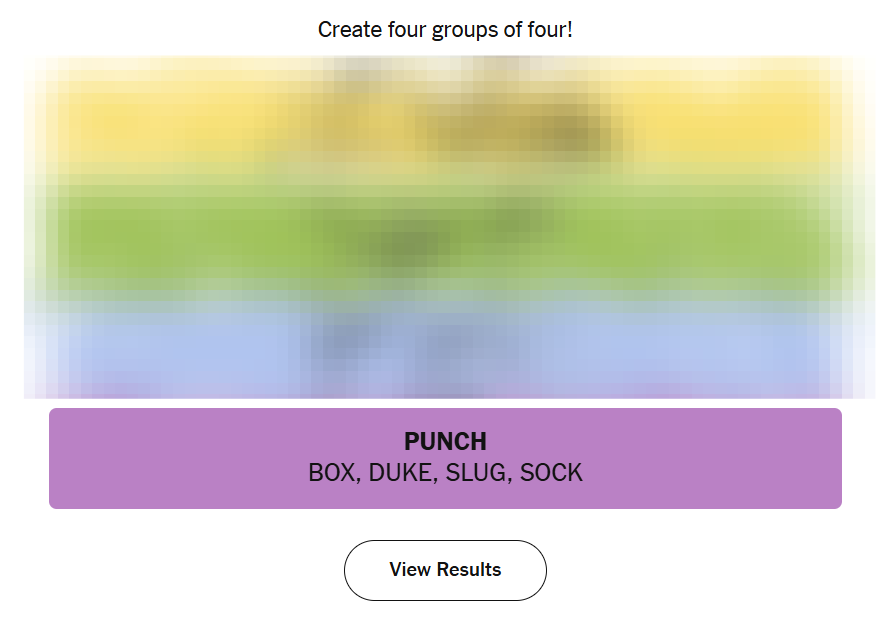
- Words related to hitting someone.
- Often heard in sports or action scenes.
- Some are slang expressions.
- All describe delivering a strike with force.
NYT Connections Answers: 10 March 2026
Here are the answers, grouped by category.
Category 1:
Category 2:
Category 3:
Category 4:
Conclusion & Quick Strategy Tip
The 10 March 2026 Connections puzzle balances straightforward action words with trickier conceptual links, making it satisfying once everything clicks. Quick strategy tip: lock in obvious verb groups early, then examine remaining words for structural patterns or shared cultural references.