What to know
- Iron Ore is mainly used for crafting structures, upgrades, and equipment in Pokopia.
- You can gather it from environmental garbage, mining nodes, or a Trubbish recycling setup.
- The Trash Collecting Site method provides the most consistent supply over time.
- Each piece of non-burnable garbage can convert into two Iron Ore when processed.
Iron Ore becomes increasingly important as you expand your settlement in Pokopia. Many construction recipes and crafting upgrades rely on a steady supply of metal resources, and iron is one of the earliest you will need in larger quantities. While you may occasionally find iron through exploration, the game actually offers multiple systems that allow you to farm it efficiently once you understand how each method works.
Quick overview of iron ore sources in Pokopia
| Method | Location | Requirements | Yield | Reliability |
|---|---|---|---|---|
| Non-burnable garbage pickup | Bleak Beach and other coastal areas | None | Small amounts | Moderate |
| Mining rock deposits | Various rocky zones | Mining interaction | Random metals | Moderate |
| Trash Collecting Site habitat | Player-built habitat | Sign, trash, trash can, Trubbish | 2 Iron Ore per trash | High |
Collecting non-burnable garbage around Bleak Beach
One of the simplest ways to begin collecting iron ore resources indirectly is by picking up non-burnable garbage scattered around the environment. These trash piles appear across several locations, but Bleak Beach is one of the most reliable places to search early in the game.
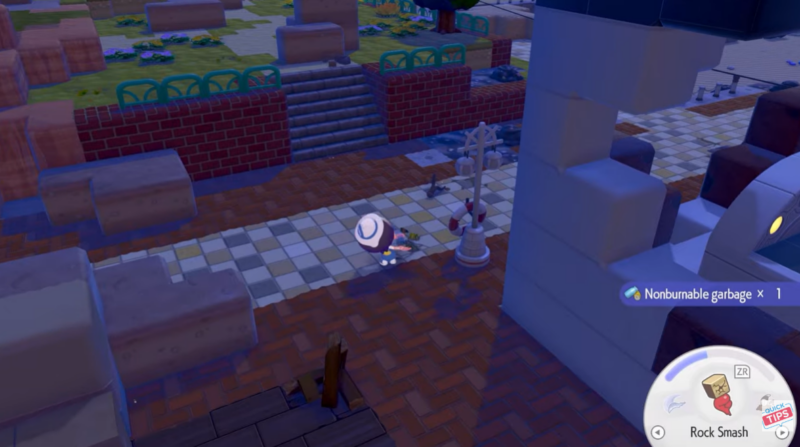
When exploring the beach area, you will notice different types of garbage lying on the ground. Some items can be burned while others cannot. The items labeled as non-burnable are the ones you should prioritize collecting. These pieces of trash serve as a key resource that can later be converted directly into iron ore through recycling systems.
A notable spot for gathering these materials sits near the lighthouse along the coastline. The area often contains several trash items clustered together, making it a convenient location to revisit while exploring or gathering other materials. Because trash respawns over time, returning periodically can steadily build your supply.
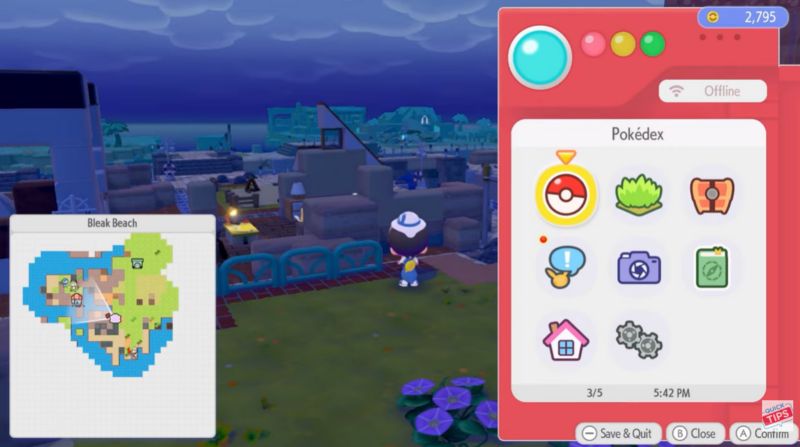
While this method does not immediately give you iron ore, it provides the most important ingredient for the more efficient recycling method later on.
Mining rock deposits across the world
Mining is another method that can occasionally reward iron ore. Throughout Pokopia’s environments you will encounter rocky nodes that look slightly different from ordinary terrain stones. These interactable deposits allow you to extract metals by performing a mining action.
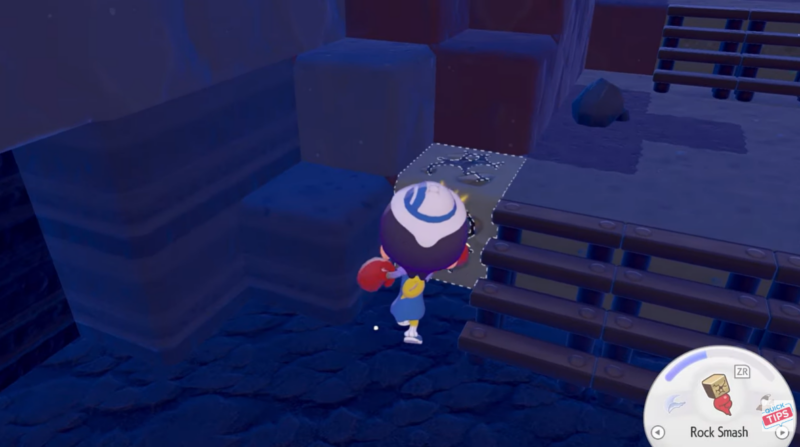
When you mine these nodes, the game generates a random metal resource. Sometimes you will receive copper, while other times you may obtain iron ore. Because of this randomness, mining is not always the fastest way to gather iron specifically.
However, it still serves an important role when exploring new regions. Mining nodes often respawn and can provide a steady flow of different crafting metals, meaning you will gradually accumulate iron while gathering other materials as well.
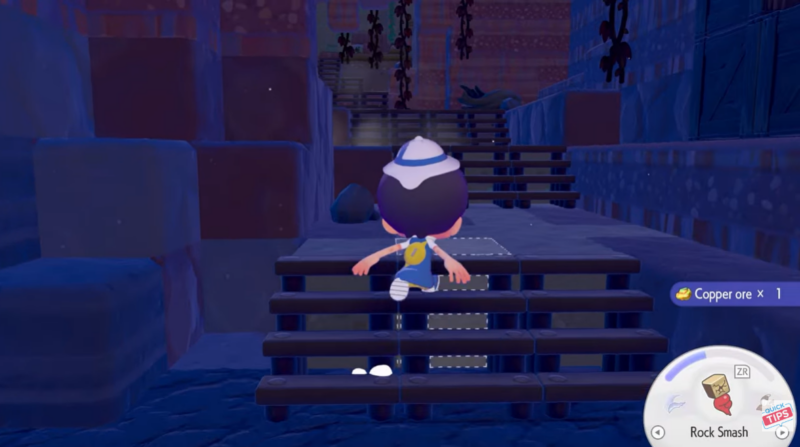
Players who frequently travel through rocky areas or mountainous terrain will naturally encounter these nodes during exploration. Over time, mining becomes a useful supplemental source of iron ore even if it is not the most consistent.
How to convert trash into iron ore with the trash collecting site
The most reliable way to farm iron ore in Pokopia comes from building a special habitat known as the Trash Collecting Site. This structure allows certain Pokémon to recycle garbage into valuable crafting materials.
Habitat requirements and setup
To build the Trash Collecting Site, you will need several simple components. The habitat requires a sign, pieces of trash, and a trash can as part of its construction. Once these elements are placed together in the correct arrangement, the habitat becomes functional.
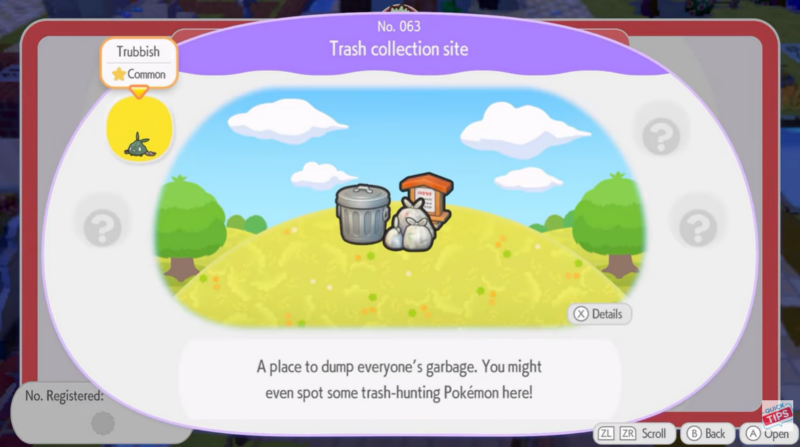
After building the site, you can assign Trubbish to it. Trubbish acts as the recycling worker that converts non-burnable garbage into iron ore.
How the recycling process works
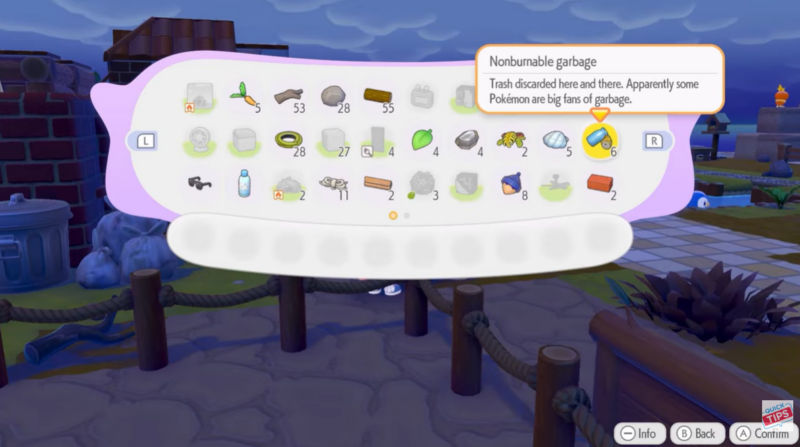
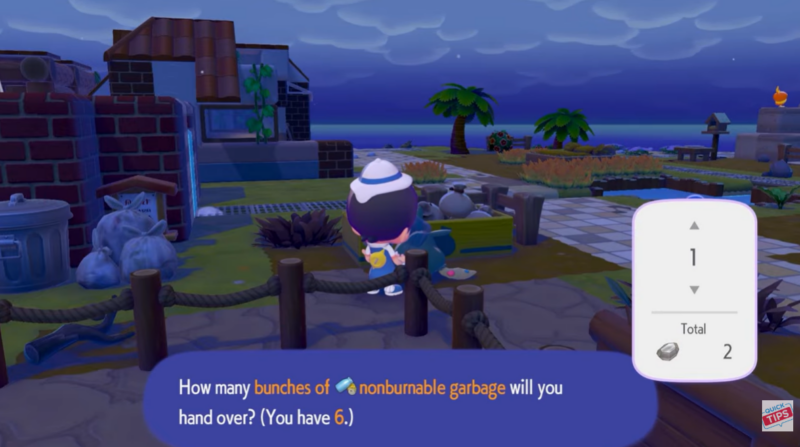
When the habitat is active, you can deposit the non-burnable garbage you collected earlier. Trubbish will begin processing each piece of trash individually.
The conversion ratio is extremely efficient. Each piece of non-burnable garbage produces two pieces of Iron Ore once recycled.
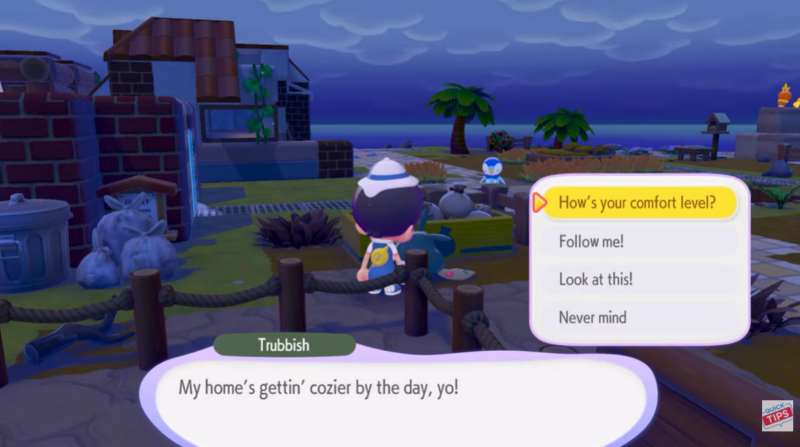
For example, depositing six pieces of garbage results in twelve iron ore after processing.
The transformation does not happen instantly. Each item takes a few minutes to convert, meaning the habitat works gradually over time. Because of this delay, many players stockpile large amounts of garbage before depositing it, allowing the habitat to run continuously.
Why this is the best iron farming method
The Trash Collecting Site becomes the strongest iron ore source once you establish a steady supply of garbage.
Instead of relying on random mining drops, the recycling system guarantees iron production. As long as you continue gathering non-burnable garbage from exploration areas like Bleak Beach, your habitat can keep generating iron ore automatically.
This method effectively turns environmental trash into one of the most valuable crafting resources in the game.
Efficient iron ore farming strategy
Once you understand how the three systems interact, farming iron ore becomes much easier.
Exploration remains important because it provides the raw trash materials needed for recycling. Beaches, coastal areas, and scattered environmental trash piles are the best places to gather non-burnable garbage regularly.
Mining should be treated as a supplementary method. While it does not guarantee iron, it helps build your metal reserves while exploring new regions and gathering other crafting materials.
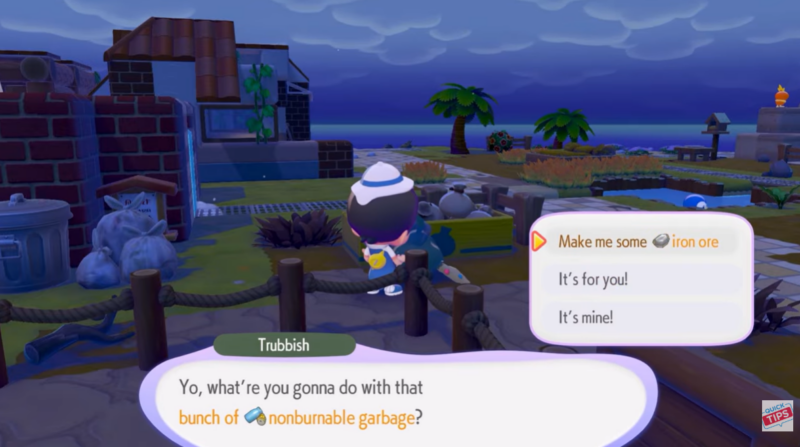
The recycling habitat then acts as the central production system. By feeding collected garbage to Trubbish at the Trash Collecting Site, you create a reliable and renewable iron supply.
Players who revisit garbage spawn areas frequently and keep their habitat running will quickly accumulate large quantities of iron ore for construction and upgrades.
Why iron ore becomes essential later in Pokopia
As your settlement grows, many recipes begin demanding higher amounts of metal resources. Iron ore becomes especially important for infrastructure pieces, crafting stations, and mechanical components used in mid-game structures.
Because of this growing demand, relying only on mining often becomes inefficient. Establishing the recycling habitat early ensures you will always have a steady iron supply when larger crafting projects unlock.
Players who ignore the Trash Collecting Site often find themselves short on metal resources later, while those who set it up early rarely run out.
Building a steady iron supply in Pokopia
Iron Ore in Pokopia can be obtained through exploration, mining, and recycling systems, but the most effective strategy is combining all three methods. Collecting non-burnable garbage during exploration, mining rock deposits when available, and processing trash through the Trash Collecting Site with Trubbish creates a reliable production loop. Once this system is established, you can generate large amounts of iron ore with minimal effort while focusing on expanding your settlement and crafting new upgrades.