The New York Times Connections puzzle challenges players to sort 16 seemingly unrelated words into four connected groups. Each group shares a hidden link. Today’s grid blends physical actions, clever rearrangements, and nostalgic references, making it both playful and slightly deceptive. Below you’ll find gentle hints to guide your thinking, followed by the complete solutions once you’re ready to check your work.
NYT Connections Puzzle Overview: 3 March 2026
Today’s grid blended pop culture with everyday language, creating a balanced but occasionally deceptive solving experience. One category leaned on familiar “big” references, another focused on physical proximity, while a practical household set grounded the puzzle. The trickiest group relied on a clever shared wordplay pattern that wasn’t immediately obvious.
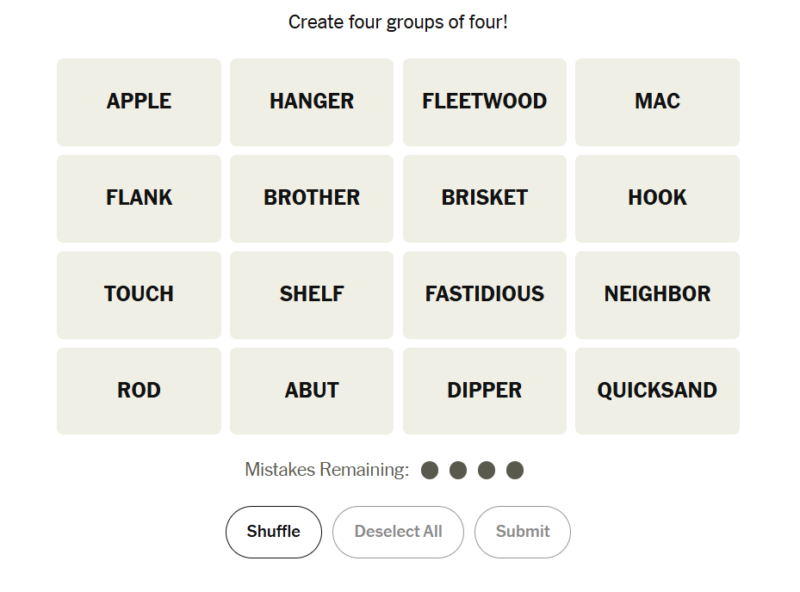
NYT Connections Hints: 3 March 2026
Category 1:
- Think of famous names that commonly follow the same adjective.
- Each item is paired with a word meaning “large.”
- Pop culture and brand recognition help here.
- You’ve likely heard all four used in similar phrases.
Category 2:
- These words describe physical closeness.
- Imagine two objects side by side.
- Each term can describe bordering or touching.
- Synonyms for being next to something.
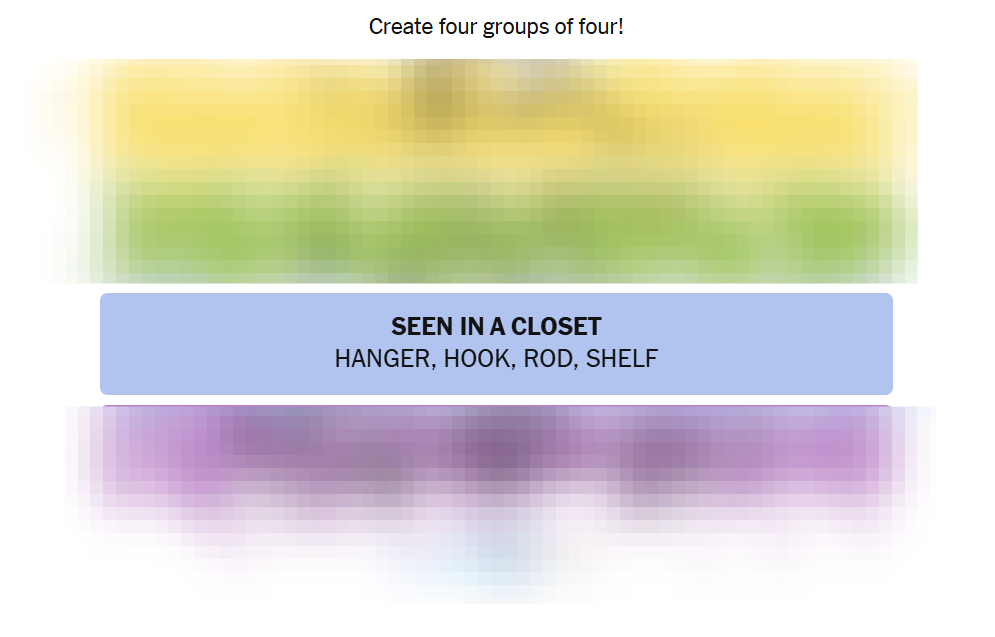
Category 3:
- Found in a specific storage space at home.
- Used for organizing clothing or accessories.
- Think of fixtures and supports.
- All commonly located behind a certain door.
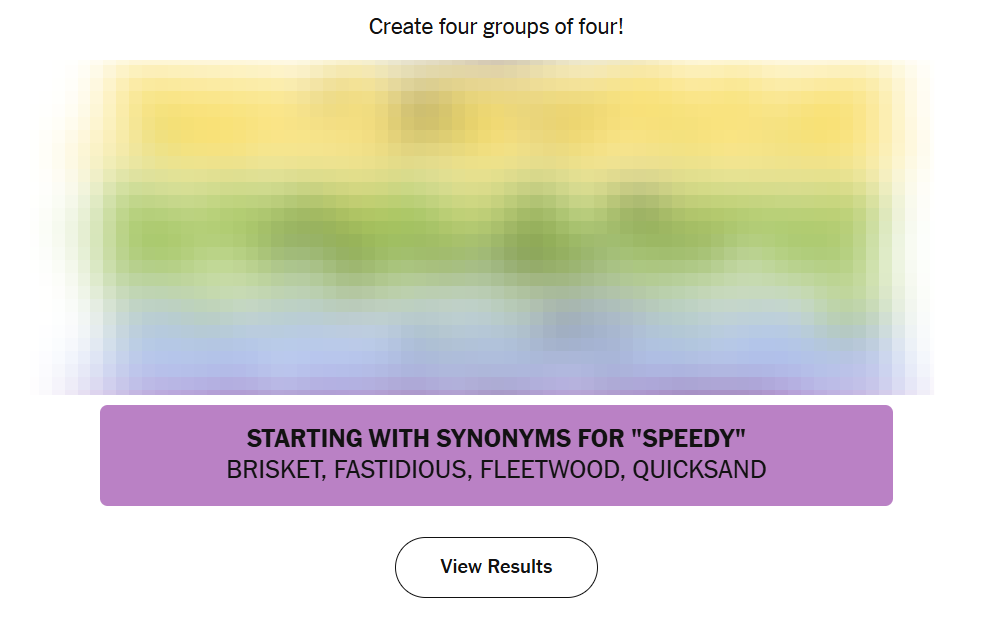
Category 4:
- Each word begins with a synonym for “fast.”
- Focus on the first syllable or sound.
- The rest of the word changes the meaning entirely.
- A subtle but clever linguistic pattern.
NYT Connections Answers: 3 March 2026
Here are the answers, grouped by category.
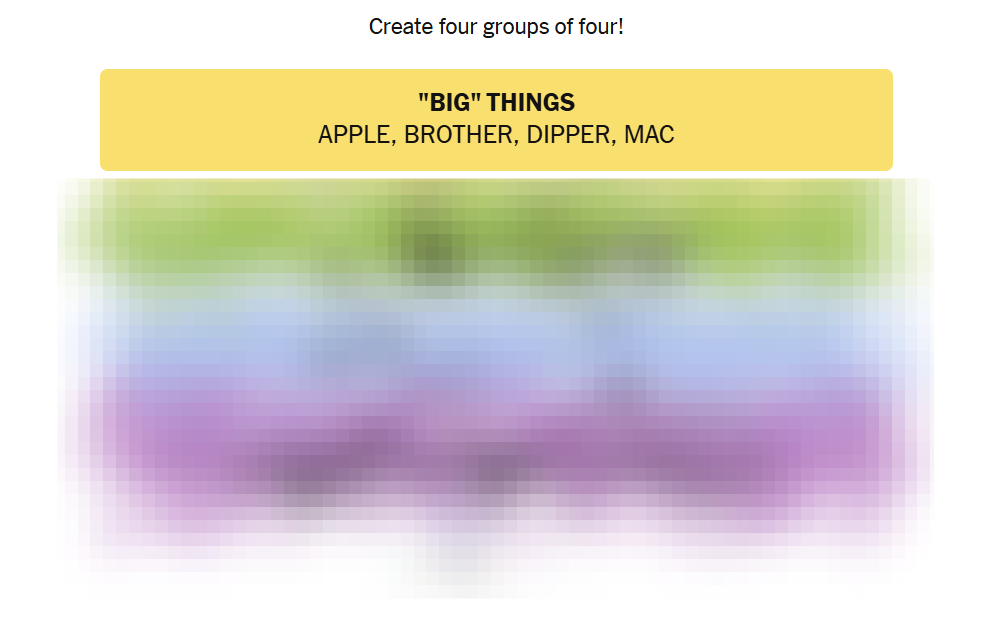
Category 1:
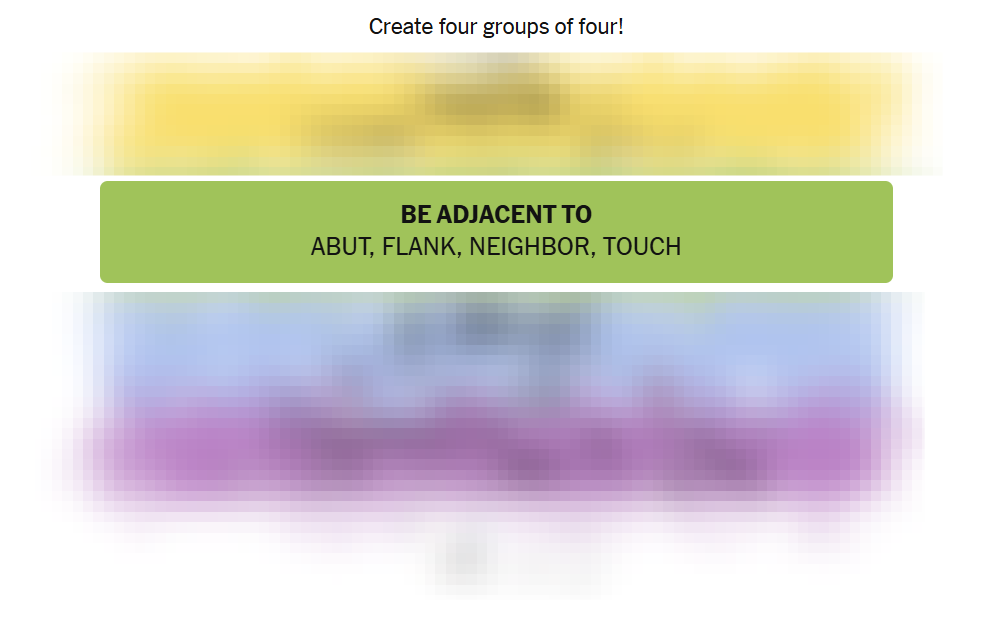
Category 2:
Category 3:
Category 4:
Conclusion & Quick Strategy Tip
The 3 March 2026 Connections puzzle balances straightforward action words with trickier conceptual links, making it satisfying once everything clicks. Quick strategy tip: lock in obvious verb groups early, then examine remaining words for structural patterns or shared cultural references.