- What to know
- Where the Roulette Puzzle is located in the mansion
- Understanding the three key numbers: 7, 15, and 29
- How to trigger the puzzle mechanism correctly
- Why the sound cues matter
- Antique Coin reward and limitations
- Is the Roulette Puzzle connected to a larger mystery?
- Why this puzzle stands out in Resident Evil Requiem
What to know
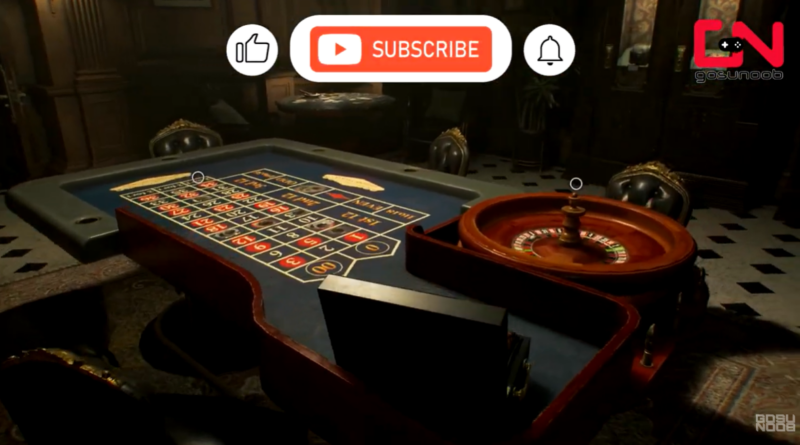
- The Roulette Puzzle is located in the parlor of Resident Evil Requiem.
- The wheel consistently lands on 7, 15, or 29, which are key to the solution.
- You must shoot one of these numbers first, then spin the wheel to match it.
- The reward is a single Antique Coin, obtainable only once per playthrough.
The Roulette Puzzle in RE9: Requiem is one of the more subtle environmental riddles hidden in the mansion section of the game. It does not block progression, but if you enjoy uncovering optional secrets and maximizing collectible rewards, this is a puzzle you will want to complete before moving on. Its mechanics are simple once understood, but the game provides no direct instructions, making observation and experimentation essential.
| Element | Details |
|---|---|
| Location | Mansion Parlor (Roulette Table Room) |
| Key Numbers | 7, 15, 29 |
| Required Action | Shoot one valid number, then spin the wheel |
| Audio Confirmation | Sharp cling + mechanical sound |
| Success Indicator | Zelda-like chime |
| Reward | Antique Coin (one-time only) |
| Replayability | Cannot be repeated after success |
Where the Roulette Puzzle is located in the mansion
The puzzle is found inside the Parlor, a richly decorated room featuring a central roulette table. You will encounter this area naturally while exploring the mansion’s mid-game sections. The roulette table is fully interactable, though at first glance it appears decorative. The lighting, sound design, and camera framing subtly encourage interaction, hinting that the table serves a purpose beyond ambience.
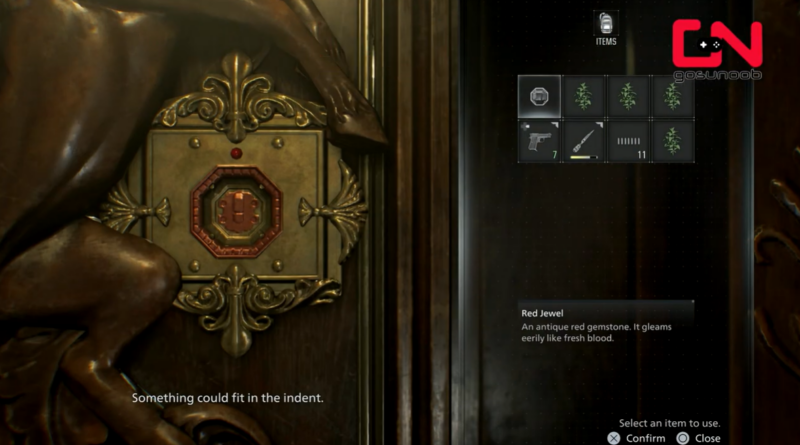
The puzzle becomes available once you can freely use firearms inside the mansion interior. There are no locked prerequisites tied to story flags beyond reaching this area.
Understanding the three key numbers: 7, 15, and 29
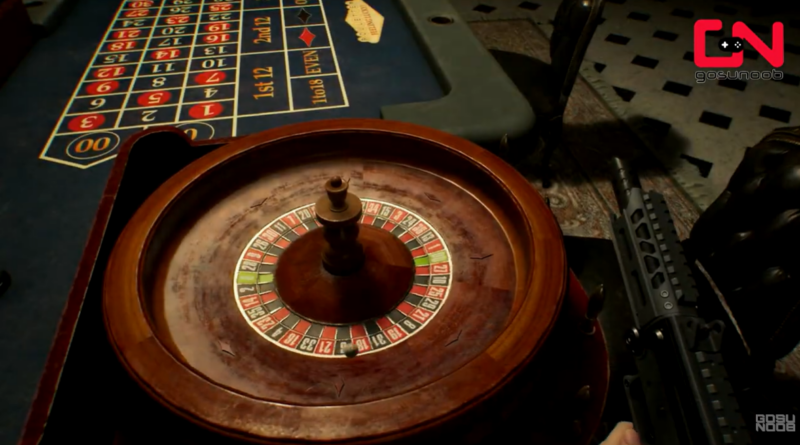
The most important observation is that the roulette wheel consistently lands on three specific numbers: 7, 15, or 29. Unlike a standard roulette mechanic that would randomize across all numbered slots, this table is scripted to favor only these outcomes. This is your first clue that the puzzle is not luck-based but pattern-driven.
These numbers are not highlighted visually. You must either observe repeated spins or test them manually. Once identified, they become the core of the solution.
There is currently no confirmed narrative explanation for why these exact numbers were chosen. Some players speculate they could tie into a larger hidden challenge referred to as “the final puzzle,” though this remains unverified in the current version of the game.
How to trigger the puzzle mechanism correctly
The sequence of actions matters. Simply spinning the wheel repeatedly will not produce a reward. The correct order must be followed precisely.
Step 1
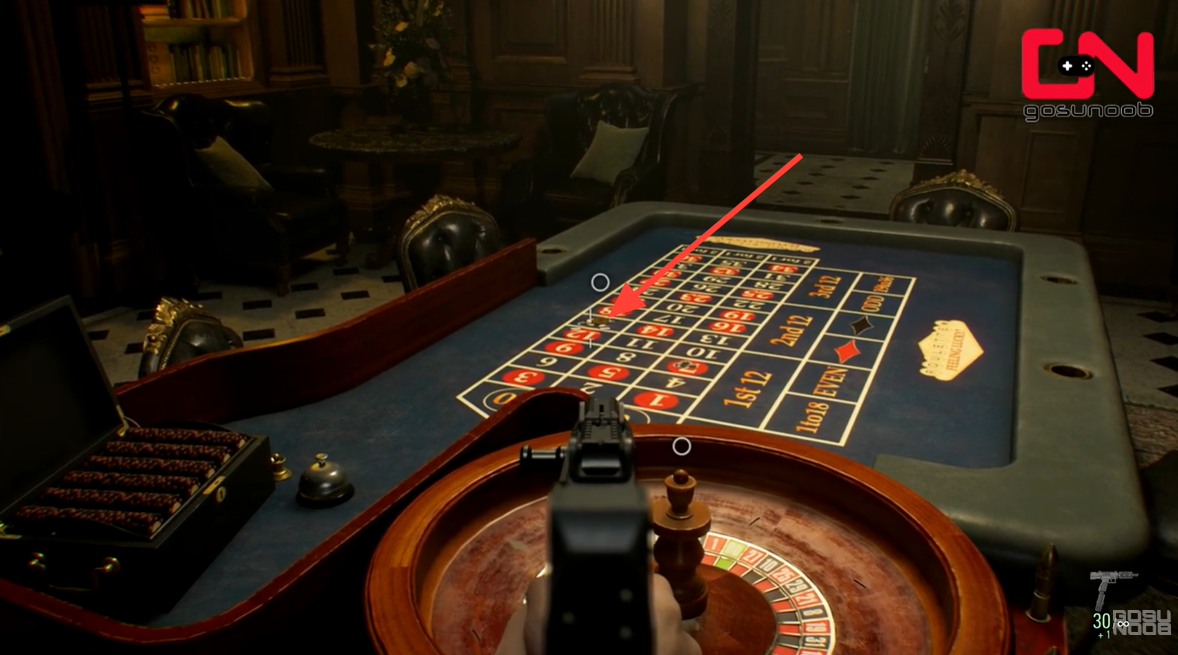
Stand near the roulette table and equip any firearm with sufficient precision. Aim carefully at one of the three confirmed numbers: 7, 15, or 29. Fire a shot directly at the number.
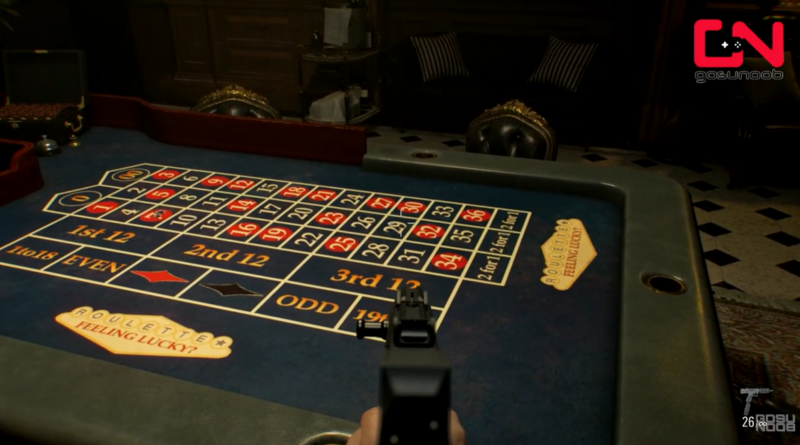
When successful, you will hear a distinct sharp cling sound, immediately followed by a mechanical shifting noise from within the table. This audio cue confirms the table has registered your shot.
Step 2
After shooting the number, interact with the roulette table to spin the wheel. The wheel will cycle as usual and eventually stop.
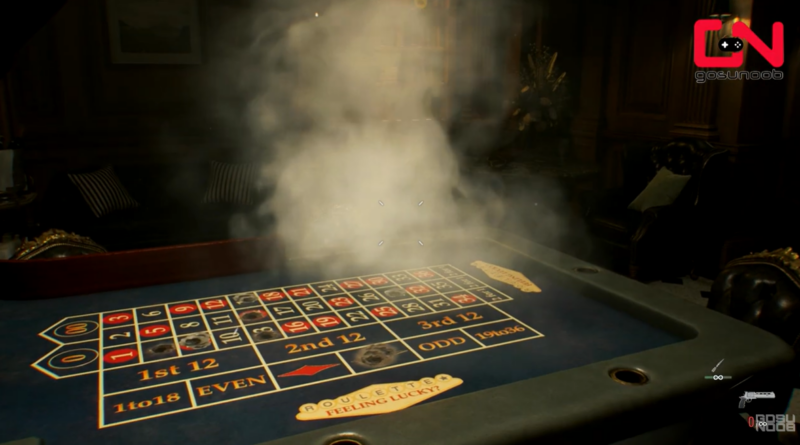
If the wheel lands on the same number you shot, you will hear a clear, melodic chime similar to a classic Zelda-style reward sound. This confirms the puzzle has been solved.
Step 3
Upon the successful match, an Antique Coin materializes on the table. Collect it immediately. Once picked up, the puzzle permanently deactivates.
Why the sound cues matter
The puzzle relies heavily on audio feedback. The sharp cling and mechanism sound indicate the puzzle is armed. If you do not hear these, the table has not registered your shot correctly. Make sure your bullet clearly hits one of the valid numbers.
The success chime is unmistakable. It differs significantly from environmental sounds and enemy cues, serving as immediate confirmation that you executed the sequence correctly.
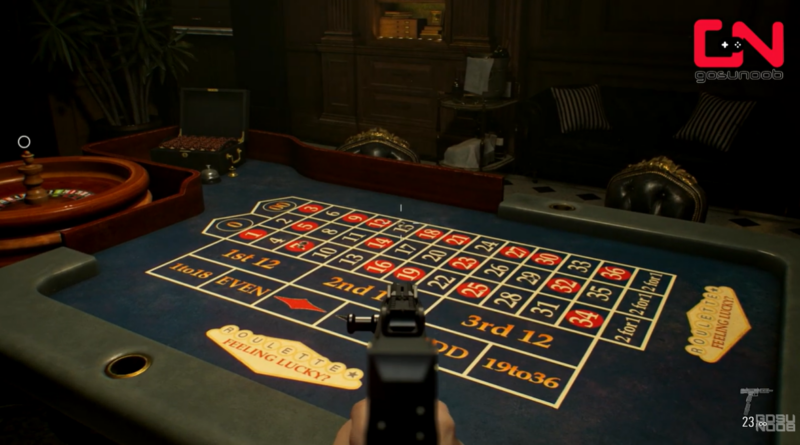
Because the system is event-triggered rather than random, you may need to try more than once if the wheel does not land on your selected number during the first spin. However, you only need one successful match to complete it.
Antique Coin reward and limitations
The reward for completing the puzzle is one Antique Coin, and it can only be obtained once per playthrough. After the coin appears and is collected, the roulette table stops responding to further shots or spins.
| Reward | Quantity | Repeatable | Use |
|---|---|---|---|
| Antique Coin | 1 | No | Used in shop exchanges and certain unlock systems |
Antique Coins in Resident Evil Requiem are valuable collectibles typically used for trading in specialized vendor systems or unlocking hidden advantages depending on your progression path. While a single coin may not seem significant, completionists and challenge runners will want to secure every available one.
Is the Roulette Puzzle connected to a larger mystery?
There is ongoing community speculation that 7, 15, and 29 may connect to a broader hidden challenge referred to as “the final puzzle.” At present, no confirmed in-game trigger links this roulette interaction to additional secrets beyond the Antique Coin reward.
No new mechanics activate after completion, and the table does not reactivate under any discovered conditions. Until further updates or discoveries emerge, the Roulette Puzzle stands as a self-contained optional Easter egg.
Why this puzzle stands out in Resident Evil Requiem
Unlike combat-heavy encounters or resource-based challenges, this puzzle rewards observation, experimentation, and attention to audio design. It reflects the classic Resident Evil tradition of environmental riddles that reward careful players rather than brute force.
The design is subtle, the feedback is immersive, and the one-time reward reinforces the importance of deliberate action. If you miss it, you might never realize it was interactive at all.