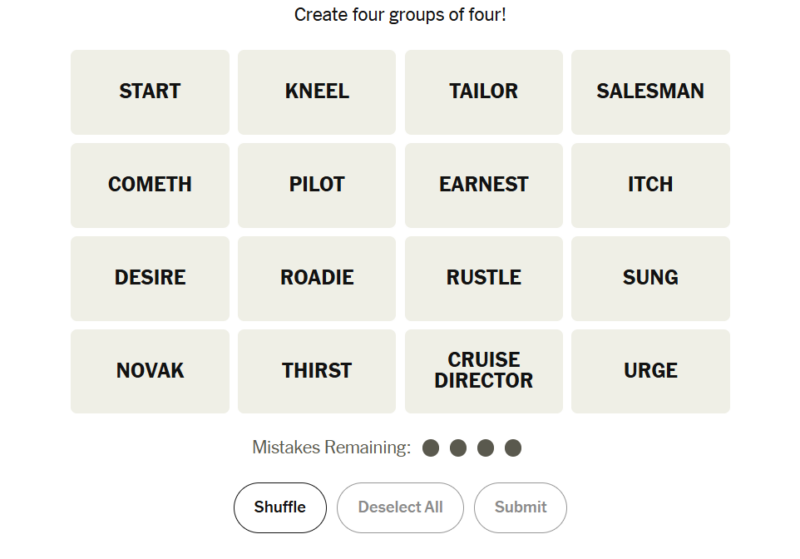
The New York Times Connections puzzle challenges players to sort 16 seemingly unrelated words into four connected groups. Each group shares a hidden link. Today’s grid blends physical actions, clever rearrangements, and nostalgic references, making it both playful and slightly deceptive. Below you’ll find gentle hints to guide your thinking, followed by the complete solutions once you’re ready to check your work.
NYT Connections Puzzle Overview: 28 February 2026
Today’s puzzle mixed straightforward synonym recognition with more creative linguistic twists. One category was refreshingly direct, while another relied on pronunciation rather than spelling. The final set demanded a small but meaningful transformation of familiar terms. Many solvers likely solved two groups quickly before slowing down on the more playful word-based connections.
NYT Connections Hints: 28 February 2026
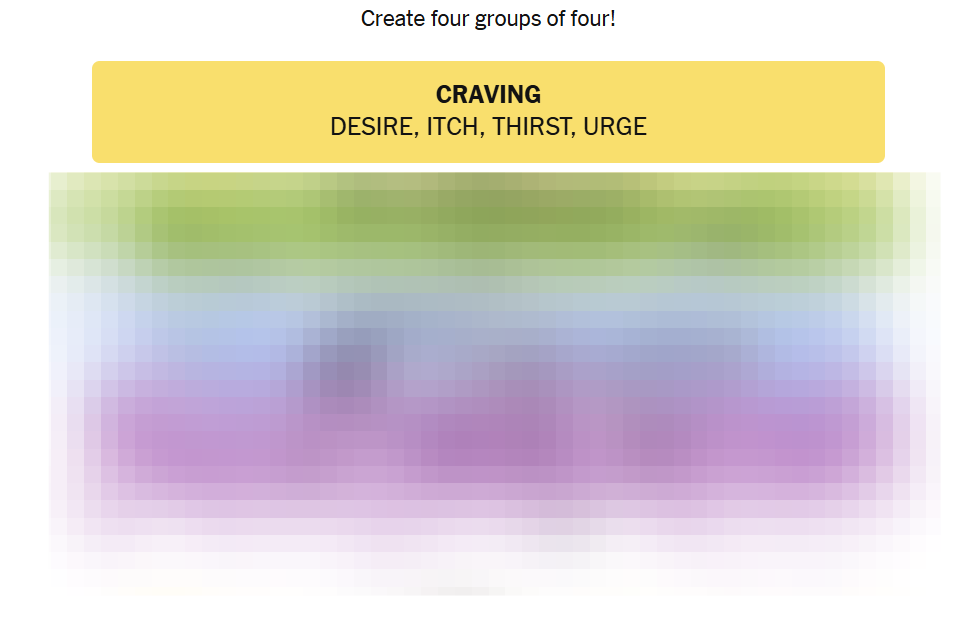
Category 1:
- Think about strong internal wants or impulses.
- These words describe something you really feel compelled toward.
- Often paired with food or ambition.
- Synonyms related to longing.
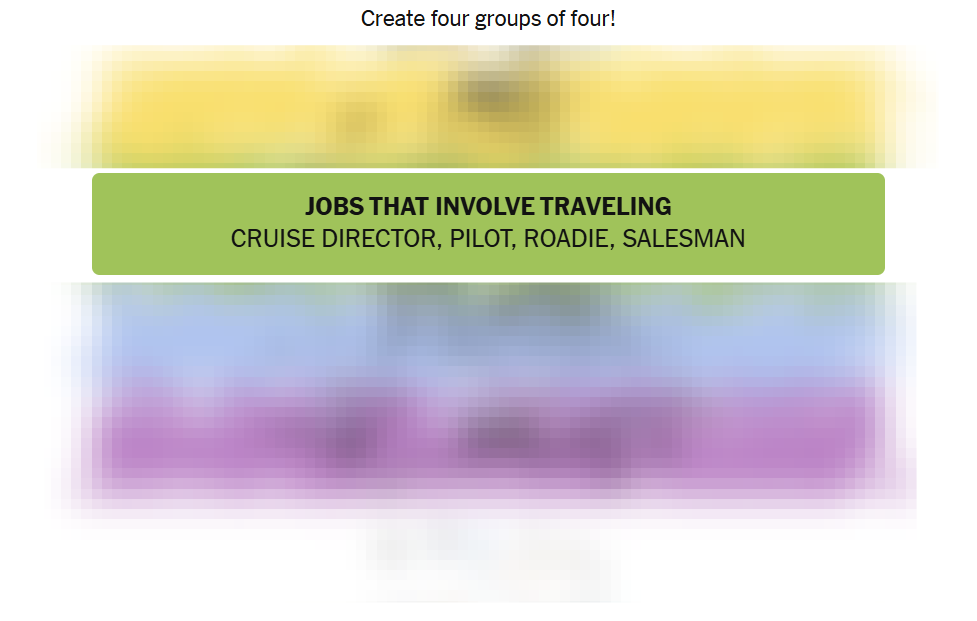
Category 2:
- These are professional roles.
- All require frequent movement from place to place.
- You won’t find them stuck at a desk for long.
- Travel is part of the job description.
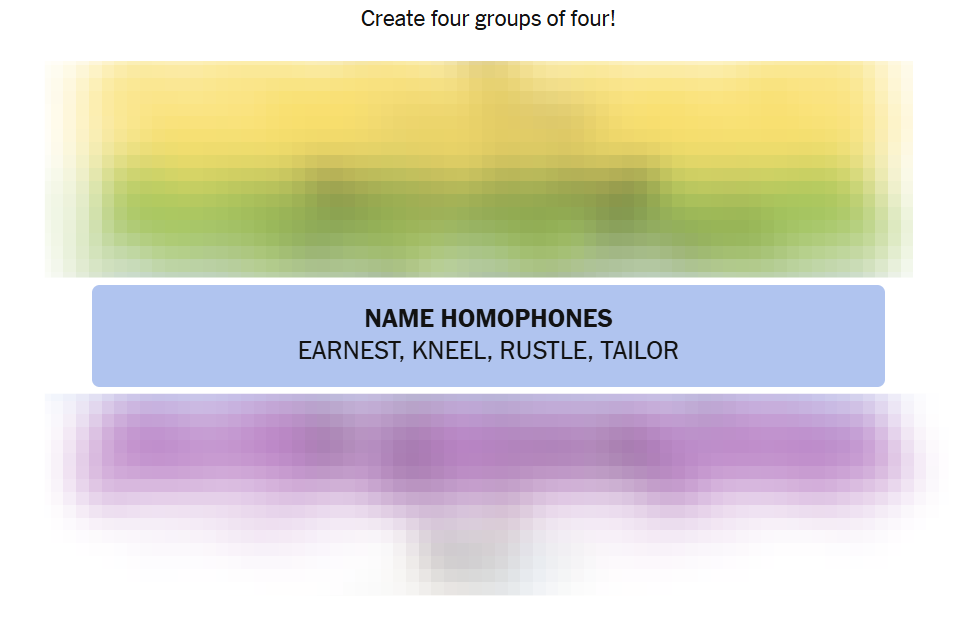
Category 3:
- Sound is more important than spelling here.
- Each word matches the pronunciation of a common first name.
- Think classic English names.
- Say them out loud.
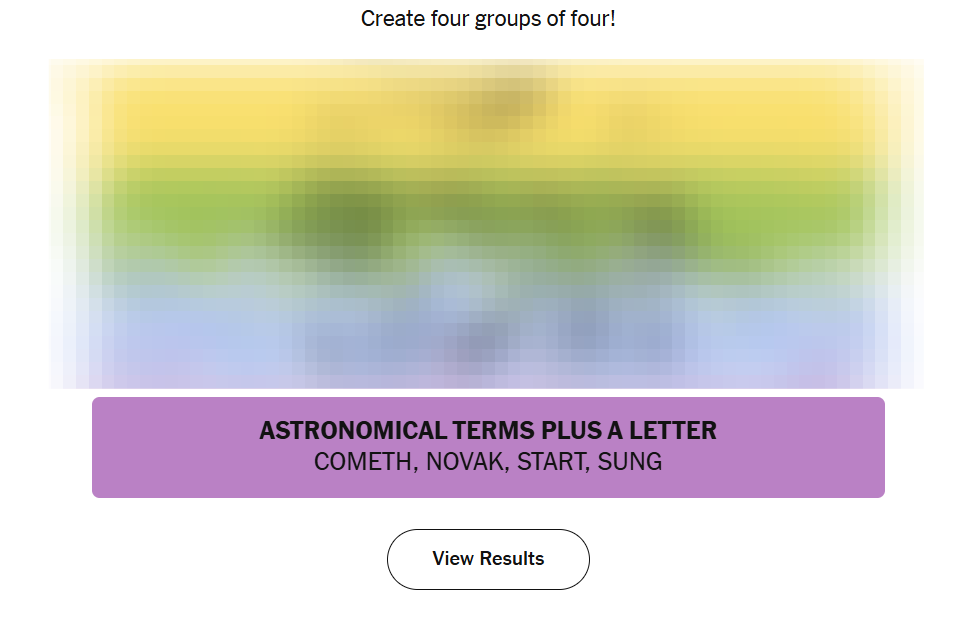
Category 4:
- Start with something you’d study in space.
- Then tweak it slightly.
- Each word has an added letter compared to a familiar cosmic term.
- Astronomy meets wordplay.
NYT Connections Answers: 28 February 2026
Here are the answers, grouped by category.
Category 1:
Category 2:
Category 3:
Category 4:
Conclusion & Quick Strategy Tip
The 28 February 2026 Connections puzzle balances straightforward action words with trickier conceptual links, making it satisfying once everything clicks. Quick strategy tip: lock in obvious verb groups early, then examine remaining words for structural patterns or shared cultural references.