- What to know
- How to set up a strong early game foundation
- Choosing seeds to prioritize early
- Seeds you should delay until later
- How to lay out and manage your garden
- How to build an efficient money and seed loop
- How to use the quest boards for extra rewards
- How to plan your routine around daily and weekly resets
- How to decide when to upgrade and expand
- Early-game rewards
What to know
- Focus on cheap, fast-growing seeds first to build steady income before chasing rarer plants.
- Keep your garden compact and organized so you can harvest and replant quickly in each cycle.
- Use both daily and weekly quest boards as passive boosters for money and seed packs.
- Upgrade and expand only when your plots are consistently full and your harvest cycles feel smooth.
Efficient early-game farming in Roblox Garden Horizons hinges on smart seed choices, tight garden layouts, and consistent use of the quest boards for bonus rewards. Once you understand how early seeds, garden layouts, and quest boards work together, you can turn your small starter plot into a reliable source of money and rare seeds without feeling overwhelmed.
| Aspect | What you should focus on early |
|---|---|
| Starting priority | Cheap seeds with fast growth and reliable payout |
| Garden layout | Tight rows, minimal walking, easy camera view of all plots |
| Main money loop | Plant, harvest, immediately replant, then sell in batches |
| Seeds to prioritize | Low-cost basics first, then slightly higher-value seeds as income stabilizes |
| Seeds to delay | Expensive and rare seeds until you can comfortably afford them |
| Daily quest board | Simple tasks for quick cash and starter seed packs |
| Weekly quest board | Longer tasks for higher-value seed packs and larger payouts |
| Playstyle focus | Short but frequent farming sessions instead of long idle periods |
How to set up a strong early game foundation
In the early game, your goal is not to chase the most impressive plants but to create a stable cycle of planting and harvesting that funds everything else. You want every plot working for you at all times so your money snowballs quickly.

A good approach is to treat your first hour as a setup phase where you learn growth times, harvest rhythms, and how much you can reliably replant each cycle without going broke.
Choosing seeds to prioritize early
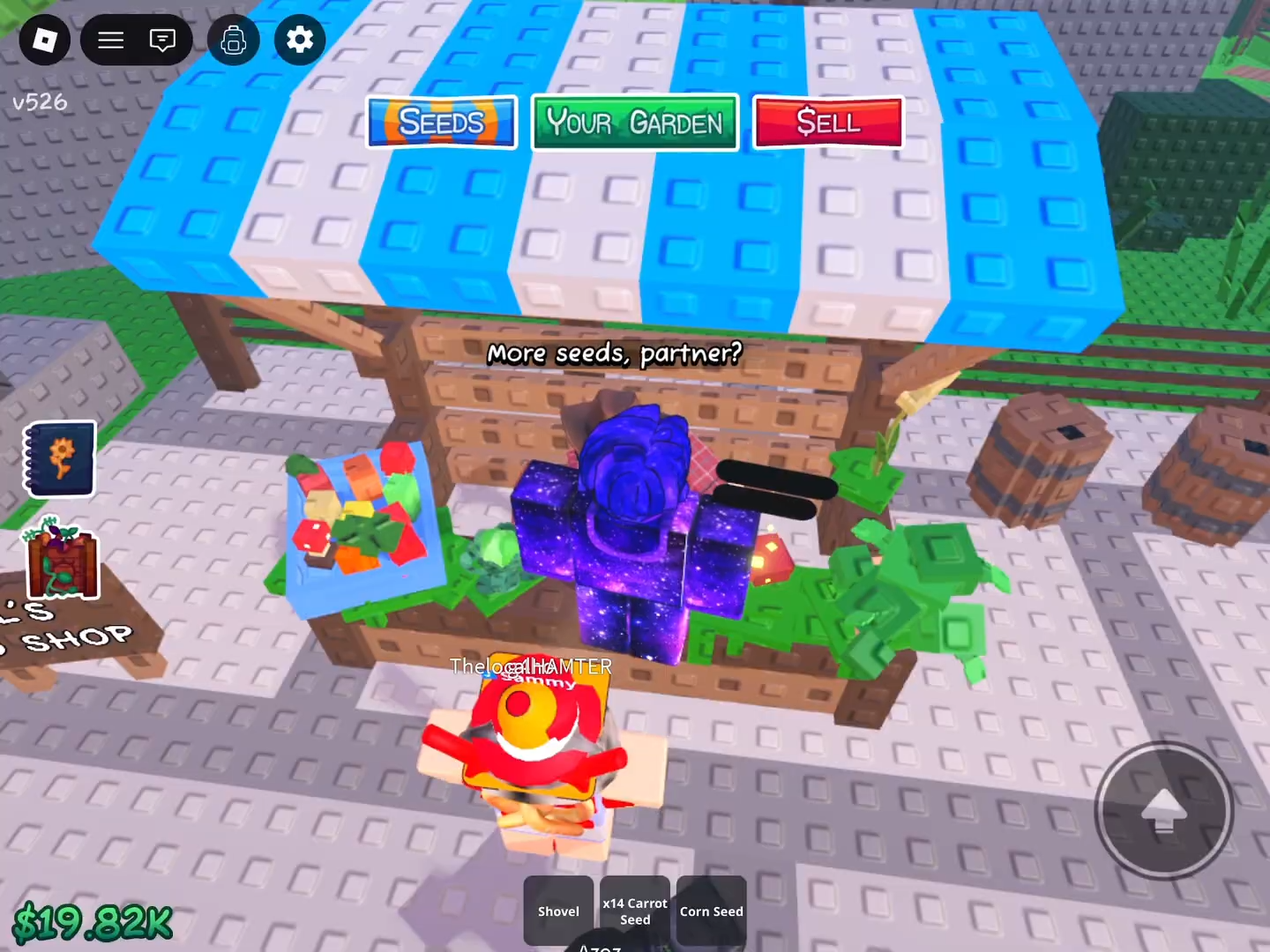
You will see a mix of cheap, mid-range, and rare seeds, and it is tempting to grab anything that looks special. Instead, focus your early strategy around affordability and repetition.
For early seeds:
- Prioritize low-cost seeds that you can plant across most or all of your garden without running out of money.
- Look for seeds that reach harvest fairly quickly so you can turn them over multiple times in a short play session.
- Once you see your cash climbing and you consistently end cycles with extra money, slowly introduce slightly more expensive seeds into a few plots.
- Treat the very expensive or rare seeds as long-term investments and only buy them when losing that money would not hurt your main cycle.
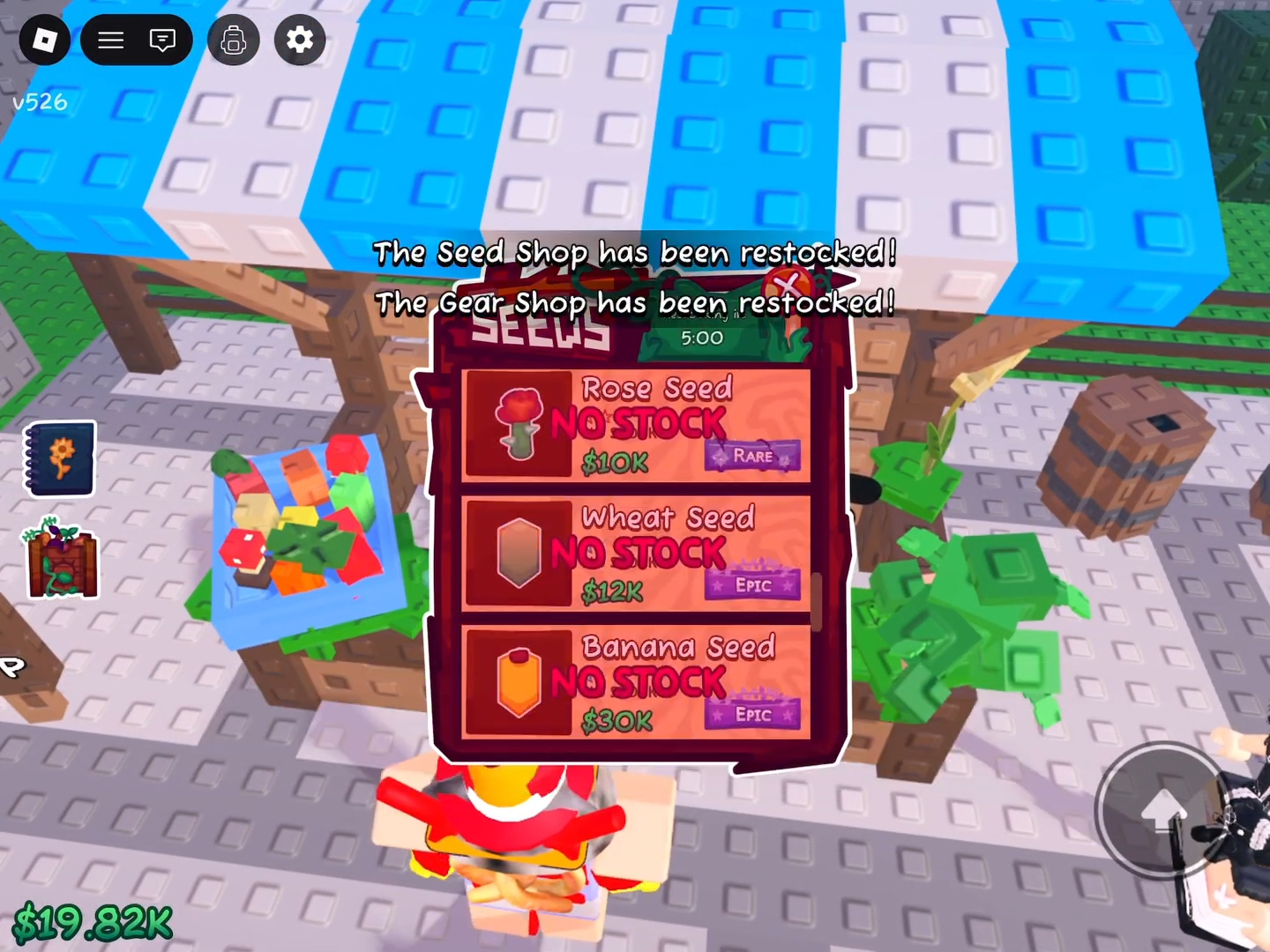
This approach lets you keep a high planting density and avoids the situation where half your plots are empty because you overspent on one or two fancy seeds.
Seeds you should delay until later
Some seeds cost a lot relative to your starting money and are not worth rushing into. These seeds might eventually offer good payouts, but they can stall your early progress.
In the early phase:
- Avoid filling your entire garden with expensive seeds that you can only afford once.
- Do not buy rare or high-tier seeds just because they look special if that means leaving multiple plots unplanted.
- Delay testing out new high-cost seeds until you can dedicate just a couple of plots to experiments while most of your garden uses proven, reliable crops.
Thinking in terms of risk: losing momentum by planting too few seeds is often worse than missing out on a slightly higher profit per plant.
How to lay out and manage your garden
Your garden layout affects how quickly you can move through planting and harvesting loops. You want to spend as little time walking between plots as possible.
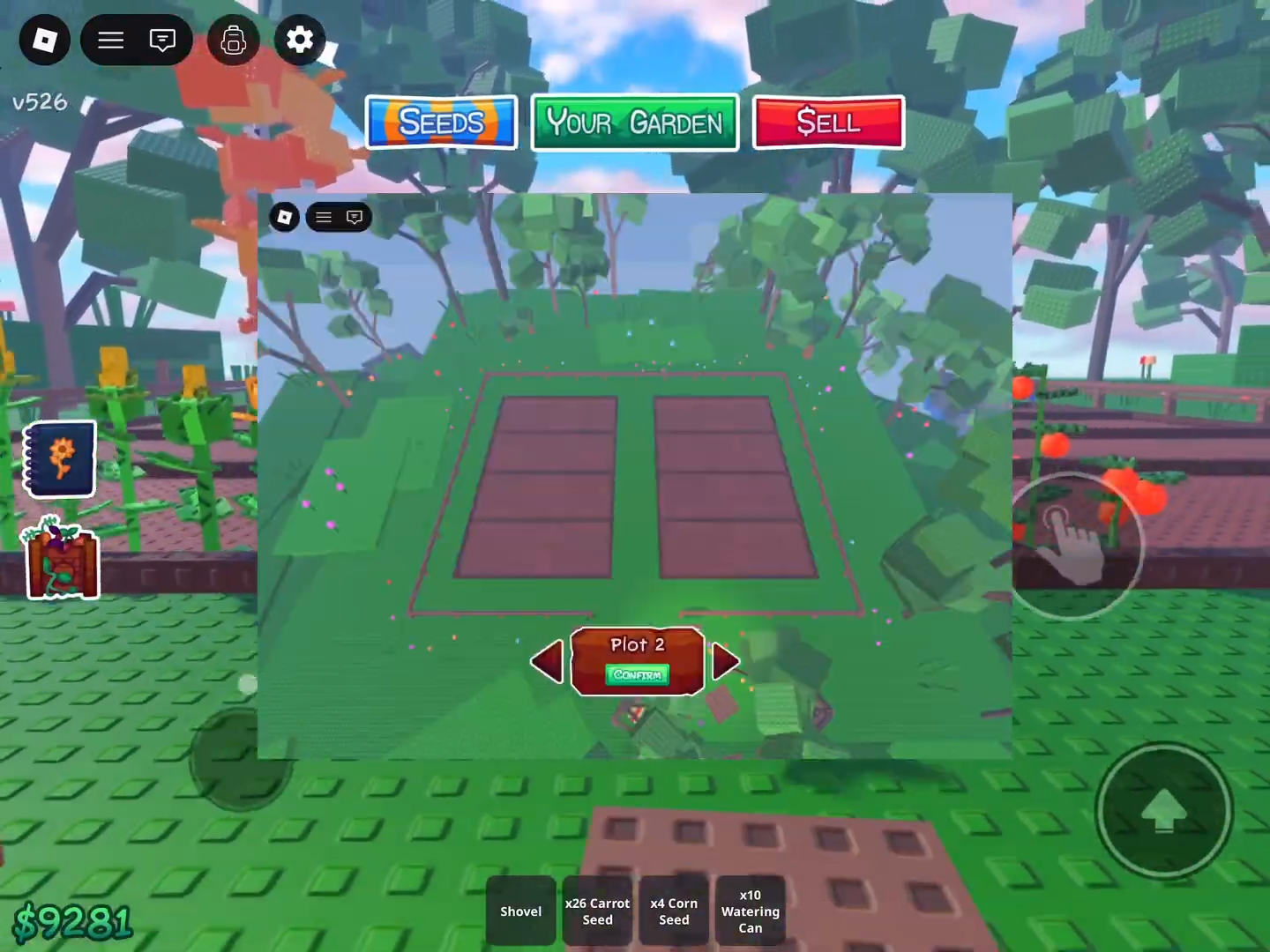
Practical layout tips:
- Arrange your plots in compact rows or a rectangle close to where you spawn or stand most often.
- Keep gaps between plots minimal so you can sweep across them in a straight line for planting and harvesting.
- Angle your camera so most of your garden is visible at once, making it easier to spot fully grown plants.
- If you unlock more plots, add them in a way that extends your existing pattern instead of scattering them randomly.
A well-organized garden means you can do more harvest cycles in the same amount of real time, which directly increases your income.
How to build an efficient money and seed loop
Your core loop is always the same: plant, wait, harvest, sell, and reinvest. The trick is to remove downtime and keep your plots active.
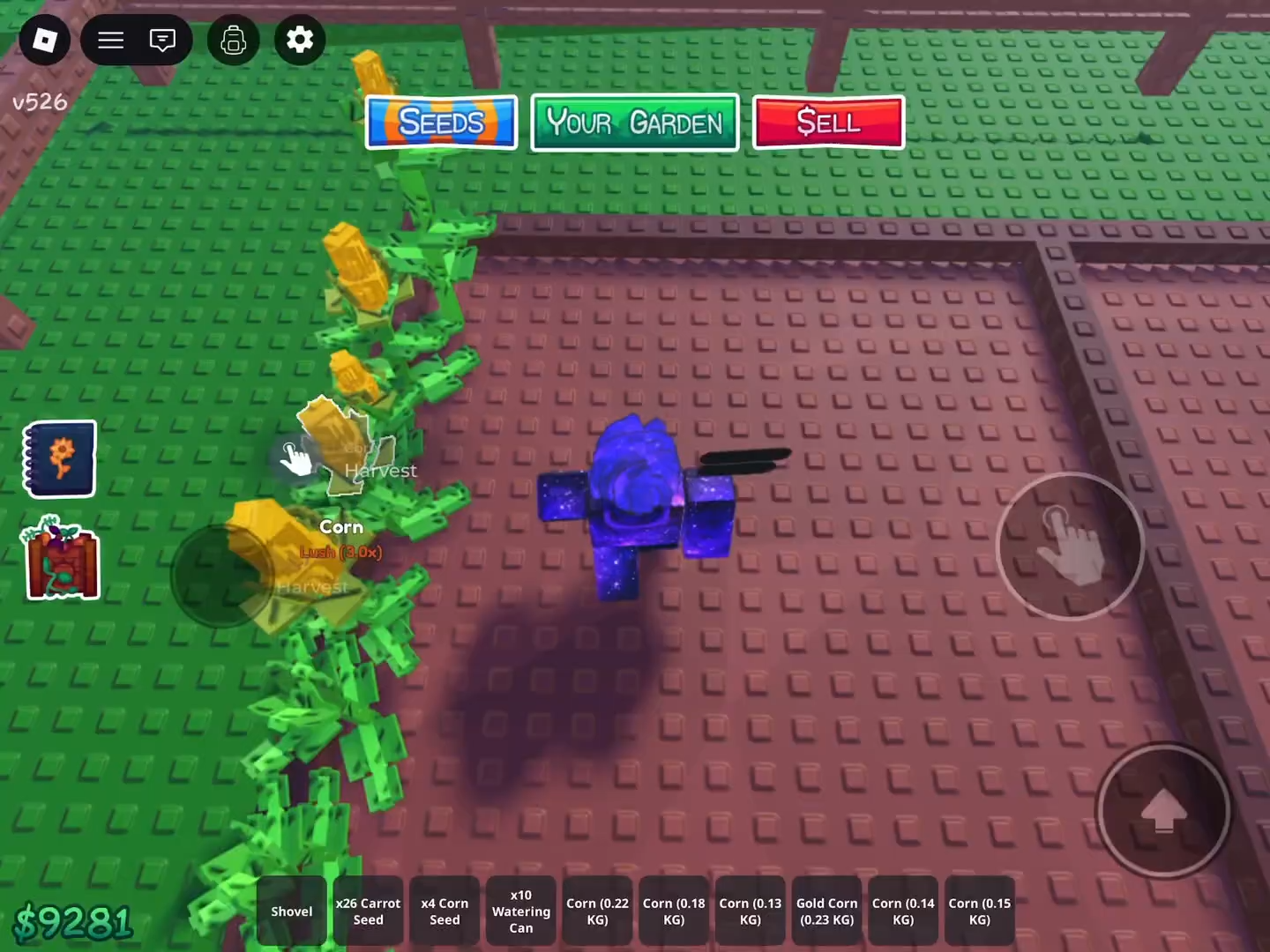
Follow a simple repeatable loop:
- Plant affordable, fast-growing seeds in all available plots.
- While crops grow, check the quest boards and any other nearby tasks you can progress in parallel.
- When plants are ready, harvest them in a smooth path without skipping any plot.
- Sell crops in batches once you have completed a full harvest cycle, then immediately reinvest into new seeds.
- Save a small buffer of money so you are not left with empty plots after a single purchase.
Treat each full cycle as a chance to grow your buying power. If each harvest lets you afford more and better seeds next time, you are on the right track.
How to use the quest boards for extra rewards
The quest boards are an important part of progression because they reward you for actions you are already doing while farming. By aligning your play with them, you can get more value from the same amount of time.
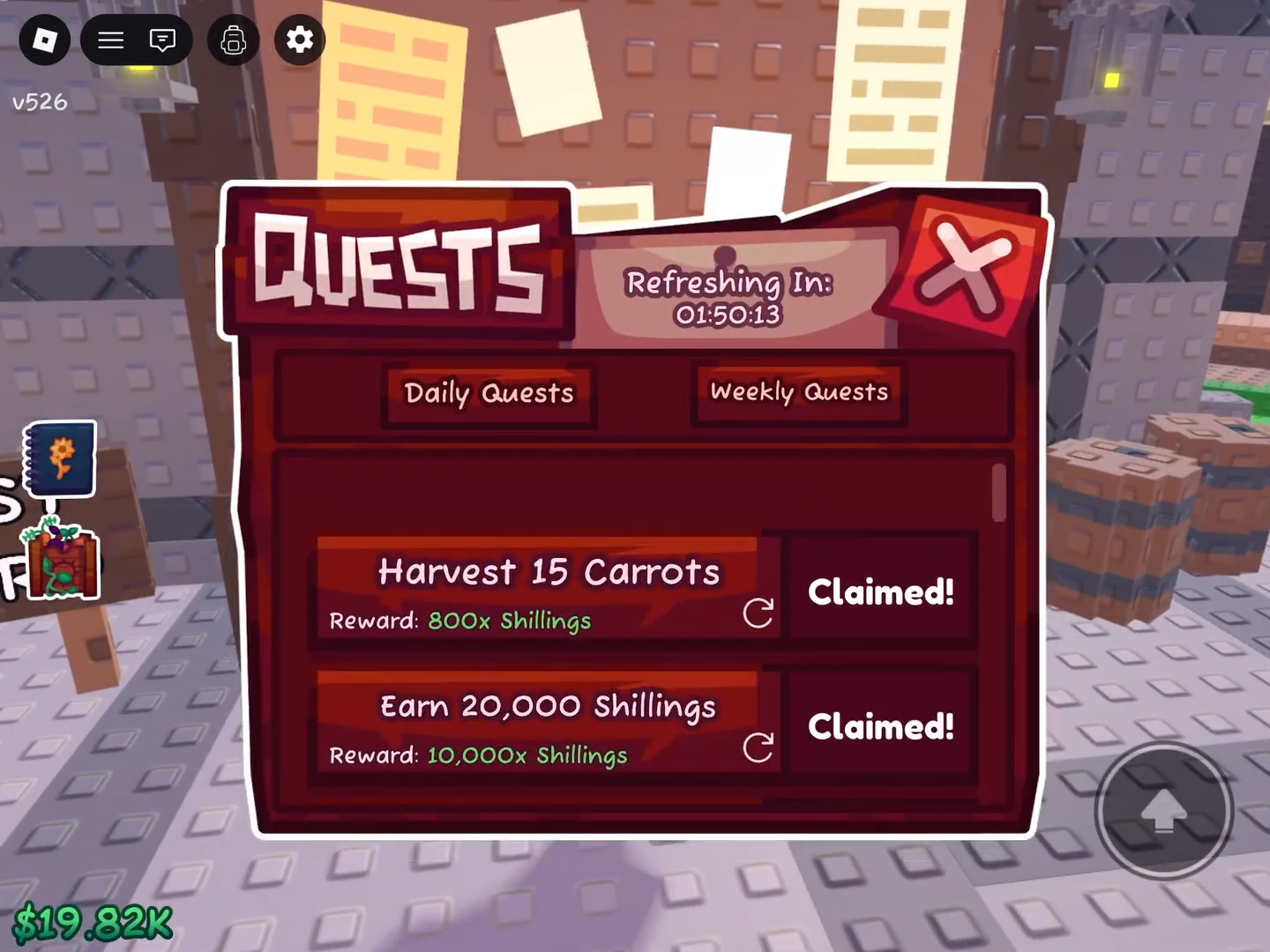
You will find two main sections on the board: one for daily quests and one for weekly quests, each with their own rewards.
Daily quest board basics
Daily quests are built around simple actions you will naturally perform while playing.
Typical daily quests:
- Harvesting a certain number of crops.
- Planting a specific number of seeds.
- Reaching small activity milestones through normal farming.
Daily quest rewards can include:
- Direct money payouts to boost your current balance.
- Gardener seed packs that contain a bundle of seeds and can significantly accelerate your early planting options.
Since daily quests reset every day, it is worth checking them early in your session so you can complete them just by playing normally.
Weekly quest board basics
Weekly quests run over a longer period and often require bigger totals but also pay out better.
Weekly quests can involve:
- Larger harvest or planting targets.
- Broader goals that you work on passively across several sessions.
Weekly quest rewards:
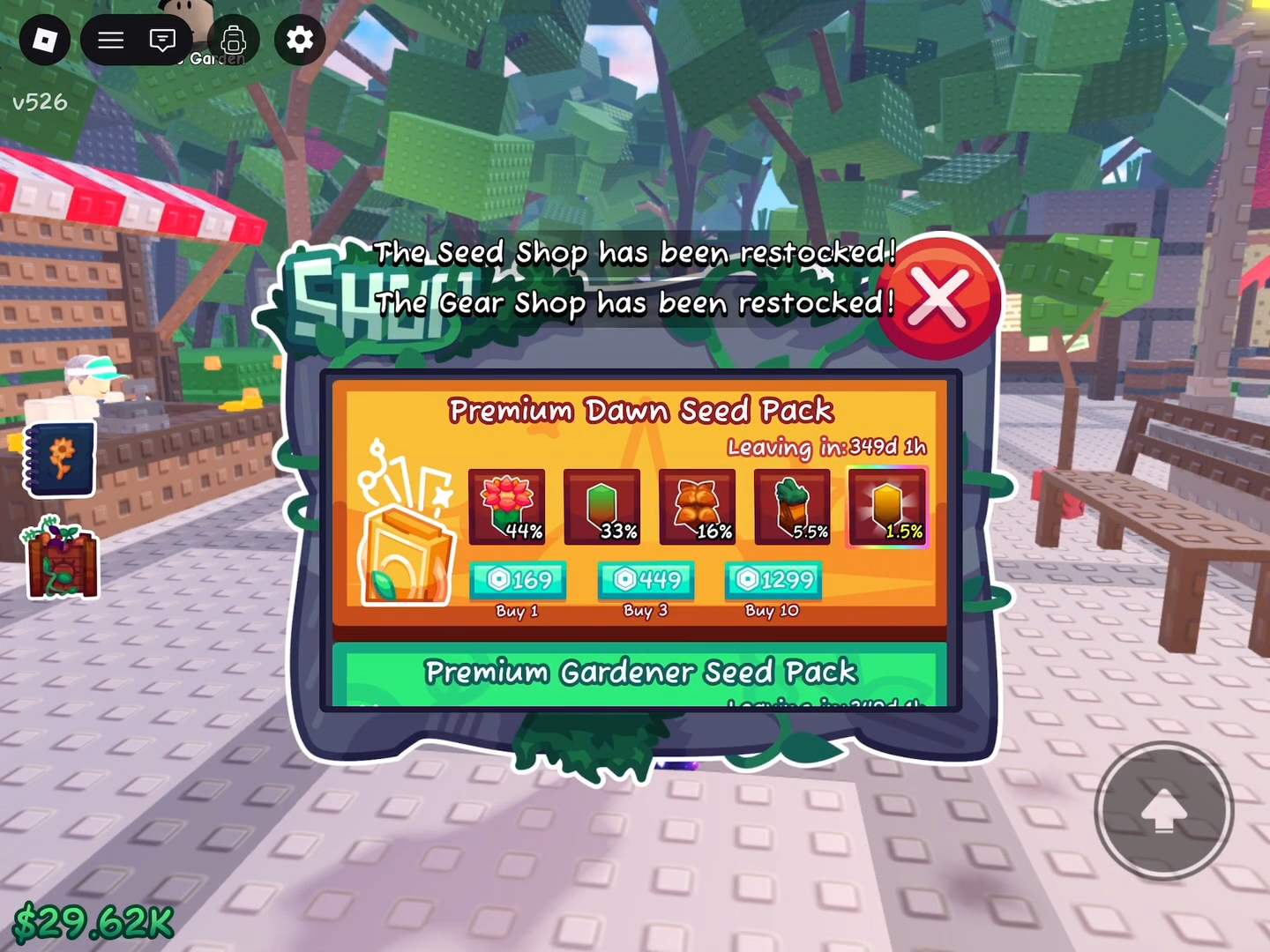
- Multiple gardener seed packs and potentially higher-tier seed packs like dawn packs depending on the quest.
- Higher money amounts than typical daily tasks.
If you play several times during the week, you will likely complete many weekly quests without going out of your way, as long as you keep your garden active.
Rewards you can expect from quest boards
Here is a simple table of the main quest board rewards and why they matter early.
| Quest type | Main rewards | Why it matters early |
|---|---|---|
| Daily | Money, gardener seed packs | Quick boost to daily income and extra seeds without spending cash |
| Weekly | More money, multiple seed packs including higher-tier packs | Long-term bonus that compounds your regular farming progress |
How to plan your routine around daily and weekly resets
If you like structure, you can treat the quest boards as a natural timer for your sessions. Daily resets encourage you to log in at least once a day, while weekly quests reward consistent play across the week.
A simple routine:
- At the start of a session, check both daily and weekly quests, note which ones match what you were already planning to do.
- Prioritize quests that align with your usual farming loop, such as planting or harvesting goals.
- When you finish a set of harvests, check if any quests completed and collect the rewards before starting another cycle.
- Toward the end of the week, review weekly quest progress and decide if a short extra session is worth it to finish a near-complete quest.
By doing this, you turn regular farming into a multi-layered progression system instead of just chasing single harvest payouts.
How to decide when to upgrade and expand
Upgrading tools, unlocking new features, or expanding your garden are all tempting choices once your income rises. If you time them well, they help rather than hurt your momentum.
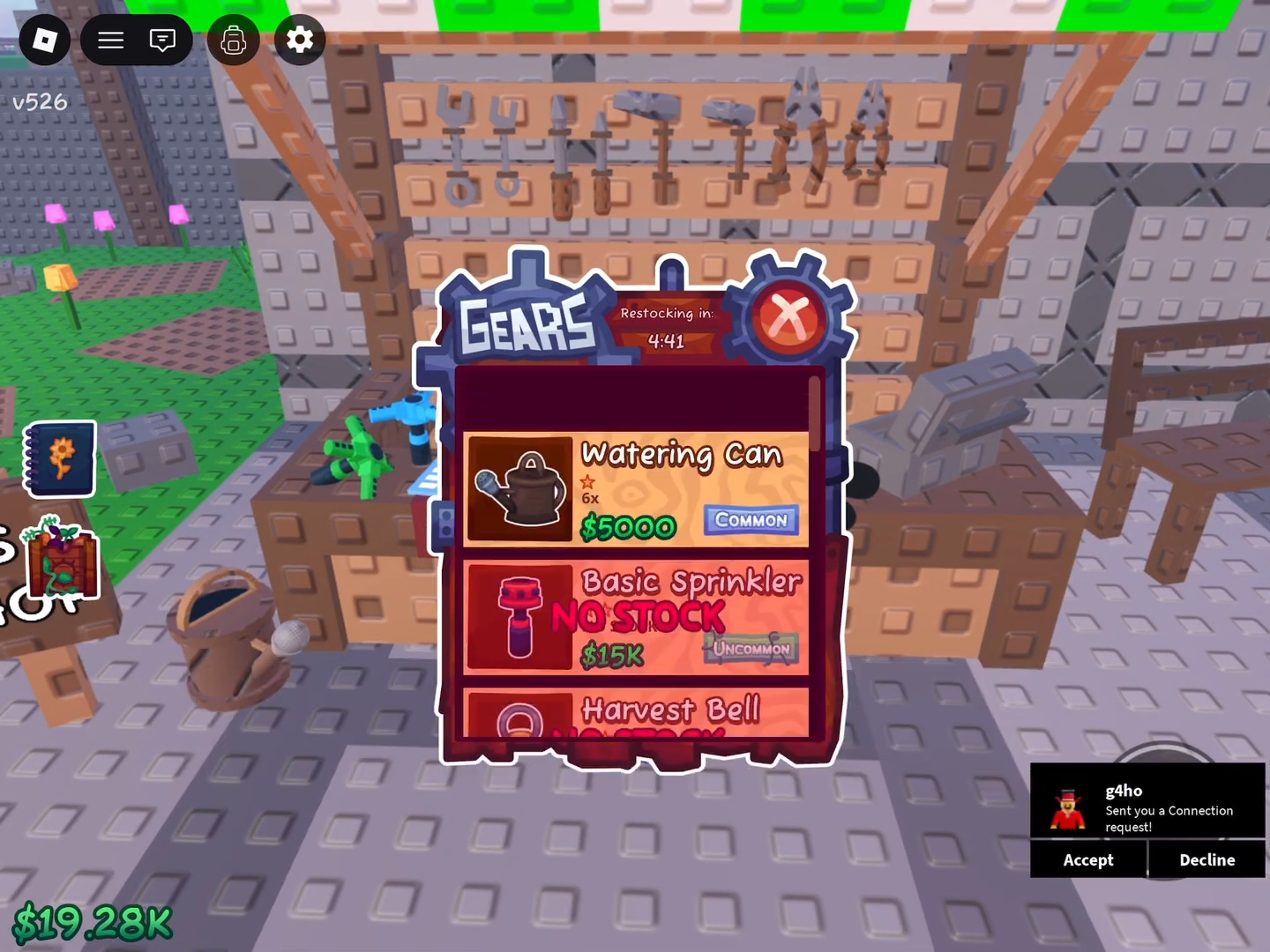
Good times to expand or upgrade:
- Your garden is full most of the time and you still end harvest cycles with extra money.
- You are completing daily quests easily and have a steady flow of seed packs.
- You feel that each harvest is worth enough that adding more plots will significantly increase overall income.
When you upgrade:
- Keep your seed selection balanced so the new plots are filled with reliable crops, not only experimental seeds.
- Use higher-value seeds on a few plots and keep the rest anchored in your proven low- or mid-cost options.
This way, your garden grows in both size and reliability instead of becoming unstable after a single big purchase.
Early-game rewards
While exact seed names and values can vary, you will frequently see rewards fall into a few recognizable categories.
Here is a general rewards table focused on what each type does for your progression.
| Reward type | Source (early game) | Effect on your progress |
|---|---|---|
| Money | Harvesting, selling crops, daily quests | Directly increases your ability to buy more and better seeds |
| Gardener seed pack | Daily and weekly quests | Grants a random set of seeds, often better than starter ones |
| Higher-tier packs | Some weekly quests and later milestones | Can contain rare or high-value seeds that speed up progression |
| Extra plots/tools | Purchases as you advance | Let you plant more at once and streamline your farming loop |
Starting Garden Horizons with a clear plan makes everything feel smoother: your seeds, garden layout, and quest board progress all connect into one loop. By favoring affordable seeds, keeping your plots tightly organized, and using both daily and weekly quests for free boosts, you give yourself a strong foundation that makes later upgrades and rare seeds much easier to handle.