What to know
- Ingots are core smithing materials used for forging and remodeling gear.
- The most reliable source is dismantling equipment at the Blacksmith.
- The Pickaxe forge method can multiply Ingots efficiently.
- There are no confirmed official exploits, only legitimate crafting loops.
Ingots are one of the most important progression materials in Nioh 3. If you spend time crafting optimized weapons, rerolling affixes, or experimenting with builds, you will burn through Ingots quickly. The good news is that the game’s crafting system allows you to create a repeatable material loop that feels effectively unlimited when executed properly.
| Category | Details |
|---|---|
| Material Type | Smithing Material |
| Main Uses | Forging, Reforging, Remodeling |
| Quality Levels | Standard, Higher-quality variants |
| Primary Source | Dismantling weapons and armor |
| Fastest Loop | Forge Pickaxe → Dismantle → Gain surplus Ingots |
| Hub Location | Blacksmith at the Eternal Rift |
Ingots are generated through the dismantling system rather than direct farming routes. This means your ability to produce them scales with how efficiently you convert gear into materials.
How the basic dismantling loop works
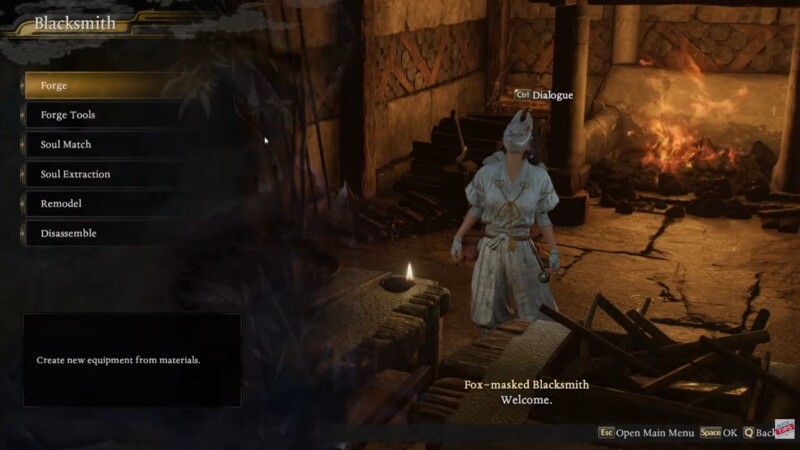
The foundation of unlimited Ingots is simple. You farm enemies or complete missions to acquire equipment. You then visit the Blacksmith in the Eternal Rift hub and select the disassemble option. Every dismantled weapon or armor piece converts into base materials, including Ingots.
Because gear drops are effectively infinite through mission replay, this system creates a renewable material economy.
| Step | Result |
|---|---|
| Defeat enemies | Obtain equipment drops |
| Visit Blacksmith | Select Disassemble |
| Break down equipment | Receive Ingots and other materials |
| Use materials to craft | Generate more gear opportunities |
The loop continues as long as you are playing the game and collecting loot.
The Pickaxe method that multiplies Ingots
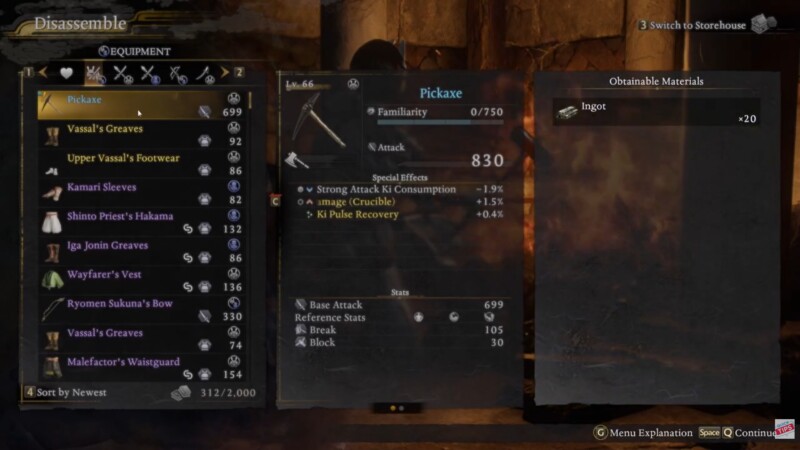
A more optimized approach involves forging a specific item: the Pickaxe. Community testing has shown that this weapon provides an unusually high return when dismantled.
You begin by going to the Blacksmith and selecting the Forge option. Choose the Pickaxe blueprint and craft it. The materials required are generally common crafting components, with Ingots being the most valuable input. After crafting the Pickaxe, immediately dismantle it.
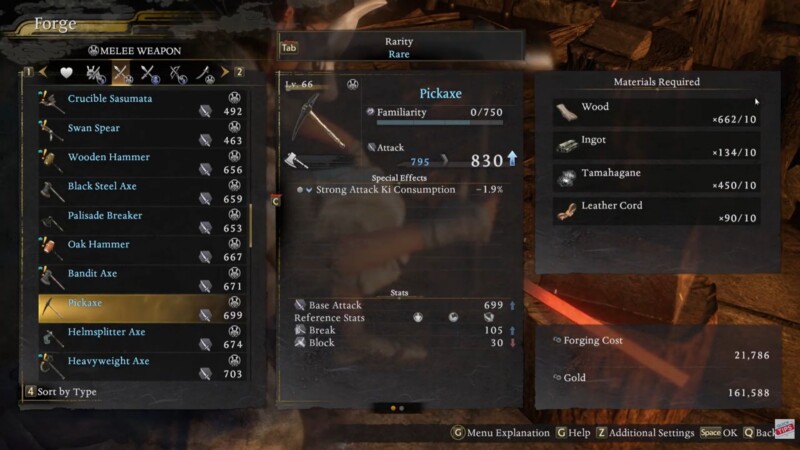
When dismantled, the Pickaxe yields approximately 20 Ingots, which can exceed the amount used to craft it. This effectively creates a material duplication loop under normal game systems.
| Action | Ingot Flow |
|---|---|
| Forge Pickaxe | Spend Ingots |
| Dismantle Pickaxe | Receive ~20 Ingots |
| Net Result | Material gain |
This method stands out because most forged items do not return such a high percentage of their base materials when dismantled. The Pickaxe appears to be uniquely efficient in this regard.
Why the Pickaxe loop works
The likely reason this method works is due to how dismantling calculates material returns. Weapons have internal material tables tied to their classification. The Pickaxe appears to convert disproportionately into base metal materials compared to its crafting cost.
Unlike traditional exploits or glitches, this process uses built-in mechanics: forging and dismantling. There are no duplication bugs or menu manipulation tricks involved. You are simply leveraging crafting efficiency.
However, balance changes in live service patches could adjust material return values. If returns are reduced in future updates, this loop may become less profitable.
Scaling the loop for high-volume farming
To scale this into a near-infinite supply, you combine two systems:
First, continuously farm missions with high loot density. Stronger enemies and bosses drop higher rarity gear, which dismantles into better materials.
Second, convert surplus materials into Pickaxes, then dismantle them again to multiply Ingots.
| Source | Efficiency Level |
|---|---|
| Random Gear Dismantling | Moderate |
| High-Rarity Weapon Dismantling | High |
| Pickaxe Forge Loop | Very High |
Over time, this creates a self-sustaining material engine. As long as you maintain enough base crafting materials to forge Pickaxes, you can continue multiplying Ingots.
Quality tiers and material output
Like other smithing components, Ingots also scale by rarity. Higher-tier weapons yield higher-quality Ingots when dismantled. If you are targeting advanced remodeling or late-game forging, you should prioritize dismantling rare and exotic weapons.
| Gear Rarity | Ingot Quality Output |
|---|---|
| Common | Standard Ingots |
| Rare | Quality Ingots |
| Exotic+ | Higher-tier variants |
The Pickaxe loop primarily generates standard Ingots, so for higher tiers, dismantling elite gear remains important.
No confirmed infinite glitches or cheats
There are currently no verified in-game duplication glitches that provide truly infinite Ingots without gameplay involvement. Guides and community testing focus entirely on legitimate crafting loops.
While external mods or trainers may exist on PC platforms, they are not officially supported and may risk save corruption or account penalties. For standard play, the forge-and-dismantle cycle remains the safest and most effective approach.
Building an unlimited Ingot supply
If you integrate the Pickaxe loop into your regular crafting routine, you significantly reduce resource bottlenecks. This is especially valuable when experimenting with builds, rerolling stats repeatedly, or upgrading multiple weapon types.
Instead of rationing Ingots, you can maintain a surplus and focus on build optimization.
The key insight is simple: gear equals materials, and certain forged items amplify that conversion rate. Once you understand that system, Ingots stop being a limitation and become a renewable resource.
Unlimited Ingots in Nioh 3 are not about hidden exploits. They are about understanding the Blacksmith economy. By farming loot consistently and using the Pickaxe forge-and-dismantle loop, you create a sustainable material engine.
If you make dismantling and targeted forging part of your progression strategy, you will rarely run out of Ingots — even during heavy crafting sessions.