- What to know
- Rope Dart Location and the Bamboocut Dust unlock
- Unlocking Chestnut Cloud Journey through the Secret Chamber
- Combat identity: flow over force
- Optimal build direction
- PvE performance and boss control
- PvP viability and skill ceiling
- Advanced mastery principles
- Strengths and limitations
- Why Chestnut Cloud Journey stands out
What to know
- Chestnut Cloud Journey is a ranged Rope Dart martial art focused on control and flow.
- It is unlocked through a Secret Chamber dungeon tied to the Nine Schools.
- The new Bamboocut Dust rope dart is obtained via the Ghost Light Market Skill-Theft Dungeon.
- The style rewards tempo control and positioning over raw burst damage.
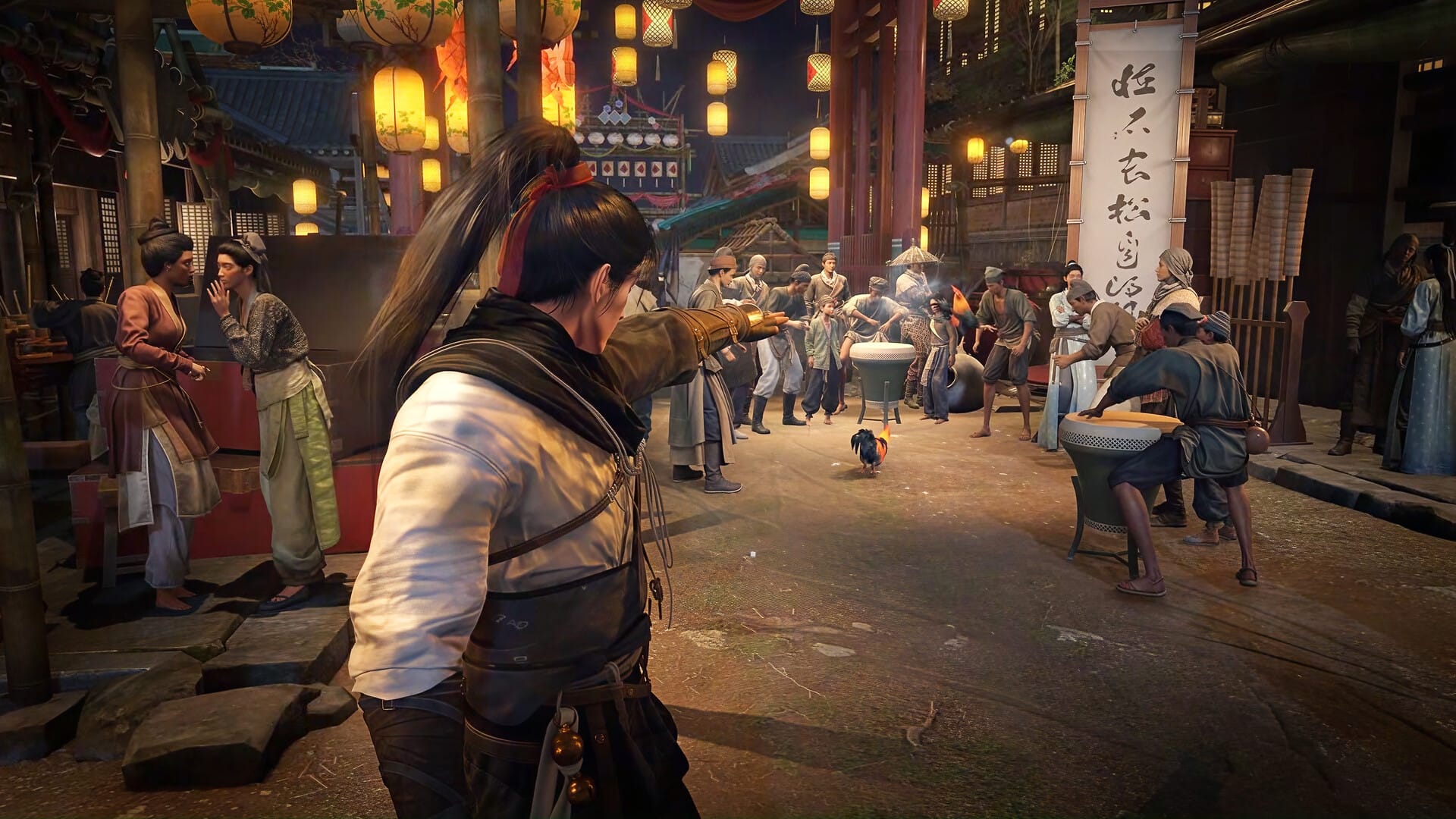
Chestnut Cloud Journey is not the highest damage Rope Dart variant available, but it may be the most refined. Unlocking it through the Secret Chamber questline and mastering its tempo-based mechanics rewards patience and awareness. The Martial Art is currently available only in the CN version of Where Winds Meet.
Rope Dart Location and the Bamboocut Dust unlock
Before stepping into Chestnut Cloud Journey, most players first encounter Rope Dart gameplay through Bamboocut Dust, a foundational rope dart technique that introduces spacing control and fluid engagement.
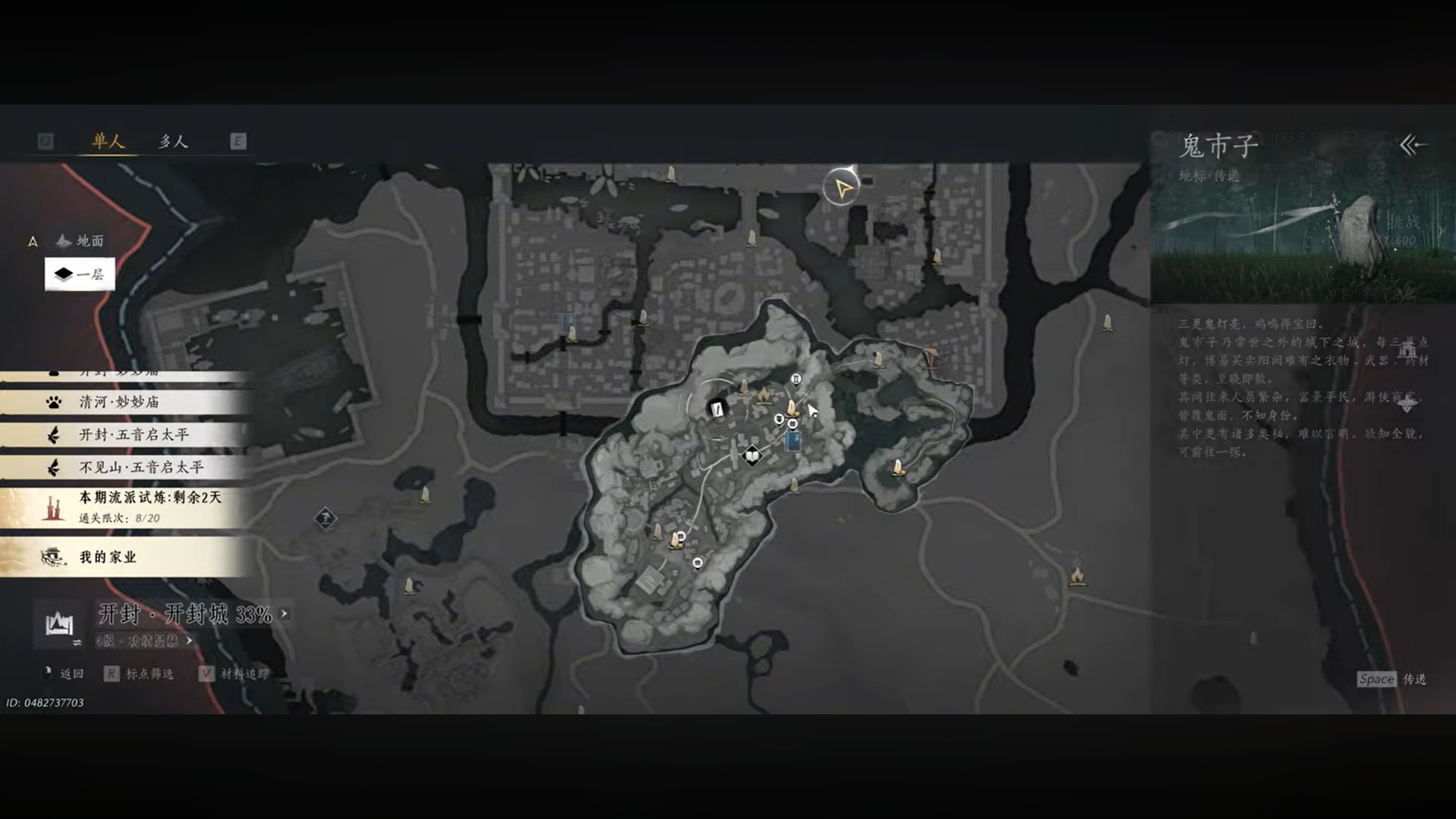
To unlock it, you must travel to the Ghost Light Market and speak with the ferryman. This interaction initiates a Skill-Theft Dungeon, a self-contained instance designed to test environmental awareness and vertical navigation. The defining mechanic inside this dungeon is underwater traversal. Diving allows you to avoid danger, bypass hostile threats, and discover hidden treasure chests placed below the surface.
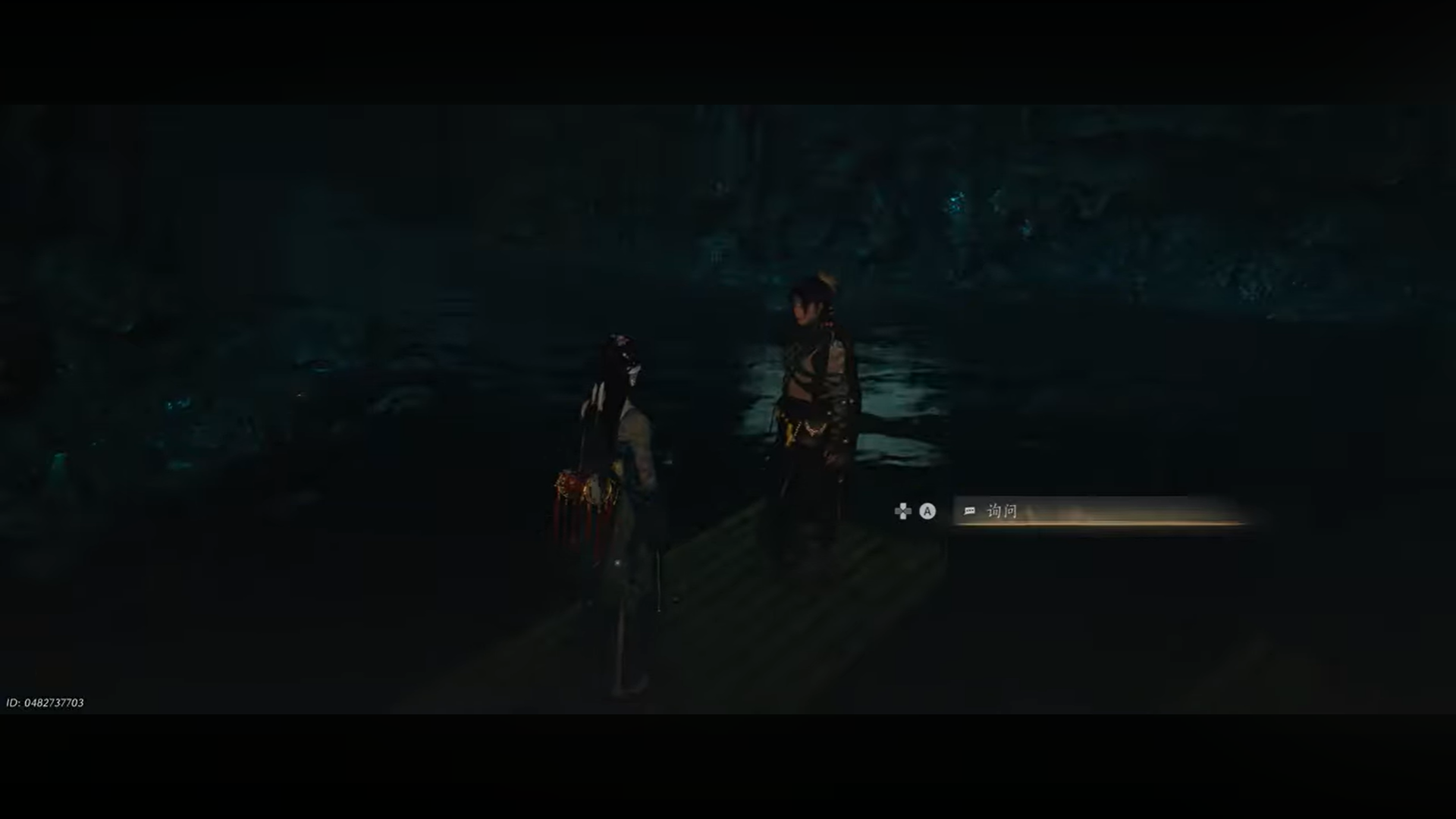
Clearing the dungeon and completing the quest rewards the Bamboocut Dust rope dart martial art, giving you early exposure to rope-based engagement mechanics. The design subtly prepares you for the more advanced rhythm-based control style found in Chestnut Cloud Journey.
Unlocking Chestnut Cloud Journey through the Secret Chamber
Chestnut Cloud Journey is unlocked through a quest known as Chestnut Cloud Journey · Secret Chamber, which leads you into a hidden underground cave system connected to the Nine Schools.
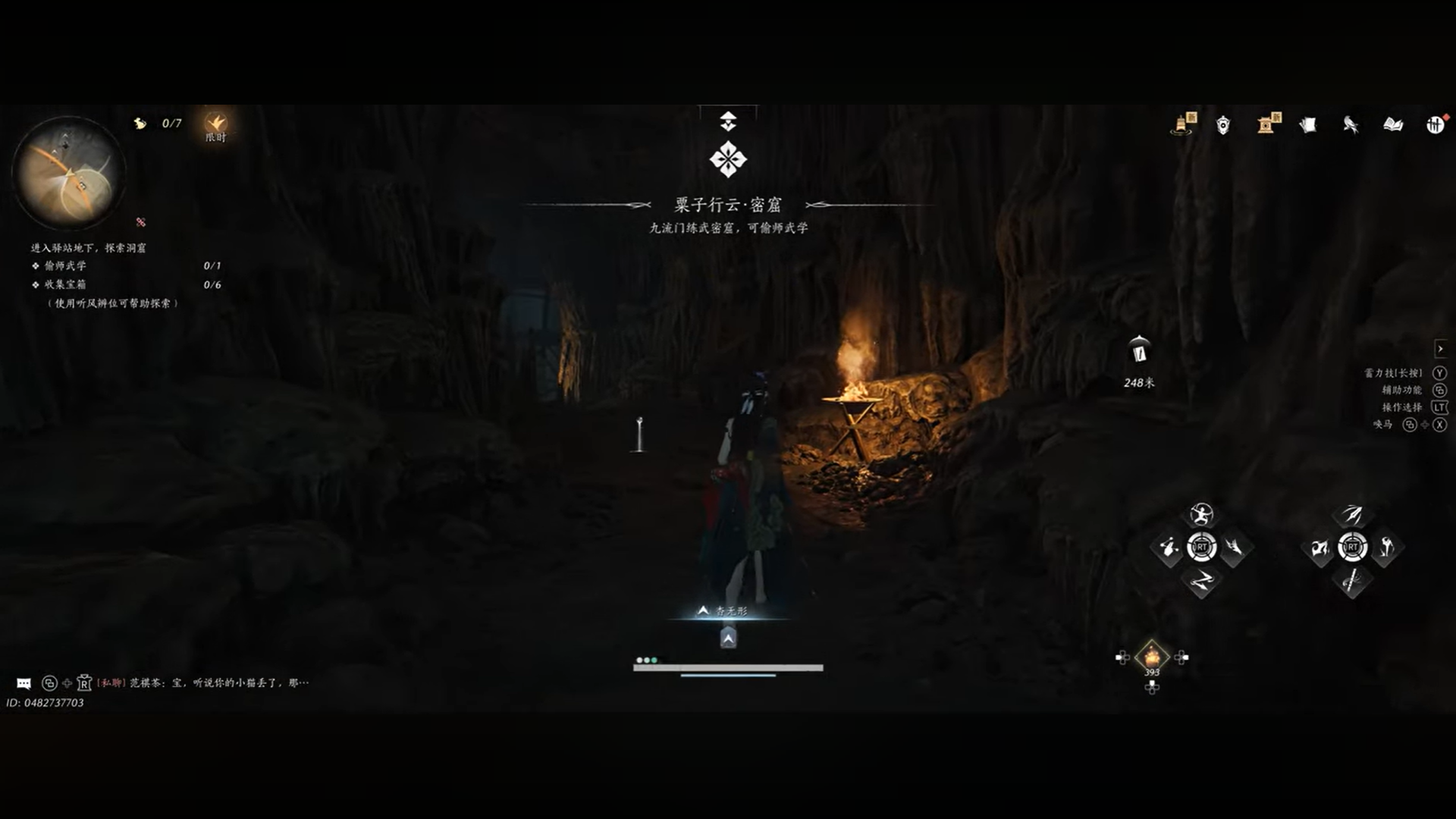
Inside the chamber, progression is not purely combat-based. You must explore carefully, uncover environmental clues, and use a detection ability often described as Listening to the Wind to reveal concealed mechanisms. Only after activating these hidden triggers can you access the inner martial trial.
Completing the final encounter grants the martial art manual, permanently unlocking the style.
| Unlock Phase | Requirement |
|---|---|
| Cave Entry | Locate hidden Nine Schools chamber |
| Clue Discovery | Investigate environmental markers |
| Mechanism Activation | Use detection skill to reveal triggers |
| Martial Trial | Complete combat challenge to obtain manual |
The unlock process mirrors the style’s philosophy: awareness, patience, and controlled progression.
Combat identity: flow over force
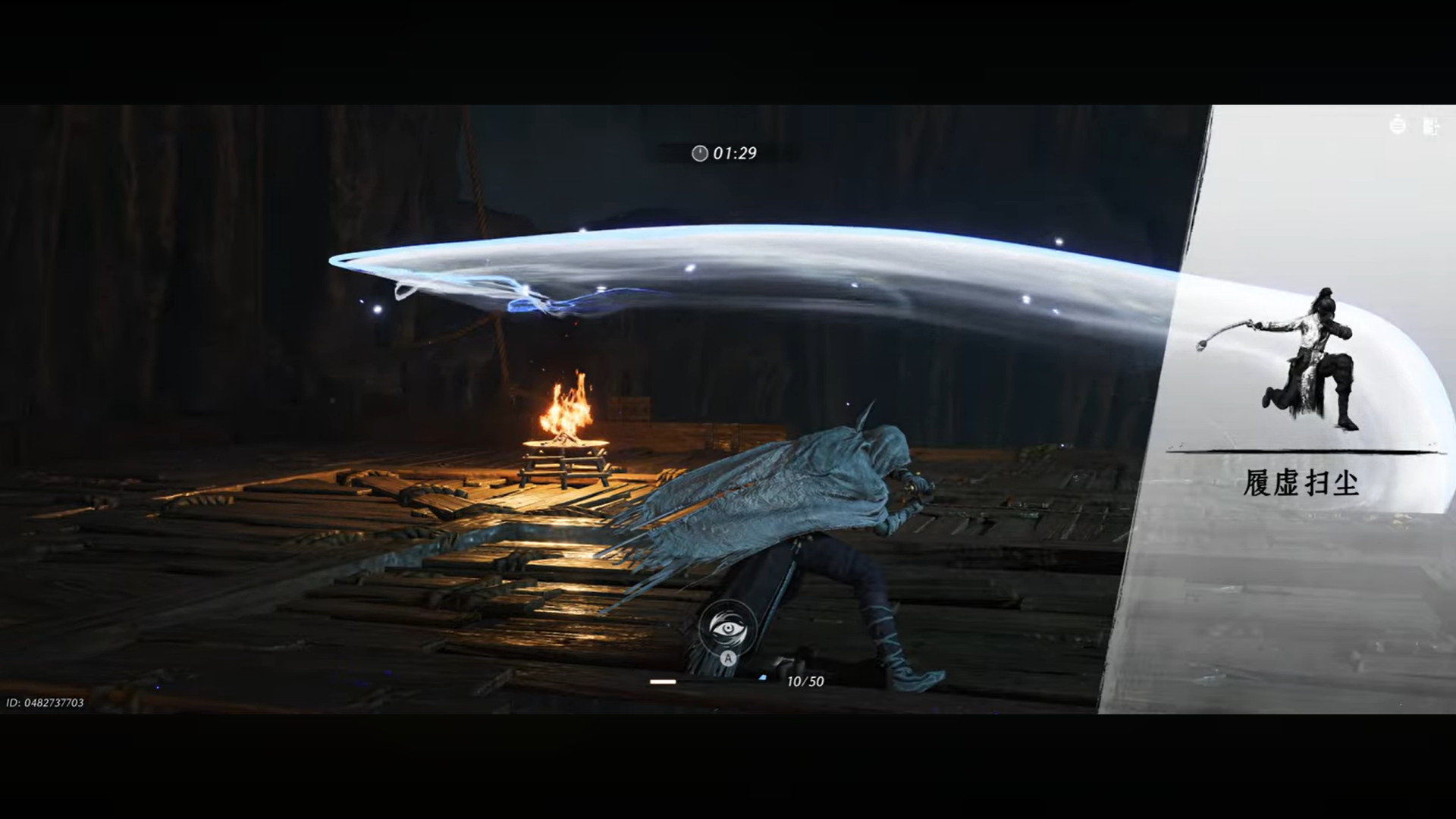
Chestnut Cloud Journey is categorized as a ranged damage martial art, yet in practice it functions as a hybrid control style. Its defining feature is the pull mechanic, which allows you to reposition enemies or close distance safely.
Unlike heavy burst martial arts that rely on overwhelming single-hit damage, this style thrives on sustained pressure and battlefield manipulation. It excels when you control tempo rather than chase damage numbers.
The skill structure consistently follows a recognizable pattern:
| Skill Type | Combat Role | Tactical Impact |
|---|---|---|
| Pull Engage | Initiation or forced reposition | Dictates enemy movement |
| Rope Flurry | Multi-hit sustained damage | Triggers on-hit effects |
| Launch / Knockdown | Crowd control window | Creates burst opportunity |
| Flow Mobility | Reposition or disengage | Maintains tempo advantage |
The core strength of the style lies in engagement control. You decide when combat begins and where it unfolds.
Optimal build direction
Chestnut Cloud Journey performs best when paired with a fast secondary weapon. The rope dart establishes control; the secondary weapon executes damage during stagger or knockdown windows.
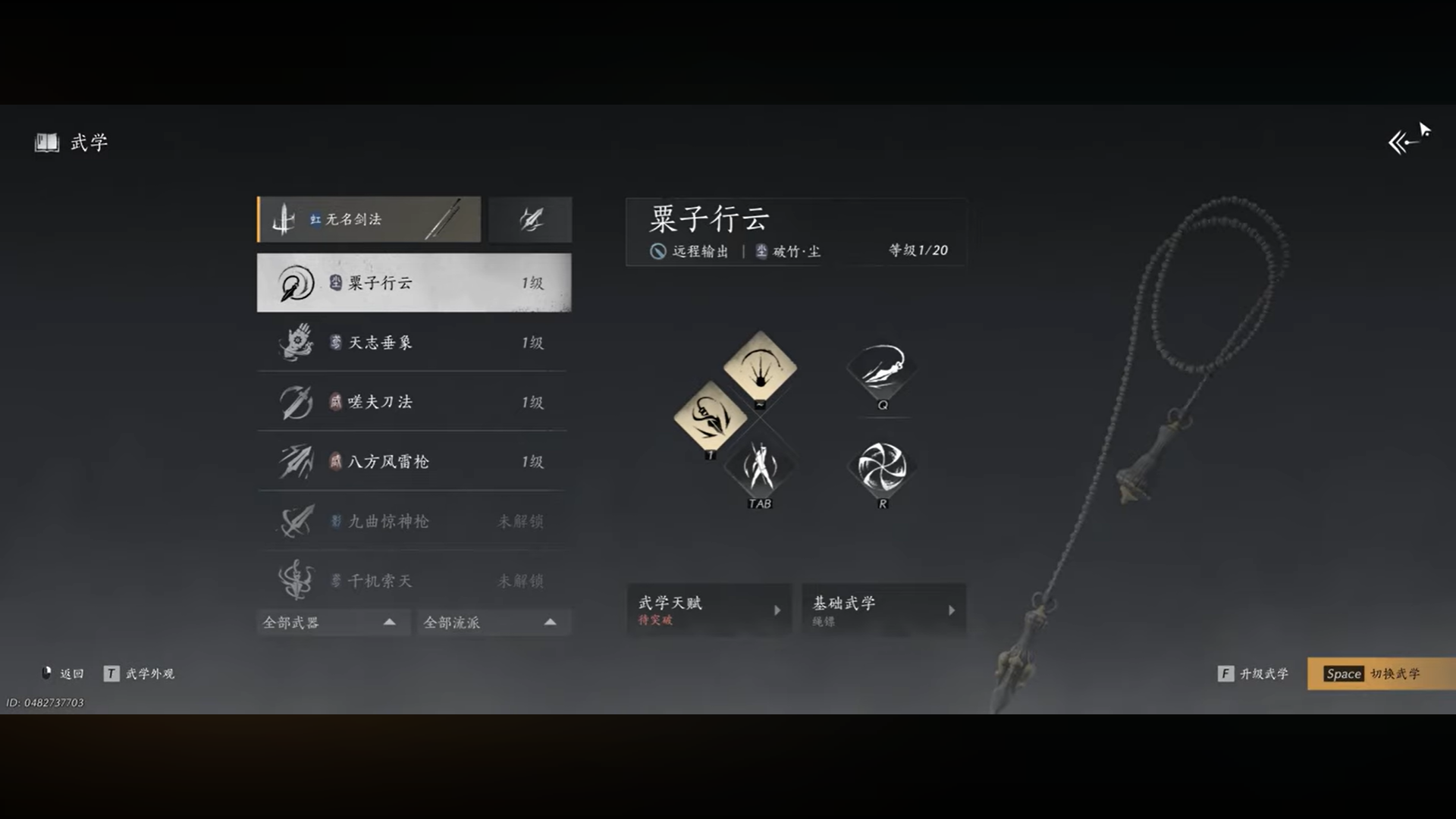
Twin blades synergize especially well due to rapid follow-up potential, while short swords offer precise punish timing. Because the rope dart encourages weaving light attacks between skills, attack speed and cooldown reduction become highly valuable.
| Build Focus | Benefit |
|---|---|
| Attack Scaling | Enhances rope flurry damage |
| Critical Rate | Increases burst during knockdown |
| Attack Speed | Smoothens ability weaving |
| Cooldown Reduction | Maintains continuous control pressure |
This is not a brute-force style. It is a rhythm-based one.
PvE performance and boss control
In PvE content, especially in caves and narrow corridors, Chestnut Cloud Journey becomes exceptionally stable. Pull mechanics allow you to isolate dangerous ranged targets and prevent enemies from dictating spacing.
Against bosses, the optimal approach is deliberate. Opening with a pull establishes proximity. A rope flurry applies sustained pressure. A launch or knockdown creates a damage window. You then transition to your secondary weapon before repositioning safely.
Because Shock or stagger windows often determine boss pacing, this style’s tempo manipulation proves highly reliable.
PvP viability and skill ceiling
In PvP, the style becomes more technical. The pull mechanic can punish careless movement, but predictable usage can be countered by experienced opponents.
Its greatest advantage lies in forcing reactions. When you delay pulls strategically or bait movement before committing, you create openings that heavy burst styles cannot replicate.
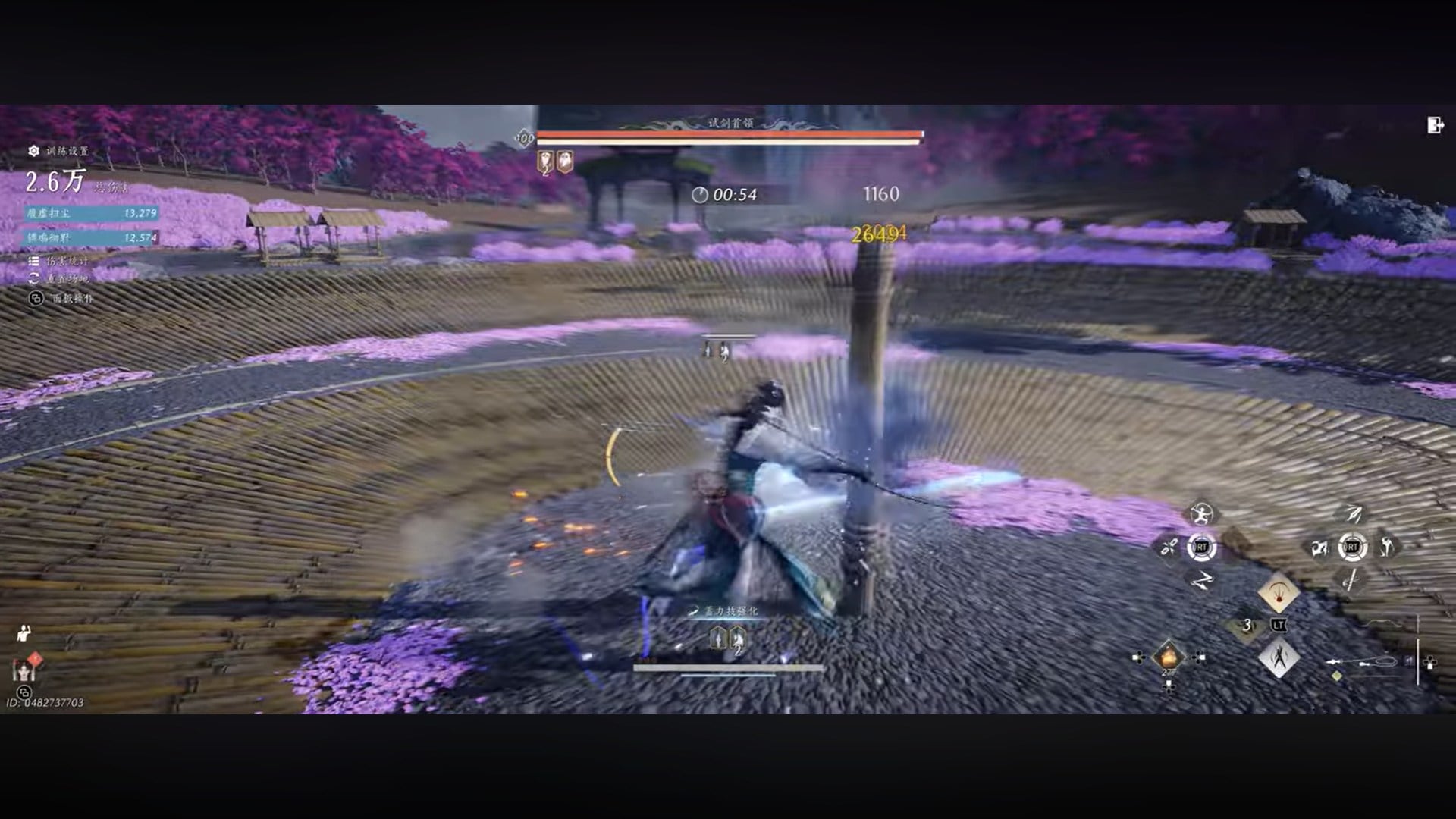
However, the margin for error is small. Misjudging pull range or timing can leave you exposed. The style’s effectiveness scales directly with player discipline and spacing awareness.
Advanced mastery principles
Understanding maximum tether range is critical. Overextending wastes cooldown and can compromise your position. Visual familiarity with rope length becomes second nature at higher levels of play.
Elevation can also be exploited. Pulling enemies downhill disrupts their footing and often breaks their positioning advantage. In uneven terrain, this technique becomes especially oppressive.
Most importantly, avoid spamming abilities. The style rewards weaving light attacks between skills to maintain fluid momentum. Mastery comes from maintaining flow, not forcing it.
Strengths and limitations
| Strength | Limitation |
|---|---|
| Exceptional spacing control | Moderate raw burst |
| Fluid mobility | High execution requirement |
| Strong PvE consistency | Punishable if mistimed |
| Hybrid engagement style | Demands tempo awareness |
The martial art’s power is subtle but oppressive in skilled hands.
Why Chestnut Cloud Journey stands out
Most martial arts in Where Winds Meet emphasize explosive damage or defensive counterplay. Chestnut Cloud Journey emphasizes movement and mutual support philosophy, aligning with its lore origins.
It feels less like swinging a weapon and more like guiding momentum. You are not overwhelming opponents — you are repositioning them into disadvantage.
When mastered, the rope dart moves effortlessly, flowing between engage and disengage like drifting clouds. It rewards players who value control, adaptability, and refined execution.