The New York Times Connections puzzle for 14 February 2026 is a clever blend of word associations that ranges from everyday language to pop culture references. Today’s grid challenges you to notice subtle shifts in meaning, from physical descriptions to cinematic callbacks and even a bit of tricky wordplay. If you’re stuck on that last elusive group or worried about running out of mistakes, the hints below will nudge you in the right direction without spoiling the fun.
NYT Connections Puzzle Overview: 14 February 2026
Today’s puzzle offers a solid mix of accessibility and clever twists. One category captures dynamic increases, another features bumpy elevations, a third honors iconic film roles, and the last plays on linguistic prefixes. It strikes a good balance, with the movie group likely snapping into place first for film buffs, while the wordplay might require a fresh angle.
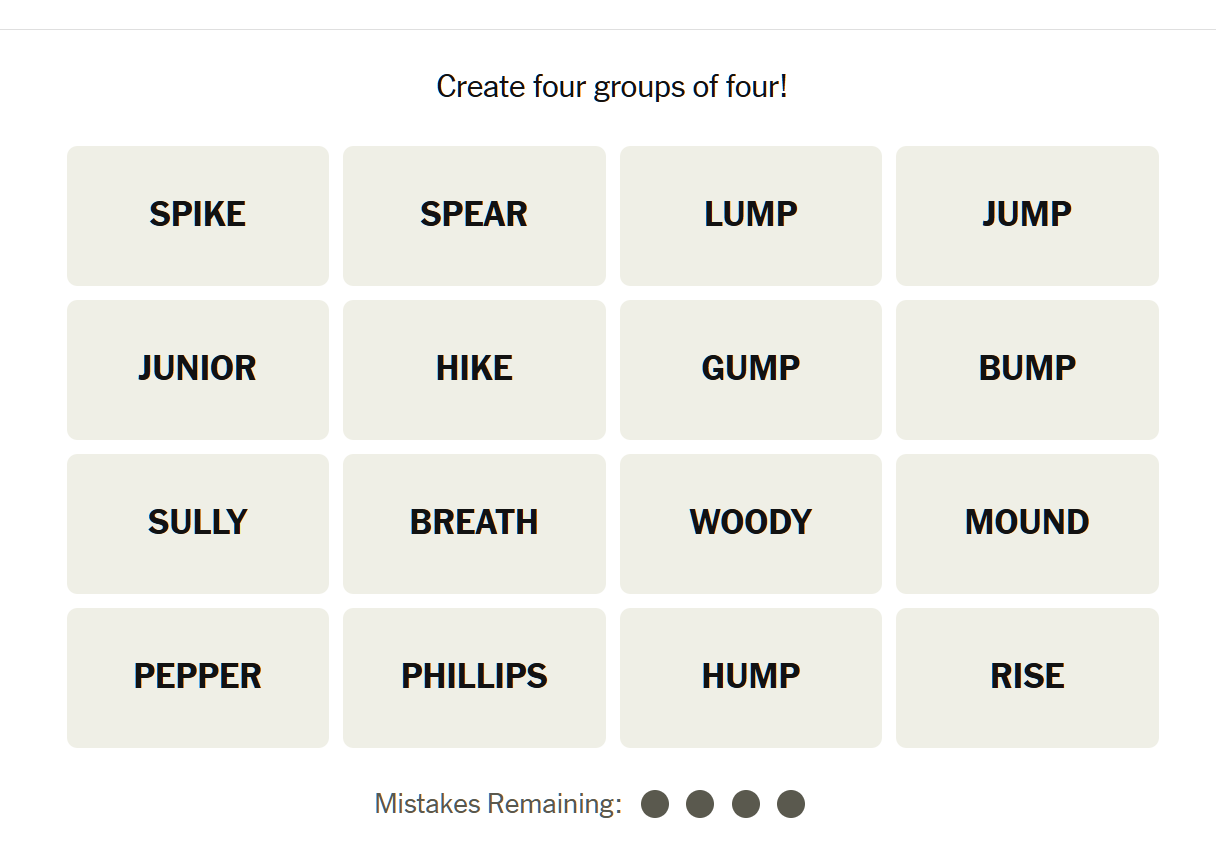
NYT Connections Hints: 14 February 2026
Category 1:
-
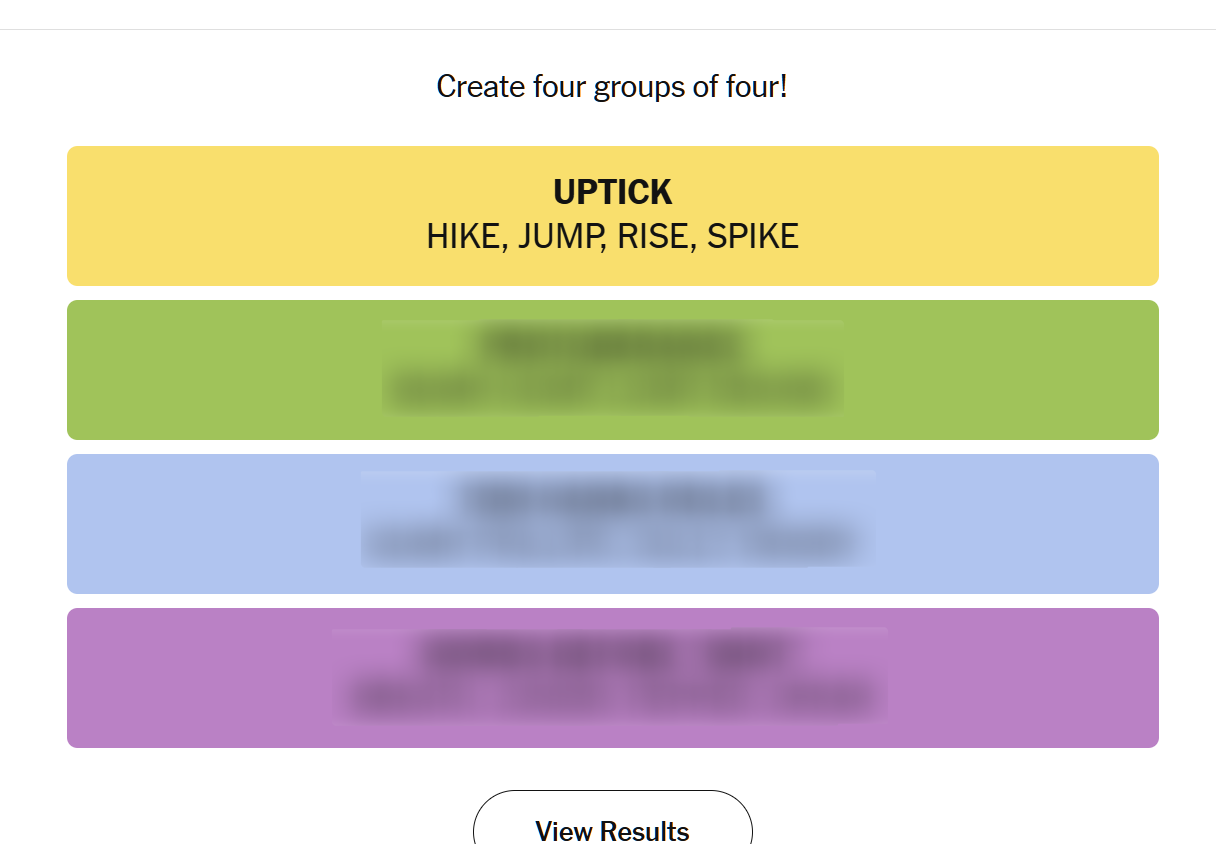
Consider sharp, sudden increases.
-
These suggest rapid growth or elevation.
-
Common in graphs, prices, or excitement.
-
They all move distinctly upward.
Category 2:
-
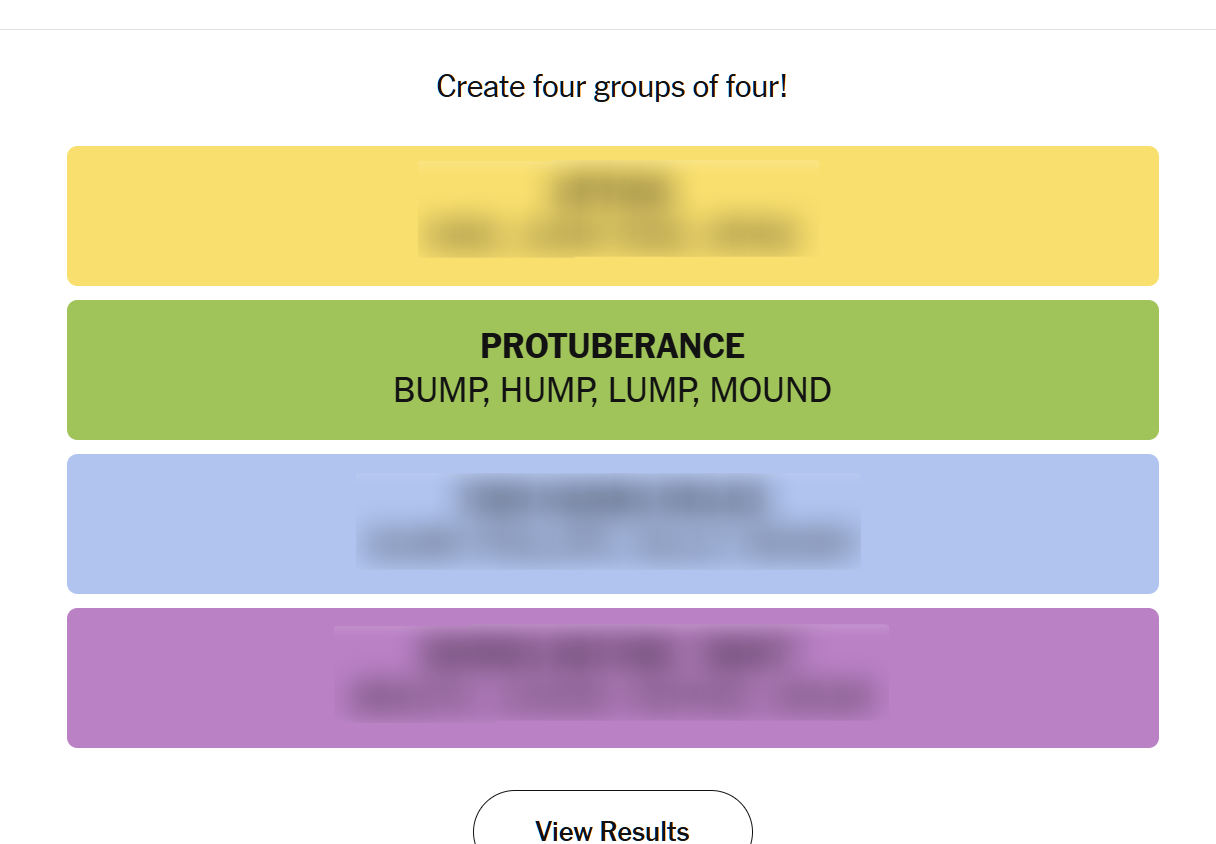
Think of rounded or irregular elevations.
-
Features from landscapes or the body.
-
Synonyms for small hills or swellings.
-
Often found on roads or skin.
Category 3:
-
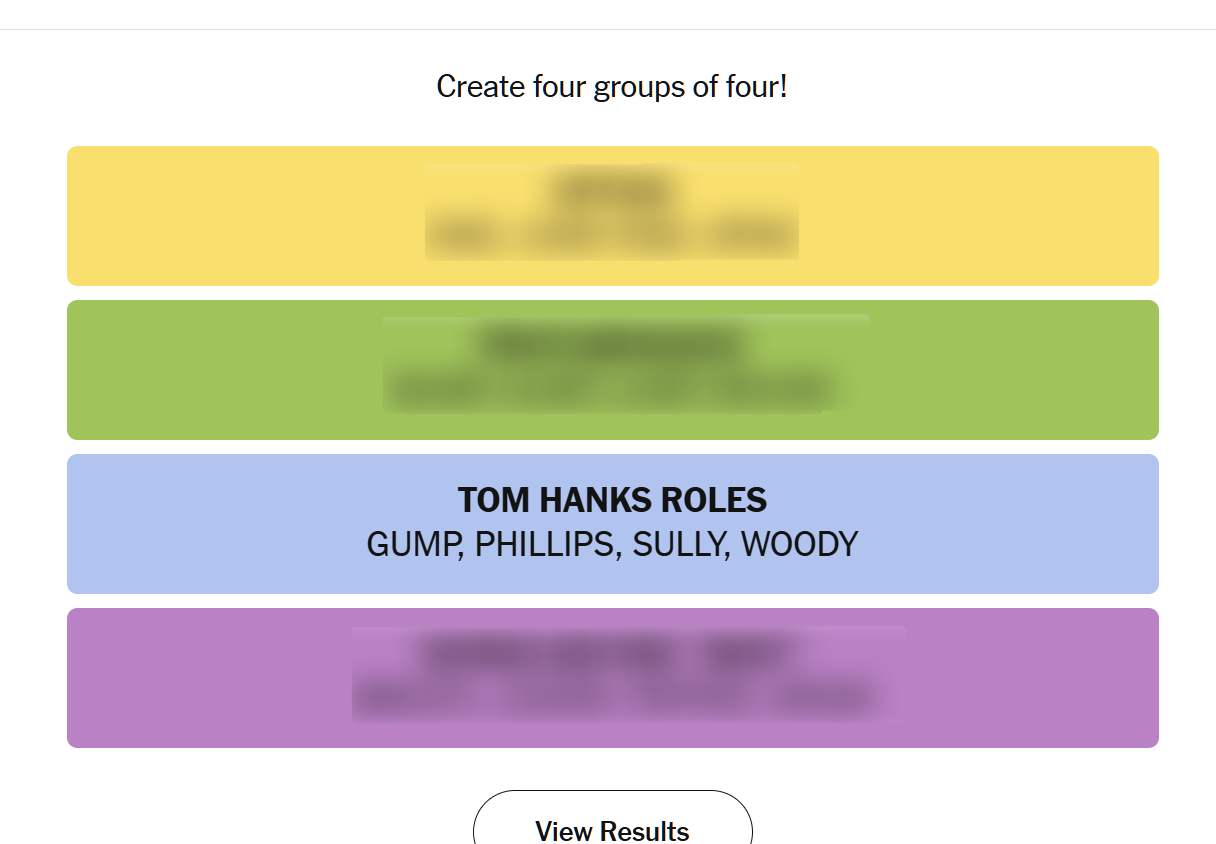
Iconic characters played by a beloved actor.
-
Includes a WWII hero, a toy sheriff, and a simpleton.
-
Nods to ’90s and 2000s blockbusters.
-
Spans animation to drama.
Category 4:
-
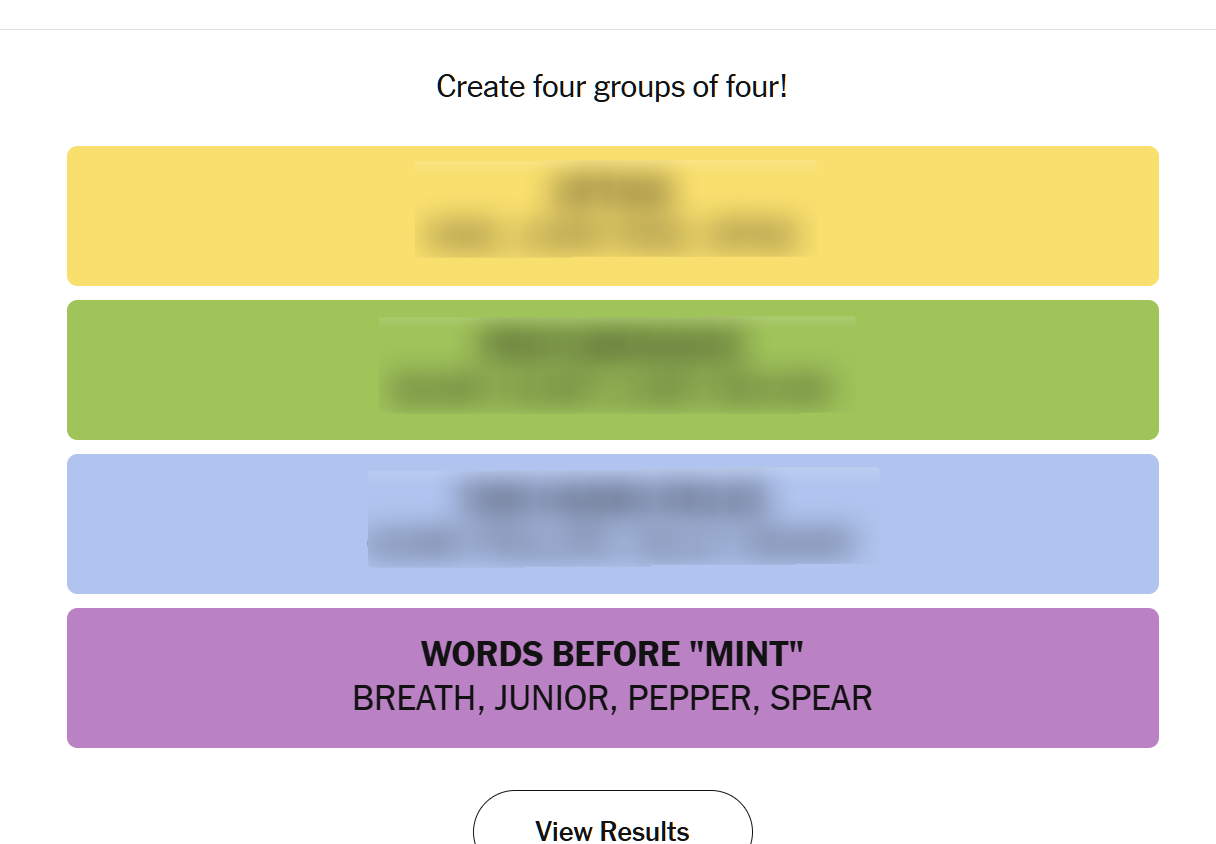
Words that precede a popular breath freshener.
-
They form compound terms like “_____ mint.”
-
Range from juniors to spears.
-
Say them with “mint” to test the fit.
NYT Connections Answers: 14 February 2026
Here are the answers, grouped by category.
Category 1:
Category 2:
Category 3:
Category 4:
Conclusion & Quick Strategy Tip
The 14 February 2026 Connections puzzle delivers engaging categories with visual, cultural, and phonetic ties that reward persistence. Quick strategy tip: spot celebrity connections early to clear the board, then probe leftovers for prefix patterns or shared suffixes.