What to know
-
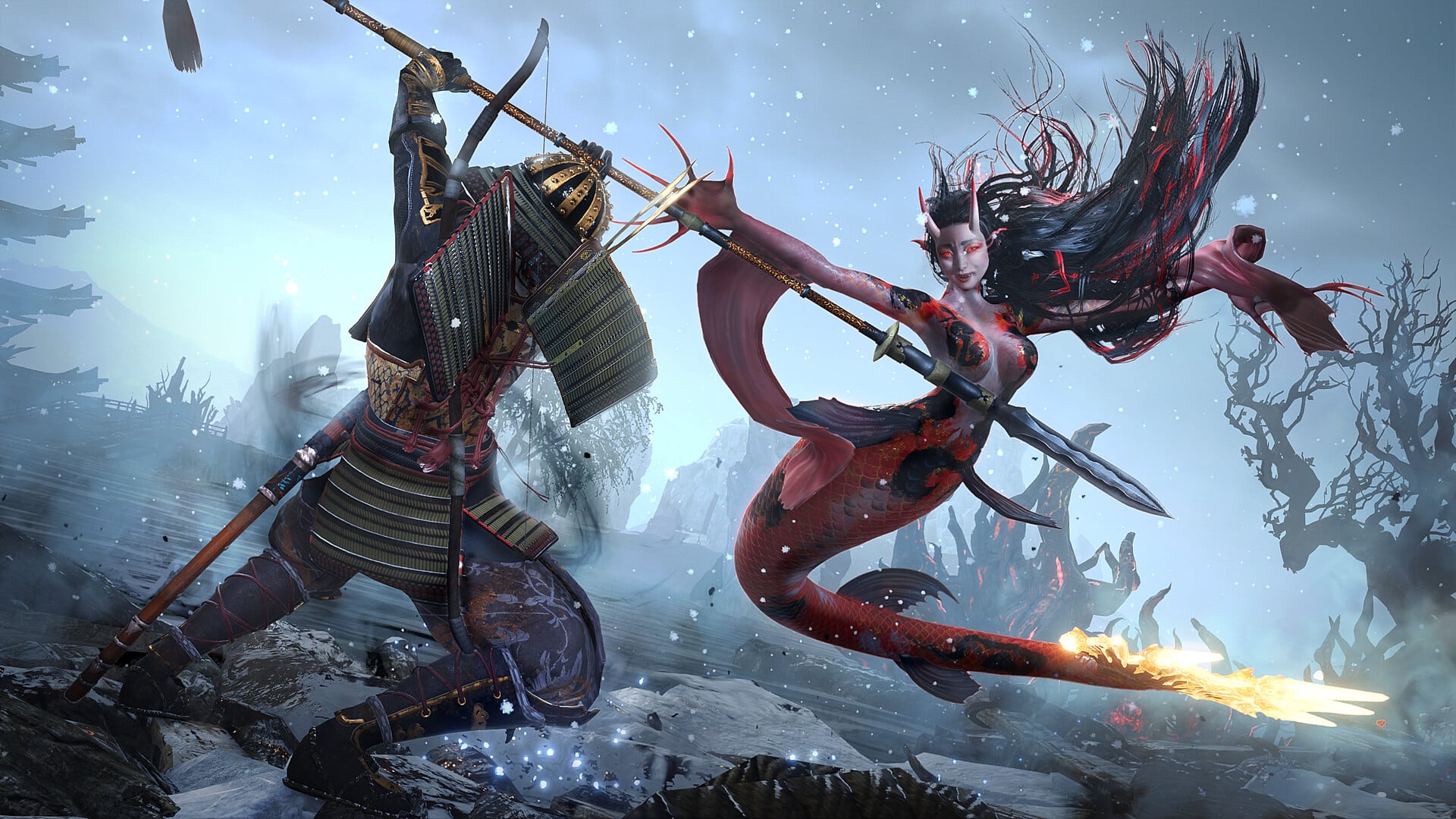
Yes, Nioh 3 fits many soulslike expectations: high difficulty, stamina-style resource management, and punishing death loops.
-
It also breaks from typical Souls design by leaning harder into deep combat systems and build variety.
-
Nio 3 is positioned as a dark samurai action RPG with open-field exploration and distinct Samurai and Ninja playstyles.
-
It launched on PlayStation 5 and Windows PC via Steam on February 6, 2026.
Nioh 3 sits in the overlap between soulslike and character-action RPG design, so whether you call it a soulslike depends on what you think the label must include. The cleanest take is: if you mean a punishing ARPG with Souls DNA, it qualifies; if you mean a FromSoftware-style world and pacing, it only partially matches.
| Topic | What Nioh 3 does | What that means |
|---|---|---|
| Core genre framing | Dark samurai action RPG (Team Ninja / Koei Tecmo) | Not marketed as Souls, but in the same challenge-action space |
| Structure | Open-field exploration across multiple eras and regions | Closer to modern ARPG exploration than strictly linear missions, but still not a 1:1 Souls world feel |
| Combat identity | Two distinct styles: Samurai and Ninja, aimed at tactical variety | More emphasis on combat expression than classic Souls simplicity |
| Platforms and launch | PS5 and PC via Steam, Feb 6, 2026 | It is a current-gen action RPG built for modern audiences, including genre fans |
The soulslike traits you will recognize
You are expected to learn through failure
Nioh 3 is built around difficult fights and repeated attempts, which is one of the core reasons people group it with soulslikes.
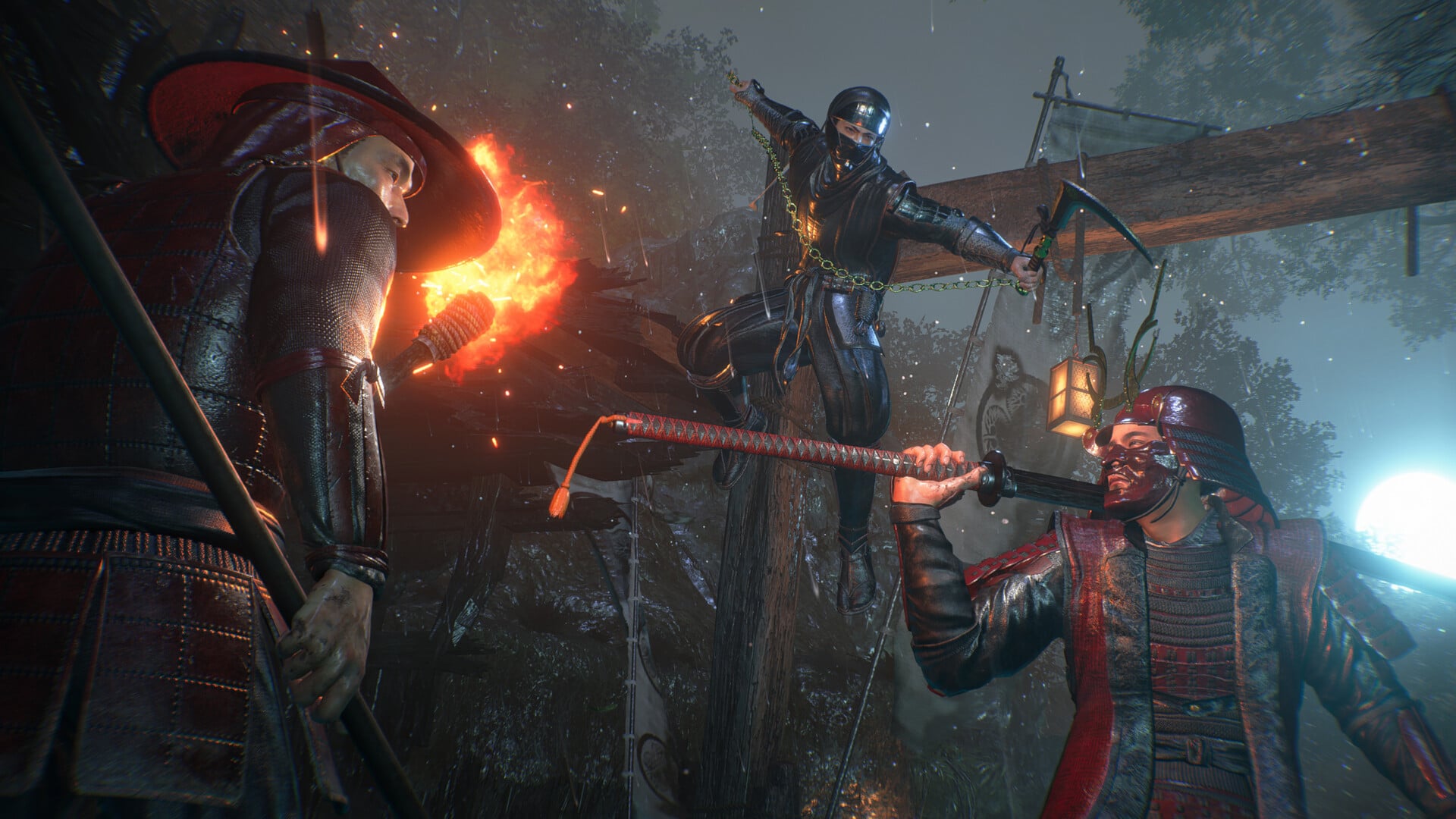
Progress can feel tense and high-stakes
Soulslikes usually create pressure through hard enemies and the risk of losing progress, and Nioh 3 is commonly discussed in that same risk-reward language even when it plays faster.
The ways Nioh 3 differs from a traditional Souls game
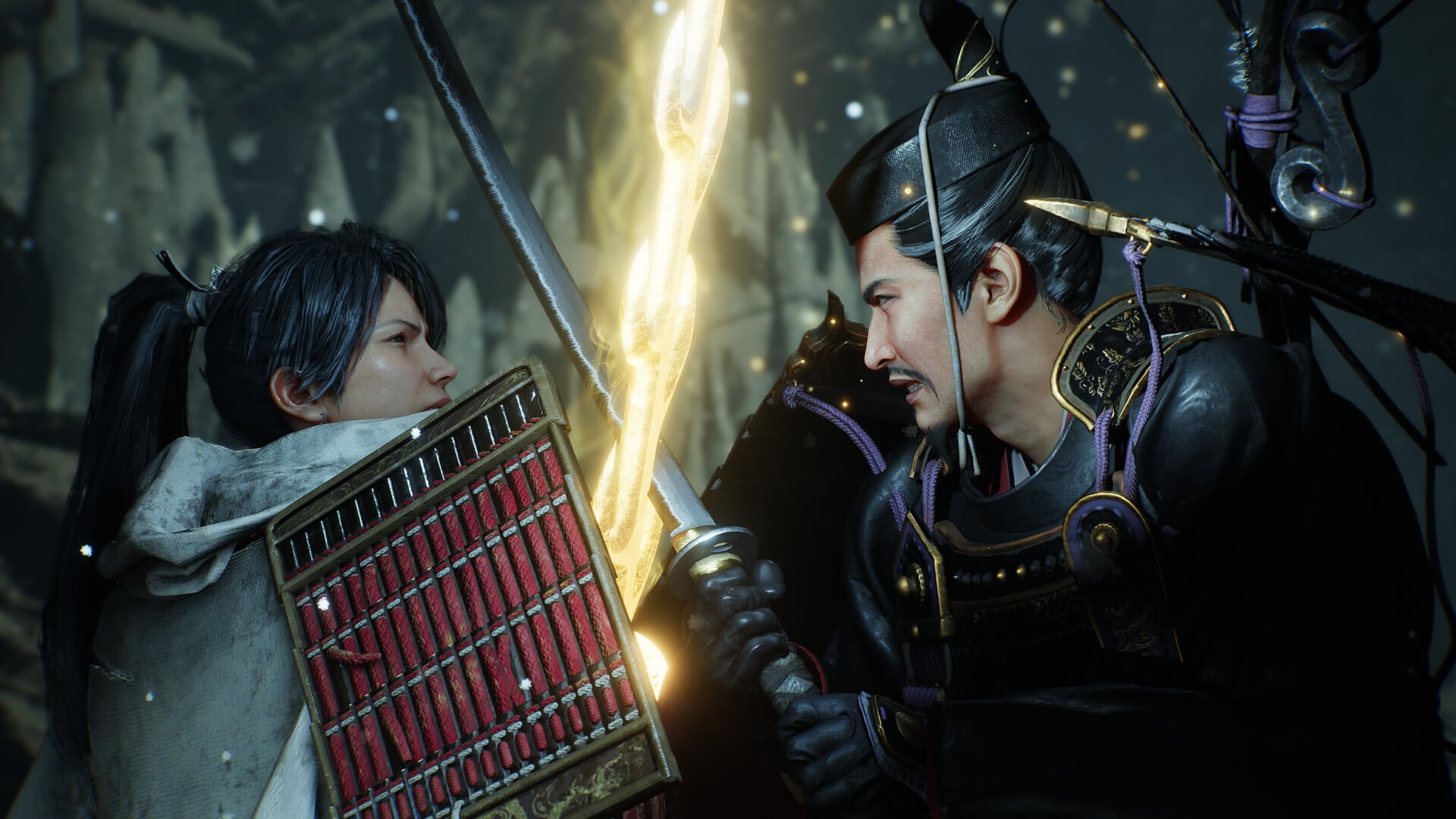
Combat depth is the main attraction
Compared with FromSoftware-style soulslikes, Nioh 3 is widely framed as doubling down on combat depth and tactical variety, rather than using slower pacing and world interaction as the primary driver.
It leans into playstyle switching and build expression
Nioh 3’s Style Shift system (swapping between Samurai and Ninja approaches) is a key differentiator that pushes customization and moment-to-moment variety.
A different interpretation of the genre
A useful way to think about it is that Nioh 3 borrows recognizable soulslike characteristics, but reshapes them into something with its own identity.
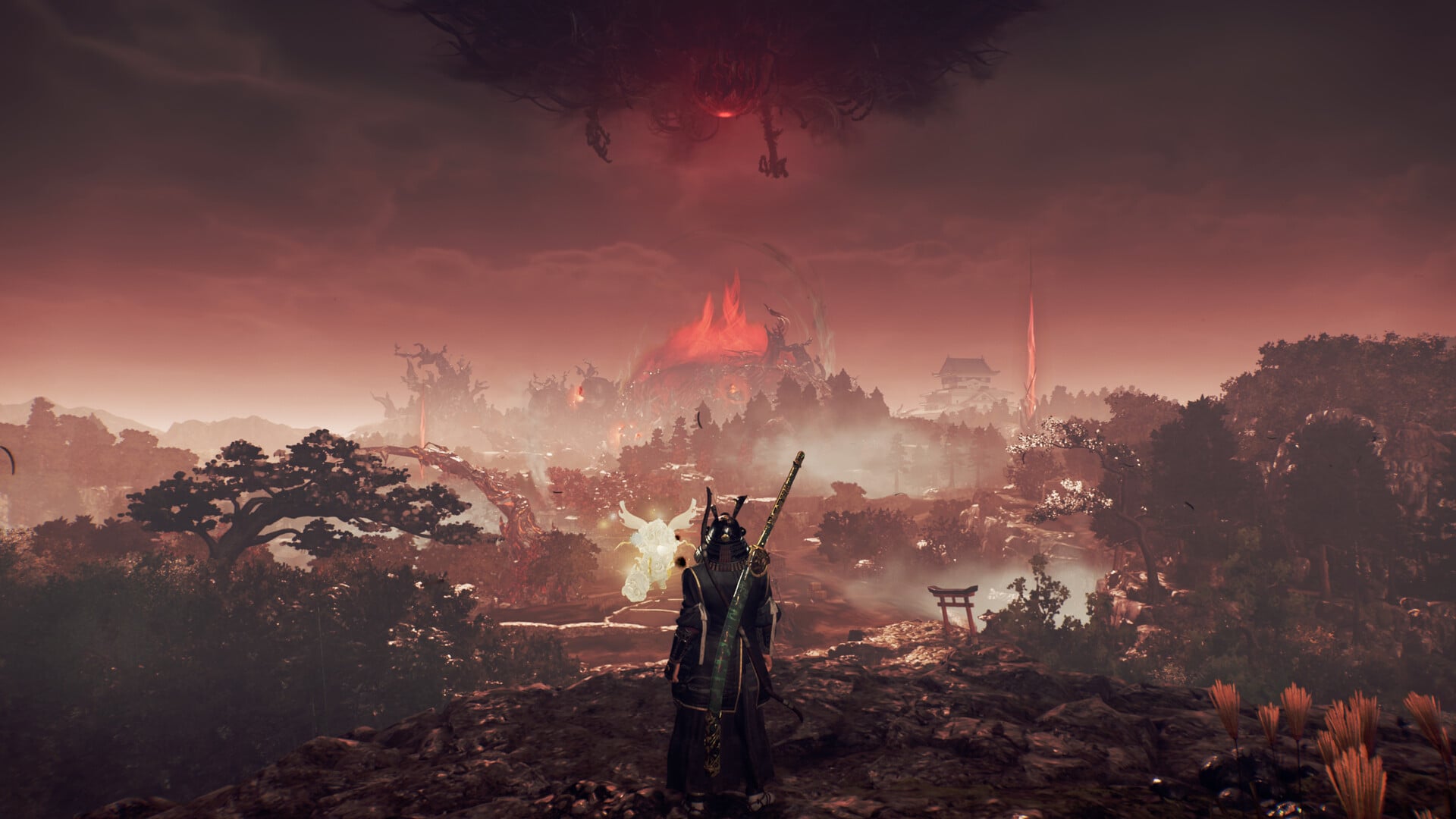
Nioh 3 spans multiple eras and regions and explicitly names places like Edo Castle, the Tōtōmi region in the Sengoku period, and Kyoto in the Heian period, with open-field exploration across these settings.
So, can you call Nioh 3 a soulslike?
If your definition is challenge-first action RPG with Souls-style tension, you will likely call Nioh 3 a soulslike; if your definition demands the exact kind of world structure, pacing, and combat simplicity associated with FromSoftware, you will probably call it soulslike-adjacent instead.
You can call Nioh 3 a soulslike action RPG with Team Ninja combat depth, or a soulslike-inspired dark samurai ARPG.
Nioh 3 belongs on the soulslike spectrum because it shares the difficulty-forward DNA, but it stands apart through faster, deeper combat and its Samurai/Ninja style switching.