The New York Times Connections puzzle challenges players to sort 16 seemingly unrelated words into four connected groups. Each group shares a hidden link. Today’s grid blends physical actions, clever rearrangements, and nostalgic references, making it both playful and slightly deceptive. Below you’ll find gentle hints to guide your thinking, followed by the complete solutions once you’re ready to check your work.
NYT Connections Puzzle Overview: 12 February 2026
Today’s puzzle leaned into clean vocabulary groupings with a mix of verb synonyms, descriptive states, shortened sports references, and a themed phrase completion. Solvers likely found at least one category quickly, but the final grouping required recognizing a consistent word that follows each clue. A balanced and enjoyable grid overall.
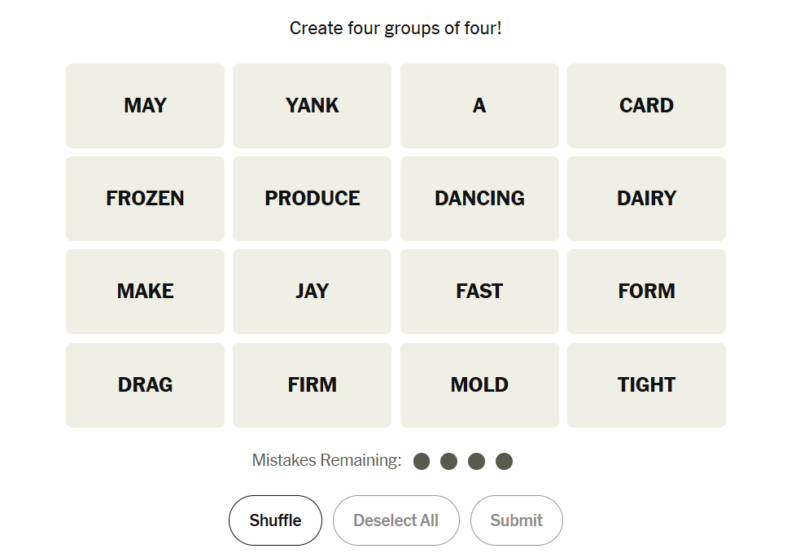
NYT Connections Hints: 12 February 2026
Category 1:
- Think of verbs that mean “to create.”
- These words are often used in manufacturing or design.
- Each term suggests bringing something into existence.
- Synonyms for building or shaping something new.
Category 2:
- Words that describe something secured or unmoving.
- These can apply to objects or conditions.
- Suggests stability or being set firmly.
- Opposite of loose or flexible.
Category 3:
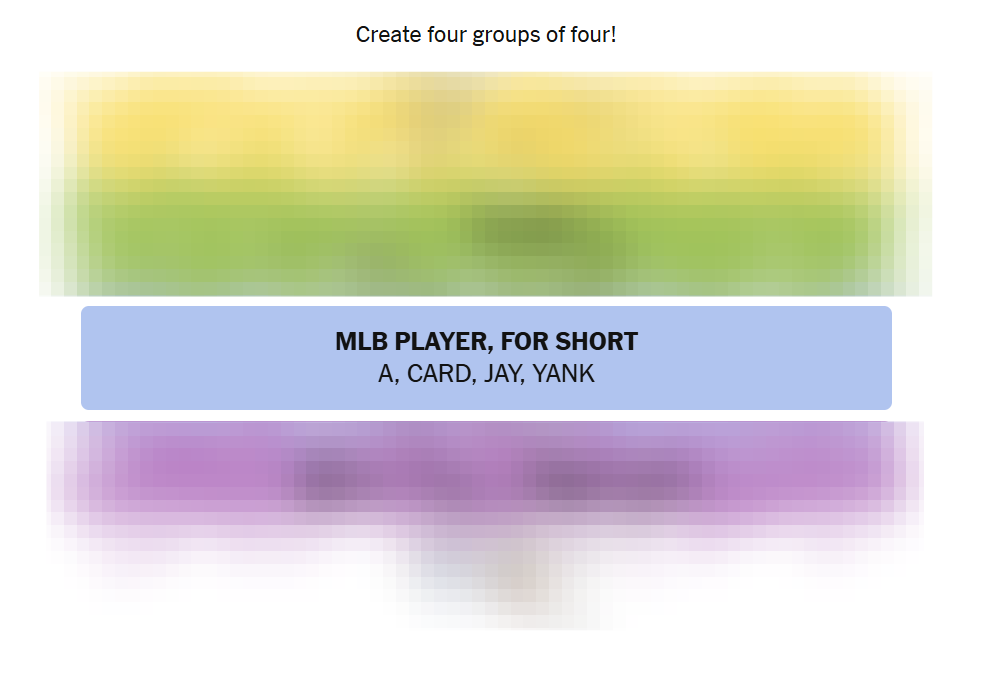
- Shortened references in professional baseball.
- Each word hints at a specific MLB team.
- Informal or headline-style abbreviations.
- Think American League and National League nicknames.
Category 4:
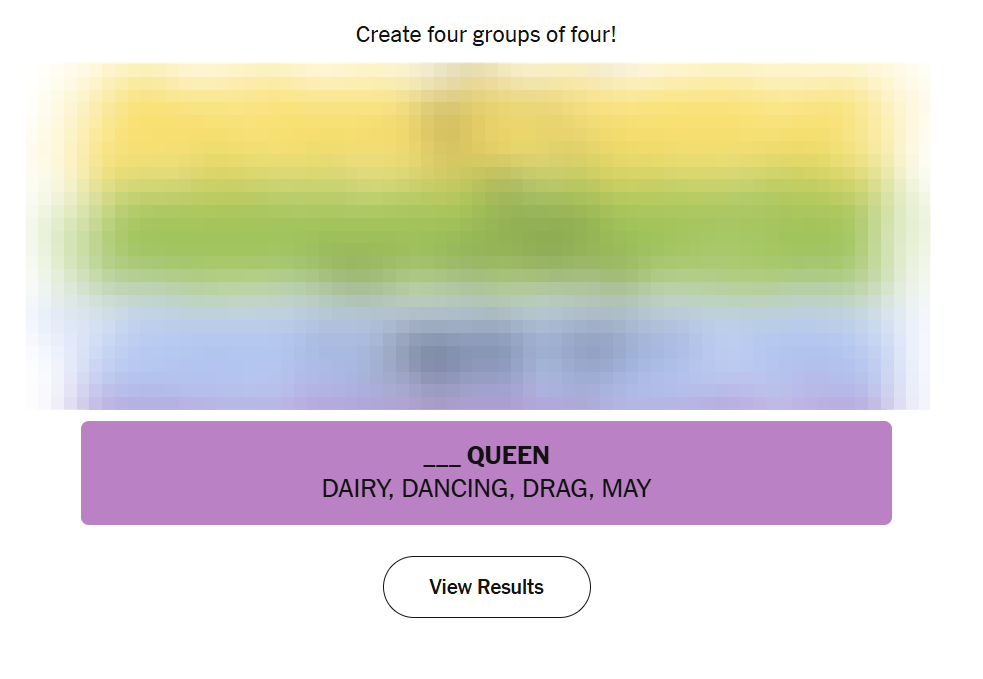
- Each phrase becomes complete with the same royal word.
- Popular culture and classic references appear here.
- One is a band name.
- Another refers to a style of performance.
NYT Connections Answers: 12 February 2026
Here are the answers, grouped by category.
Category 1:
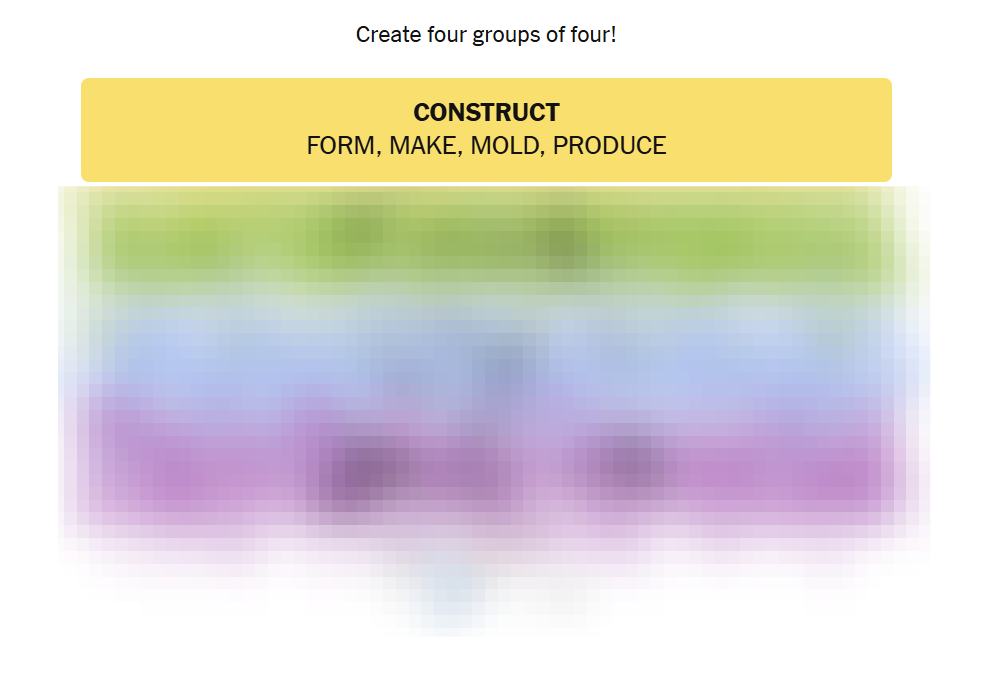
Category 2:
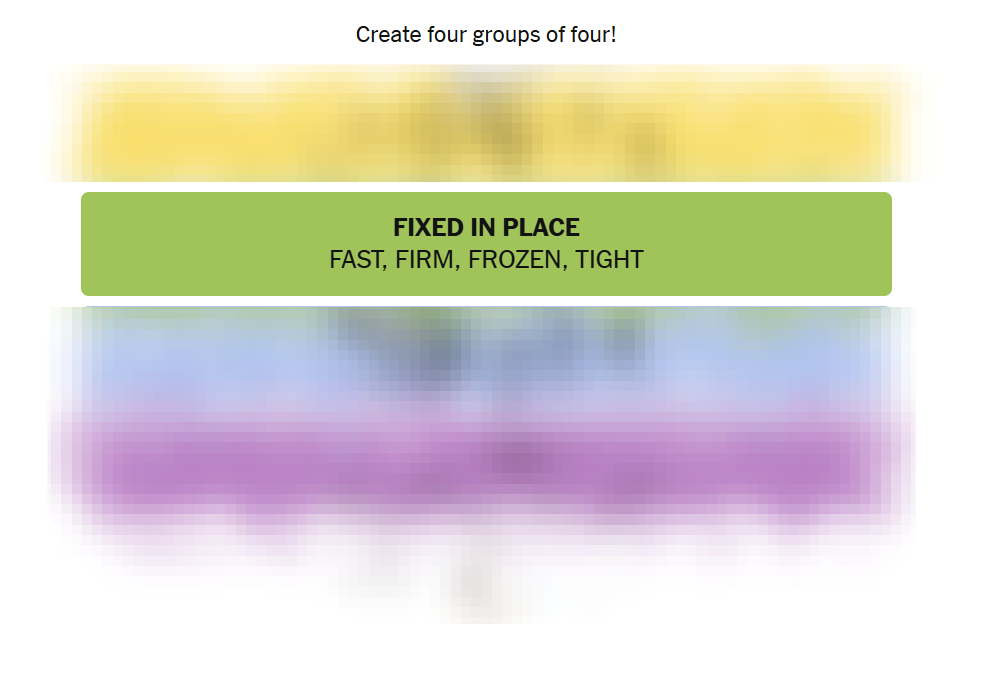
Category 3:
Category 4:
Conclusion & Quick Strategy Tip
The 12 February 2026 Connections puzzle balances straightforward action words with trickier conceptual links, making it satisfying once everything clicks. Quick strategy tip: lock in obvious verb groups early, then examine remaining words for structural patterns or shared cultural references.