
- What to know
- How Soul Cores enable Oni summons
- Where to obtain Oni-compatible Yang Soul Cores
- How to equip an Oni Soul Core correctly
- How to summon an Oni during combat
- Conditions that can prevent Oni summoning
- Skills that improve Oni summoning
- Strategic benefits of summoning an Oni
- Oni summoning advice
What to know
- There is no direct “summon spell” in Nioh 3; Oni are called via Soul Cores.
- Yang-position Soul Cores enable active Yokai summons during combat.
- Summons consume limited uses, managed through seals and skills.
- Proper setup at a Shrine is mandatory before any summon works.
In Nioh 3, summoning an Oni doesn’t work like traditional magic systems. You are not casting a standalone spell or ritual. Instead, the game uses an evolved Soul Core and Summoning Seal system, which replaces the older Yokai Skill mechanics from earlier Nioh titles.
When you “summon” an Oni, you are activating the yokai sealed inside a Soul Core. That yokai manifests briefly in battle, performs a powerful action—often an attack or area effect—and then disappears. Oni-type Yokai such as Ibaraki Doji fall under this system and function as temporary combat allies rather than persistent pets.
This design emphasizes timing, positioning, and resource management, making summoning a tactical decision rather than a passive buff.
| System element | Purpose | Why it matters |
|---|---|---|
| Soul Core | Contains the Oni or Yokai | Without it, summoning is impossible |
| Yang position | Enables active summoning | Only Yang cores can be summoned |
| Summoning Seals | Limits number of uses | Prevents spamming powerful Yokai |
| Shortcut menu | Activates summons in combat | Required to trigger the Oni |
| Passive skills | Boost summon efficiency | Increases total summon uses |
How Soul Cores enable Oni summons
Soul Cores are drops from powerful Yokai enemies and bosses. Each core contains a specific Yokai, and Oni-type Yokai cores are among the most aggressive and damage-focused options available.
Not all Soul Cores allow summoning by default. Only those placed in the Yang slot can be actively called during combat. Yin-position cores typically provide passive bonuses instead.
Importantly, Yang Soul Cores often drop from stronger enemies, particularly elite Yokai and special variants found in late-mission zones.
Where to obtain Oni-compatible Yang Soul Cores
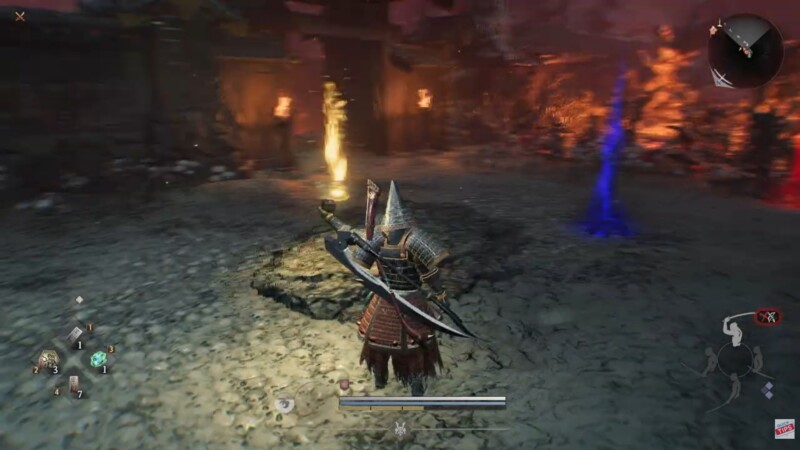
Certain large Yokai enemies, especially Crucible Wraiths, are known to drop Yang versions of Soul Cores. These enemies are commonly found in high-threat regions, such as the massive red-corrupted zones in the Hamamatsu area.
Defeating these enemies is essential if you want access to true summon-capable Oni cores, rather than passive-only variants.
How to equip an Oni Soul Core correctly
Equipping the Soul Core is the most common failure point for players trying to summon Oni.
You must visit a Shrine while outside of active combat and navigate to the Soul Core management screen. From there, assign the Oni Soul Core specifically to the Yang position. Simply owning the core is not enough—incorrect slot placement disables summoning entirely.
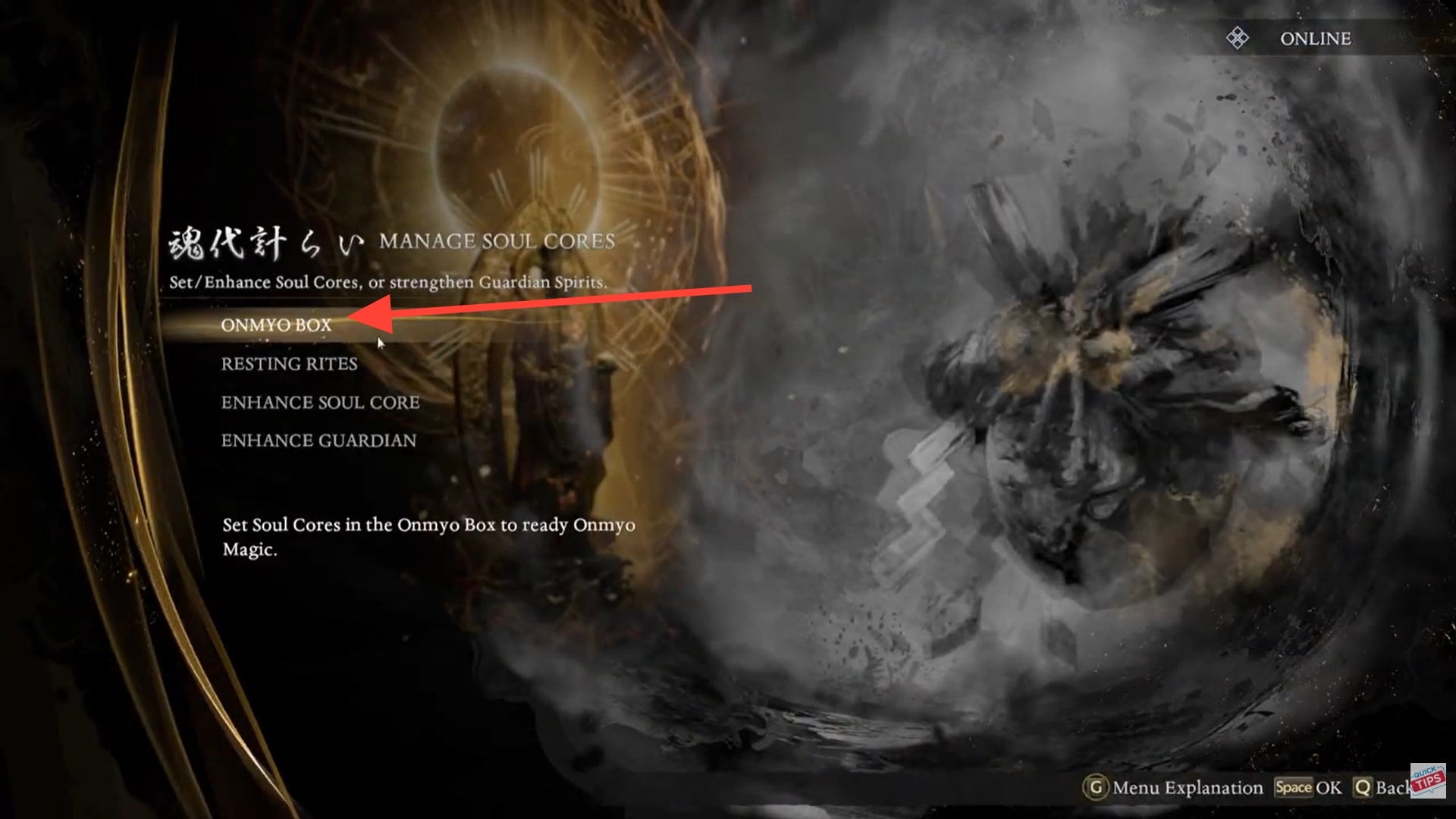
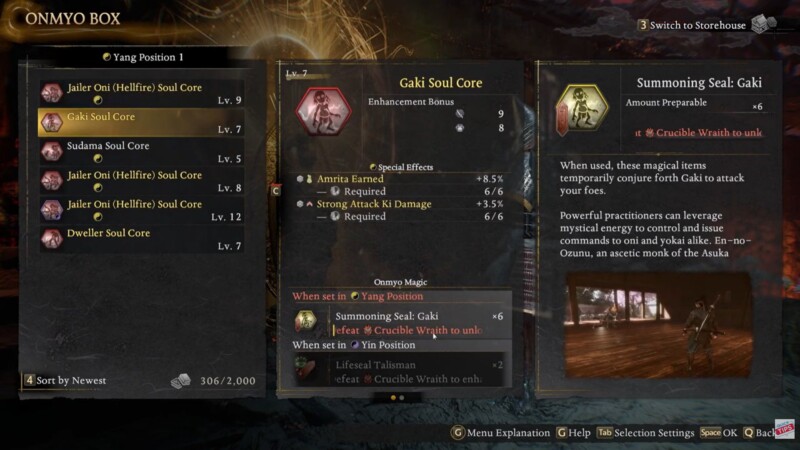
Once equipped properly, the summon becomes available as a talisman-like action tied to your shortcut menu.
How to summon an Oni during combat
Step 1: Open your shortcut menu
During combat, bring up your Summoning Shortcut Menu using the assigned controller button or PC keybind.
Step 2: Select the equipped Oni summon
Locate the Oni summoning seal associated with your Yang Soul Core.
Step 3: Activate the summon
Trigger the seal to call forth the Oni. The Yokai will materialize briefly, perform its attack or action, and then vanish.
Step 4: Manage remaining uses
Each summon consumes one charge. Once depleted, the summon cannot be used again until replenished.
Conditions that can prevent Oni summoning
Even with the correct setup, summoning may fail under certain circumstances. The most common reasons include zero remaining seal uses, mission-specific restrictions, or attempting to summon while stunned or locked into certain animations.
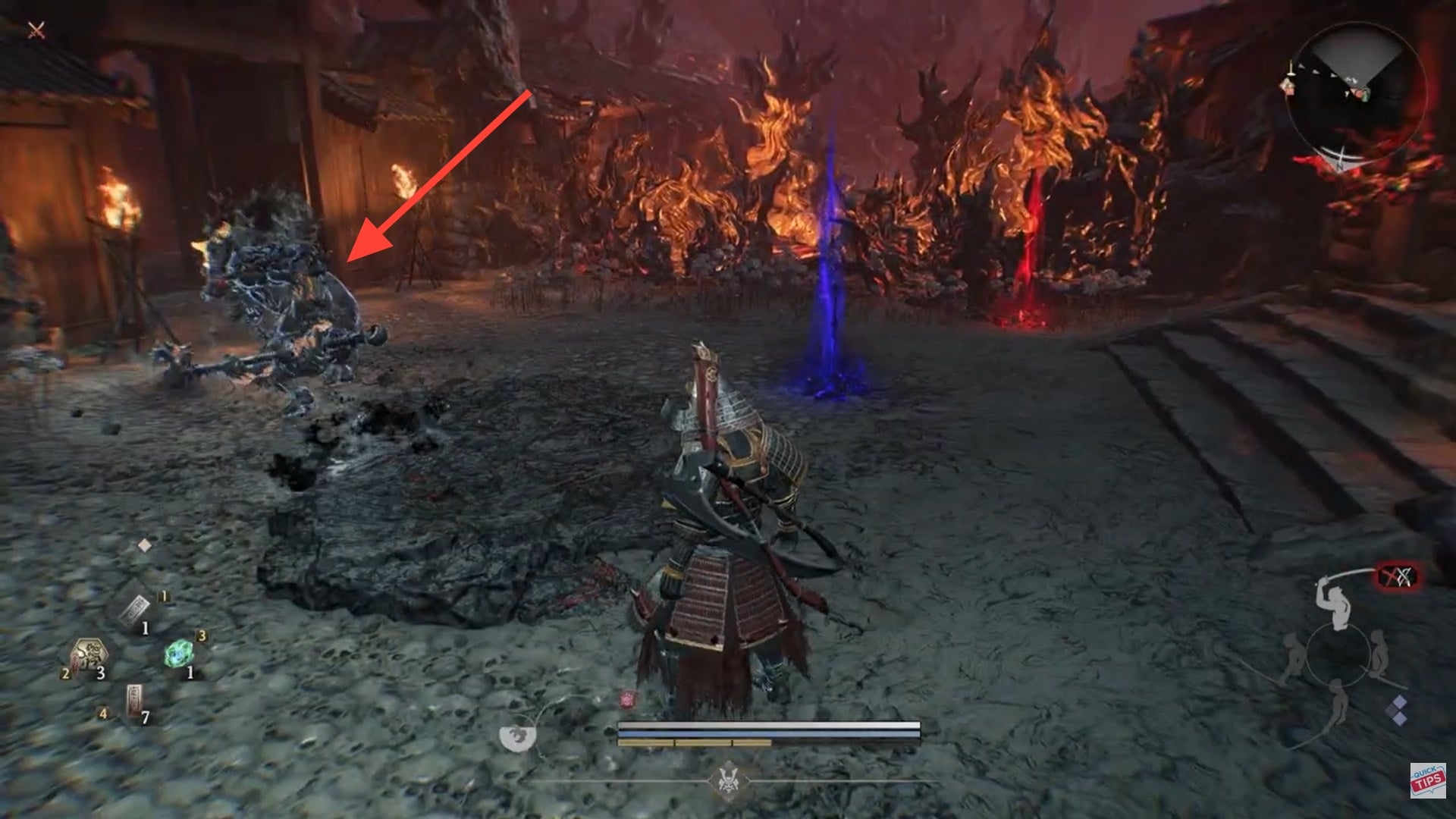
If your Oni does not appear, always double-check seal count, Soul Core placement, and mission modifiers.
Skills that improve Oni summoning
Progressing through the game unlocks passive abilities that significantly enhance summoning efficiency. Skills like Summoning Basics are especially valuable, as they increase the number of times you can summon Yokai in a single mission.
These skills transform Oni summoning from an occasional panic button into a reliable combat strategy, particularly in boss encounters or dense enemy areas.
Strategic benefits of summoning an Oni
Oni summons excel at burst damage and battlefield disruption. When activated at the right moment, they can stagger bosses, interrupt dangerous attacks, or draw enemy aggression away from you. This brief shift in aggro often creates safe windows for healing or repositioning.
Because Oni are aggressive by nature, they synergize especially well with high-risk melee builds that benefit from momentary pressure relief.
| Soul Core | Yokai type | Combat role |
|---|---|---|
| Ibaraki Doji | Oni | High burst damage, boss pressure |
| Sealed Jailer | Oni-class | Crowd control, heavy stagger |
| Other Yokai cores | Varies | Utility, debuffs, AoE damage |
Oni summoning advice
Summoning an Oni in Nioh 3 is less about memorizing commands and more about understanding the Soul Core system. Once you secure a Yang-compatible Oni Soul Core, equip it correctly, and manage your summoning seals wisely, Oni become one of the most impactful tools in your combat arsenal.
Used thoughtfully, Oni summons can turn losing fights around, create breathing room in brutal encounters, and give you a decisive edge in the game’s toughest moments.