The New York Times Connections puzzle challenges players to sort 16 seemingly unrelated words into four connected groups. Each group shares a hidden link. Today’s grid blends physical actions, clever rearrangements, and nostalgic references, making it both playful and slightly deceptive. Below you’ll find gentle hints to guide your thinking, followed by the complete solutions once you’re ready to check your work.
NYT Connections Puzzle Overview: 8 February 2026
Today’s grid leaned heavily on meaning rather than wordplay, with categories tied to concepts, functions, and familiar phrases. Some words felt interchangeable across groups at first, which likely caused a few false starts. Once one category clicked, however, the remaining sets became much easier to isolate, rewarding patient, methodical solving.
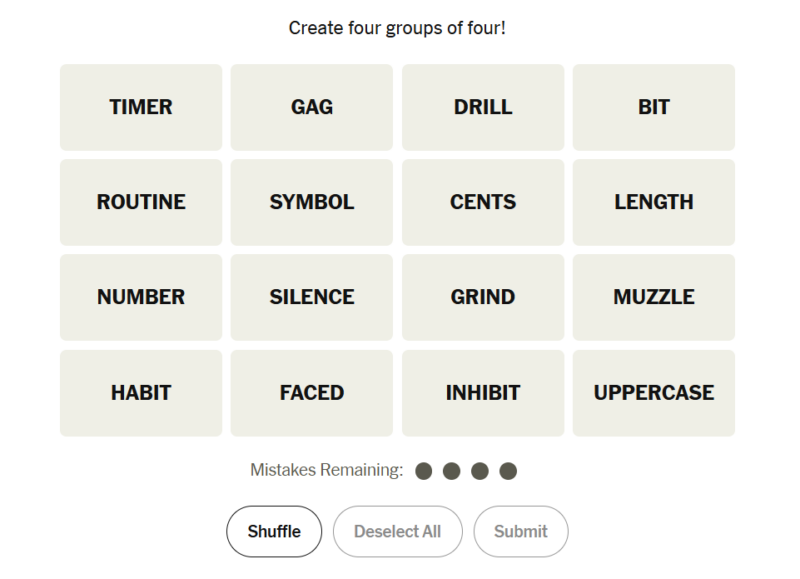
NYT Connections Hints: 8 February 2026
Category 1:
- Think of actions that stop something from happening
- Often used in contexts involving control or restraint
- Can apply to speech, movement, or behavior
- All suggest preventing expression
Category 2:
- Refers to repetition over time
- Often associated with boredom or familiarity
- Linked to daily life or work patterns
- Something you do again and again
Category 3:
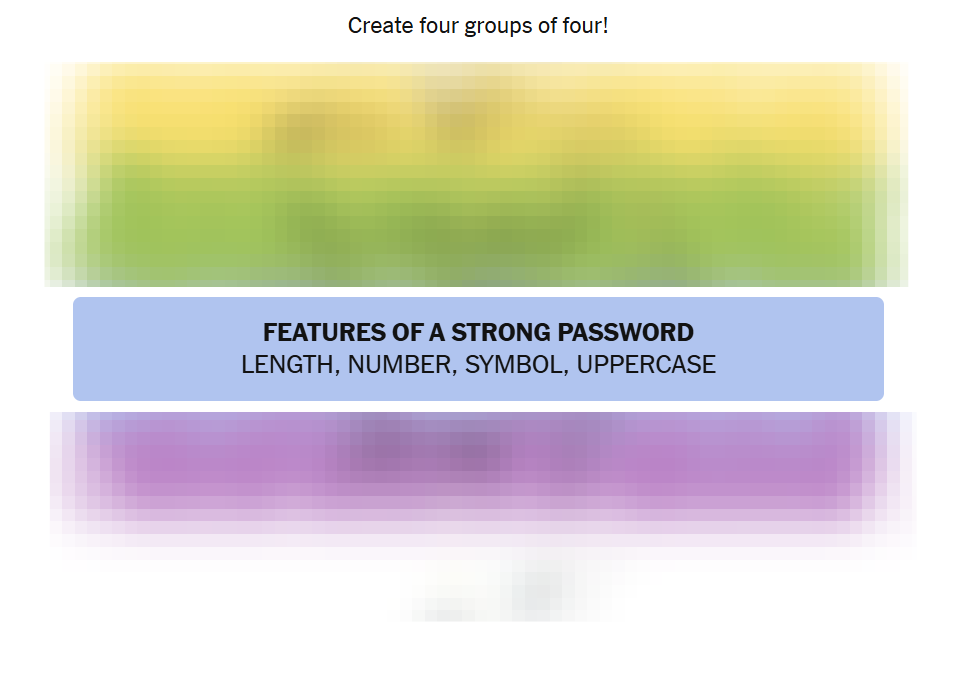
- Common advice for online security
- Often listed in password requirements
- Focused on strength and protection
- Related to how something is constructed
Category 4:
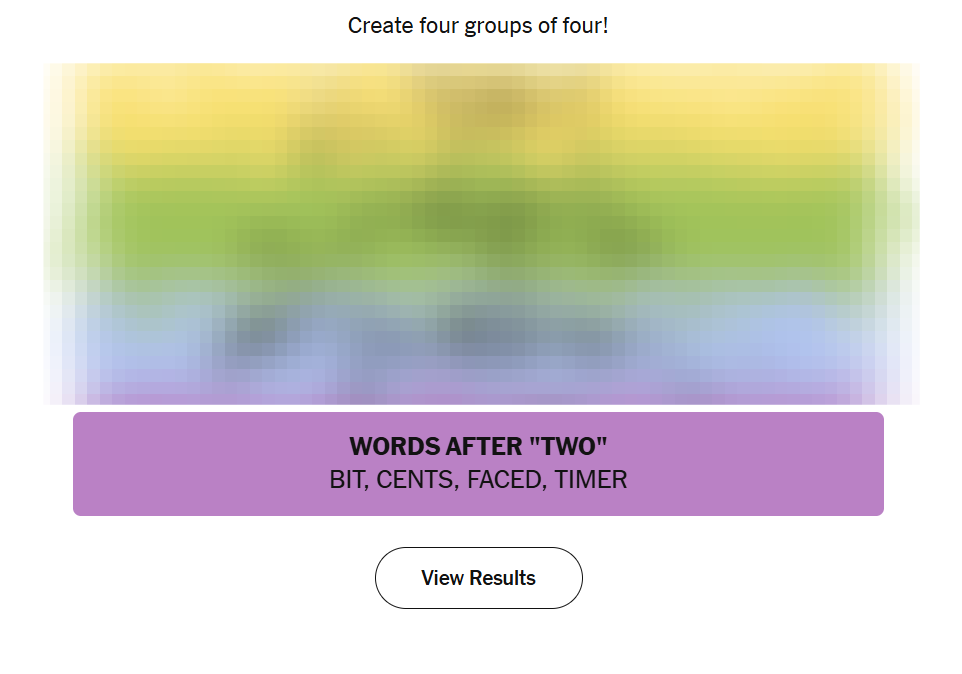
- Each commonly follows the same number
- Forms familiar phrases or compound terms
- Often heard in finance, sports, or tech
- The shared link comes before the word
NYT Connections Answers: 8 February 2026
Here are the answers, grouped by category.
Category 1:
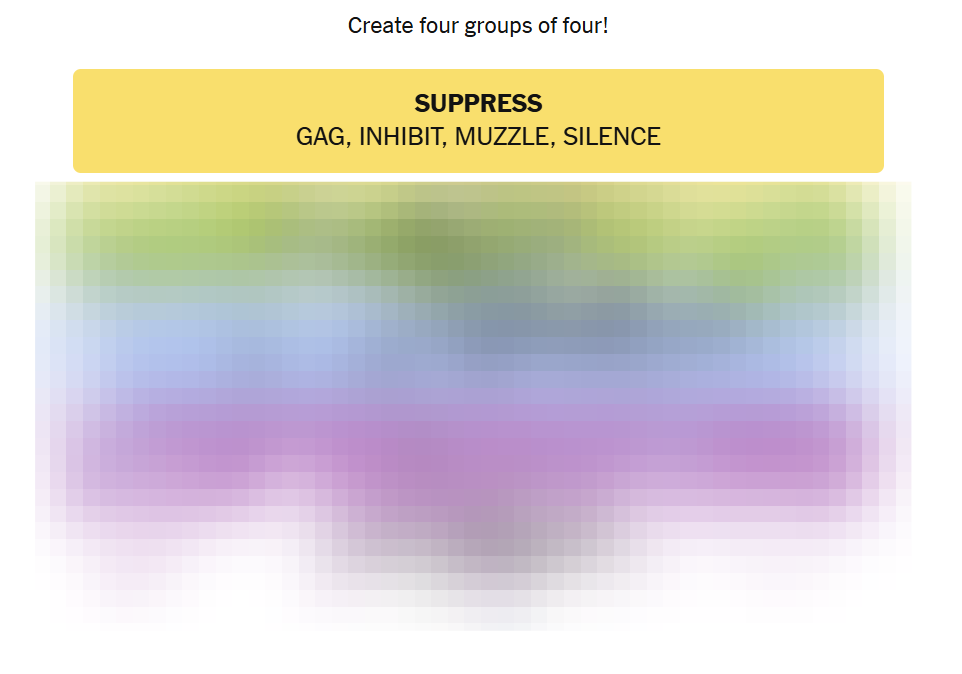
Category 2:
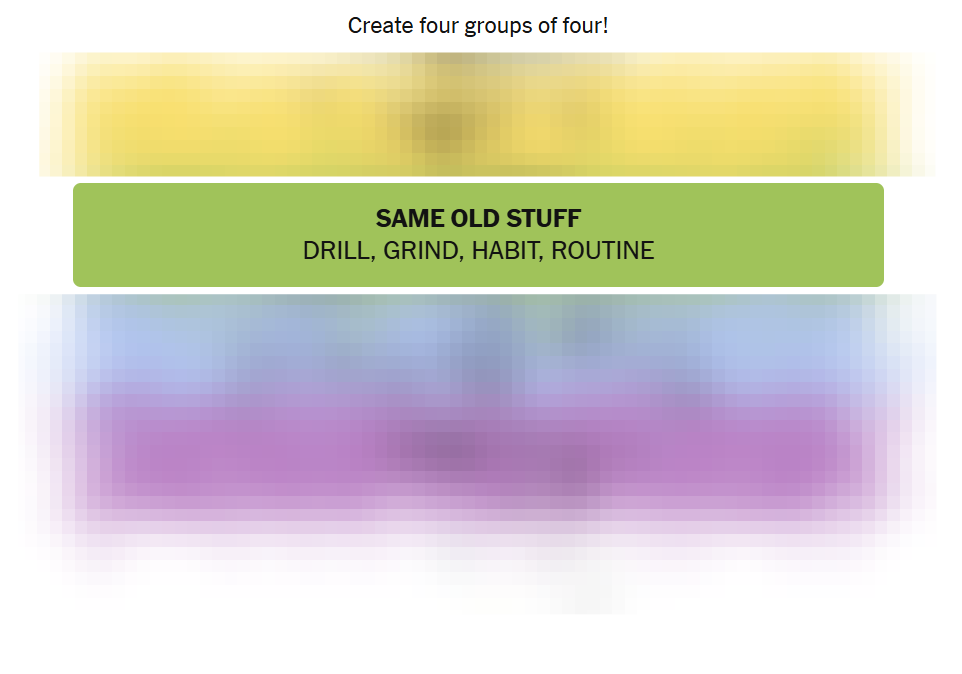
Category 3:
Category 4:
Conclusion & Quick Strategy Tip
The 8 February 2026 Connections puzzle balances straightforward action words with trickier conceptual links, making it satisfying once everything clicks. Quick strategy tip: lock in obvious verb groups early, then examine remaining words for structural patterns or shared cultural references.