Hytale is not a small indie experiment anymore. Even in its Early Access form, it is a full sandbox RPG framework with a lot of things to do: zone progression, hundreds of entities to discover, deep crafting trees, and powerful creative and modding tools layered on top. Asking about the breadth and depth of the game is really asking about several different pillars of the game at once, so this breakdown looks at each of them in turn.
| Area of content | What it includes right now | Scale of content |
|---|---|---|
| World and exploration | Four main zones (Emerald Wilds, Howling Sands, Whisperfrost Frontiers, Devastated Lands) plus large ocean areas, each with multiple biomes, structures, and dungeons. | Functionally endless worlds through procedural generation, with handcrafted structures sprinkled throughout. |
| Creatures and entities | Creatures, NPCs, and special entities tracked via the Memories system. | 240 memories to collect in Early Access, corresponding to unique discoveries. |
| Bosses and elite fights | Zone and dungeon bosses such as Earthen Golem, Trork Chieftain, Scarak Broodmother, Cave Rex, and more. | A dozen plus confirmed bosses in Early Access, with more clearly planned for future updates. |
| Progression systems | Workbench tiers, specialized crafting stations, gear upgrades, farming, mounts, teleporters, and the Memories progression track. | Multiple tech tiers and at least eight distinct workbenches, many with three upgrade tiers and large recipe lists. |
| Game modes | Exploration mode and Creative mode at launch; Adventure mode and official minigames planned. | Two fully playable modes now, with at least two more substantial pillars in the pipeline. |
| Creative and modding tools | Model maker, scripting, custom worldgen, server tools, and extensive creator pipeline. | Full custom game and content creation possible; effectively uncapped long‑term content through mods and servers. |
- Exploration mode defines the core playable content
- Zones, biomes, and how big the world really is
- Creatures, memories, and how much there is to discover
- Memory rewards show how progression is structured
- Bosses, dungeons, and structured combat content
- Crafting, workbenches, and gear progression depth
- Game modes now and planned: how that affects content volume
- Creative tools, servers, and effectively infinite future content
- How to see most of Hytale’s content in a first playthrough
- Key locations that gate major content
Exploration mode defines the core playable content
At Early Access launch, the main playable mode is Exploration, which acts as Hytale’s core sandbox RPG loop. In Exploration you spawn into the world of Orbis, gather resources, fight hostile mobs, delve into caves and dungeons, and gradually push into more dangerous zones and biomes.
Compared to a pure survival title, Exploration places heavier emphasis on exploration, RPG‑style progression, and discovery rather than strict hunger or base‑defense pressures.
Exploration mode currently uses the first‑generation world generator (often referred to as World Gen V1), which already supports large, varied landscapes, underground systems, and many handcrafted structures. The more advanced World Gen V2, with finer control over regions and more sophisticated terrain logic, is planned to underpin the future Adventure mode and later content expansions. That means Exploration at launch is already sizable, but the team is clearly holding back an additional layer of curated content for later.
Even a focused run aiming to unlock key systems like workbench tiers and Memories will usually take at least a couple dozen hours, with more relaxed playthroughs easily stretching to 50 hours or more in a single world. If you choose to explore every zone, clear dungeons, hunt bosses, and chase collections, your personal clock can climb toward the low hundreds of hours before you feel you have seen most of what Exploration currently offers.
Zones, biomes, and how big the world really is
Hytale’s world is divided into broad zones, each containing multiple themed biomes and their own enemy rosters, structures, and resources.
In Early Access, four main zones are accessible on Orbis:
-
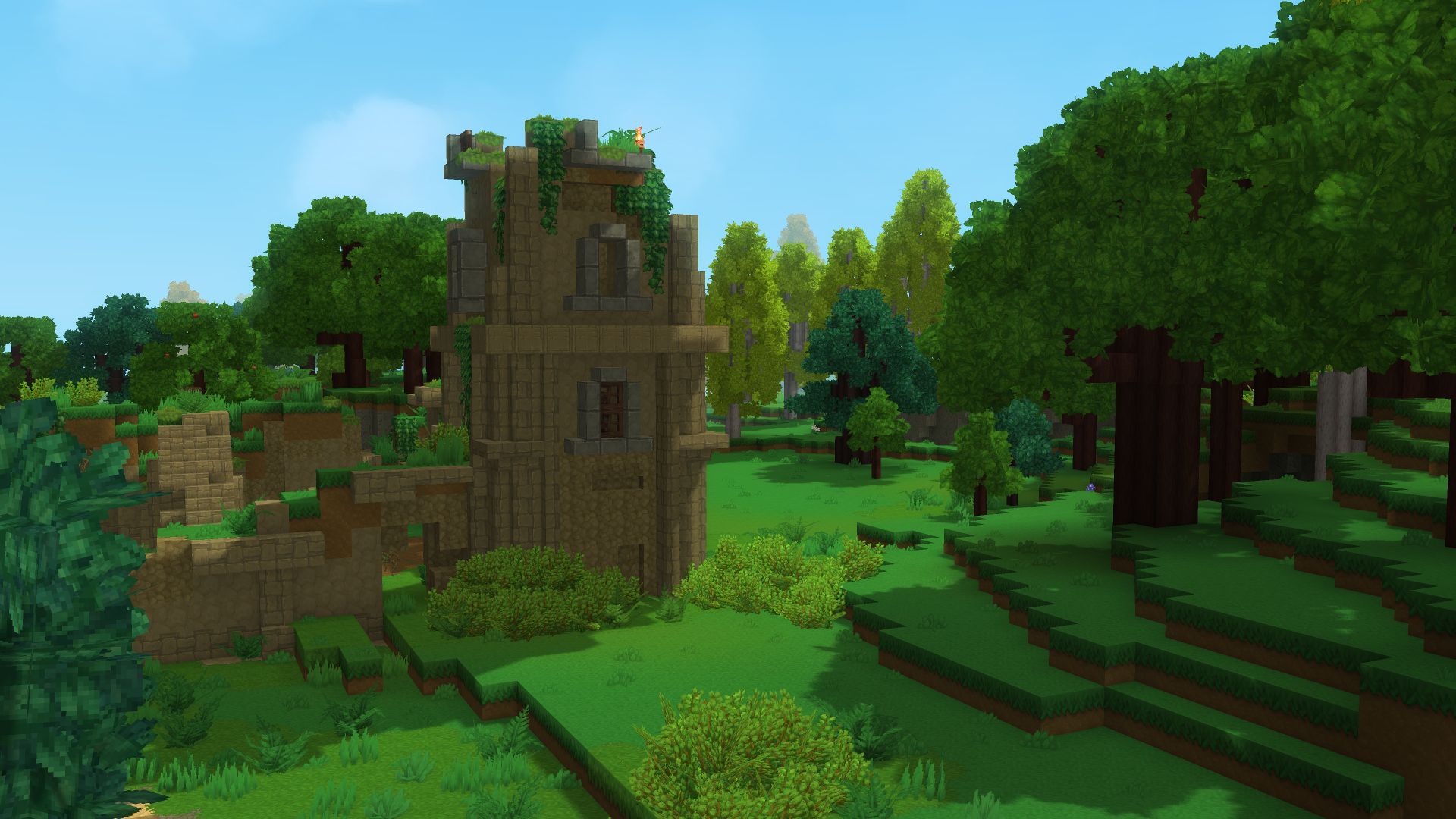
Emerald Wilds (often called Emerald Grove in earlier material), the verdant starting zone
-
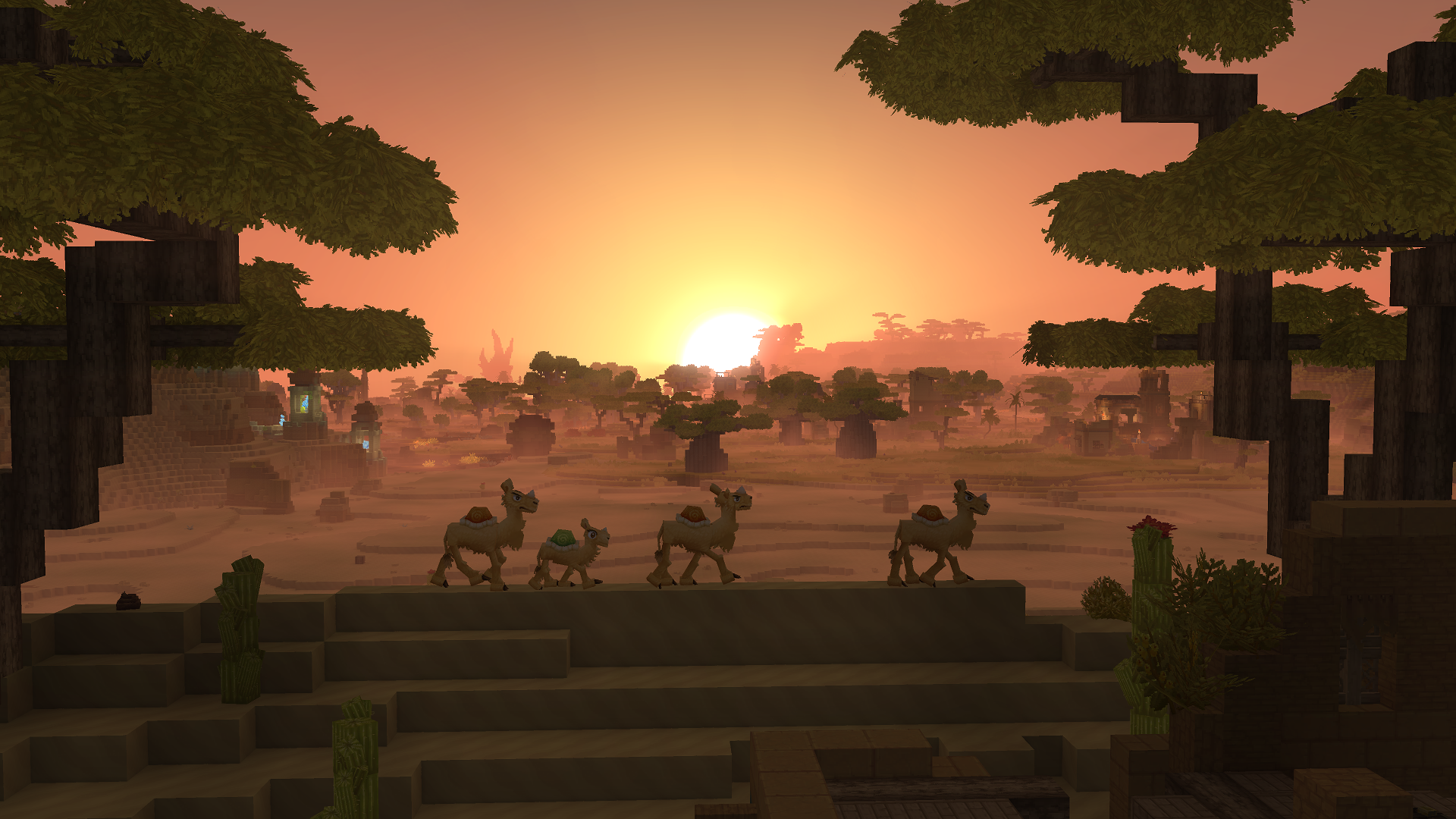
Howling Sands, an arid desert and canyon region
-
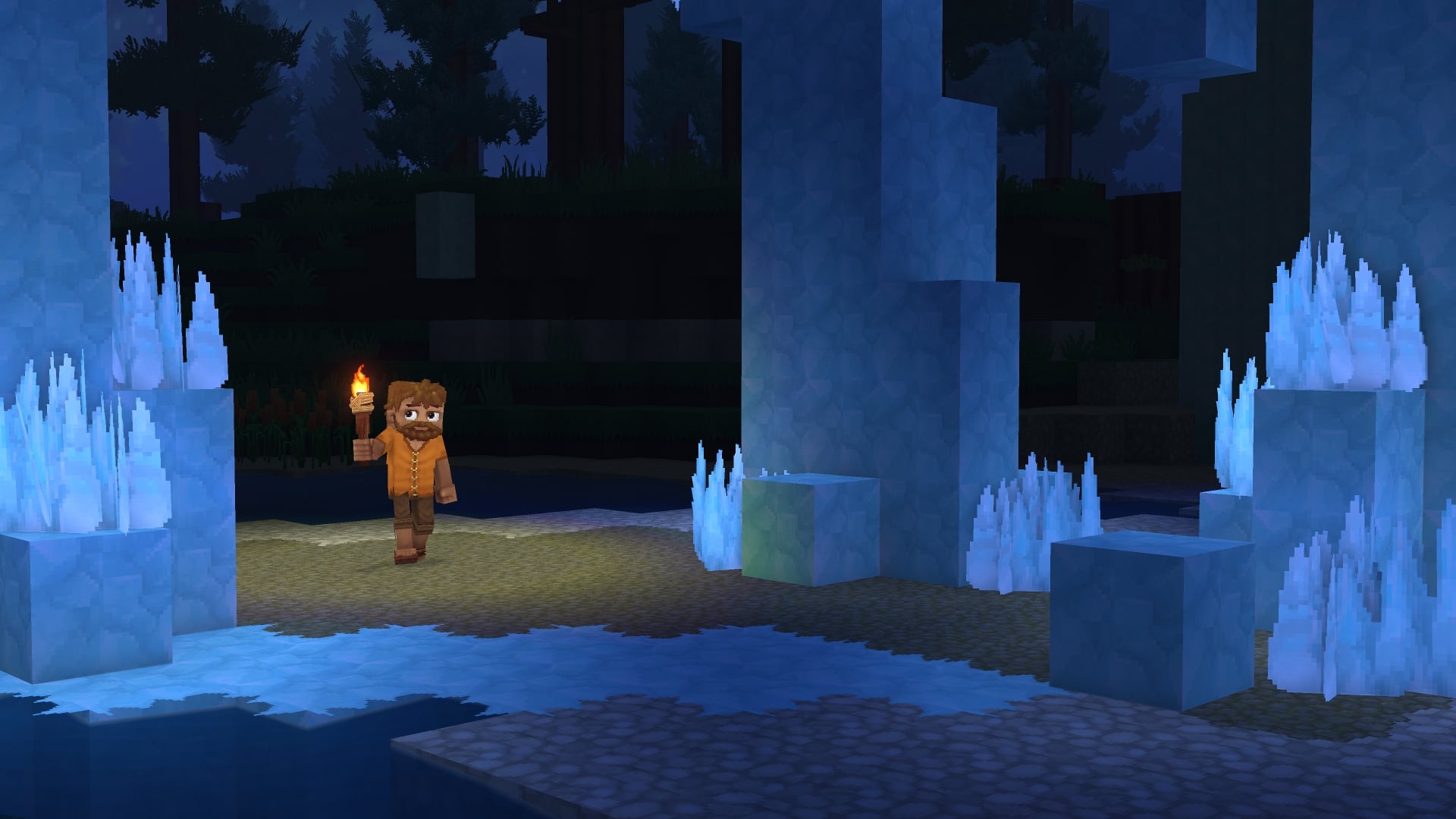
Whisperfrost Frontiers, a snowy, mountainous cold zone
-
Devastated Lands, a corrupted endgame region
Alongside those land zones sits a dangerous ocean environment, which some treat almost like a zone in its own right, with its own hazards and resource profile. Each of the core zones contains several distinct biomes: forests, grasslands, swamps, coastlines, frozen cliffs, corrupted wastes, and more, all stitched together with Hytale’s curated procedural generation so that caves, rivers, and points of interest feel intentional rather than random.
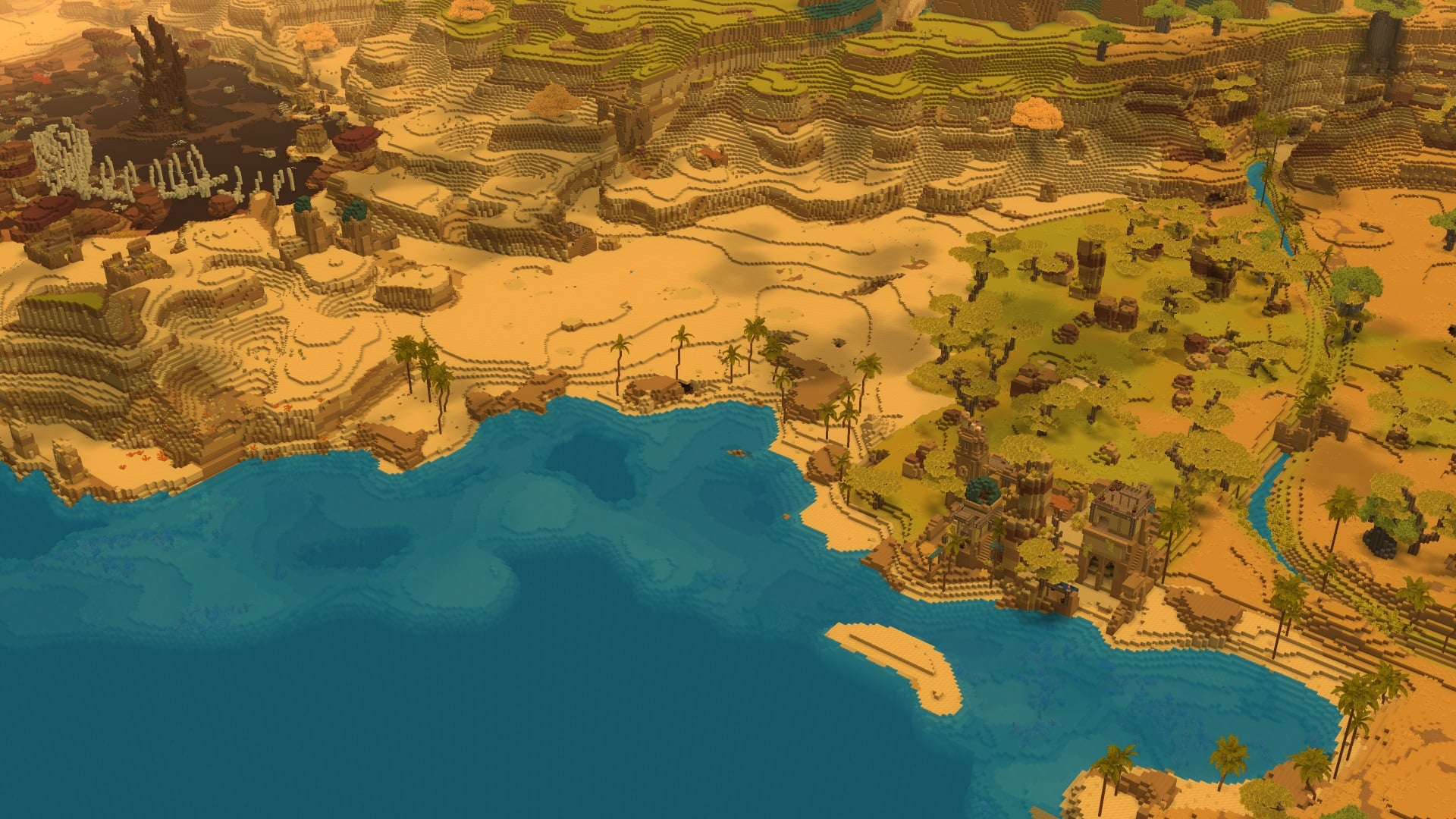
Because the terrain is generated on the fly as you explore, the literal size of the world is effectively infinite, bounded only by performance and seed algorithms. In practical terms, that means you are not going to simply run out of land; what matters more is how often you encounter something new. Here Hytale leans hard on handcrafted prefabs: villages, ruins, camps, shrines, dungeon entrances, boss arenas, and unusual landmarks that dot every zone. The result is that moment‑to‑moment exploration stays dense with things to do even once you have technically seen a particular biome type before.
Creatures, memories, and how much there is to discover
One of the clearest indicators of raw content volume is the Memories system. Once you unlock it, every time you discover a new creature, NPC, or entity in the world, you earn a memory entry that can later be turned in for rewards.
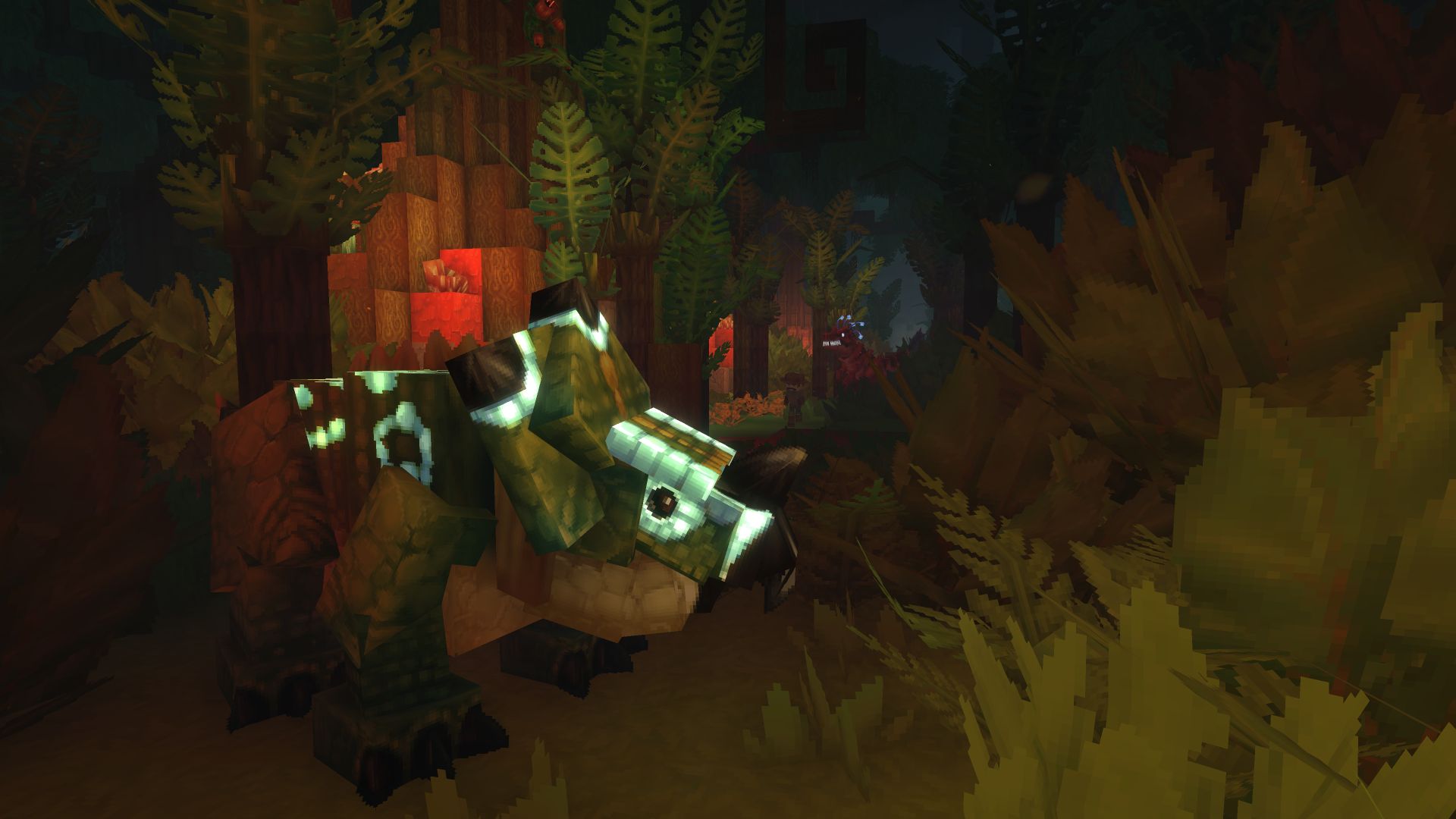
In the current Early Access build, there are 240 memories to collect, and you only get credit for them in Exploration mode after activating the system.
These memories span docile animals, hostile monsters, faction NPCs, and more exotic entities scattered across all zones and many dungeon types. They are not just a checklist either: restoring them at the Heart of Orbis in the Forgotten Temple unlocks concrete progression rewards, which makes them a central driver for deeper exploration and replay. Between the breadth of common wildlife, zone‑specific monsters, tribes, and boss‑adjacent entities, tracking all of them down is one of the most content‑dense activities in the game.
Under the hood, there is evidence of even more creatures than are currently obtainable in a normal Exploration run, with some enemies present in creative mode or data but not yet fully integrated into regular progression. That strongly suggests the 240 number is a floor, not a ceiling, for long‑term mob variety as updates roll out.
Memory rewards show how progression is structured
Because memories are so central to Hytale’s exploration content, the rewards they grant are a useful way to understand how deep the early game really goes.
| Memories milestone | Key rewards unlocked |
|---|---|
| 10 memories | Decorative storage chests and a couple of eternal seeds for renewable crops. |
| 25 memories | More decorative chests, more eternal seeds, and an additional teleporter. |
| 50 memories | Morph potions, more chests and seeds, another teleporter. |
| 100 memories | Ancient Gateway components, Backpack upgrade II, more chests, seeds, and two teleporters. |
| 200 memories | Harvest trophy, more chests and seeds, additional teleporters. |
Reaching the upper milestones requires you to roam widely across all zones and delve into some of the more dangerous areas in search of rare creatures. Simply maxing this one system can easily carry you through a large fraction of the currently available Exploration content.
Bosses, dungeons, and structured combat content
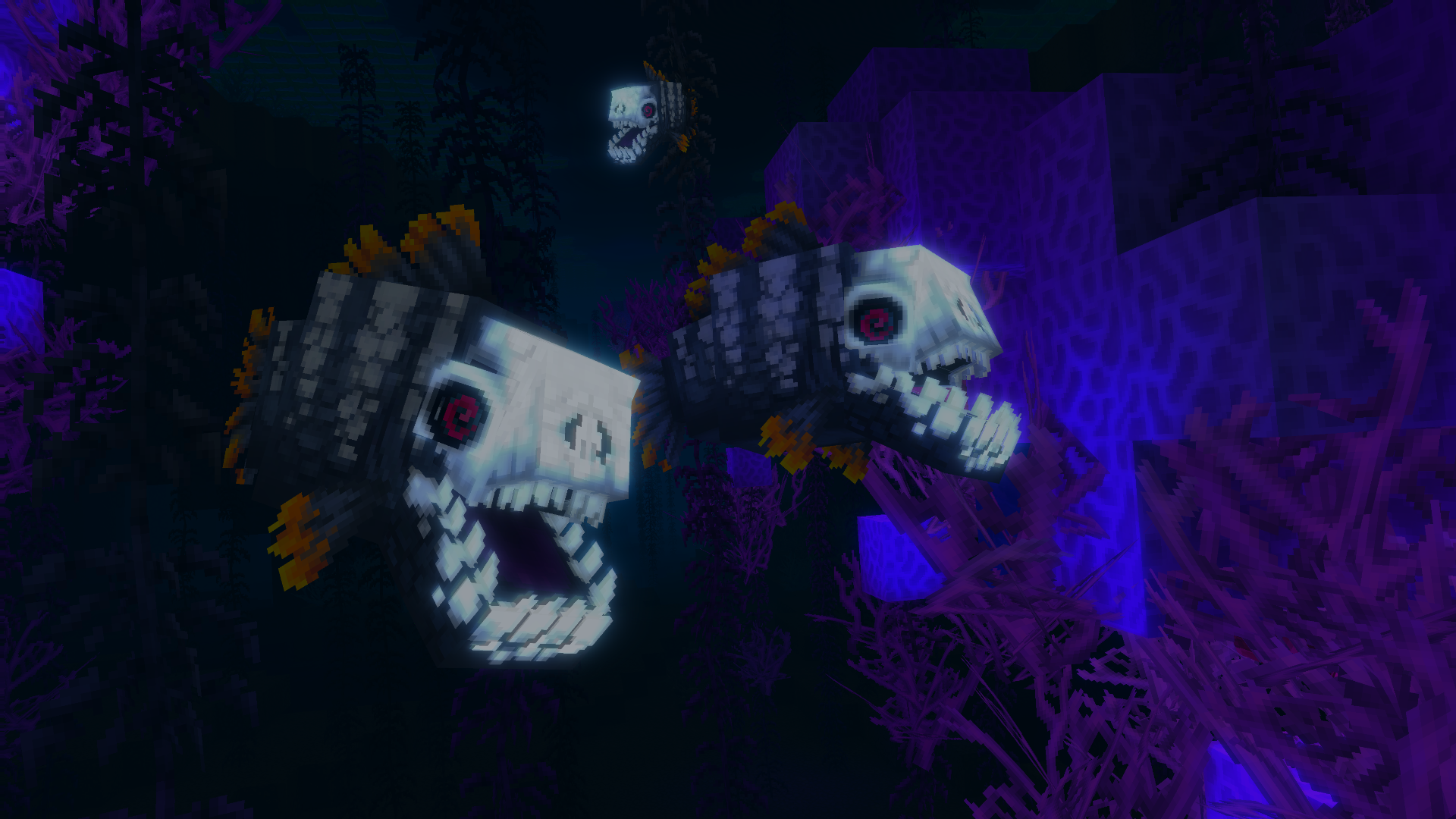
Beyond regular mobs, Hytale features a growing roster of bosses tied to landmark structures, dungeon complexes, and zone‑specific challenges. Confirmed Early Access bosses include:
-
Gateway golems for each zone, such as Earthen Golem in Emerald Wilds, Sandswept and Frost golems in later zones, and Ember Golem in Devastated Lands
-
Overworld and dungeon bosses like the Burnt Skeleton Praetorian, Trork Chieftain, Goblin Duke, Scarak Broodmother, Cave Rex, and the Yeti
These fights are tied to unique arenas and multi‑room dungeons filled with themed enemies, hazards, and loot. While only a subset of the bosses teased in pre‑release media are currently present, the Early Access lineup already covers all four main zones and a range of difficulty levels. As with creatures, the existence of unreleased bosses in concept material and data suggests this pillar will expand significantly over time.
If you set yourself the goal of finding and defeating every currently implemented boss, you are taking on several distinct expeditions per zone, plus the gearing and crafting grind required to survive them, which adds many more structured hours on top of freeform exploration.
Crafting, workbenches, and gear progression depth
Hytale’s crafting system is another major contributor to total content. Instead of a single all‑purpose crafting table, the game uses a network of specialized workbenches, each with its own recipes and often multiple tiers. There are at least eight major workbenches, including the core Workbench plus dedicated stations for farming, armor, weapons, alchemy, arcane items, and more.
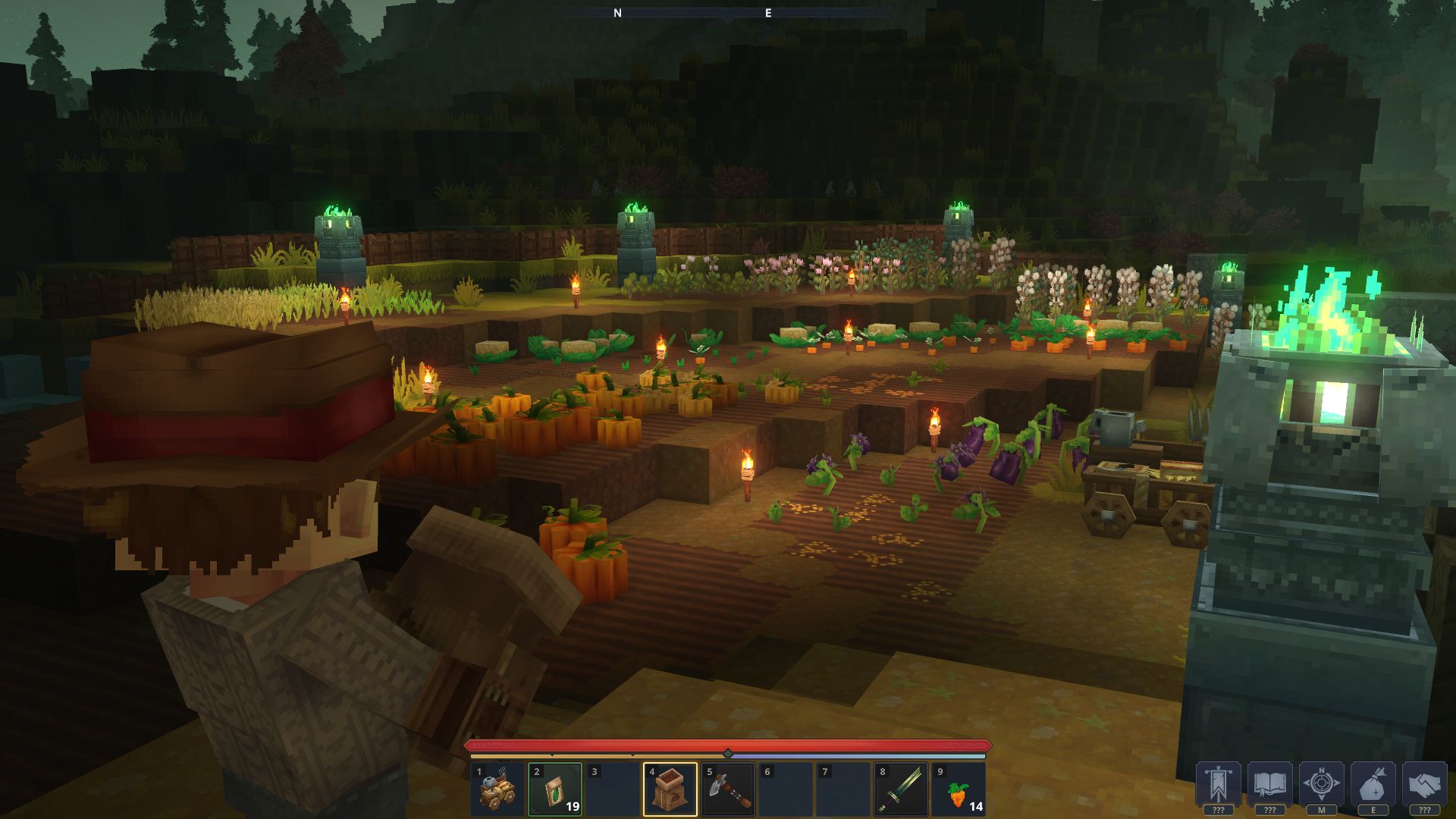
The main Workbench itself progresses through three tiers. Each upgrade requires significantly more advanced materials, such as copper and iron for Tier 2 and thorium and cobalt from higher‑end zones for Tier 3. Upgrading benches gates large swaths of recipes: better tools and weapons, backpack upgrades, advanced building blocks, magical items, and late‑game conveniences. Many specialized benches also have their own tier systems and unlock cascades.
This design means that resource‑hunting across zones and biomes is directly tied to unlocking new crafting content. If you aim to unlock every bench and every tier, you will end up visiting all major zones, delving deep into several types of dungeon, and engaging heavily with farming, mining, and combat loops. Players who have pushed through all known tiers commonly report tens of hours invested purely in progression and experimentation.
Game modes now and planned: how that affects content volume
Right now Hytale exposes two main game modes to players:
-
Exploration mode, the survival‑leaning open‑world experience described above
-
Creative mode, where you can fly, ignore survival constraints, and access the full catalog of blocks, items, and tools for freeform building and testing
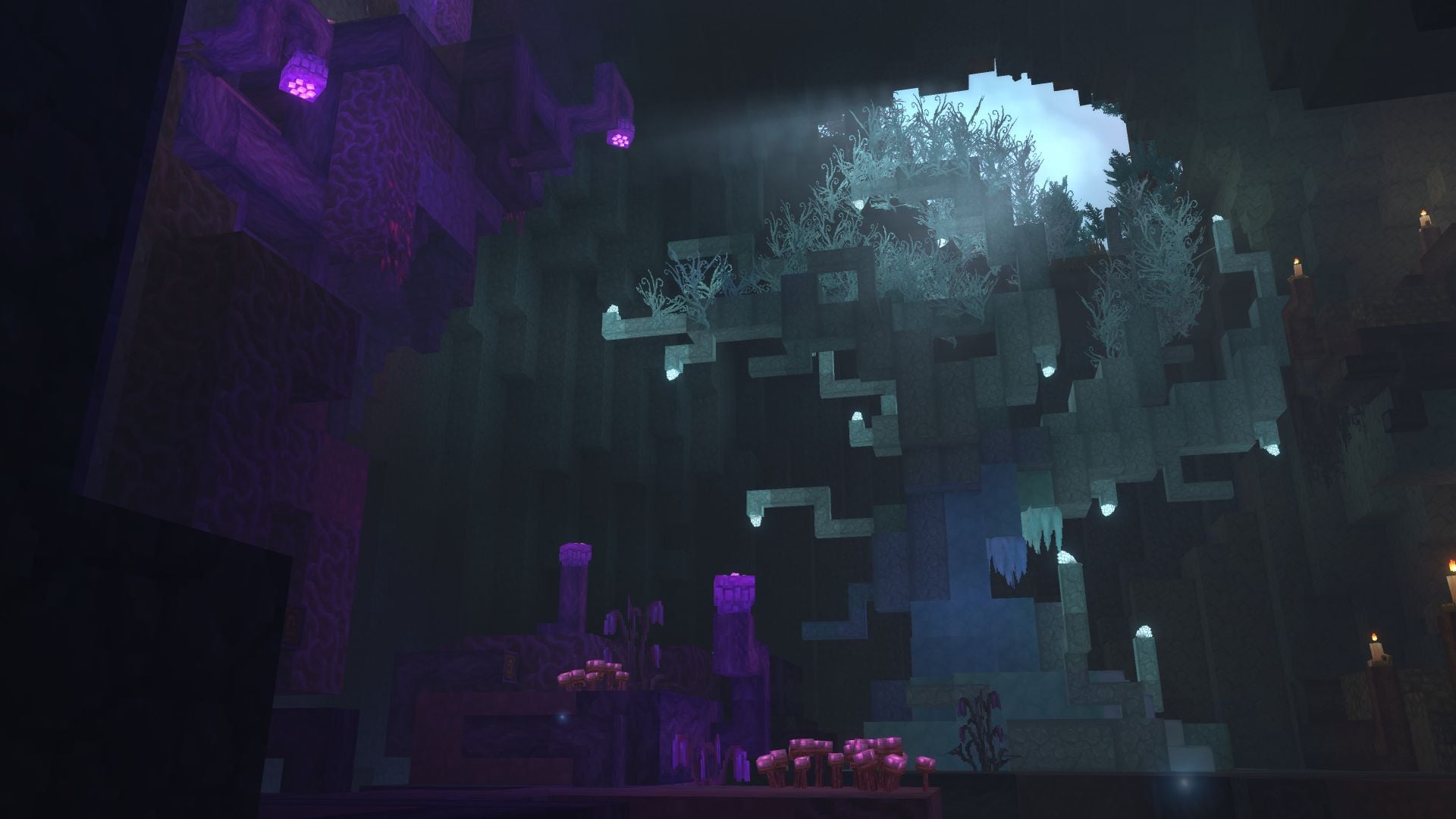
Creative mode matters for content because it effectively unlocks the entire catalog of building blocks, props, decorative items, and entities without the time cost of gathering and progression. If you view content as everything a player can meaningfully do, Creative mode multiplies the sandbox side of Hytale enormously, especially once you begin experimenting with custom assets and scripting.
On top of that, two more pillars are clearly planned but not yet fully implemented in Early Access:
-
Adventure mode, a more structured, narrative‑driven experience built on top of the world and systems established in Exploration.
-
Official minigames, which will eventually leverage Hytale’s engine and Hypixel’s experience with competitive and cooperative game types.
These modes represent future content rather than present‑day hours, but they are important context: Hytale’s current sandbox is explicitly described as the foundation for later, more guided adventures. So while Early Access is already dense, the game’s own roadmap treats it as the starting layer, not the finished package.
Creative tools, servers, and effectively infinite future content
Hypixel Studios built Hytale’s engine around customization, with native support for custom models, animations, scripting, and extensive modding. Players and server owners can create their own worlds, game modes, quests, enemies, items, and even UI changes. Tools like the integrated model maker and configuration systems are designed for accessibility, not just professional use.
From a content perspective, that means the ceiling is extremely high. Official content already includes:
-
Procedurally generated worlds with curated variety across multiple zones and biomes
-
Hundreds of creatures and entities tracked through the Memories system
-
Dozens of bosses, dungeons, and handcrafted scenarios either present or clearly on the way
-
A broad catalog of blocks, props, and interactive items supported by the crafting and building systems
Community‑created content will compound that rapidly through servers, adventure maps, minigames, and total conversions. If you are thinking long‑term rather than just at launch, this is the piece that makes Hytale more of a platform than a single finite campaign.
How to see most of Hytale’s content in a first playthrough
If you want to judge how much content Hytale really has for you personally, the best way is to structure your first Exploration save so you naturally hit most of the major systems.
Step 1: Establish a strong start in Emerald Wilds
Spend your first in‑game days in the starting zone (Emerald Wilds or Emerald Grove), gathering wood, stone, and basic ores while you learn the combat rhythm and night‑time threats. Craft a Tier 1 Workbench as soon as possible, then set up a simple base near easily recognised landmarks to reduce travel time.
Step 2: Unlock the Memories system early
Make locating the Forgotten Temple and accessing the Heart of Orbis one of your earliest goals, since memories discovered before activation do not count. That way, all subsequent exploration, creature encounters, and dungeon crawls contribute to your 240‑memory progression path.
Step 3: Push each workbench tier and specialised station
As you move into new zones, prioritise gathering the metals, fabrics, and rare resources needed for Workbench and specialist bench upgrades. Treat every new tier as a checklist of recipes to craft and systems to try, from improved armor and tools to alchemical and magical items, so you experience the full breadth of progression content.
Step 4: Tour all four main zones and their biomes
Once you are comfortable in Zone 1, deliberately push into Howling Sands, Whisperfrost Frontiers, and ultimately the Devastated Lands. Take time in each to explore surface biomes, delve into caves and dungeon entrances, and sample the local factions and enemy types before moving on, rather than beelining to endgame gear.
Step 5: Track down bosses and unique encounters
As your gear improves, start targeting known boss arenas and special structures in each zone, such as gateway golems, faction leaders like the Trork Chieftain, and unique monsters like Cave Rex and the Yeti. Treat these as milestones to mark your progress through the current combat content.
Step 6: Use Creative and servers to sample the wider sandbox
Once you feel you have seen most Exploration features, spin up a Creative world or join a well‑run community server to quickly experiment with blocks, props, and entity setups you might not yet have encountered naturally. This is where you really feel how much building, scripting, and scenario‑design content exists beyond the pure survival experience.
Following a path like this, even a fairly focused player will be exposed to the majority of Hytale’s Early Access content in a single save, with a reasonable expectation of tens of hours invested along the way.
Key locations that gate major content
Three location types do most of the heavy lifting for Hytale’s content density: the four world zones, which each gate new ores, hazards, and enemies; the Forgotten Temple and Heart of Orbis, which control your Memories progression and its 240‑entry collection track; and the scattered boss arenas and dungeon entrances, which bundle handcrafted challenges, rare loot, and some of the most distinctive fights in the game.
Measured purely as a traditional campaign, Hytale’s Early Access might look modest. However, that misses what the game already offers. Across four major zones, dozens of biomes, 240 memories to collect, a double‑digit roster of bosses, and a deep multi‑tier crafting ecosystem, the current sandbox easily supports dozens of hours for most players and far more for completionists and builders.
On top of that, Creative mode and the integrated creation tools mean that the available content is not limited to what ships in the base world. As community servers, mods, and eventual Adventure and minigame updates come online, the total amount of playable content will continue to expand, likely for years.