- What to know
- What Guardian Spirit Skill or GSS canceling actually does
- How GSS canceling works in Nioh 3
- Step-by-step: how to perform a GSS cancel
- Control schemes and inputs explained
- Timing tips for consistency
- Comparison to Nioh 2’s cancel mechanics
- Why GSS canceling is so strong
- Is GSS canceling intended?
What to know
- GSS canceling removes the recovery animation of slow melee attacks
- It requires pressing the Guardian Spirit Skill input twice
- The timing window is immediately after your attack connects
- This works differently from Nioh 2 and may be intentional or patched later
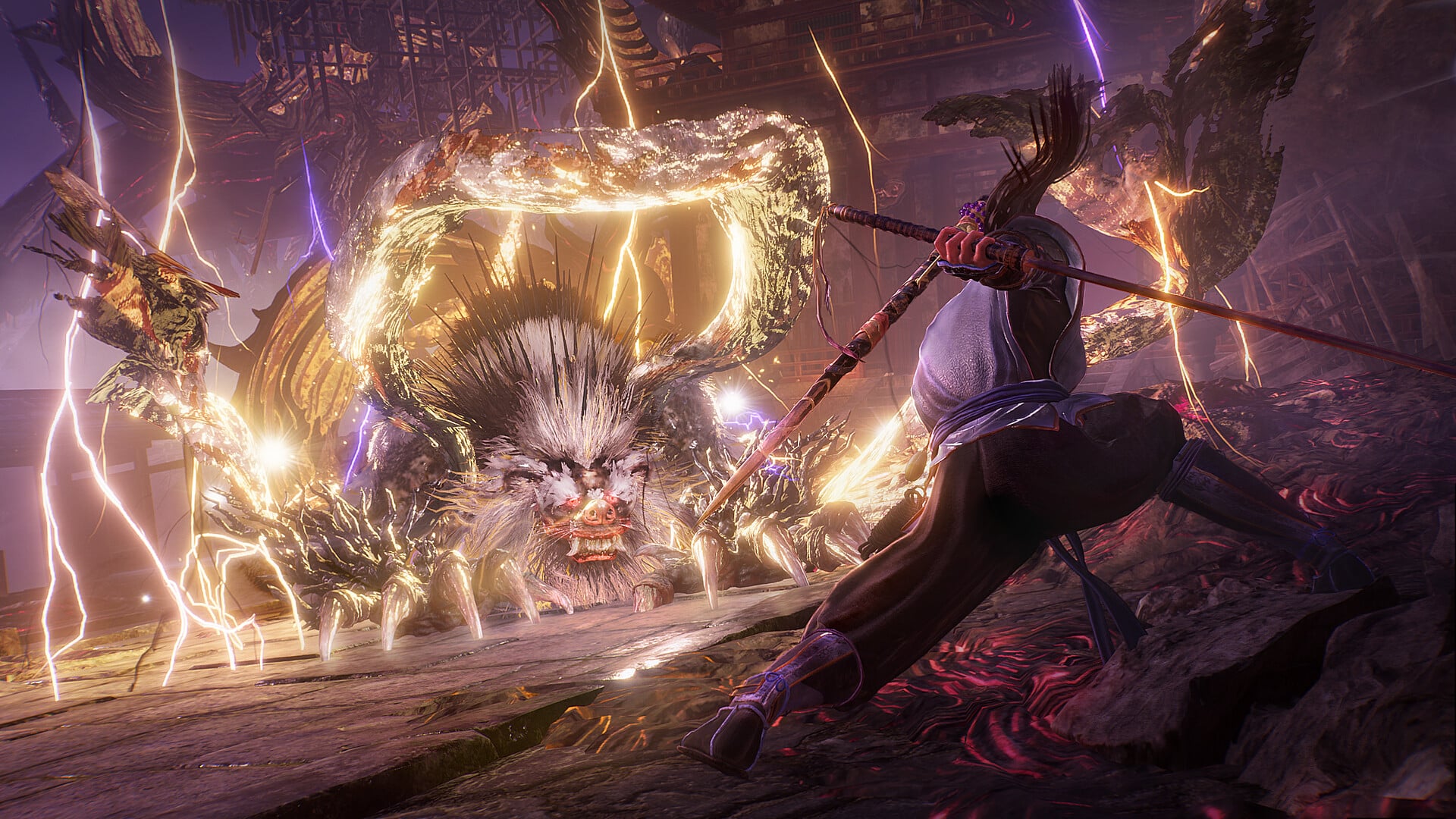
In Nioh 3, combat depth comes from mastering animation control as much as raw damage. One of the most impactful advanced techniques available right now is the Guardian Spirit Skill (GSS) cancel. If you’re using heavy weapons or slow, high-commitment attacks, this technique fundamentally changes how aggressive you can play.
Instead of being locked into long recovery animations, GSS canceling lets you immediately act again, turning normally risky attacks into safe pressure tools.
What Guardian Spirit Skill or GSS canceling actually does
At its core, GSS canceling removes the recovery frames that occur after a melee attack finishes. These recovery frames are what normally leave you vulnerable to counterattacks, especially when using weapons with big swings or charged attacks.
When done correctly, the Guardian Spirit activation interrupts that recovery animation, allowing you to:
- Chain another attack
- Dodge instantly
- Reposition or block
- Maintain pressure on staggered enemies
This makes the technique especially strong for slow, hard-hitting weapons that otherwise rely on careful spacing.
How GSS canceling works in Nioh 3
Unlike previous systems, GSS canceling in Nioh 3 has a very specific input requirement. You must press the Guardian Spirit Skill input twice, and both presses must happen immediately after your attack animation ends.
Pressing the button only once will trigger the skill normally or do nothing, depending on timing. The cancel only occurs on the second input.
This double-press requirement is the key difference that trips most players up.
Step-by-step: how to perform a GSS cancel
Step 1
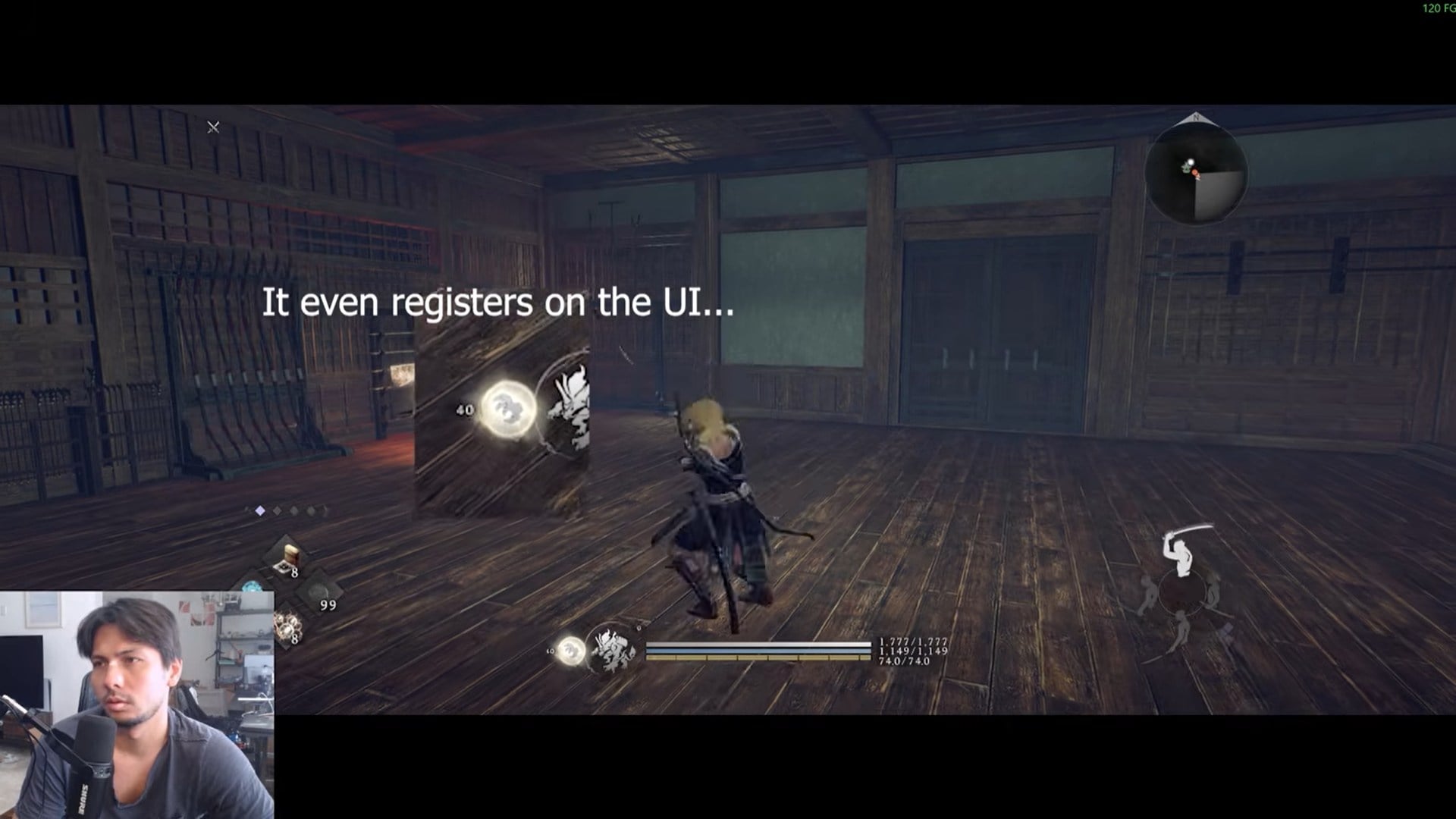
Perform a melee attack, ideally a slow or heavy-hitting one so the effect is obvious.
Step 2
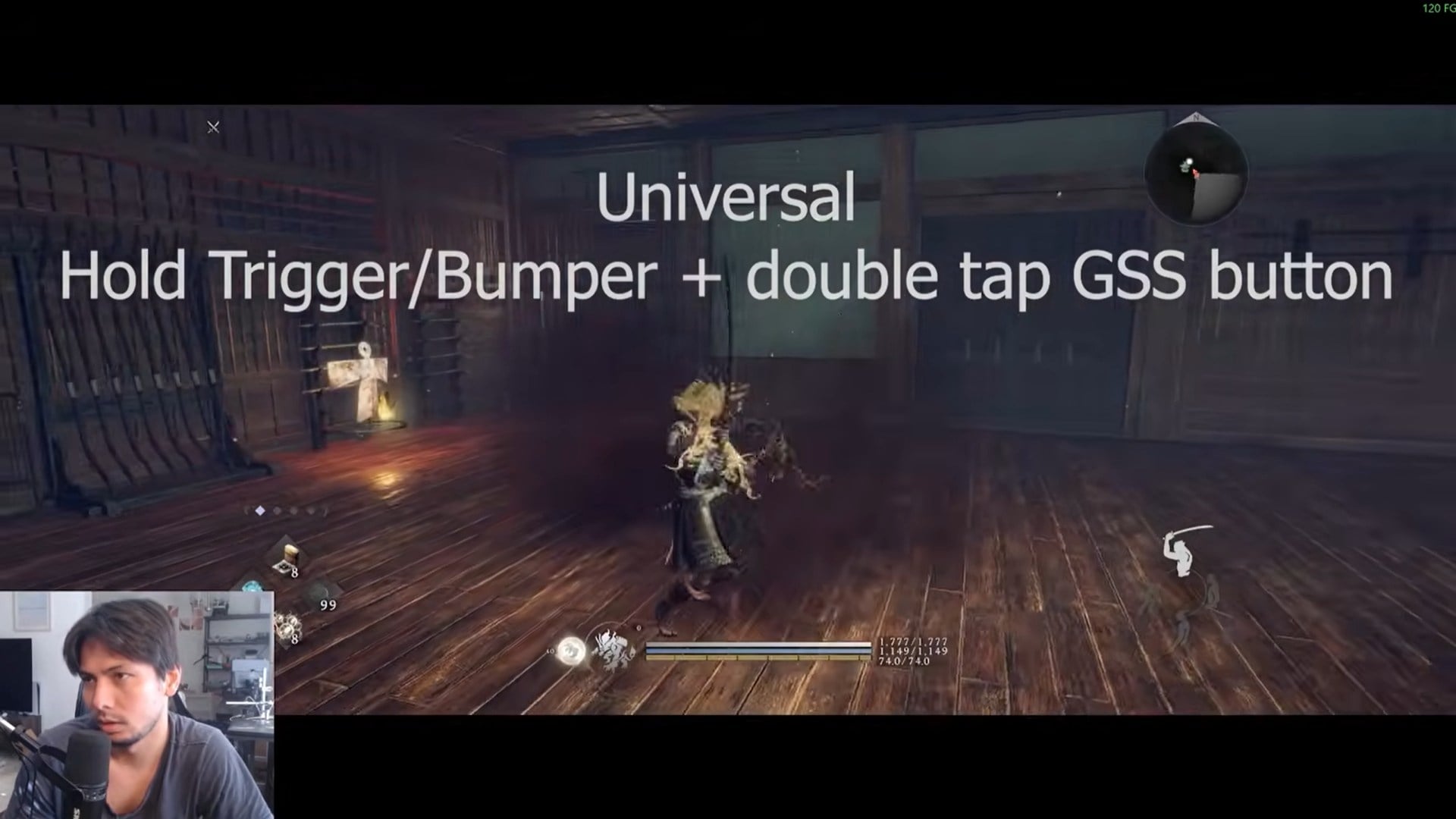
As soon as the attack finishes connecting, press the Guardian Spirit Skill button twice in quick succession.
Step 3
If timed correctly, the recovery animation will be cut short, and your character will immediately return to a neutral or actionable state.
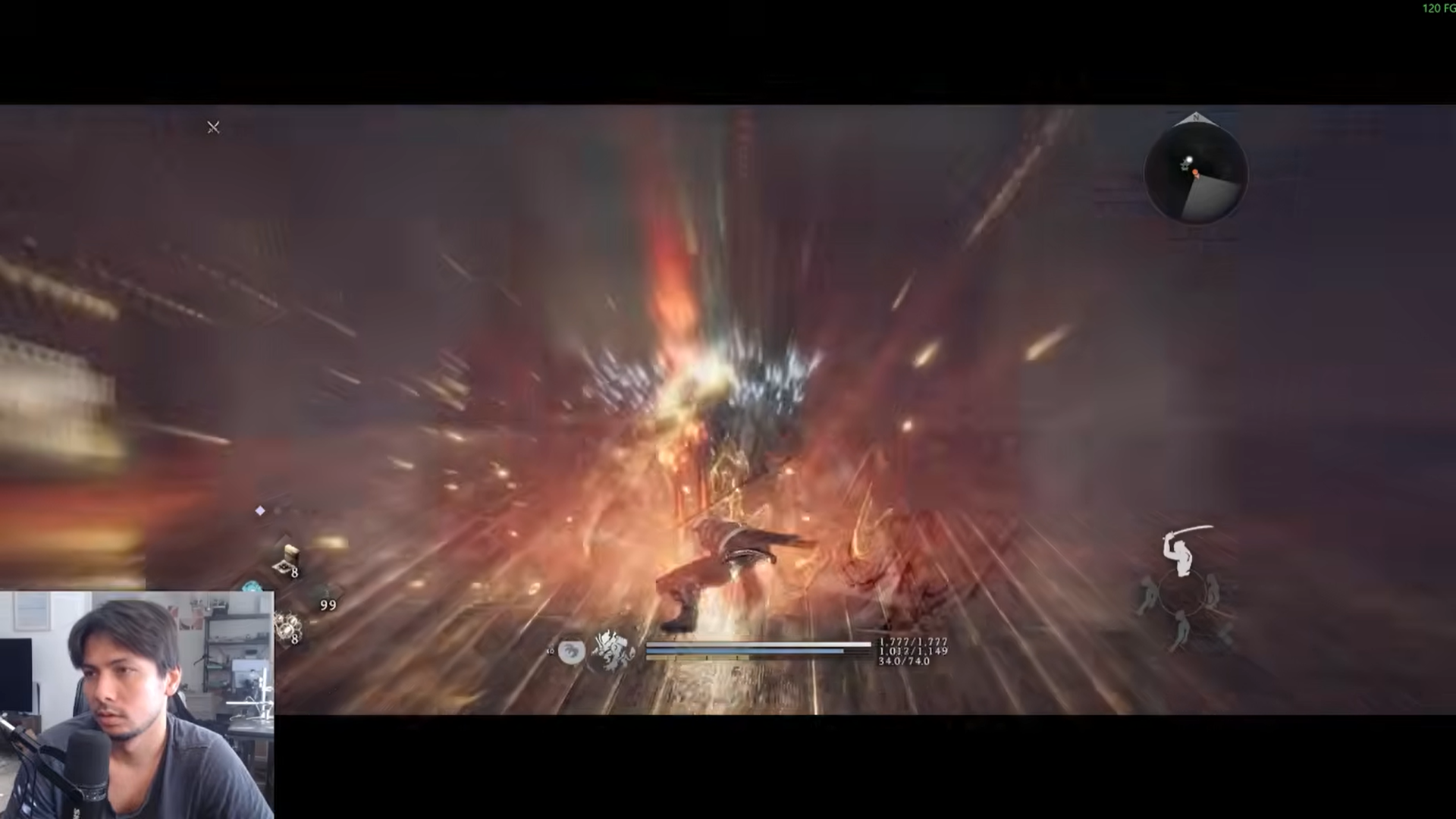
If you see the full recovery animation play out, your timing was too late or you only pressed the input once.
Control schemes and inputs explained
The exact input depends on your control layout, but the logic is always the same: double-tap the GSS input.
| Control setup | Input method |
|---|---|
| Type B controls | Press Left Bumper + face button or D-pad twice |
| Custom controls | Press Right Trigger + GSS button twice |
No matter the layout, one press is not enough. The second press is what triggers the cancel.
Timing tips for consistency
The most common mistake is waiting too long after the attack. The input window is immediately after the attack finishes, not during the swing and not after the recovery begins.
A good way to practice is to watch your character’s shoulders or weapon tip. The moment the attack impact ends, start the double-tap. With practice, this becomes muscle memory.
Comparison to Nioh 2’s cancel mechanics
Players coming from Nioh 2 will notice an important difference. In Nioh 2, Yo-kai ability cancels generally required a single input, making them easier and more forgiving.
In Nioh 3, the double-press requirement adds execution difficulty, and it’s currently unclear whether this is intentional design or an oversight.
There is active speculation that Team Ninja may adjust this behavior in a future patch, but as of now, the double input is mandatory.
Why GSS canceling is so strong
GSS canceling dramatically shifts risk versus reward. Attacks that would normally be unsafe become viable pressure tools, and enemies have far fewer windows to retaliate.
| Without GSS cancel | With GSS cancel |
|---|---|
| Long recovery | Immediate follow-up |
| Punishable swings | Safe pressure |
| Defensive downtime | Aggressive flow |
This is especially impactful in boss fights, where shaving off even a fraction of vulnerability can decide the outcome.
Is GSS canceling intended?
GSS canceling is one of those techniques that separates competent players from advanced ones. By learning to double-tap the Guardian Spirit Skill input at the right moment, you eliminate recovery frames and unlock a faster, more aggressive combat style. It takes practice, especially compared to Nioh 2, but once mastered, it becomes an essential part of high-level play in Nioh 3.
At the moment, there’s no official confirmation. The extra input compared to Nioh 2 suggests it may be a deliberate balance choice rather than a bug. However, the fact that it feels unintuitive to many players means it could be adjusted in future updates.
Until then, it’s a legitimate and powerful technique, and mastering it gives you a clear edge.