If you’re hooked on the daily NYT Strands puzzle, you’re in good company. Strands takes the comfort of a classic word search and mixes in clever, theme-based twists that can feel delightfully tricky—especially when the theme is playing games with you.
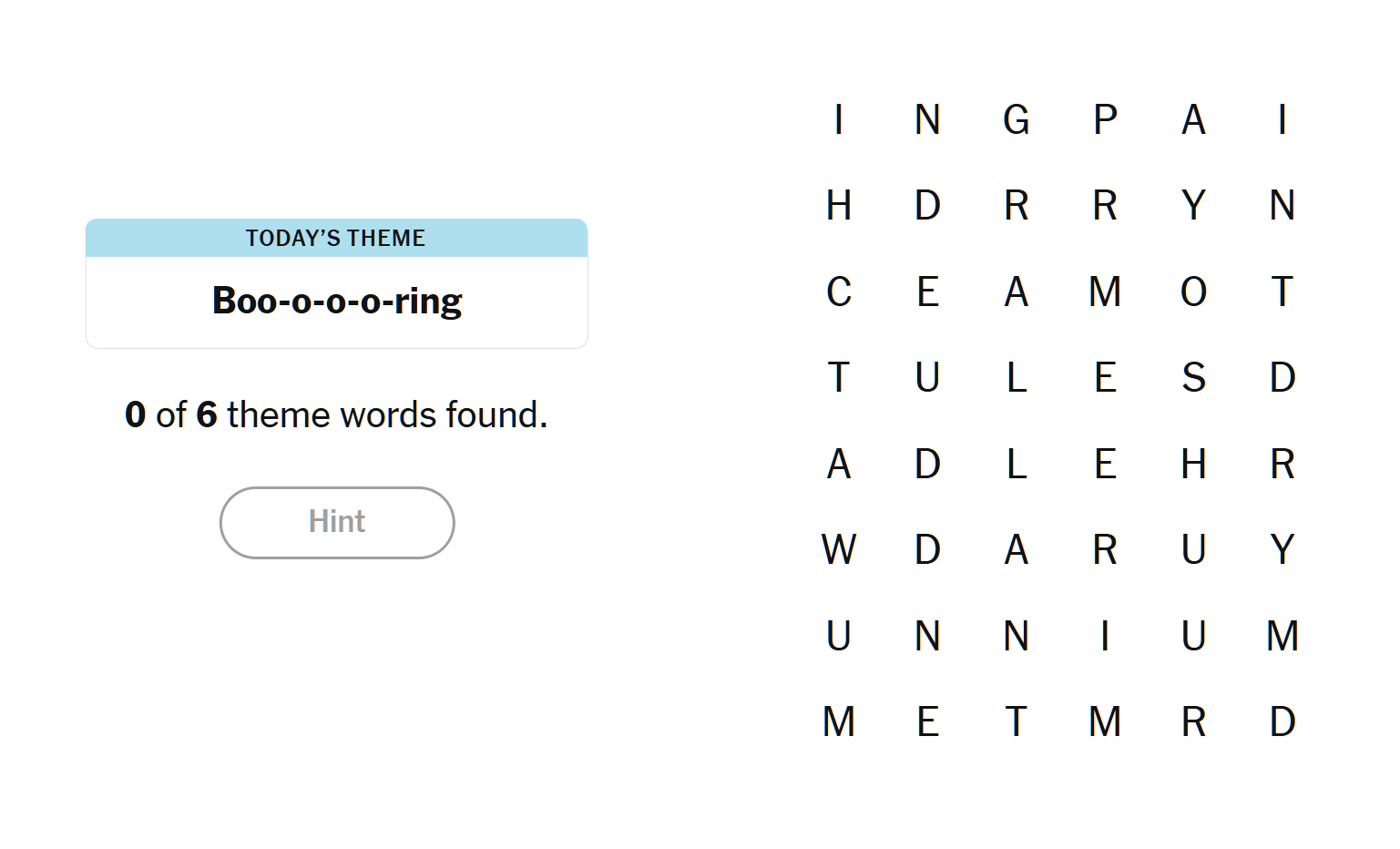
7 February 2026 NYT Strands Theme: “Boo-o-o-o-ring”
Today’s theme leans hard into the language of boredom. Every answer is a word you might toss out when a movie drags on, a lecture won’t end, or the day just will not move. The vocabulary is familiar and straightforward, but the grid layout and the longer spangram phrase mean you still need to trace carefully along diagonals and bends to finish everything off.
7 February 2026 NYT Strands Hints
-
Think of adjectives you’d use to describe a long, uneventful afternoon.
-
Most answers are simple, everyday words rather than rare or technical terms.
-
Several words cluster around the center of the grid, with pieces stretching outward to the edges.
-
Watch for paths that turn a corner—quite a few answers bend rather than running straight.
-
The spangram is a common expression for something extremely boring, built from multiple short words.
7 February 2026 NYT Strands Answers
-
Dull (when absolutely nothing about the situation grabs your interest)
-
Dreary (boring in a gray, low-energy, almost gloomy way)
-
Humdrum (routine and monotonous, the same thing over and over)
-
Mundane (ordinary to the point of being forgettable)
-
Tiresome (so boring it actually feels exhausting to endure)
Spangram
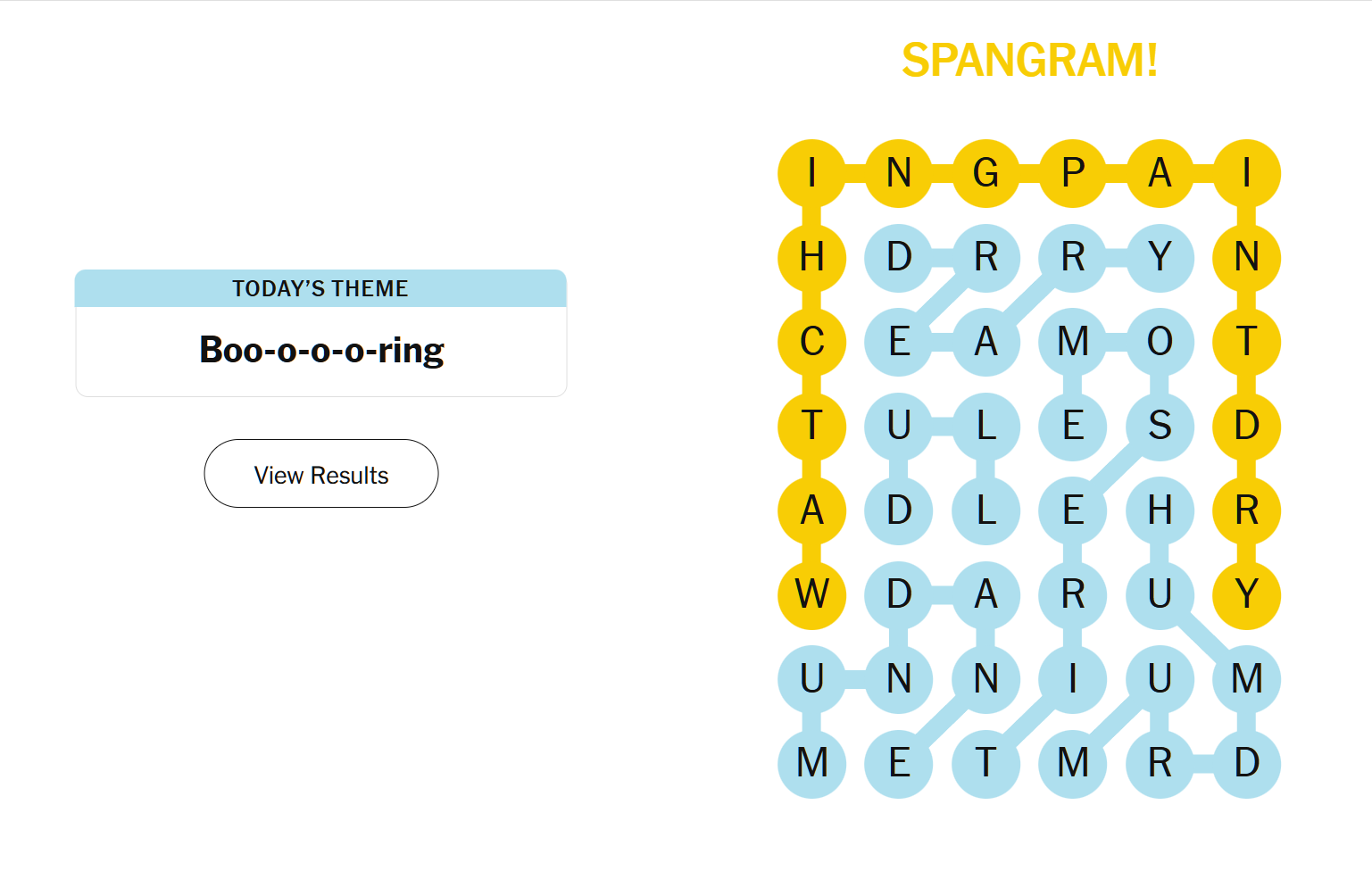
WATCHING PAINT DRY
The spangram pulls the whole theme together with a classic phrase for peak boredom. It snakes across the grid, touching two opposite sides while weaving between the shorter adjectives. Once “WATCHING PAINT DRY” clicks, it becomes much easier to spot the smaller descriptive words orbiting it.
How Strands works
Strands is a daily word search puzzle with a twist:
- You’re given a theme.
- The grid is packed with hidden words tied to that theme.
- Words can run in any direction, including diagonals.
- Once you find all the theme words, you’re done!
Each puzzle usually has around 6–8 theme words.
How to get and use hints
Hints are built right into Strands, and they’re super useful if you’re stuck:
- To earn a hint, find any non-theme word of at least four letters in the grid.
- Each valid extra word gives you one hint.
- When you use a hint, one of the theme words will be revealed automatically, helping you move forward.
Pro tip: Don’t just burn hints — use them strategically when the grid feels impossible. Sometimes a single revealed word unlocks the entire board.
Tips to become a NYT Strands pro
- Start with obvious words. Look for clear connections to the theme first.
- Scan diagonals early. Strands loves to hide words at an angle.
- Build around found words. Once one word is cleared, the leftover letters often point to the next.
- Use hints wisely. Earn them steadily by spotting extra words, then save them for when you’re truly stuck.
- Think about synonyms. The theme clue isn’t always literal — broaden your thinking.
Final thoughts
For a puzzle built around boredom, today’s Strands is anything but. The mix of short, punchy adjectives and the playful “WATCHING PAINT DRY” spangram makes for a satisfying solve once everything clicks into place. If you got stuck along the way, use these hints and answers to review the grid, sharpen your eye for future themes, and get ready for whatever twist tomorrow’s Strands brings.