What to know
-
The game uses a 3v3 tag-team battle format with mid-fight character switching
-
Four core actions drive neutral and combo routes: Target Combo, Counter Attack, Guard, and Unblockable Attack
-
Plus Ultra Combos let your whole team chain ultimates for huge damage when you stock enough gauge
-
Rising boosts your last character or can be triggered for a temporary power swing
Building strong combos in My Hero Academia: All’s Justice is mostly about turning one clean opening into a full sequence using switching, resource spend, and reliable enders.
| Element | Quick take |
|---|---|
| Core goal | Convert one hit into a full combo and a safe reset |
| Most consistent starter | Target Combo confirms and grounded pokes |
| Main extender | Character switching mid-string |
| Big damage finisher | Plus Ultra move, or team Plus Ultra Combo when stocked |
| Comeback lever | Rising for damage, speed, and recovery boosts |
| Biggest limiter | Cooldowns and gauge management, not just execution |
Understanding the foundational combat actions
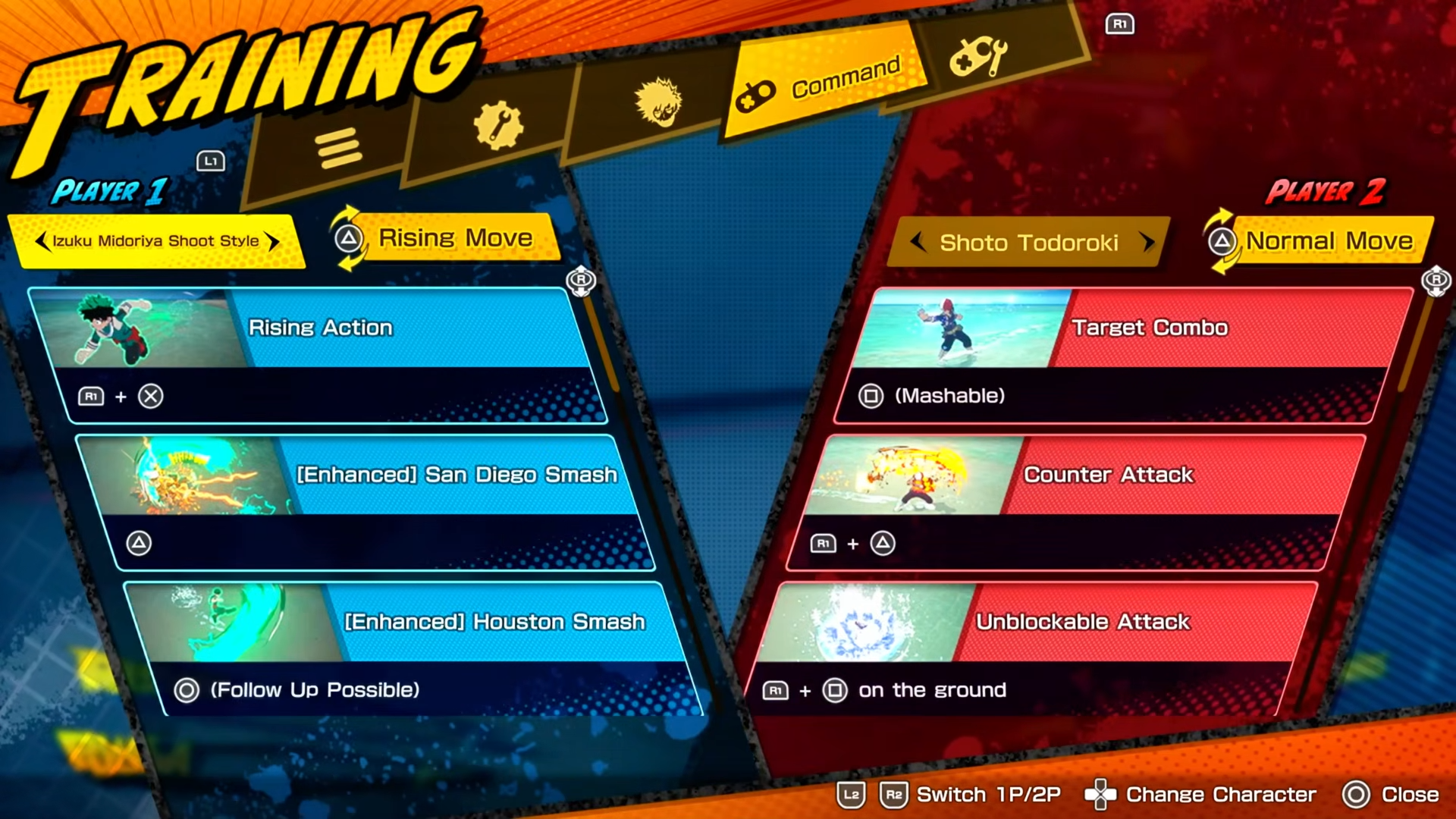
Your combo game starts in neutral, and neutral is shaped by four actions you keep cycling between. Target Combo is your main hit-confirm tool and your baseline combo routing button. Counter Attack is what you use when you’ve read an opponent’s timing and want to steal their turn. Guard stabilizes you when you’re unsure, but Unblockable Attack is there to force movement and punish passive blocking.
If you want more consistent combos, your first focus should be landing starters safely rather than forcing risky openers. A dropped combo is usually a starter issue, not a damage issue.
How to execute basic combo sequences
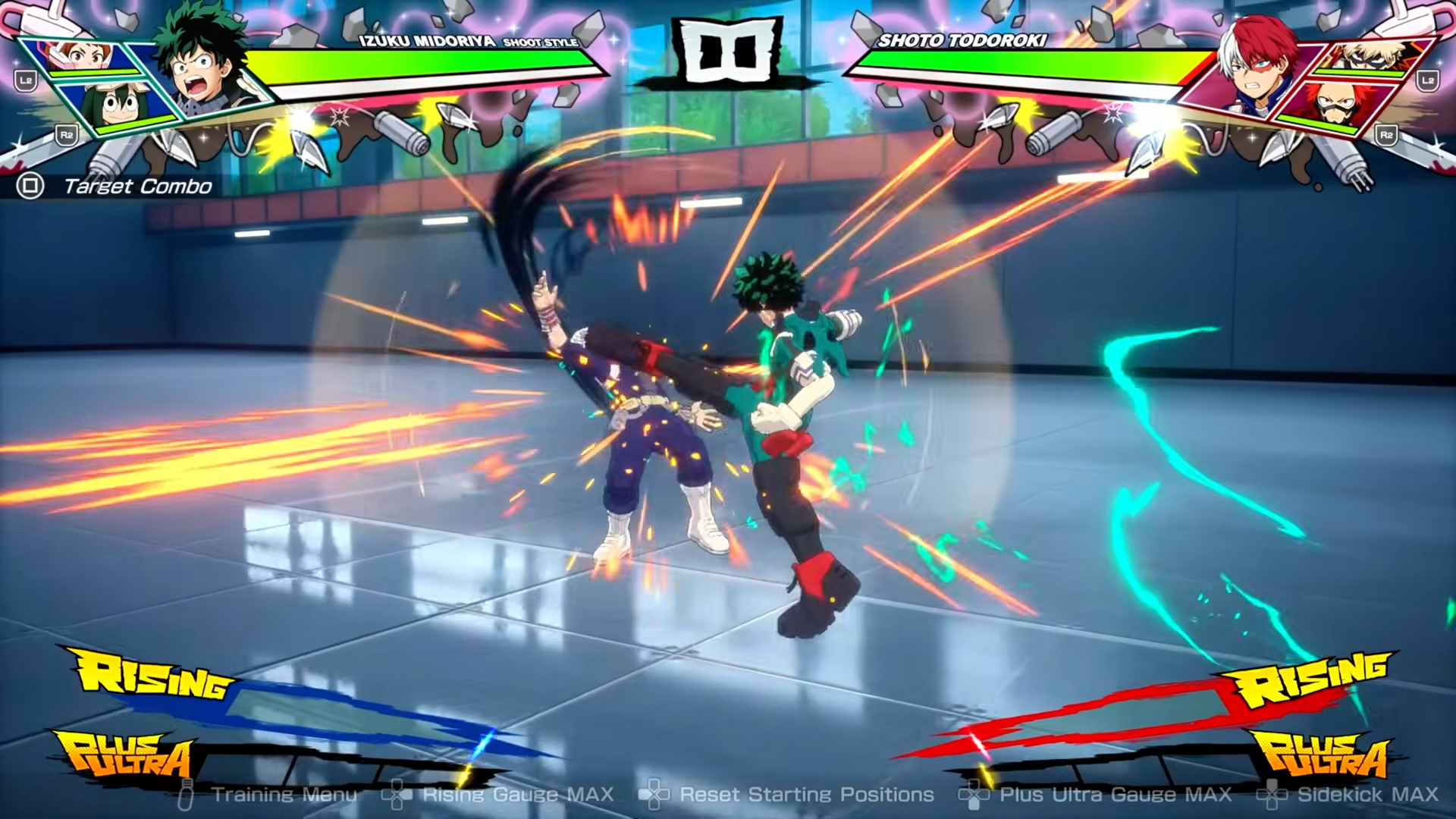
Basic combos are built around a simple structure: starter, launch or pop-up, chase, extension, ender.
Step-by-step basic combo skeleton
Step 1
Land a safe starter, usually a quick grounded attack you can confirm into Target Combo.
Step 2
Complete your Target Combo string until you get the hit that launches or pops the opponent up.
Step 3
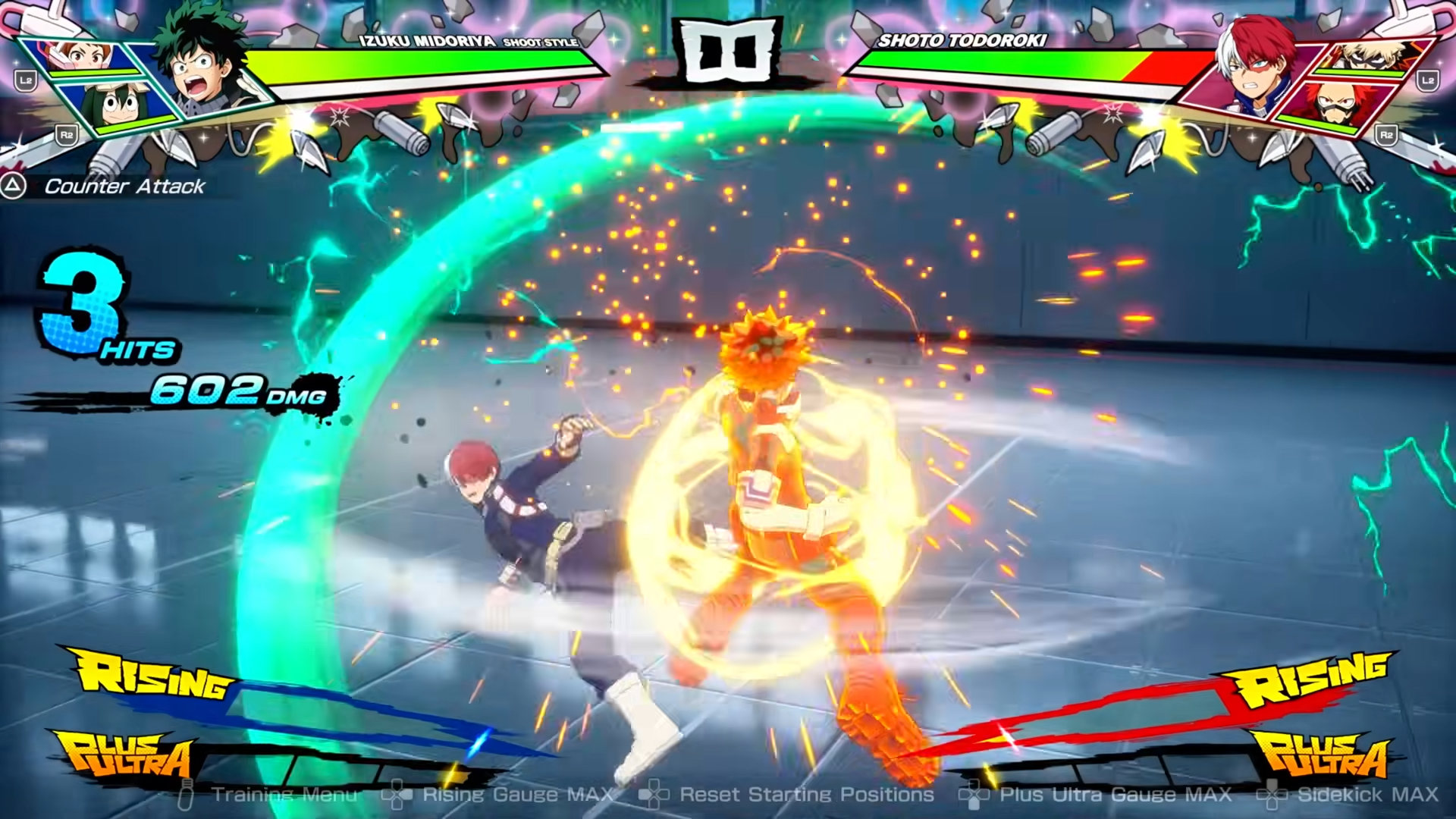
Chase immediately with a dash or forward movement so you stay in range before they fall out.
Step 4
Add an aerial follow-up or a fast special that keeps them in hitstun without pushing you too far away.
Step 5
End with a move that gives you advantage afterward, either a knockdown, a spacing ender, or an ultimate if the situation is guaranteed.
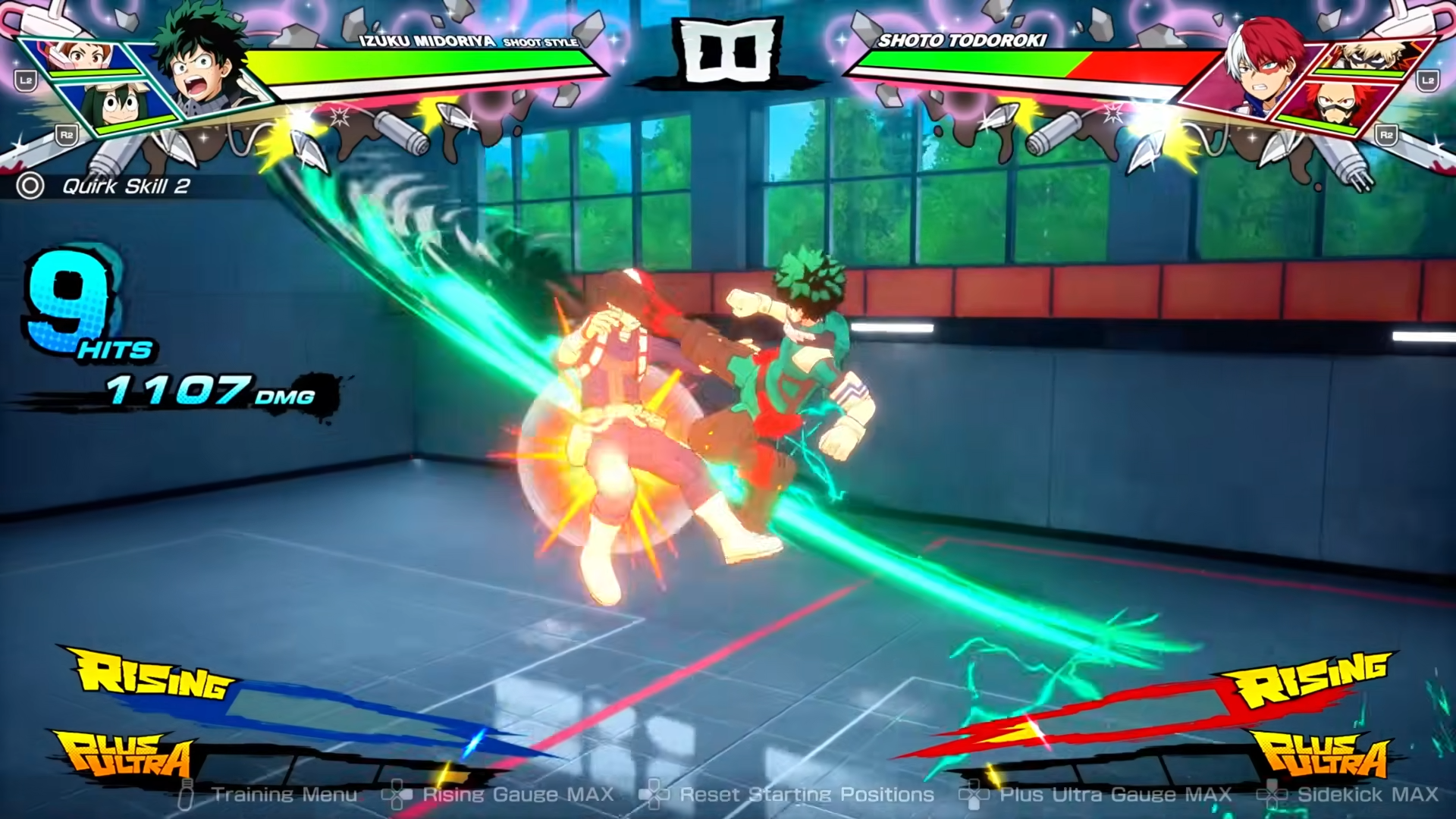
A good beginner rule is to keep combos short until you can do them 10 times in a row without drops. Consistency beats style.
How to incorporate character switching into combos
Switching is your best universal extender because it effectively refreshes your pressure and gives you access to a new set of normals and specials mid-combo.
Step-by-step switch extension framework
Step 1
Start a standard combo and reach the point where your current character would normally lose range or the opponent is about to fall.
Step 2
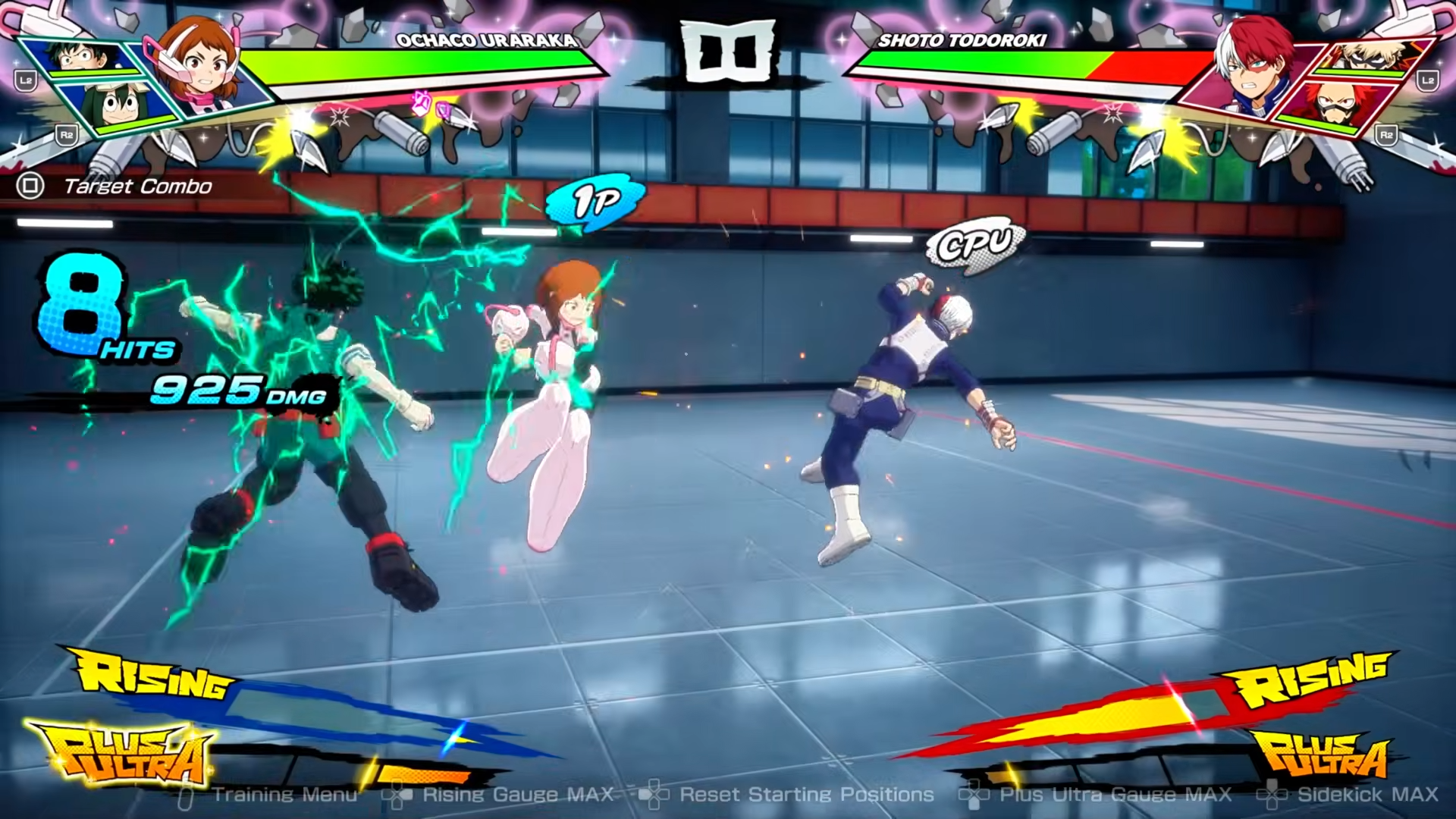
Switch during a stable hit, ideally when your current move clearly connects and the opponent is suspended.
Step 3
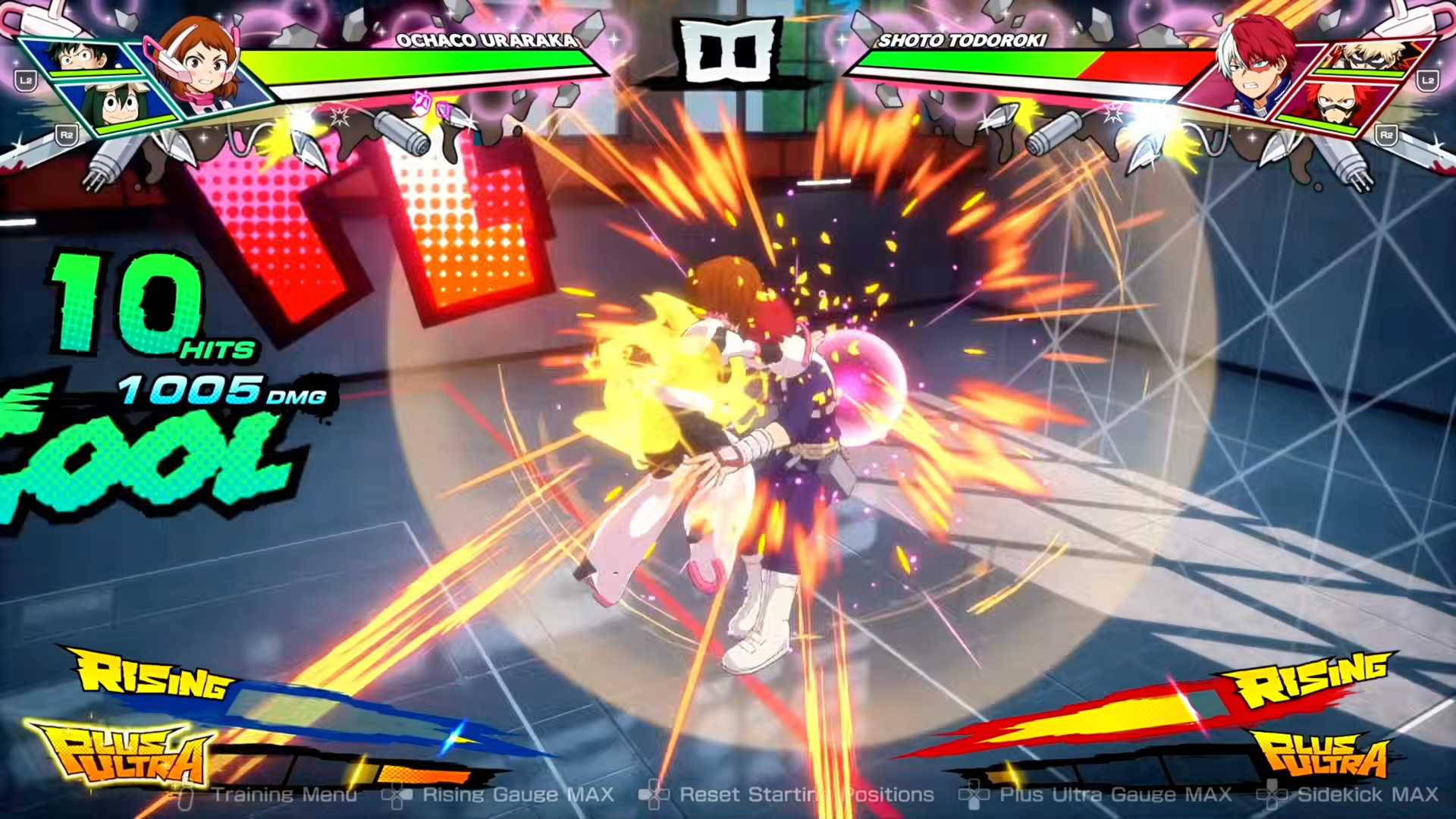
Continue immediately with your incoming character’s fastest reliable pickup option, usually a quick normal into Target Combo.
Step 4
Decide your second extension: either switch again to your third character for maximum damage, or stop switching and go to an ender for better positioning.
Step 5
Finish with a knockdown ender or an ultimate, depending on your resources and whether the hit is still a true confirm.
What you’re aiming for is not endless switching, but one clean switch that turns a medium combo into a big one without adding risk.
Maximizing damage with Plus Ultra moves
Plus Ultra moves are your damage spikes, but they are also your resource sink. If you throw them out too early in a match without a plan, you may lose the ability to escape pressure later.
Step-by-step Plus Ultra confirm plan
Step 1
Build gauge naturally while prioritizing safe confirms.
Step 2
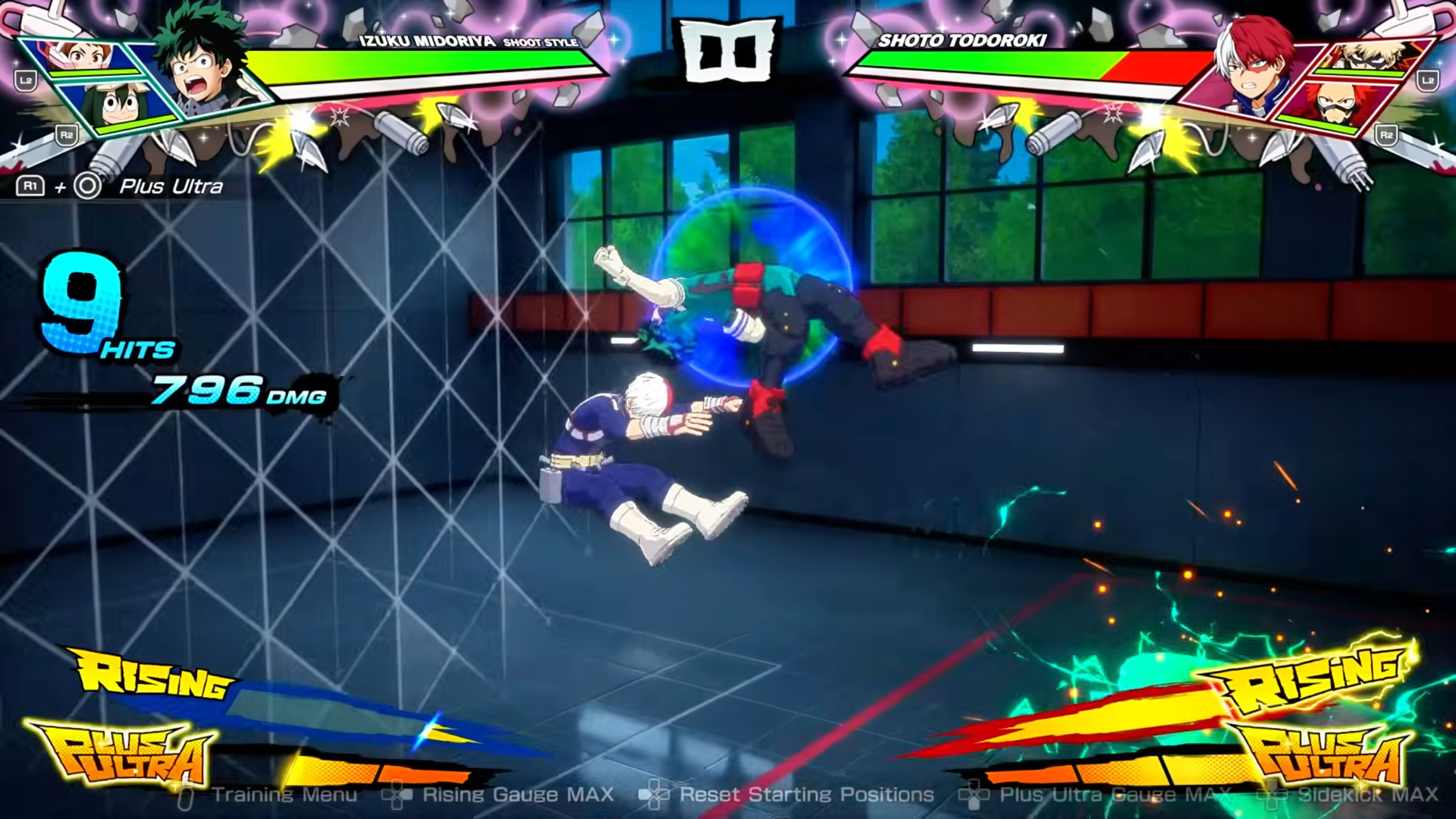
Only spend Plus Ultra when you have a guaranteed confirm, typically right after a stable hit or launcher.
Step 3
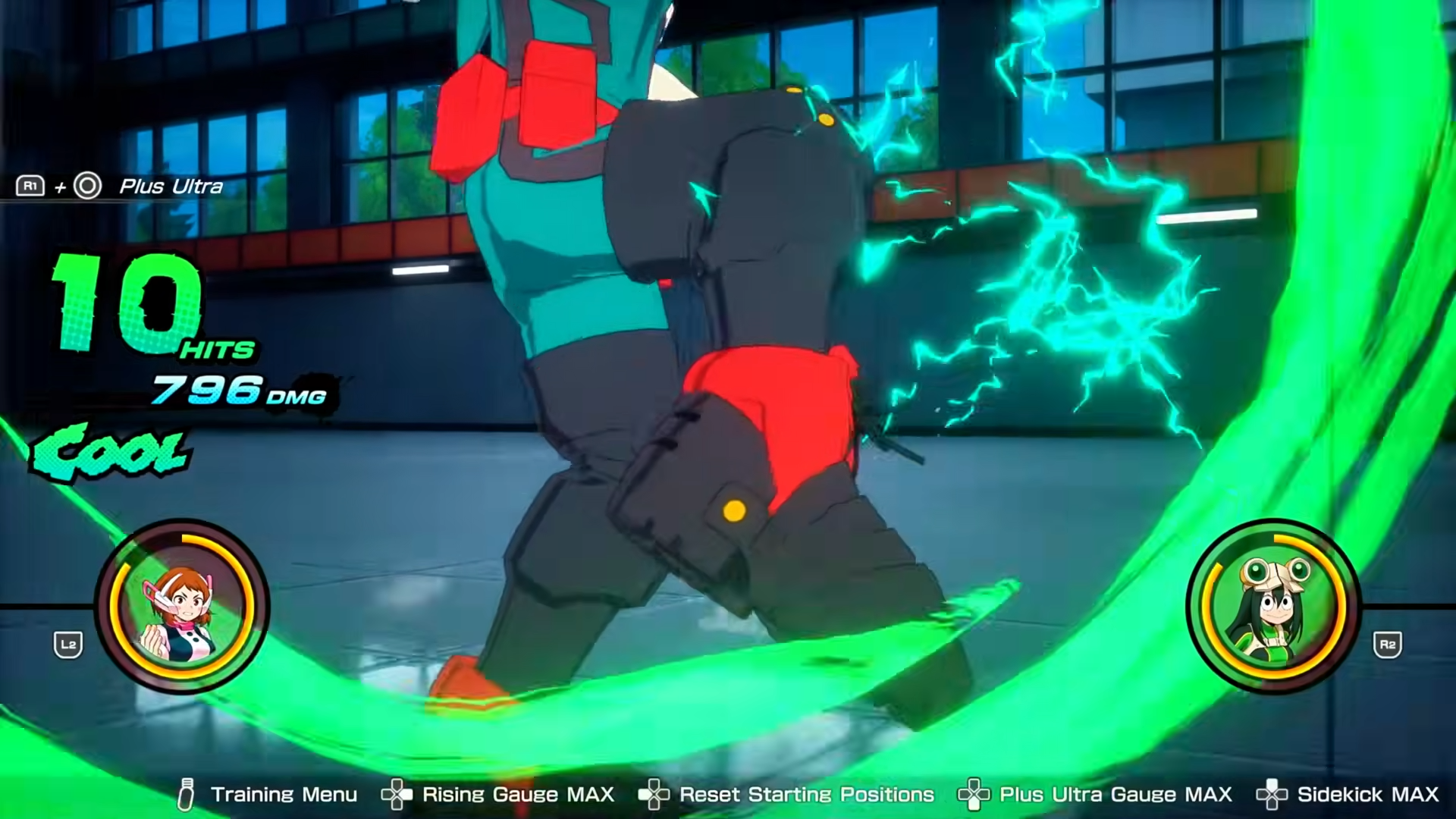
Use Plus Ultra as a combo ender when it will either secure a KO, swing the life lead, or set up a favorable next interaction.
Step 4
If you’re saving for a team Plus Ultra Combo, avoid wasting gauge on low-impact spends unless it prevents a round-losing situation.
A practical way to think about it: single Plus Ultra is for momentum, team Plus Ultra Combo is for match-defining swings.
Leveraging Rising for comeback pressure
Rising is your built-in momentum tool, and it changes what is punishable and what is possible. When Rising is active, your character’s enhanced stats let you convert smaller openings into real damage and maintain pressure longer.
Step-by-step Rising usage rules
Step 1
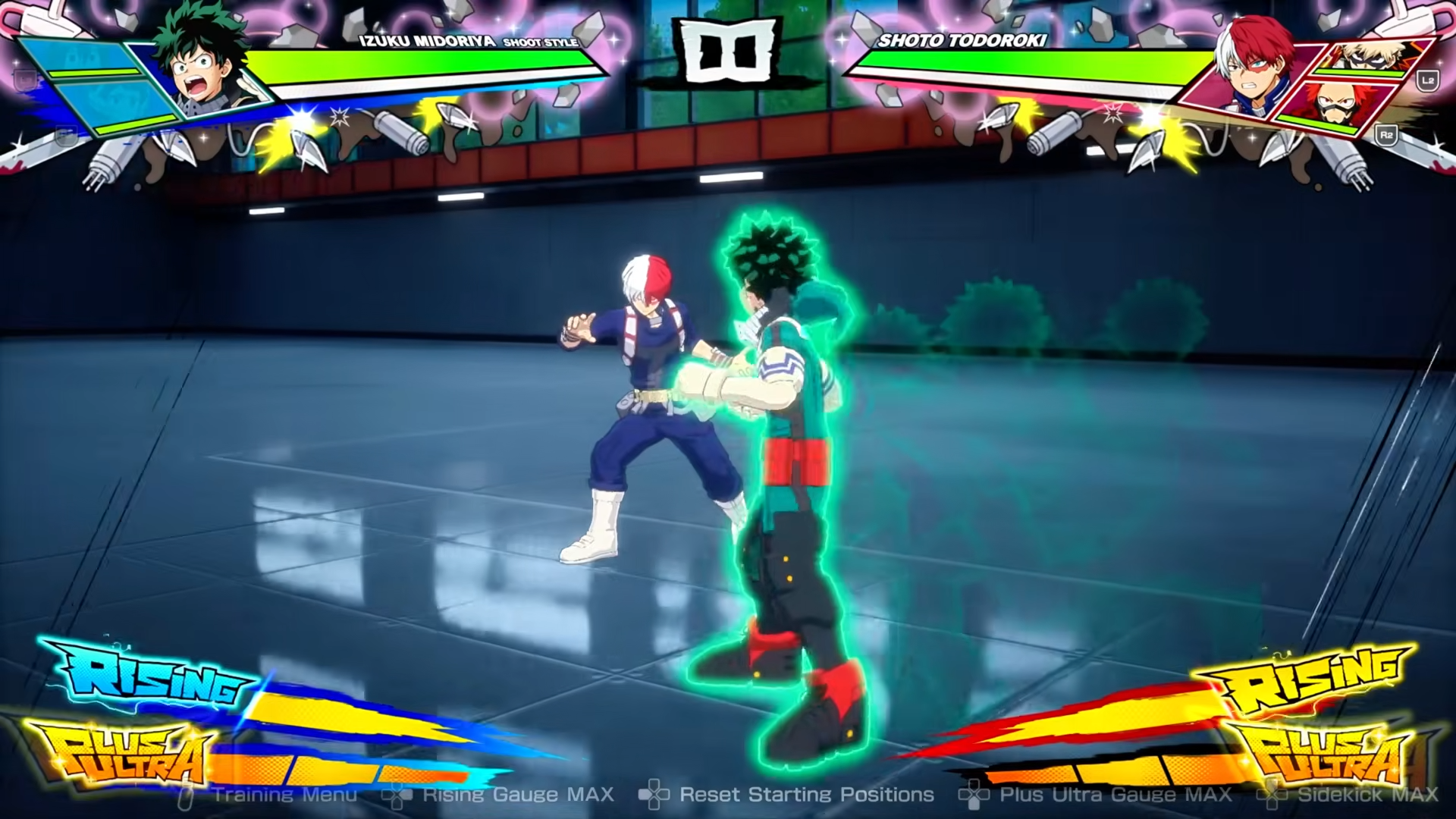
Recognize when Rising is your win condition, usually when you’re down to your last character or need a tempo swing.
Step 2
Activate Rising at a moment you can actually act, such as after a knockdown, at long range, or when the opponent is hesitant.

Step 3
Use the speed and recovery boosts to play tighter neutral: safer pokes, faster chases, and fewer overcommits.
Step 4
Convert the first clean hit into your highest consistency combo route, not your flashiest one.
Step 5
After your Rising pressure sequence, reset to safe spacing instead of gambling your advantage away.
If you treat Rising as permission to take wild risks, you’ll often lose it without getting paid. Treat it like a limited-time efficiency boost.
Team-building principles for better combos
You’ll build better combos faster if your team has clear roles. A simple structure works well: a point character who wins neutral consistently, a mid character who extends combos well via switch pickups, and an anchor who becomes terrifying with Rising.
When choosing teammates, prioritize these combo-friendly traits:
-
Reliable pickup after switch, meaning fast moves that reach upward or forward
-
Stable enders that create knockdowns or safe spacing
-
One character with strong meterless damage so you can save gauge for key moments
The best combos in My Hero Academia: Alls Justice come from clean starters, one purposeful switch extension, and smart resource spending on Plus Ultra and Rising. If you focus on repeatable routes and team roles, your damage climbs naturally without forcing risky setups.