What to know
- Water is essential in Cairn and directly affects survival during long climbs.
- Clear water comes from natural flowing sources, not crafted purification systems.
- Streams, springs, and waterfalls are the safest and most reliable refill spots.
- Water can be enhanced through recipes, improving hydration and utility.
In Cairn, water management is intentionally grounded and simple, but it still plays a huge role in how far you can climb and how safely you can explore. There is no complex purification system or crafting tree for clean water. Instead, the game rewards awareness of the environment and smart preparation. If you understand where to collect water and how to use it efficiently, you can drastically extend your survival window on the mountain.
How water works while climbing the mountain
Water in Cairn represents hydration rather than a detailed contamination mechanic. Your character becomes dehydrated if you go too long without drinking, which negatively impacts endurance and overall survivability. You gather water directly from the environment by refilling bottles or flasks you carry with you.
Not all water sources feel equal during gameplay. Flowing water sources are implicitly treated as clear water, while stagnant puddles are less reliable and generally avoided by experienced players. The game communicates this visually rather than through labels or item tiers, encouraging you to pay attention to your surroundings as you climb.
Clear water in Cairn
| Aspect | Details |
|---|---|
| Main purpose | Prevent dehydration and support survival |
| Best sources | Streams, springs, waterfalls |
| Storage | Bottles and flasks |
| Purification system | None — source quality matters instead |
| Extra uses | Cooking, drink recipes, survival buffs |
How to collect clear water from natural sources
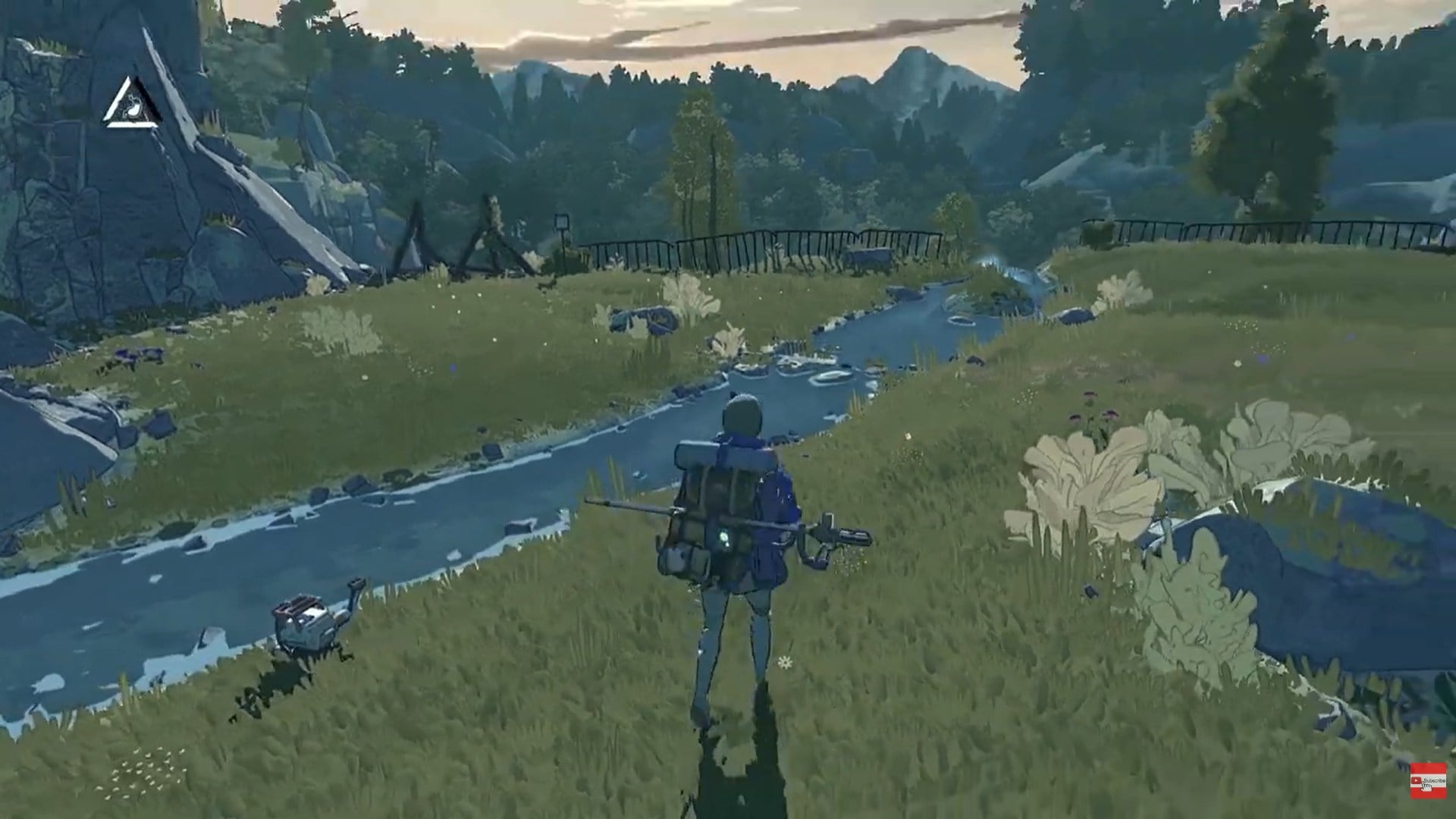
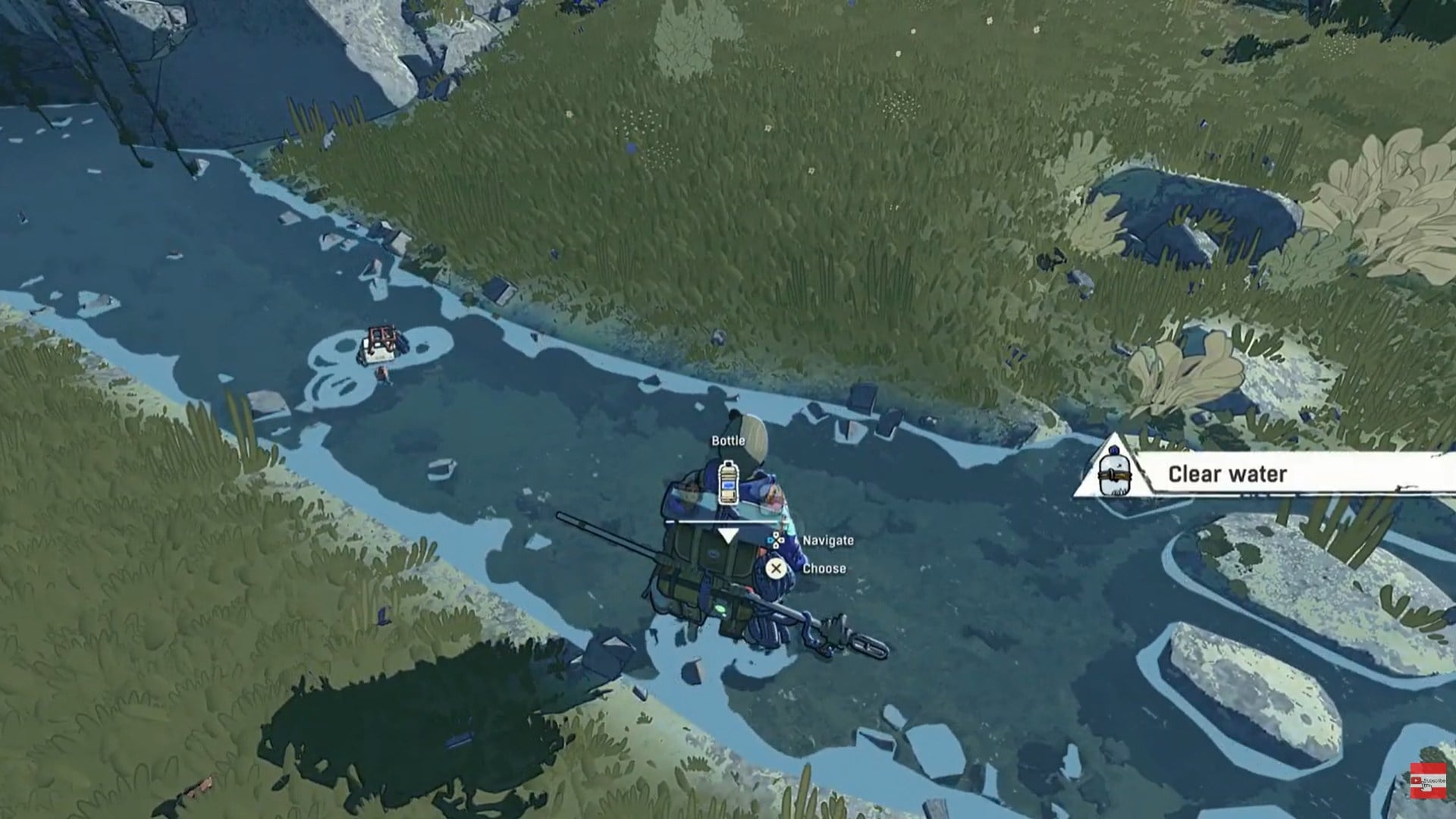
Clear water is collected directly from the mountain itself. As you explore climbing routes, you will notice thin streams running down rock faces, small springs emerging from cracks, or gentle waterfalls cutting through cliffs. These are the primary refill points you should rely on.
Step 1: Locate flowing water
Look for moving water, not still pools. Streams and waterfalls are visually distinct and are usually positioned near natural climbing breaks or route transitions. These spots are designed to act as soft checkpoints where you can rest, hydrate, and prepare for the next stretch.
Step 2: Refill bottles and flasks
Once near a water source, interact with it to refill your containers. You can fill clear water bottles as well as empty ones, making it important to carry spare containers whenever possible. The more storage you have, the longer you can go without needing another refill.
Step 3: Plan refills around long climbs
Before committing to a long vertical section, always check your water supply. Running out of water mid-climb is far more dangerous than taking a short detour to refill. Experienced players often memorize reliable water spots along major routes.
Using clear water in cooking and recipes
Water is not just for drinking. Once collected, it becomes a key ingredient in several recipes that improve survival efficiency. Mixing water with other resources allows you to create drinks that restore more hydration or provide additional buffs.
For example, combining water with honey produces a sweetened drink that offers better hydration than plain water alone. Other recipes may help with warmth or stamina recovery, making water a flexible resource rather than a single-use item.
| Recipe combination | Result | Benefit |
|---|---|---|
| Water + honey | Sweetened water | Improved hydration |
| Water in food recipes | Enhanced meals | Better thirst and warmth recovery |
Because of this, clear water should not be wasted unnecessarily. If you plan to craft recipes later, avoid mixing liquids randomly and keep at least one bottle reserved for general hydration.
Managing water efficiently at bivouacs
Bivouacs and tents act as natural rest points, and if they are placed near water sources, they become extremely valuable. Refilling water while resting lets you prepare without exposing yourself to unnecessary risk. This is especially useful before tackling difficult climbs or weather-exposed routes.
Veteran players often choose bivouac locations specifically based on nearby water access, turning them into reliable supply hubs rather than simple rest stops.
Choosing better routes for reliable water access
Not all climbing paths are equal when it comes to hydration. Some routes feature multiple flowing water sources, while others leave you dry for long stretches. When planning an ascent, prioritize paths that naturally pass near streams or springs, even if they are slightly longer.
This approach reduces pressure on your inventory and allows more flexibility with recipes and emergency drinking.
Why clear water feels different in Cairn
Unlike traditional survival games, Cairn does not separate water into “dirty” and “purified” categories. Instead, environmental context replaces item complexity. If water looks clean and flows naturally, it is treated as safe. This design keeps the focus on exploration and climbing rather than micromanagement, while still making hydration a meaningful mechanic.