- What to know
- Why cooking matters more than you think in Hytale
- The two cooking stations you’ll actually use
- How food, healing, and buffs work (so you don’t waste ingredients)
- How to eat safely
- How to cook meals with the Campfire (step-by-step)
- How to craft the Chef’s Stove (step-by-step)
- How to use the Chef’s Stove efficiently (step-by-step)
- The best early-game foods: skewers and salads
- Prepared recipes table (high value early)
- Baked recipes: the big leap in long-duration buffs
- Ingredient recipes: crafting the components that unlock everything
- How to build a “buff pantry” that keeps you alive
- Campfire vs Chef’s Stove: when to use each (real-world decision rules)
- How to troubleshoot common cooking problems
- Hytale cooking: turning food into a progression advantage
What to know
- The Campfire is your earliest cooking station; it roasts simple foods and uses fuel like wood, sticks, or charcoal.
- The Chef’s Stove is the main upgrade; it unlocks Prepared, Baked, and Ingredient recipes with stronger effects.
- Food restores health (not a hunger bar) and can grant buffs like Health Regen, Stamina Boost, and Health Boost.
- Buffs don’t stack; eating another food refreshes duration (same buff) or overwrites it with a stronger version.
If you’re struggling to stay healthy on longer trips, cooking is the fastest way to turn common ingredients into reliable healing and buff uptime. Early on, you’ll roast whatever you can find, but your real power spike starts once you can craft a Chef’s Stove and begin making skewers, salads, and baked dishes like Apple Pie.
Why cooking matters more than you think in Hytale
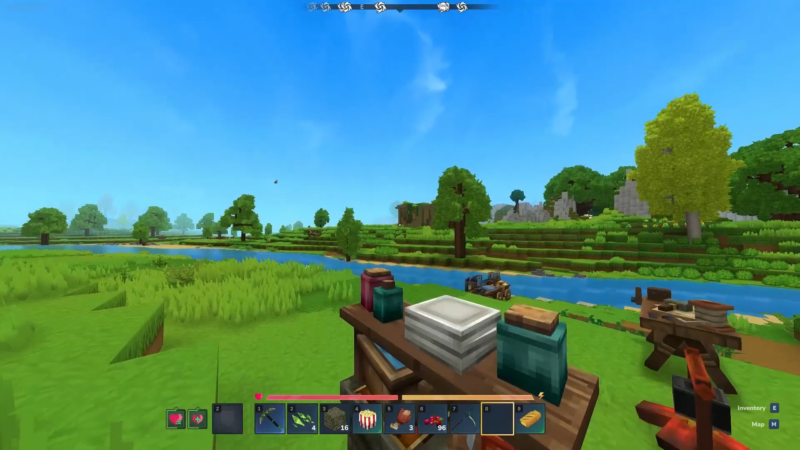
In Hytale, food isn’t just “nice to have”—it’s your primary sustain until you’ve built a steady potion supply. Basic finds like wild berries and raw meat can keep you alive for a bit, but cooked meals dramatically improve how much health you get back per inventory slot, and many dishes also grant timed buffs that make exploration and combat safer.
A key detail that changes how you plan meals: you can eat during battle, but eating takes a few seconds and can be interrupted (for example, by certain hits or movement actions). That means “panic eating” is risky—your best results come from eating before you commit to a fight or before you descend deep into a cave.
The two cooking stations you’ll actually use
Hytale’s cooking loop is easiest when you treat it like progression:
- Campfire = early, portable, roasts basics, uses fuel.
- Chef’s Stove = mid-game, base-focused, combines ingredients, unlocks many more recipes, and buff foods.
Campfire basics (early-game roasting)
The Campfire is the earliest way to cook meals. It can be crafted from your inventory or from a Workbench of any tier with:
- 4 Sticks
- 1 Rubble (any)
Once placed, the Campfire lets you cook basic meals like cooked meat or roast vegetables, and it uses Wood, Sticks, or Charcoal as fuel.
Chef’s Stove basics (your “real” cooking station)
The Chef’s Stove is the upgrade to the Campfire and is crafted at a Workbench with:
- 2 Copper Ingots
- 10 Tree Logs (any)
- 6 Stone (any)
When you place it, it unlocks a much larger variety of recipes grouped into three categories:
- Prepared
- Baked
- Ingredients
If you’re trying to decide when it’s “worth it” to craft, here’s the simple rule: the Chef’s Stove becomes worth it the moment you want buffs that last minutes rather than seconds, and when you want meals that restore 10–15% health reliably.
How food, healing, and buffs work (so you don’t waste ingredients)
Before diving into recipes, get these rules straight—this is where a lot of players accidentally waste good food.
Food restores health (and often buffs)
Food items restore health directly and can also grant buffs. Many basic food items restore at least 5% health instantly, while cooked meals often restore more and include buffs such as:
- Health Regen (temporarily increases your health regeneration rate)
- Stamina Boost (temporarily increases max stamina and stamina regeneration rate)
- Health Boost (temporarily increases maximum health)
Buff stacking rules (important)
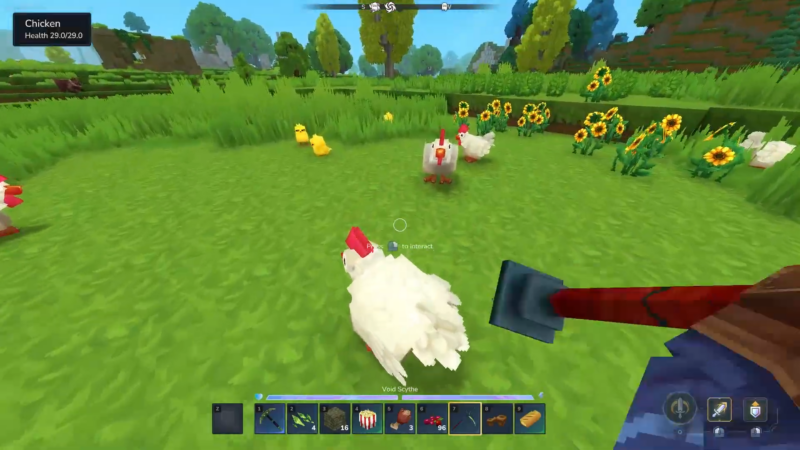
You can eat multiple foods back-to-back to keep restoring health, but the buffs won’t stack:
- If you eat another food with the same buff, the duration typically refreshes.
- If you eat a food with a stronger version, it overwrites the weaker buff.
This affects your “meal rotation.” For example, if you’ve already got Health Regen II running for 2:30, eating another Health Regen II skewer is great for refreshing. But eating a weaker buff food right after a stronger one can overwrite and reduce your effectiveness.
How to eat safely
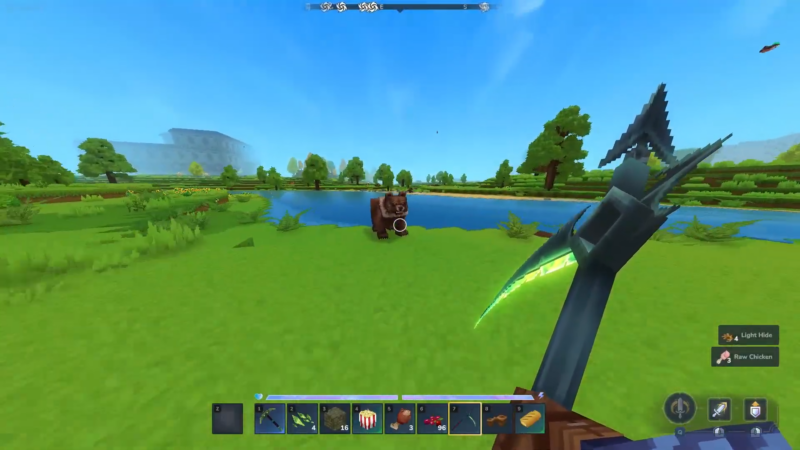
Food is consumed by selecting it on your hotbar and using the Secondary Action button. Consumption takes a few seconds, and some actions can interrupt it—so try to:
- Eat just before you enter a risky room or start a boss-like encounter.
- Create distance, break line-of-sight, or climb to a safe ledge before you eat.
- Carry a “fast, cheap” food for emergencies and a “strong buff” meal for planned fights.
How to cook meals with the Campfire (step-by-step)
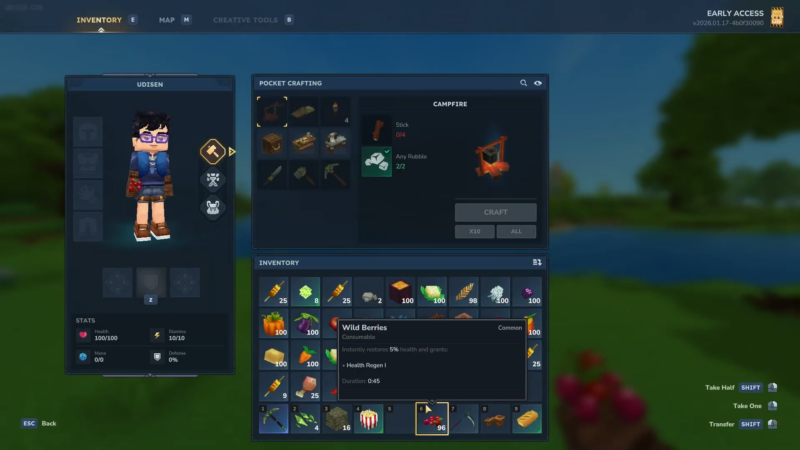
Use the Campfire to turn early ingredients into dependable healing so you can focus on tools, mining, and copper.
Step 1
Collect 4 Sticks and 1 Rubble (any), then craft the Campfire from your inventory or a Workbench.
Step 2
Place the Campfire somewhere safe (outside enemy patrol routes). If you’re traveling, place it near a temporary shelter so you can cook and store loot.
Step 3
Add fuel (Wood, Sticks, or Charcoal) to the fuel slot.
Step 4
Place a raw ingredient (like raw meat or vegetables) into the cooking input slot.
Step 5
Wait for the cook timer to finish, then move the cooked item into your inventory.
Step 6
Batch-cook before trips
Instead of cooking “as you get hungry,” cook a stack before leaving base so you don’t need to stop repeatedly in dangerous areas.
How to craft the Chef’s Stove (step-by-step)
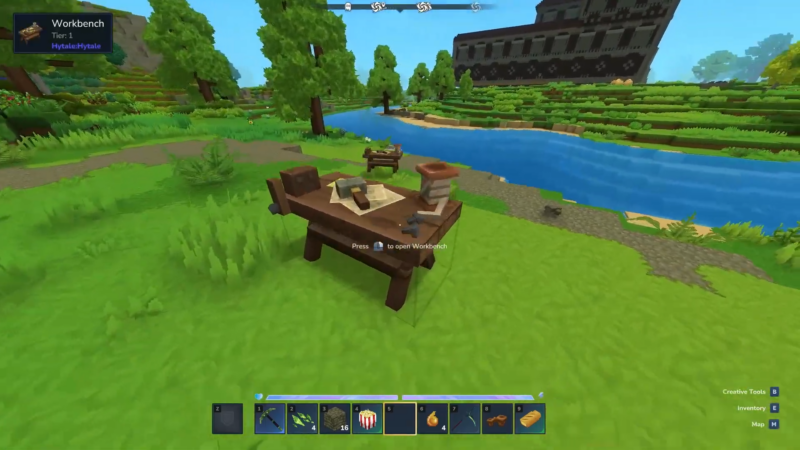
Your Chef’s Stove is what turns cooking from survival maintenance into a strategic advantage.
Step 1
Find and mine Copper ore, then smelt it into Copper Ingots using a Furnace. You need 2 Copper Ingots for the stove.
Step 2
Chop trees until you have 10 Tree Logs (any). Don’t stop at 10—extra wood supports fuel needs and future builds.
Step 3
Mine at least 6 Stone (any). Grab more if you’re already mining, because stone is used constantly for building and crafting.
Step 4
At a Workbench, craft the Chef’s Stove using 2 Copper Ingots, 10 Tree Logs, and 6 Stone.
Step 5
Place the Chef’s Stove in your base near storage.
This sounds obvious, but it’s the single biggest quality-of-life improvement: put the stove close to your ingredient chests so cooking sessions are fast and you actually do them.
How to use the Chef’s Stove efficiently (step-by-step)
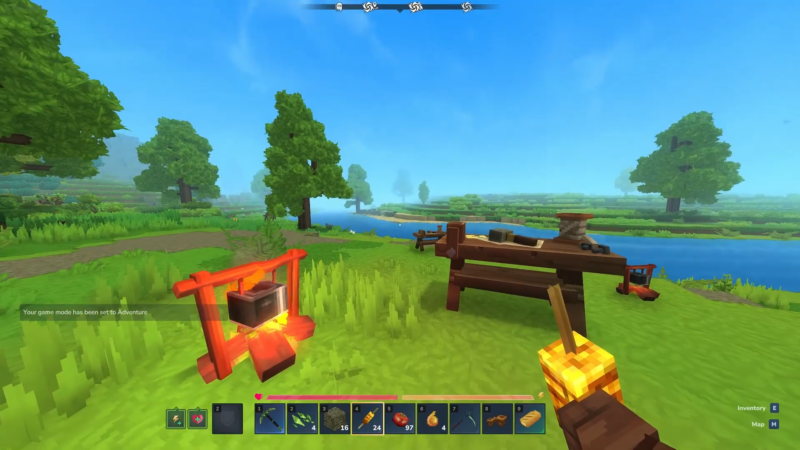
Once the stove is placed, your goal is to cook meals in batches and maintain a “buff pantry.”
Step 1
Interact with the Chef’s Stove to open the cooking interface.
Step 2
Choose what you’re cooking today
For most players, the best early pattern is:
- Cheap buff foods (skewers/salads) for everyday exploring
- One “premium” baked dish (Apple Pie / Meat Pie / Pumpkin Pie) for major trips
Step 3
Queue ingredients intelligently
Cook the foods that match what you can reliably gather. If you’ve got fruit everywhere, go fruit skewers. If you’re hunting a lot, meat skewers.
Step 4
Bring enough fuel
Several baked recipes require “Any Fuel” in set amounts. Keep a dedicated fuel chest (wood/sticks/charcoal) next to the stove so you don’t have to pull from building supplies.
Step 5
Restock, then cook in one session
Farming and hunting in short trips, then cooking in one longer session, prevents half-finished recipe planning and reduces inventory clutter.
The best early-game foods: skewers and salads
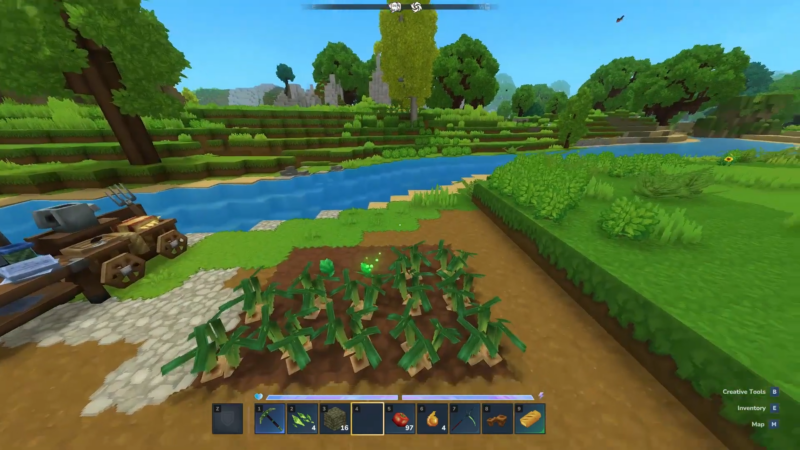
Skewers and salads are consistently described as the cheapest cooked meals and some of the best early-game food options until you get consistent access to Apple Pie ingredients.
Most skewers and salads restore 10% health and grant:
- Health Regen II
- Stamina Boost II
With an effect duration of about 2 minutes and 30 seconds.
Prepared recipes table (high value early)
These are the staple Prepared recipes you can plan around right away.
| Prepared recipe | Ingredients | Instant heal | Buffs | Buff duration | Unlock |
|---|---|---|---|---|---|
| Mushroom Skewer | Stick x1, Any Mushroom x3 | Restores 10% health | Health Regen II, Stamina Boost II | 2 minutes 30 seconds | Unlocked automatically |
| Fruit Skewer | Stick x1, Any Fruit x4 | Restores 10% health | Health Regen II, Stamina Boost II | 2 minutes 30 seconds | Unlocked automatically |
| Meat Skewer | Stick x1, Any Raw Meat x4 | Restores 10% health | Health Regen II, Stamina Boost II | 2 minutes 30 seconds | Unlocked automatically |
| Vegetable Skewer | Stick x1, Any Vegetable x4 | Restores 10% health | Health Regen II, Stamina Boost II | 2 minutes 30 seconds | Unlocked automatically |
| Mushroom Salad | Lettuce x1, Any Mushroom x3 | Restores 10% health | Health Regen II, Stamina Boost II | 2 minutes 30 seconds | Unlocked automatically |
| Berry Salad | Lettuce x1, Wild Berries x5 | Restores 10% health | Health Regen II, Stamina Boost II | 2 minutes 30 seconds | Unlocked automatically |
| Caesar Salad | Lettuce x1, Cheese x1, Any Raw Meat x1, Salt x1, Spices x1 | Restores 15% health | Health Regen III, Stamina Boost III | 6 minutes | Purchase recipe from Rootling Trader |
If you want one “best value” craft to spam early: pick the skewer type that matches the ingredient you can gather fastest, because they share the same heal and buff profile.
Baked recipes: the big leap in long-duration buffs
Baked recipes are where your long-run prep gets serious. Many of them restore 15% health and can provide stronger buffs that last around 6 minutes, which is long enough for a full cave segment or a multi-stage fight.
Baked recipes table
| Baked recipe | Ingredients | Instant heal | Buffs | Buff duration | Unlock |
|---|---|---|---|---|---|
| Bread | Dough x1, Any Fuel x3 | Restores 15% health | None listed | N/A | Unlocked automatically |
| Popcorn | Corn x2, Salt x1, Any Fuel x2 | Restores 15% health | None listed | N/A | Unlocked automatically |
| Apple Pie | Dough x1, Apple x3, Spices x1, Any Fuel x3 | Restores 15% health | Health Regen III, Stamina Boost III | 6 minutes | Purchase recipe from Rootling Trader |
| Pumpkin Pie | Dough x1, Pumpkin x1, Spices x1, Any Fuel x3 | Restores 15% health | Health Regen III, Stamina Boost III | 6 minutes | Purchase recipe from Rootling Trader |
| Meat Pie | Dough x1, Any Raw Meat x3, Spices x1, Salt x1, Any Fuel x3 | Restores 15% health | Health Regen III, Stamina Boost III | 6 minutes | Purchase recipe from Rootling Trader |
Practical takeaway: once you can buy Apple Pie (and you can source apples reliably), it becomes one of the best “pre-exploration” foods because it combines solid healing with long buffs.
Ingredient recipes: crafting the components that unlock everything
A lot of players get stuck because they chase pies but don’t build the ingredient pipeline. Ingredient recipes are how you turn raw farm loot into “baked-ready” components.
Ingredient recipe table (core components)
| Ingredient recipe | Ingredients | Notes | Unlock |
|---|---|---|---|
| Cheese | Any Milk Bucket x1 | Used in advanced meals like Caesar Salad | Unlocked automatically |
| Dough | Flour x1, Egg x2, Wooden Bucket (Water) x1 | Base for bread and pies | Unlocked automatically |
| Flour | Wheat x10 | Foundation for dough | Unlocked automatically |
| Salt Block | Salt x5 | Bulk salt crafting | Unlocked automatically |
| Spices | Any Vegetable x1, Any Flower x5 | Key for pies and advanced foods | Unlocked automatically |
If you’re planning a cooking-first playstyle, your early farming targets should include wheat (for flour), plus a reliable source of eggs and water access for dough.
How to build a “buff pantry” that keeps you alive
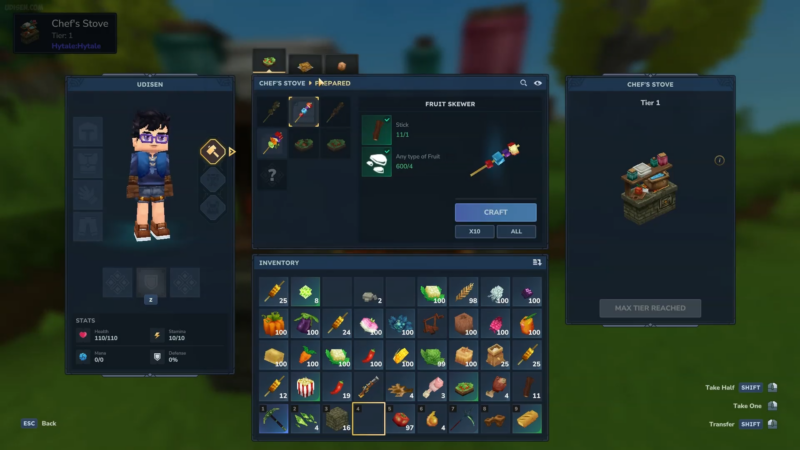
A good cooking setup isn’t about knowing every recipe—it’s about having the right foods on hand for the right situation.
Keep three tiers of food on you
- Tier 1: Cheap healing (basic cooked meat/roast vegetables) for light travel.
- Tier 2: Everyday buffs (skewers/salads) for caves and regular combat.
- Tier 3: Long buffs (pies) for deep exploration, boss attempts, or long-distance travel.
A simple loadout that works
If your inventory allows, carry something like:
- 6–10 skewers or salads (your refreshable buff food)
- 2–4 pies for “serious” moments
- A few basic cooked items as filler healing if you don’t want to waste buff foods on small damage
Timing: when to eat for maximum value
- Eat a long-duration pie right before you start a long segment (entering a cave system, starting a big quest run).
- Use skewers/salads to refresh buffs when the timer is low or when you take repeated chip damage.
- Don’t eat a weaker buff food after a stronger one unless you’re okay overwriting.
Campfire vs Chef’s Stove: when to use each (real-world decision rules)
It’s tempting to abandon the Campfire completely once you craft the stove, but both still have a place.
Use the Campfire when:
- You’re traveling and need a quick cook station.
- You only have single ingredients and just need basic healing.
- You don’t want to spend your “combo ingredients” yet.
Use the Chef’s Stove when:
- You’re preparing for anything risky or long.
- You have ingredients that can be combined into buffs.
- You want to cook in bulk and store meals for later.
In short: campfire keeps you alive today; the Chef’s Stove makes you strong tomorrow.
How to troubleshoot common cooking problems
“I don’t have enough fuel”
Prioritize building a fuel chest next to your stove, and stock it with wood/sticks/charcoal. Many baked recipes explicitly consume “Any Fuel” in specific quantities, so it’s easy to underestimate.
“My buffs keep changing or disappearing”
That’s the non-stacking rule in action. Decide which buff tier you want running (II from skewers/salads or III from pies/advanced dishes) and avoid eating weaker buff foods right after stronger ones.
“I can’t make pies yet”
Pies require dough and spices, which require flour (wheat), eggs, water, and flowers/vegetables. If pies are your goal, your bottleneck usually isn’t the stove—it’s the ingredient pipeline.
Hytale cooking: turning food into a progression advantage
If you want the simplest path to stronger survival, start by roasting basics on a Campfire, then rush the Chef’s Stove so you can mass-produce skewers and salads for Health Regen II and Stamina Boost II. Once you can craft dough and spices consistently, pies become your long-duration “before the expedition” food that can carry you through deep caves and tough fights.