- What to know
- Arknights Endfield Planting Unit details
- How the Automated Industry Complex fits in
- What the Planting Unit actually does in Arknights Endfield
- Unlocking the Planting Unit in Arknights Endfield
- How Planting Units work step by step
- How the Planting Unit connects to other AIC buildings
- Why the Planting Unit matters long-term
- Efficiency tips for Planting Units
- Common problems and how to fix them
- Advanced and future integration
- Why the Planting Unit is worth mastering
What to know
- The Planting Unit is an Automated Industry Complex building that grows crops without manual farming
- It converts seeds into harvestable plants on a timed production cycle
- Power, placement, and logistics directly affect its efficiency
- It feeds into consumables, crafting materials, and advanced processing chains
The Planting Unit is one of the most misunderstood yet essential buildings in Arknights Endfield. At first glance, it looks like a simple farming structure. In practice, it’s a core automation node that supports healing items, buffs, food, and other plant-derived materials used throughout exploration and progression.
If you plan to scale your base beyond basic mining and refining, understanding how the Planting Unit works — and how it fits into the Automated Industry Complex (AIC) — becomes mandatory rather than optional.
Arknights Endfield Planting Unit details
| Category | Details |
|---|---|
| System | Automated Industry Complex (AIC) |
| Building type | Processing / Production |
| Primary role | Automated crop growth |
| Input | Seeds |
| Output | Harvestable plants |
| Requirements | Power, AIC Plan unlock, space |
| Best use | Consumables, crafting chains |
How the Automated Industry Complex fits in
The AIC is not a side feature in Arknights: Endfield. It is a long-term progression system that replaces manual gathering with scalable automation. Every production building exists to reduce downtime between exploration runs.
The Planting Unit fills a specific gap in this ecosystem: renewable biological resources. Unlike ores or scrap, plants support consumables and chemical-style processing, making them critical as content difficulty ramps up.
What the Planting Unit actually does in Arknights Endfield
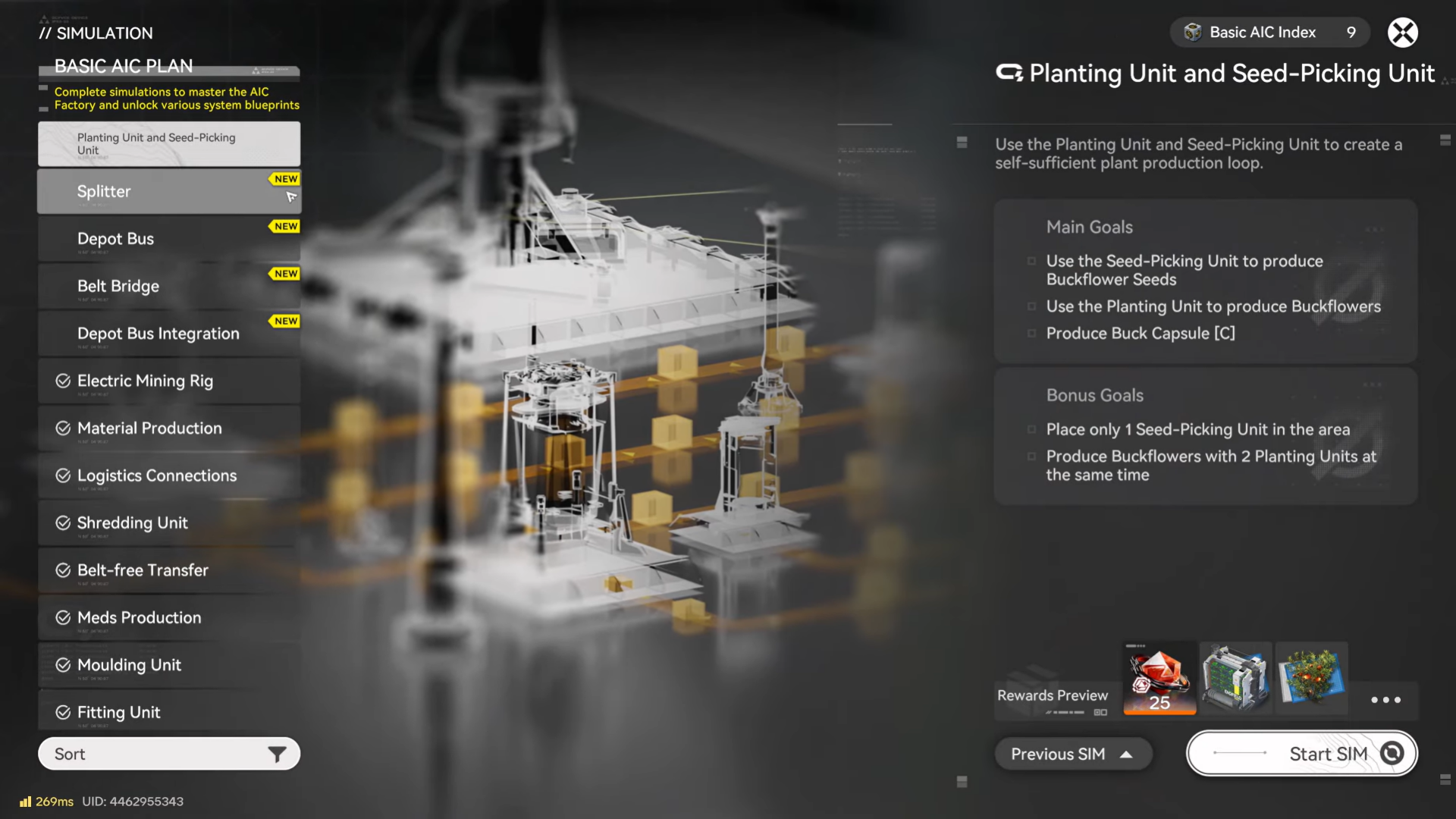
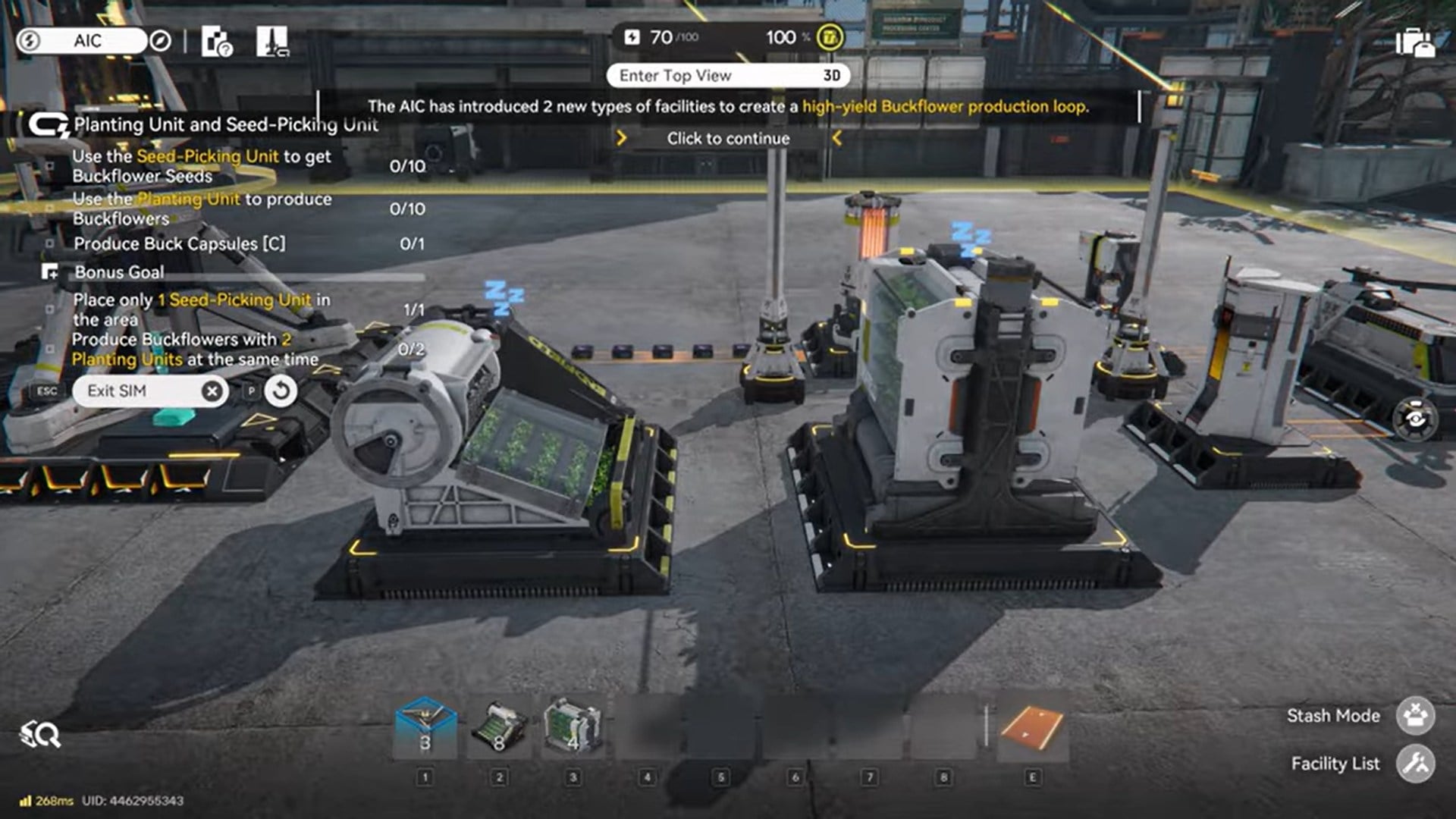
The Planting Unit is a processing facility dedicated to growing plants from seeds. Once operational, it handles the full farming loop automatically:
- Accepts seeds as input
- Runs a timed growth cycle
- Outputs mature plants for storage or further processing
There is no manual planting, watering, or harvesting once the unit is supplied and powered. This hands-off nature is what makes it valuable in mid-to-late game factory layouts.
Unlocking the Planting Unit in Arknights Endfield
You unlock the Planting Unit through the AIC Plan, the factory research tree that governs all industrial buildings.
Unlock requirements
- Progress far enough in exploration to access Tier II AIC plans
- Spend Plan Points on the Planting category
- Meet any prerequisite nodes tied to base expansion
Once unlocked, the Planting Unit becomes available in the build menu alongside other processing structures.
Placement, size, and power needs
The Planting Unit is not a small structure. It typically occupies a large footprint compared to early-game machines, which has several implications:
- You need sufficient flat space in your base
- You must plan belt and depot access before placing it
- It requires a stable power connection
If power drops or connections break, the unit halts production entirely. This makes grid planning just as important as seed supply.
How Planting Units work step by step
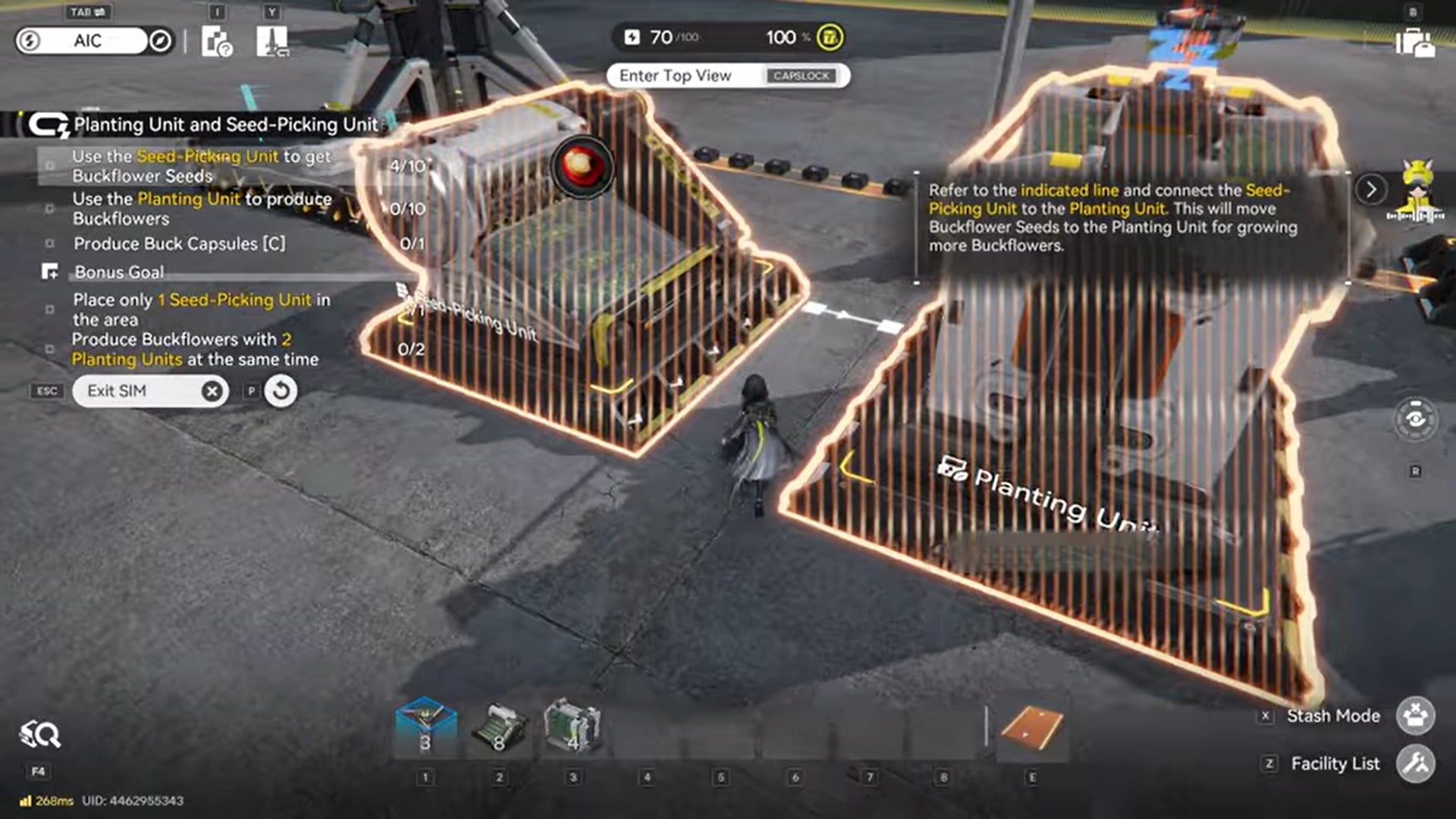
Step 1: Supplying seeds
Planting Units do not generate seeds themselves. Seeds come from:
- Exploration and environmental harvesting
- Dedicated seed-collection facilities
Without seeds, the Planting Unit sits idle even if powered.
Step 2: Growth cycle begins
Once seeds are delivered:
- The unit starts an automated growth timer
- No player input is required during this phase
- Growth time varies depending on seed type and progression tier
This mirrors other AIC processes: input goes in, processing happens automatically, output comes out.
Step 3: Harvest output
After the cycle completes:
- Fully grown plants are produced
- Output is sent to connected depots or belts
- The unit immediately starts the next cycle if seeds remain
At scale, this creates a continuous plant supply with zero micromanagement.
How the Planting Unit connects to other AIC buildings
The Planting Unit is never meant to operate alone. Its real value shows when integrated into larger production lines.
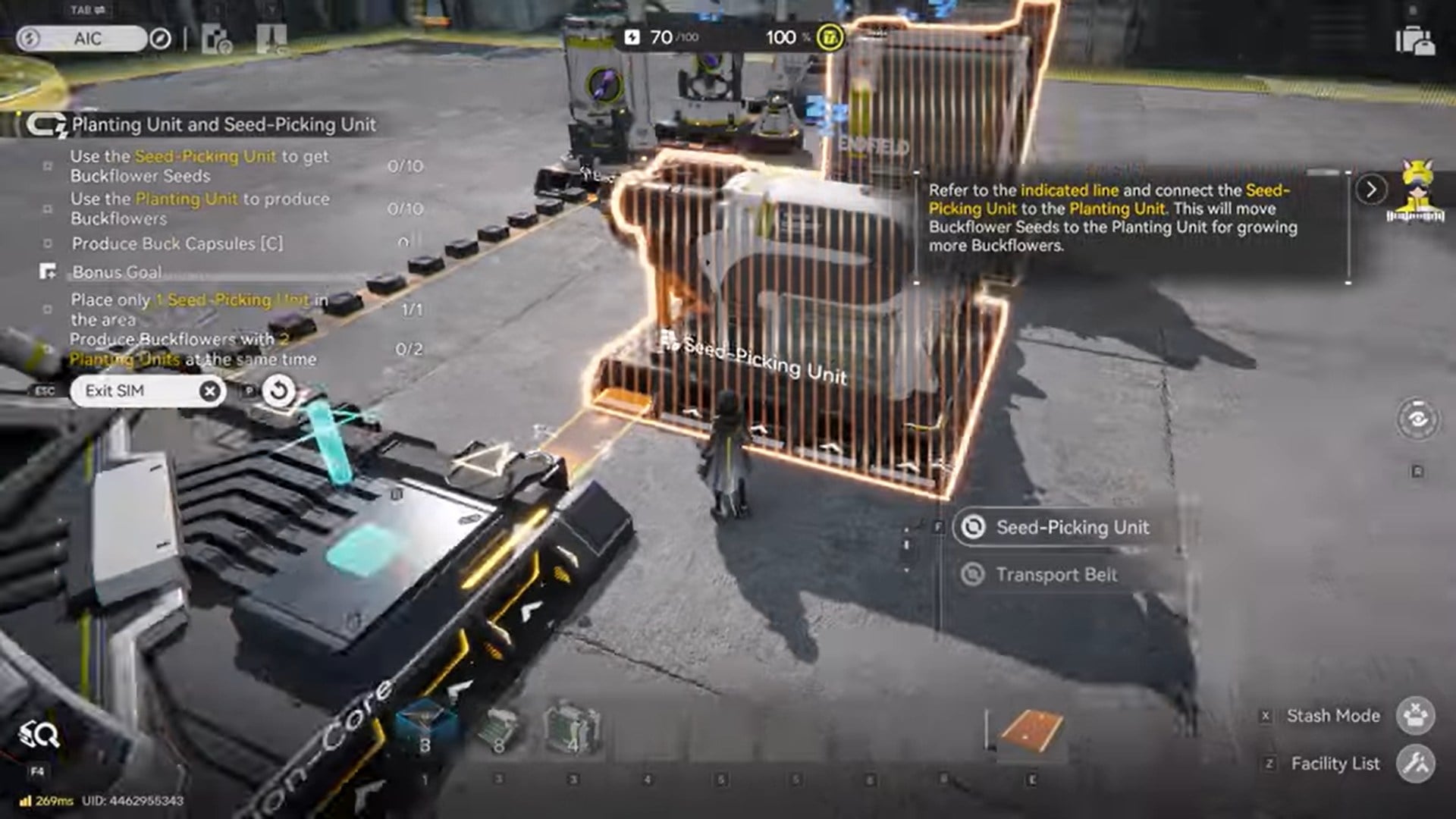
Seed-Picking Units
Seed-Picking Units collect seeds from wild plants and act as the upstream supplier for Planting Units. A balanced setup usually pairs multiple seed collectors with fewer planting facilities.
Logistics and depots
Belts and depots handle:
- Seed delivery into the Planting Unit
- Harvest transport out of it
Short, efficient logistics routes prevent backups and idle time.
Downstream processing
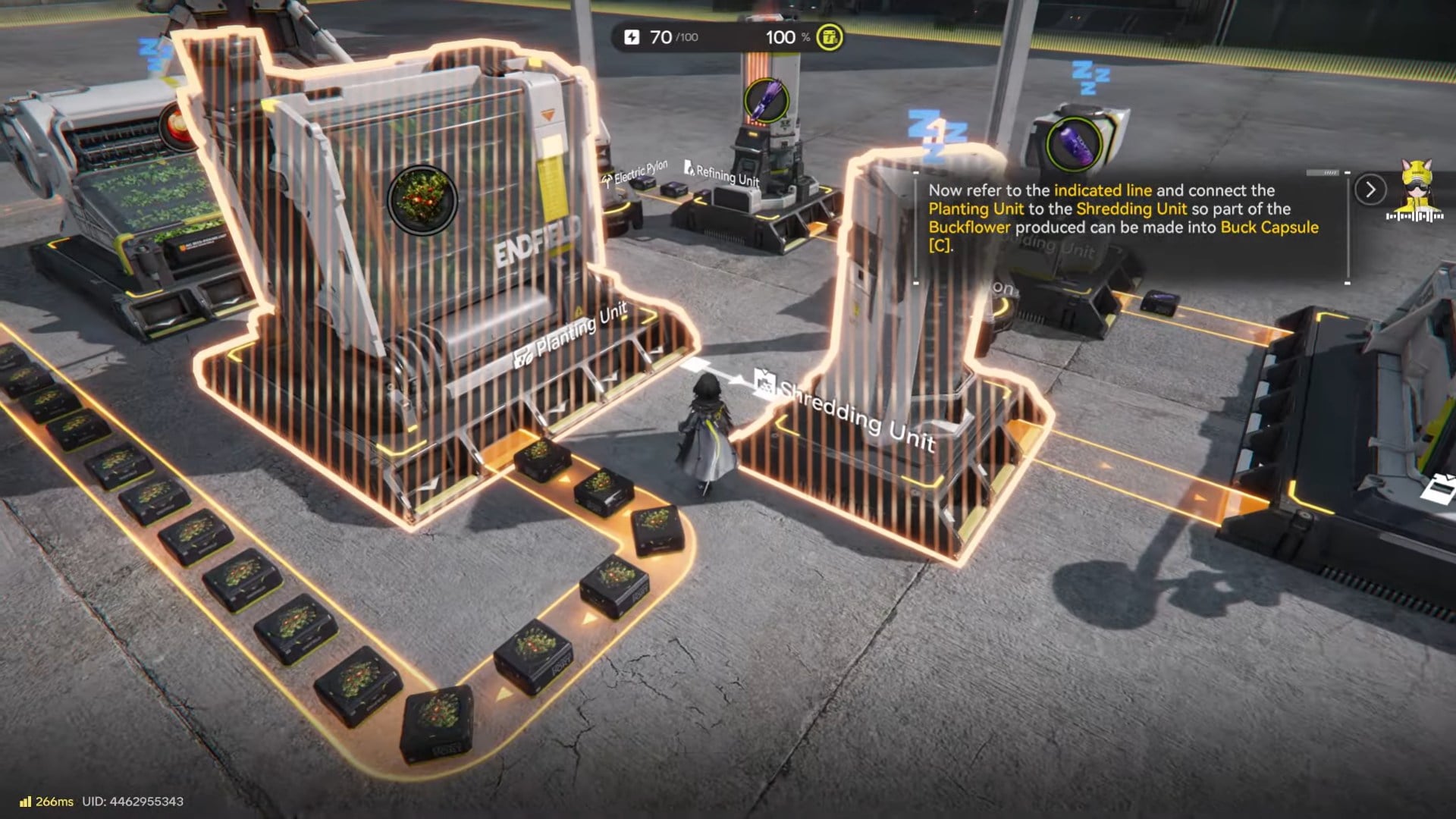
Most plants are not final products. Common next steps include:
- Shredding into fibers or pulp
- Refining into extracts or powders
- Combining with other materials for consumables
Smart layouts place Planting Units close to their downstream processors to minimize travel distance.
Why the Planting Unit matters long-term
#1 Consumable production
Plants often serve as ingredients for:
- Healing items
- Buff foods
- Utility consumables used during exploration
As enemy damage increases, reliable consumable production becomes a survival tool rather than a luxury.
#2 Renewable automation
Unlike finite mining nodes, plants represent a renewable loop. Once your seed and power supply are stable, the Planting Unit provides indefinite output.
#3 Reduced downtime
Automated plant production means:
- Fewer manual gathering trips
- More time spent exploring or progressing the story
- A smoother gameplay loop overall
This is especially noticeable once multiple regions are unlocked.
Efficiency tips for Planting Units
#1 Plan power first
Before placing multiple Planting Units:
- Expand your power grid
- Add redundancy where possible
A single power failure can stall an entire consumable pipeline.
#2 Centralize logistics
Cluster Planting Units near:
- Depots
- Processing hubs
This reduces belt congestion and improves overall throughput.
#3 Scale gradually
It’s tempting to overbuild early, but Planting Units shine when:
- Seed supply matches output capacity
- Downstream processing can keep up
Build one, stabilize it, then expand.
#4 Match output to demand
If you only need plants for one consumable chain, one or two units may be enough. Overproduction wastes space and power.
Common problems and how to fix them
#1 Planting Unit not producing
Causes:
- No seeds
- No power
- Blocked output
Fix:
- Check seed supply lines
- Verify power connections
- Clear depot or belt congestion
#2 Harvests backing up
Causes:
- Downstream machines too slow
- Storage full
Fix:
- Add depots
- Upgrade processing speed
- Split output across multiple lines
#3 Low overall efficiency
Causes:
- Poor layout
- Long logistics routes
Fix:
- Rebuild with shorter connections
- Group related machines together
Advanced and future integration
As you progress deeper into the AIC Plan, additional mechanics may enhance Planting Units, such as:
- Fluid integration for advanced crops
- Improved growth efficiency
- Specialized plant processing chains
These upgrades turn basic farming into a high-value industrial loop, especially for late-game consumables.
Why the Planting Unit is worth mastering
The Planting Unit is more than a farming building. It’s a foundational piece of Arknights: Endfield’s automation philosophy. By converting seeds into a steady stream of plant materials, it supports consumables, crafting, and long-term sustainability across all regions.
When powered correctly and integrated into the AIC ecosystem, Planting Units reduce grind, stabilize resource flow, and let you focus on what actually matters — exploration, combat, and progression.