- What to Know
- Unlocking and Building the Fitting Unit
- Where the Fitting Unit Sits in the Production Chain
- Understanding Fitting unit recipes
- Placement, power, and layout principles
- Automation tips for Fitting units in Arknights
- Common problems and how to fix them
- Best practices for long-term efficiency
- Practical example: Amethyst parts workflow
- How many Fitting units do you need?
- When to prioritize unlocking more Fitting units
- Advanced Layout Concept (High Throughput)
- Arknights Endfield Fitting Unit FAQs
- Why the Fitting unit is so important
What to Know
- The Fitting Unit converts processed materials into usable Parts that are required for gear, tools, and higher-tier crafting.
- It is part of the AIC (Automated Industry Complex) — your base’s automated factory network that runs while you explore.
- You must unlock “Parts Fitting” in the AIC Plan before you can build and place Fitting Units.
- Its efficiency depends on upstream and downstream balance — Refining/Moulding feed it, Assemblers consume its output.
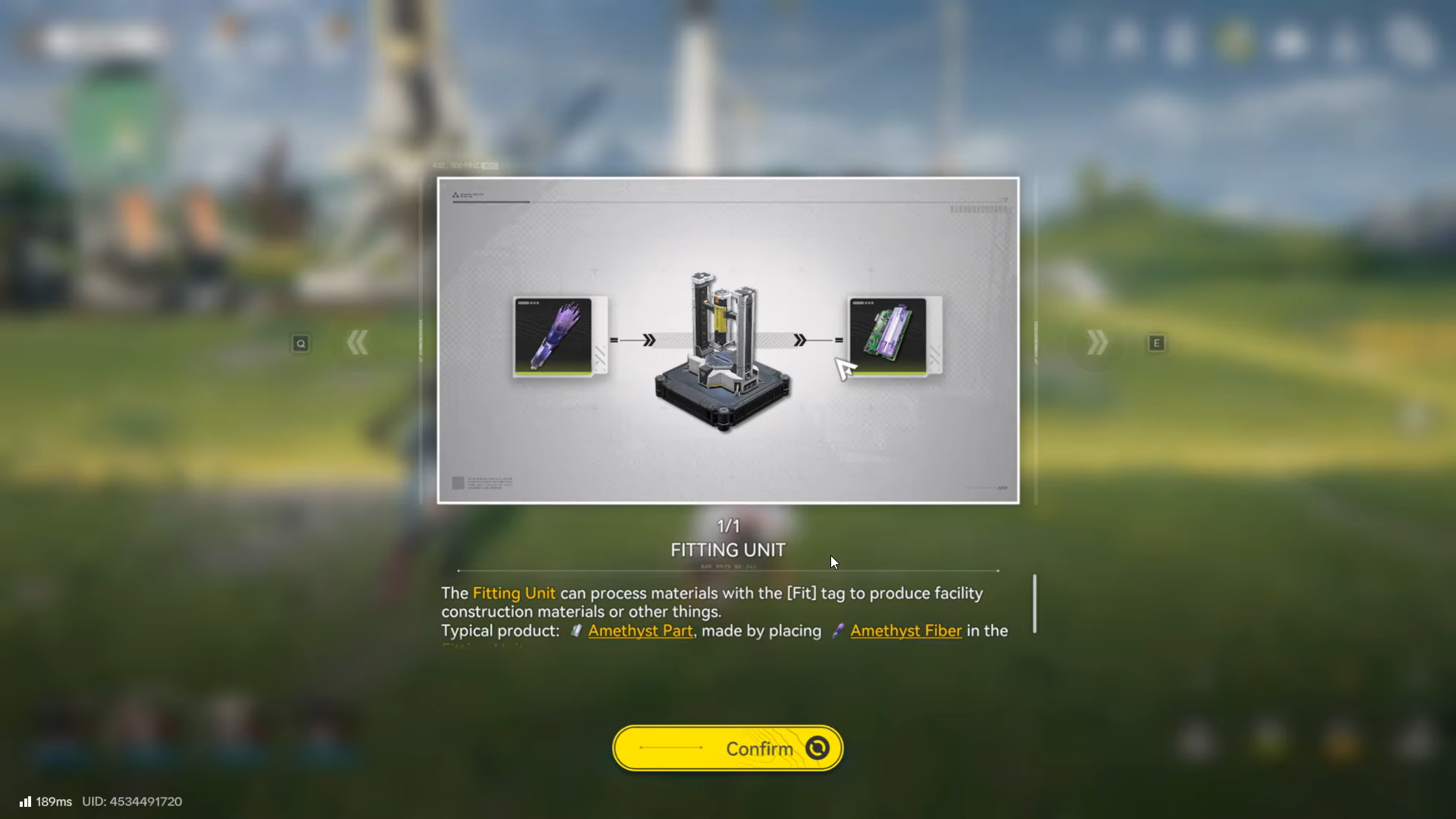
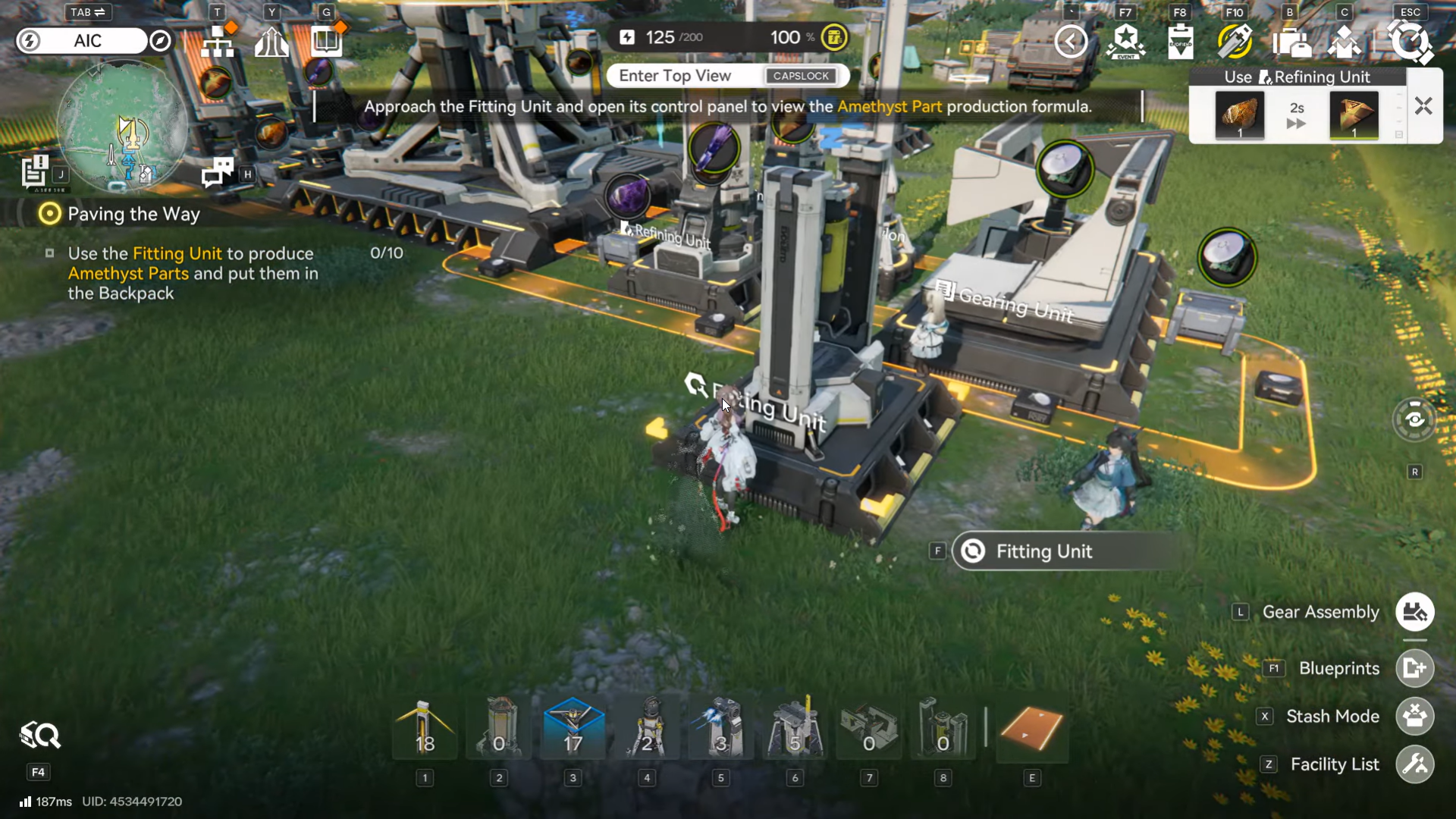
In Arknights Endfield, the Fitting Unit is a mid-stage industrial processor inside the Automated Industry Complex. Its job is very specific: it takes materials that have already been refined or moulded and turns them into standardized Parts.
These Parts are not optional side materials. They are core ingredients in many equipment and crafting recipes. If you skip Fitting Units, you quickly hit a wall where you have refined resources but nothing that recipes actually accept.
Think of the factory chain like this:
Refining makes usable material → Moulding shapes it → Fitting turns it into Parts → Assembling turns Parts into gear.
The Fitting Unit is the bridge between “processed material” and “craftable component.”
Unlocking and Building the Fitting Unit
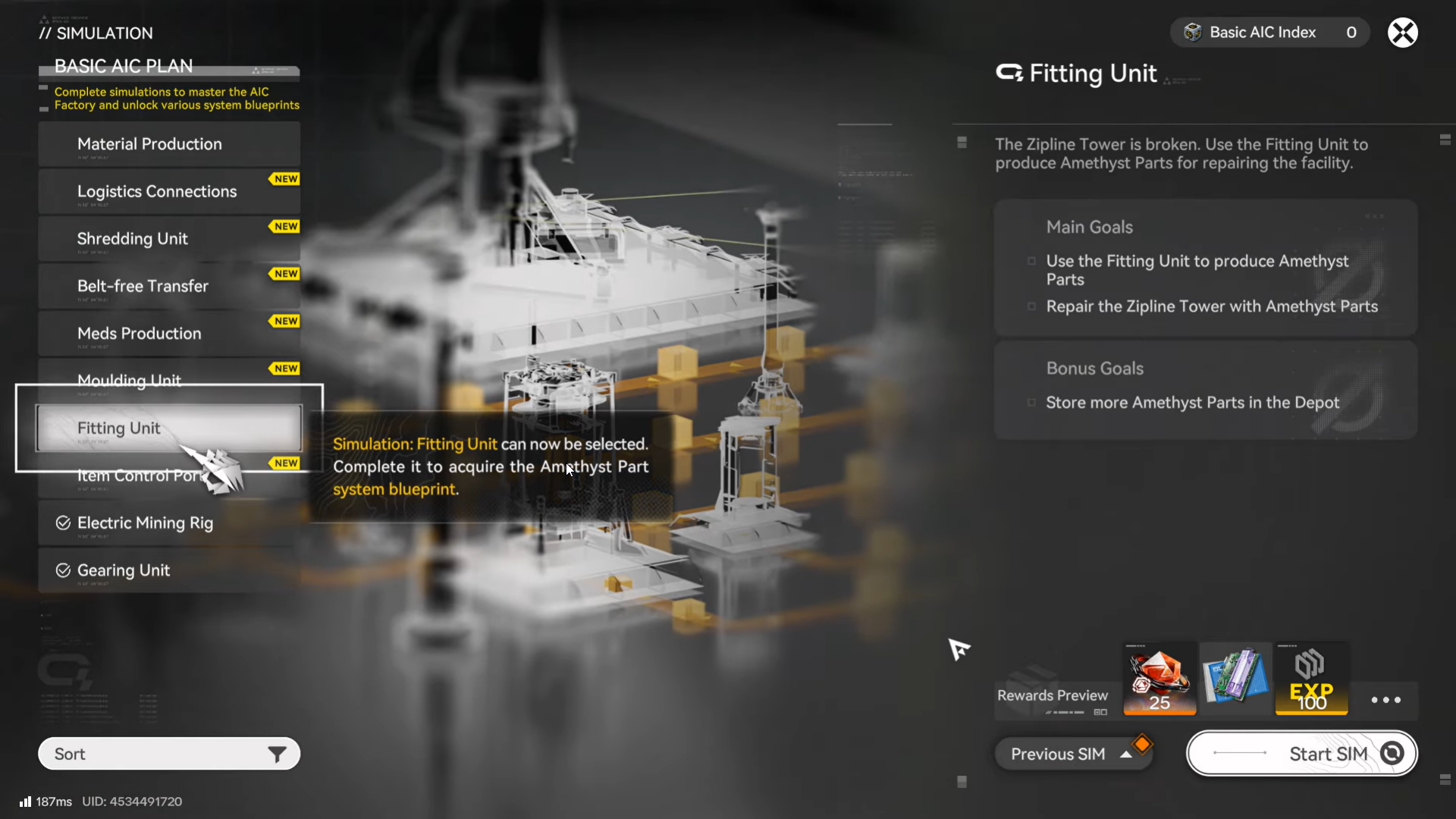
You don’t start the game with access to this facility. The Fitting Unit is unlocked through the AIC Plan, which is the factory research tree.
Step 1: Unlock “Parts Fitting”
Inside the AIC Plan, you’ll find a node called Parts Fitting. Researching this node enables you to construct Fitting Units in your base.
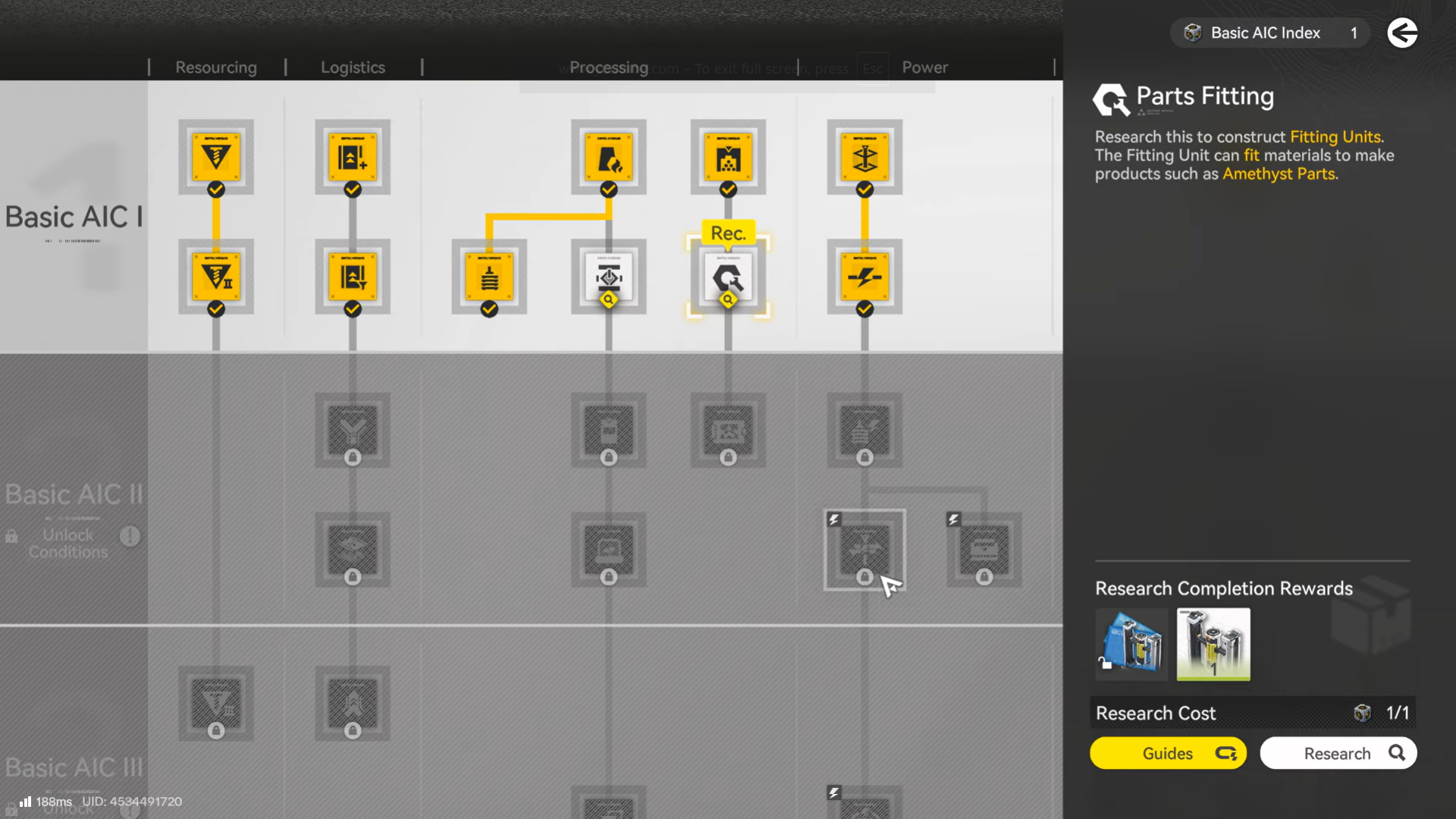
Once unlocked, open your AIC construction menu and place the Fitting Unit like any other facility.
Step 3: Provide Power and Belt Access
The unit requires:
- Constant power from your AIC grid
- Conveyor belt input and output for proper automation
Without belts, you can use it manually, but that defeats the purpose of the AIC.
Where the Fitting Unit Sits in the Production Chain
To understand why this unit matters, you need to visualize the full production pipeline.
Raw Resource → Refining → Moulding/Shaping → Fitting → Assembling → Final Product
Here’s what that means in practice.
- You mine ore or gather raw material.
- A Refining Unit turns that into something usable.
- A Moulding Unit shapes that into a form that can be processed further.
- The Fitting Unit converts that shaped material into standardized Parts.
- Assemblers or Gearing Units use those Parts to craft equipment, capsules, tools, and other advanced items.
The Fitting Unit is never the first step and never the last step. It is always the middle conversion stage that enables the final step.
Understanding Fitting unit recipes
Each Part you craft requires a specific moulded or refined input.
Examples of common outputs include:
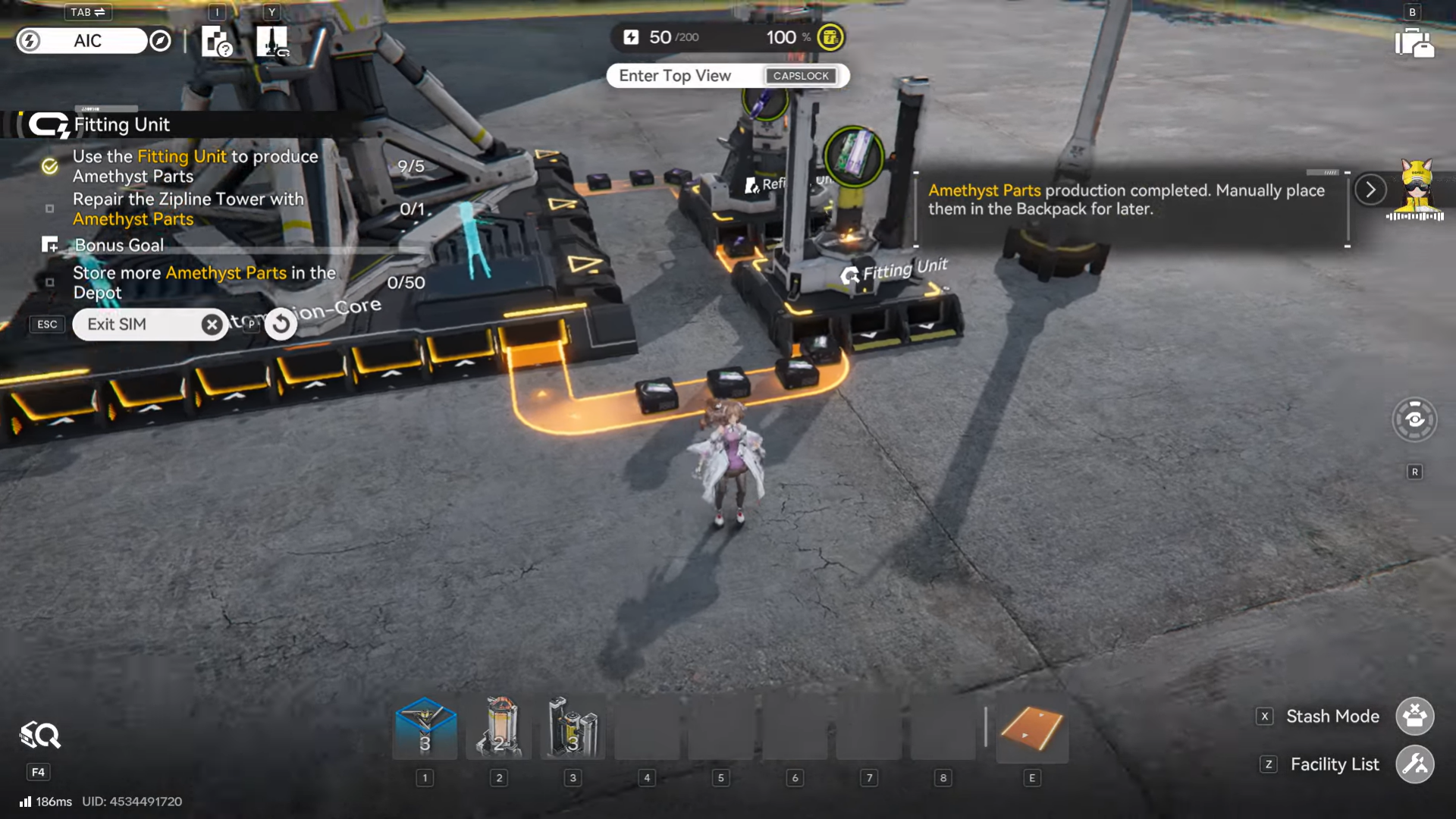
- Amethyst Parts
- Ferrium Parts
- Crystal-type Parts
- Textile or composite Parts depending on material type
The exact recipes are visible in the Fitting Unit’s crafting menu once it is placed. What matters conceptually is this:
Fitting Units never consume raw ore. They only consume processed intermediates.
If you try to feed it raw resources, nothing happens. This is the most common beginner confusion.
Placement, power, and layout principles
A poorly placed Fitting Unit creates belt spaghetti and power issues. A well-placed one becomes part of a clean production line.
Power Considerations
Fitting Units run continuously when active. If your power grid is weak, they shut down or cause brownouts in other machines.
Always ensure:
- Relay Towers or power sources are nearby
- Your grid has spare capacity before adding multiple units
Belt Layout Principles
The ideal layout is linear:
Refining → Moulding → Fitting → Assembler
Placing them in a row minimizes belt turns and congestion.
Space Requirements
Fitting Units occupy a square footprint (commonly 3×3). Leave space on at least one side for belt input and another for output.
Automation tips for Fitting units in Arknights
The Fitting Unit is where factory efficiency becomes noticeable. Here’s how to make it run perfectly.
Match Throughput
If your Moulding Unit produces one item every 10 seconds, and your Fitting Unit consumes one every 3 seconds, the Fitting Unit will sit idle most of the time.
You either:
- Add more Moulding Units, or
- Reduce the number of Fitting Units
Balance is everything.
Use Buffers
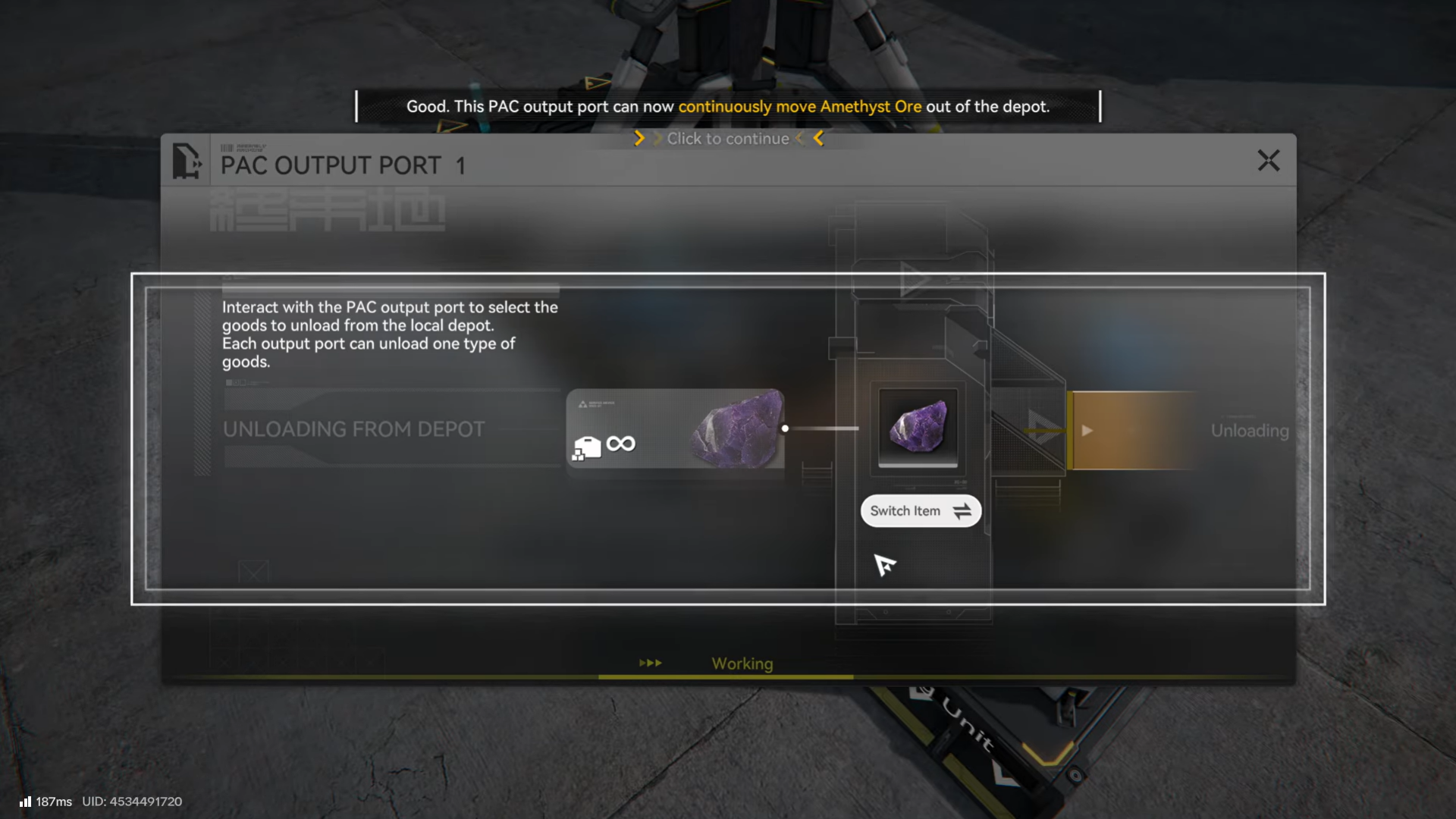
Placing a small storage unit between Moulding and Fitting smooths out production gaps and prevents belt starvation.
Use Splitters for Scale
When production increases, use belt splitters to feed multiple Fitting Units from one upstream line.
Common problems and how to fix them
Idle Fitting Unit
Cause: Not enough upstream supply.
Fix: Add more Refining or Moulding capacity.
Belt Backlog
Cause: Assemblers are too slow to consume Parts.
Fix: Add more Assemblers or improve downstream production speed.
Power Shortages
Cause: Too many machines drawing power at once.
Fix: Expand your grid with more power infrastructure before scaling production.
Confusing Inputs
Cause: Trying to feed raw materials directly.
Fix: Always check that the input has gone through Refining and Moulding first.
Best practices for long-term efficiency
Scale Slowly
Don’t spam Fitting Units. One well-fed unit is better than four starving ones.
Upgrade Upstream First
Improving Refining and Moulding speed increases overall output more than adding extra Fitting Units.
Keep It Linear
Avoid complex belt networks. The simpler the chain, the fewer things that can go wrong.
Build for the Item You Need
Don’t mass-produce random Parts. Set up lines specifically for the gear or item you’re currently crafting.
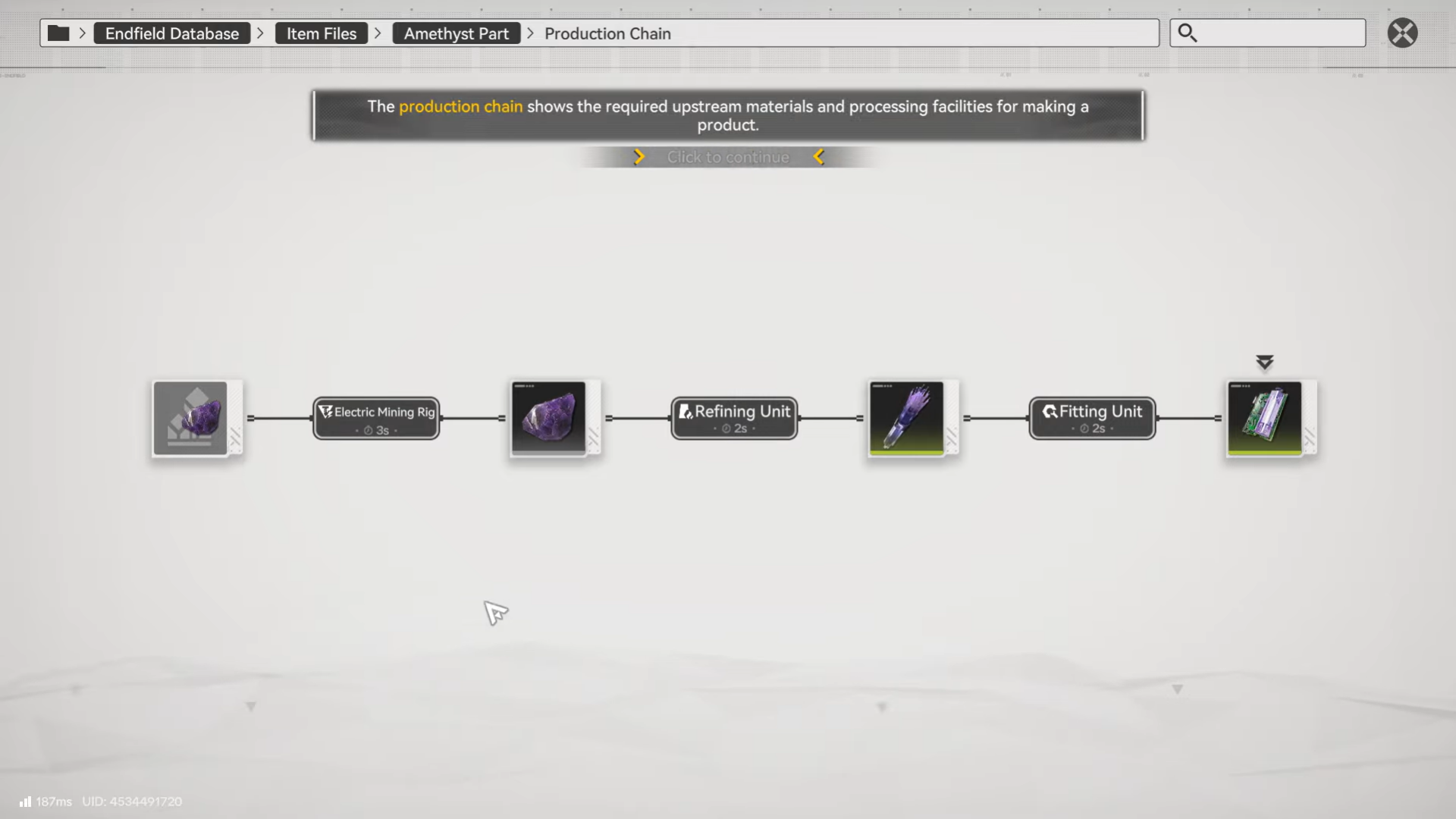
Practical example: Amethyst parts workflow
This is a common real use case.
- Mine crystal ore from the field.
- Refining Unit converts ore into refined crystal material.
- Moulding Unit shapes the refined crystal into a mouldable intermediate (such as a bottle or block form).
- Fitting Unit converts that intermediate into Amethyst Parts.
- Assembler uses Amethyst Parts with other materials to craft equipment or capsules.
This shows the Fitting Unit’s exact role: it turns something that still isn’t usable into something that recipes finally accept.
How many Fitting units do you need?
This depends entirely on:
- Upstream production speed
- Downstream consumption rate
- Your current crafting goals
A good rule:
One Fitting Unit per active Moulding line is usually optimal.
If you build more, they wait idle. If you build fewer, Parts become the bottleneck.
When to prioritize unlocking more Fitting units
You should unlock Parts Fitting as soon as you start needing equipment upgrades.
This usually happens when:
- Combat difficulty increases
- Gear recipes begin requiring Parts
- You notice refined materials piling up with no use
That’s the game telling you it’s time for Fitting Units.
Advanced Layout Concept (High Throughput)
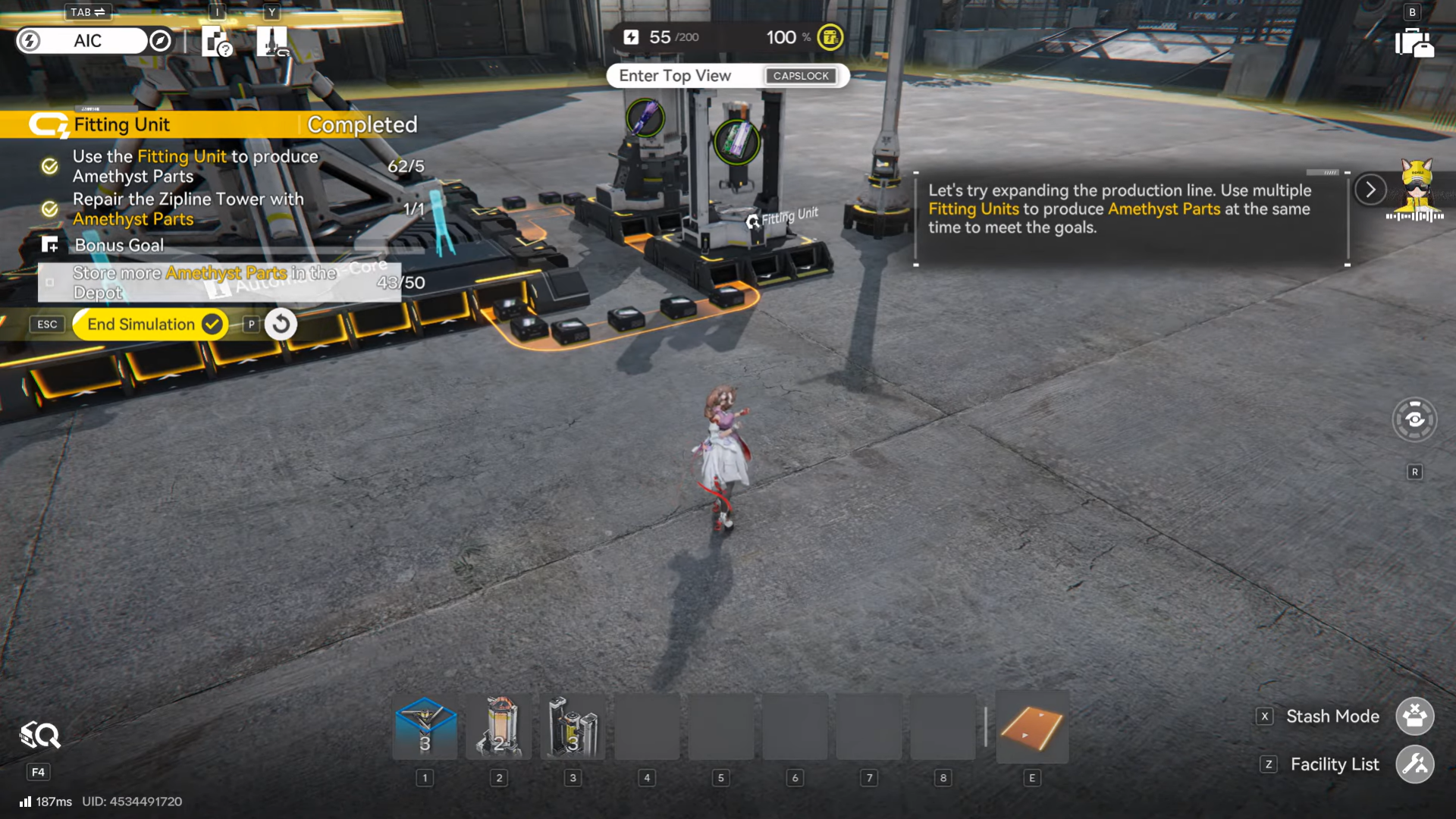
For high demand items:
- Two Moulding Units feed into a belt splitter
- Splitter feeds two Fitting Units
- Outputs merge into one belt toward multiple Assemblers
This keeps Parts flowing continuously without starvation.
Arknights Endfield Fitting Unit FAQs
Yes, but it becomes manual and inefficient. Automation is the entire point.
Not directly. Indirectly, they enable better gear, which makes Operators stronger.
Yes. Like most AIC structures, they can be repositioned if your factory layout changes.
Only if you know you’ll need them. Otherwise, produce on demand to save space and power.
Why the Fitting unit is so important
Many players underestimate this facility because it doesn’t look flashy. But it is one of the most important links in the industrial chain.
Without it:
- Refined materials have no practical use
- Gear crafting stalls
- Progression slows dramatically
With it properly integrated:
- Your AIC runs like a true factory
- Parts flow automatically to Assemblers
- You spend less time micromanaging and more time exploring
The Fitting Unit is where your factory stops being a collection of machines and starts becoming a production line.
The Fitting Unit is the conversion point between processed materials and craftable components. Unlock it early, place it intelligently, feed it consistently, and balance it with the rest of your production chain.
When set up correctly in a clean Refining → Moulding → Fitting → Assembling line, it becomes one of the most reliable and essential machines in your entire base.
Master this unit, and the rest of the AIC starts making a lot more sense.