
- What to know
- Sallow Tree locations in Hytale: Where to find them
- How to identify a Sallow Tree visually
- Avoiding confusion with mushroom-capped trees
- How to reach Sallow Tree biomes safely
- How to harvest Sallow Logs efficiently
- What Sallow Logs are used for
- Best farming tips for Sallow Trees
- Why Sallow Trees matter in Hytale
What to know
- Sallow Logs are a variant of Goldenwood Trunk used for late-game crafting upgrades
- They are obtained by harvesting Sallow Trees with yellowish leaves
- These trees spawn mainly in volcanic and burning biomes
- Sallow Logs are required to upgrade the Farmer’s Workbench from Tier 7 to Tier 8
Hytale features a wide range of biome-specific resources, and Sallow Trees are one of the most easily missed despite their importance. If you are progressing through advanced farming or crafting tiers, understanding where to find Sallow Trees and how to use their logs becomes essential. This guide walks you through their locations, visual identifiers, harvesting tips, and practical uses, so you can gather Sallow Logs efficiently without confusion.
Sallow Tree locations in Hytale: Where to find them
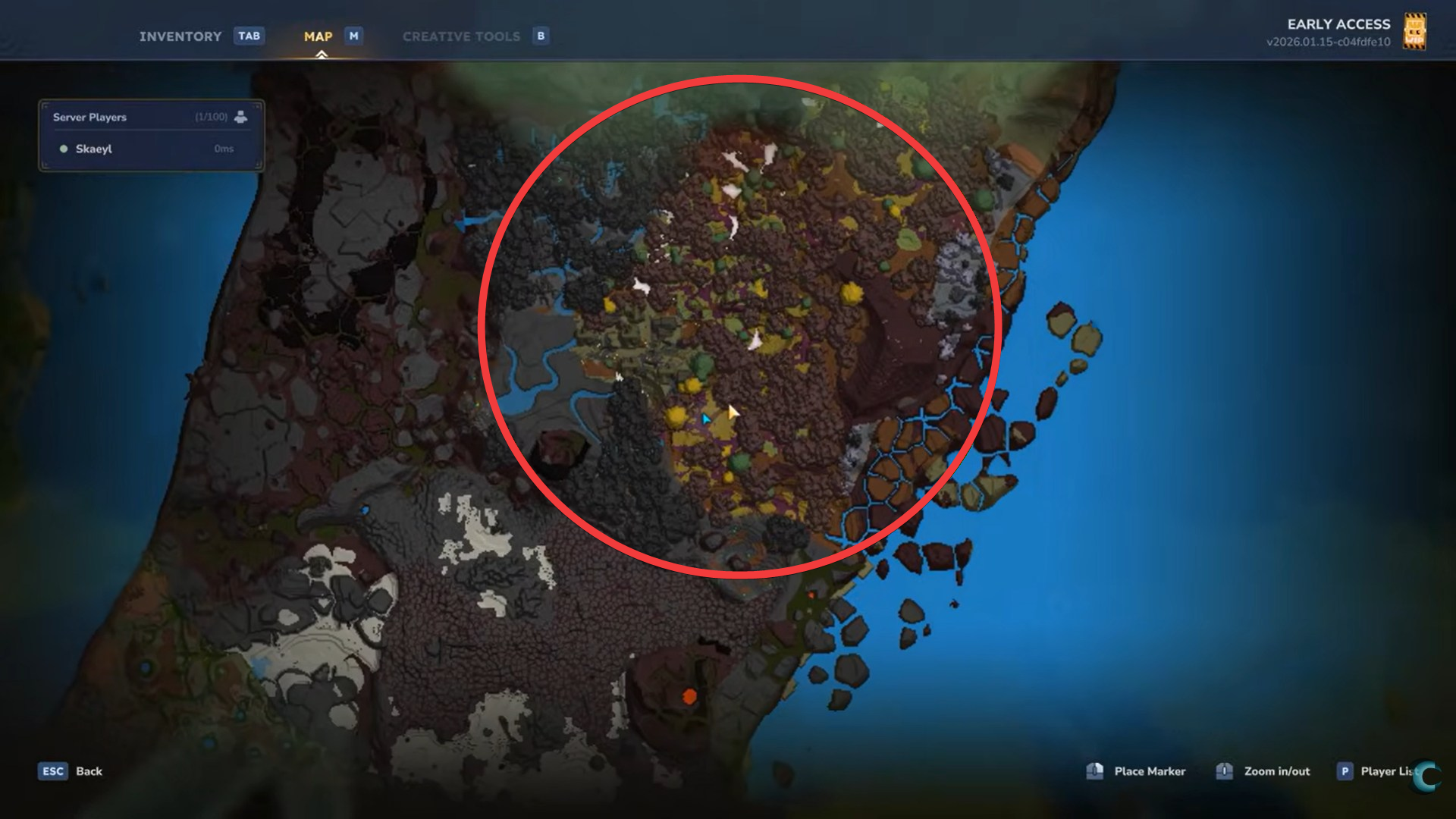
Sallow Trees are biome-locked resources, meaning you will not find them scattered across the world randomly. They are primarily generated in high-risk, late-game regions associated with fire, lava, and scorched terrain. These areas are designed to challenge players both environmentally and through tougher enemy encounters.

The two most reliable biomes for Sallow Trees are volcanic regions and burning biomes. These zones often feature cracked ground, ash-covered landscapes, lava flows, and hostile mobs. Sallow Trees blend into these areas surprisingly well, which is why players often overlook them during exploration.
How to identify a Sallow Tree visually
Correct identification is the most important step, as several tree types in Hytale can look similar at a glance. Sallow Trees have a few defining traits that help distinguish them from other vegetation.
Their most noticeable feature is their yellowish foliage. Unlike green-leafed trees from temperate zones or the darker tones found in corrupted areas, Sallow Trees have leaves that appear faded yellow or pale gold. This coloration stands out once you know what to look for, especially against dark volcanic terrain.

The trunk itself belongs to the Goldenwood family, but you will not receive standard Goldenwood Logs. Instead, harvesting yields Sallow Logs, which are internally categorized as a special Goldenwood Trunk variant used for progression crafting.
Avoiding confusion with mushroom-capped trees
One common mistake is confusing Sallow Trees with mushroom-capped trees. These mushroom-like structures can appear in similar regions and may share warm color tones, especially under certain lighting conditions.

Mushroom-capped trees usually have large, rounded caps resembling fungi rather than traditional leaves. Their silhouettes are bulkier and more uniform at the top, while Sallow Trees retain a recognizable leafy canopy shape. If the top of the tree looks like a single oversized cap rather than layered leaves, it is not a Sallow Tree.

Taking a moment to examine leaf texture and overall shape before chopping can prevent wasted time and inventory clutter.
How to reach Sallow Tree biomes safely
Volcanic and burning biomes are not beginner-friendly zones. Before heading out to farm Sallow Logs, preparation matters.
You should equip heat-resistant or higher-tier armor if available, as environmental damage and aggressive enemies are common. Bring sufficient healing items, and clear nearby hostile mobs before focusing on harvesting. Some volcanic areas also have uneven terrain and lava pockets, so movement abilities or building blocks can help you navigate safely.
How to harvest Sallow Logs efficiently
Step 1: Locate the correct biome
Travel to a volcanic or burning biome using your map and terrain cues such as lava flows, scorched ground, or ash-covered areas.

Step 2: Scan for yellow-leaved trees
Look for trees with pale yellow foliage rather than green or dark red tones. Elevation changes can help reveal tree canopies from a distance.

Step 3: Confirm tree structure
Ensure the tree has a standard leafy canopy and not a mushroom-style cap before harvesting.

Step 4: Get Sallow logs
If enemies spawn nearby, deal with them first to avoid interruptions while harvesting multiple trees.

Use your pickaxe or hatchet to harvest the trunk. The drops should include Sallow Logs rather than generic wood.
What Sallow Logs are used for
Sallow Logs have a very specific and important purpose. Their primary use is upgrading the Farmer’s Workbench from Tier 7 to Tier 8. This upgrade unlocks advanced farming-related recipes and progression paths tied to late-game crafting systems.
Because this upgrade is mandatory for certain progression routes, Sallow Logs act as a soft gate, encouraging players to explore dangerous biomes before accessing top-tier farming content. They are not typically used for decorative building or general crafting, making them a targeted resource rather than a multipurpose one.
Best farming tips for Sallow Trees
If you need multiple Sallow Logs, avoid harvesting only a single tree. Volcanic biomes often generate small clusters of Sallow Trees rather than isolated spawns. Once you find one, scan the surrounding area carefully.
Mark locations on your map so you can return later if resources respawn or if you need additional logs for multiplayer crafting. Clearing enemies and terrain obstacles around a cluster also makes repeat farming safer and faster.
Why Sallow Trees matter in Hytale
Sallow Trees are a good example of how Hytale ties biome exploration directly into crafting progression. You are encouraged to move beyond safe zones and engage with hostile environments to unlock advanced systems.
By the time you are upgrading the Farmer’s Workbench to Tier 8, you are expected to understand biome mechanics, enemy behavior, and efficient resource gathering. Sallow Logs are less about volume and more about proving readiness for the next stage of the game.
Thanks for taking the time to go through this Sallow Tree location guide for Hytale. If it helped you understand things better, do share your thoughts, impressions, or doubts in the comments section. We keep a close watch and try to respond promptly to ensure you always get the support you need.